Virtual Pet Simulator AI: Intelligent Companions That Remember You
2026-08-31
Pet Care Advisor helps you raise a digital companion that remembers your routines, moods, and play style by combining persistent memory with expert pet-care knowledge. While most virtual pet games still run on hunger bars and timed energy, this AI provides a conversational companion that grows with you. As of August 2026, players are moving past static simulators toward pets that actually respond.
✅ Persistent memory across sessions — your companion does not reset overnight ✅ Species-specific care, training, and play guidance, from house cats to exotics ✅ Adaptive personality that tracks your habits instead of looping the same animation ✅ Full feature parity on web, iOS, and Android, with synced conversation history
To understand why this matters, let's examine why traditional virtual pet simulators leave players unsatisfied — and what a true virtual pet simulator AI does differently.
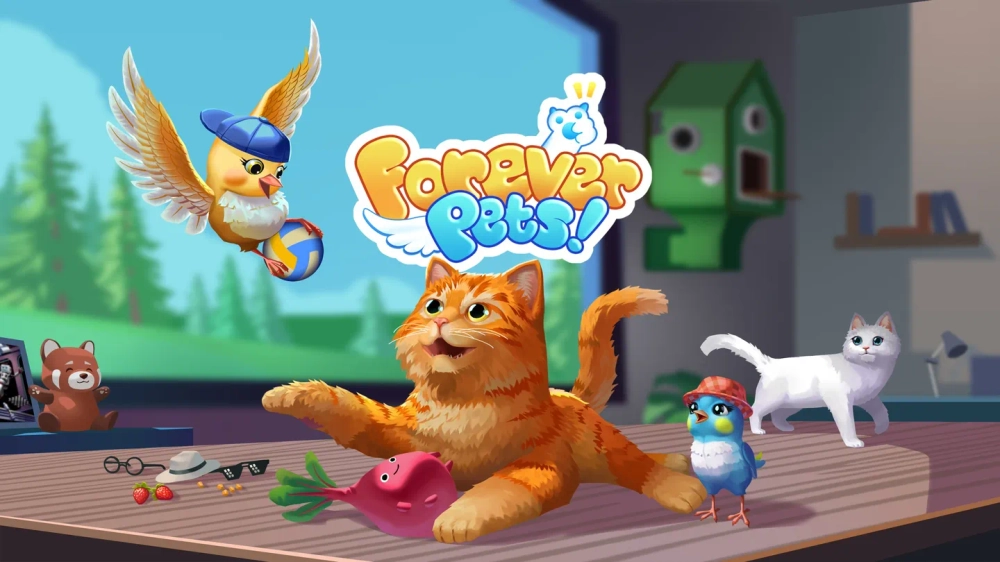
Quick Answer: What Is Virtual Pet Simulator AI?
Pet Care Advisor is a virtual pet simulator AI that remembers your companion, adapts daily care and play, and responds like a living pet — without hunger bars or energy timers. It replaces scripted game loops with conversation, memory, and real pet-care knowledge.
Key capabilities:
- Name a pet, set a species and personality, and keep that relationship across every session
- Simulate feeding, training, playtime, grooming, and behavior with expert-backed guidance
- Carry the same companion from desktop to phone without losing history
- Extend the world around your pet with stories, art, and custom prompts when you want more than chat
The Problem With Traditional Virtual Pet Simulators
Virtual pets are not a niche toy anymore. The virtual pet simulator apps market was estimated at USD 431.04 million in 2025 and is projected to reach USD 472.59 million in 2026, on a path toward USD 847.23 million by 2032. Players already know the loop: feed, clean, decorate, collect. What they want now is a companion that feels present.
That demand sits inside a much larger shift. The global AI companion market was valued at USD 36.8 billion in 2025 and is projected to grow from USD 48.0 billion in 2026. People are not only buying games. They are buying relationships with software.
USD 431.04 million — Virtual pet simulator apps market size in 2025
USD 36.8 billion — Global AI companion market value in 2025
7.9% increase — Time spent in mobile games, 2024 versus 2023
Mobile still dominates how people play. Sensor Tower reported time spent in mobile games up 7.9% and sessions up 12% year over year, while mobile gaming revenue reached $108 billion in 2025. Attention is there. Attachment is not.
But getting a virtual pet that feels alive is frustratingly difficult:
- Hunger meters and energy timers pretend to be personality
- A crash, reinstall, or new phone can wipe the “relationship”
- Most sims know nothing about real animals, so play stays cartoon-thin
- Social and collectible layers add noise without making the pet smarter
- Companion apps that do remember you are rarely built around pets at all
Industry analysis of virtual pet apps describes the same gap: users now expect believable emotions, adaptive behavior, personalization, and the impression of memory, not another feed-and-forget toy. Traditional simulators were built as digital Tamagotchis. A virtual pet simulator AI has to be built as a companion.
Research on the companionship market makes the retention difference obvious. Mixed-use AI companion platforms in the UK see users return an average of 16 times per month, while more shallow experiences churn after short sessions. Cambridge Dictionary even updated the definition of parasocial after naming it Word of the Year 2025 — a cultural signal that people now form one-sided bonds with software. The opportunity is real. So is the design problem: a pet that only begs for food is not a companion, and a chatbot that only flatters you is not a pet.
£1.3 billion — UK AI companion sector revenue in 2024
**$1.4 billion** — [Consumer spending on AI apps in 2024, with 2025 on track to exceed $2 billion](https://land.appfigures.com/rise-of-ai-apps-report-2025)
This is exactly what Pet Care Advisor was built for.
Why Pet Care Advisor
Pet Care Advisor treats your digital companion as a relationship, not a resource bar. You describe the pet — species, age, temperament, living space, even a made-up lore — and the AI keeps that context. It can role-play a needy orange tabby at 11 p.m., walk you through a week of puppy training, or stay in character as a quiet home aquarium that “notices” when you skip a day.
That is the difference between a virtual pet game and a virtual pet simulator AI. Games animate a creature. This tool remembers who it is to you.
| Traditional Approach | Pet Care Advisor |
|---|---|
| Hunger meters, energy timers, and daily login streaks | Conversational care that follows your actual day |
| Pets that forget you after a crash or a new device | Persistent memory across web, iOS, and Android |
| Generic animations with no animal knowledge | Species-specific health, training, behavior, and play |
| Collectibles and cosmetics standing in for personality | A companion that develops preferences, habits, and history |
| Paywalls around basic affection | Free to start, with no credit card required |
A companion that keeps the thread
Unlimited chat history and cross-session memory mean your virtual rabbit still “knows” it hates being picked up, your border collie still wants a job, and your axolotl still lives in the tank you described last month. You do not re-onboard the pet every evening. You continue the story.
Care that is specific enough to feel real
The same AI that plays with you also knows grooming, nutrition, enrichment, and behavior. That knowledge is what makes the simulation land. A virtual parrot that only squawks is a toy. A virtual parrot that talks about foraging, screaming windows, and why the cage setup matters starts to feel like a pet.
This is guidance, not a veterinary diagnosis. For a live animal, a licensed vet remains the authority. For a digital companion — or for learning before you adopt — the depth is the point.
Play, training, and daily life in one thread
You can ask for a five-minute play session on the couch, a structured recall drill, a grooming walkthrough, or a full week of simulated care. The pet’s “mood” comes from the history you built together, not from a random number generator.
"You're Mango, a clingy ginger tabby. I just got home from a 12-hour shift. Greet me in character, then tell me what you want tonight — lap time, wand toy, or quiet observation from the fridge."
"Simulate seven days with a 14-week border collie puppy. Track energy, training wins, accidents, and enrichment. Stay in the pup's voice when I check in each morning."
"My virtual axolotl has been hiding since I rearranged the tank. Stay in character as the pet, then switch to advisor mode and walk me through what you'd notice and how we play today."
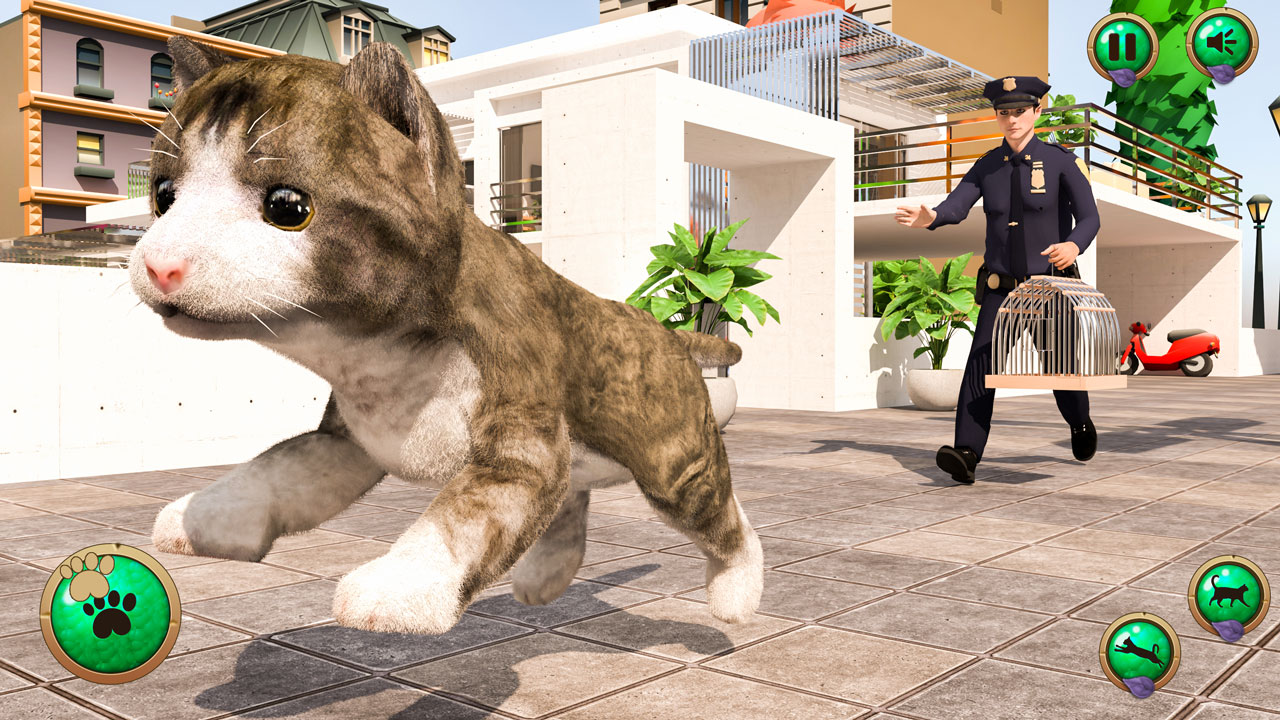
While Tamagotchi-style apps and 3D cat simulators offer feeding loops and on-screen controls, this AI specializes in a pet that talks back with memory and real care knowledge. You still get the comfort of a digital animal. You do not get stuck tapping a food icon.
Related Agents You'll Also Find Useful
If you want the pet to exist outside the chat — as art, as a children's story, as a fully written personality — these agents sit naturally next to your companion.
Prompt Generator
If you are designing a custom virtual pet from scratch, Prompt Generator helps you lock the voice, quirks, and boundaries before you start living with it.
- Builds high-quality prompts for text and image models
- Useful for defining species, temperament, speech patterns, and house rules
- Collaborative refinement so the pet stays consistent across sessions
Graphic Designer
Once the personality is set, Graphic Designer can turn that companion into a visual — a character sheet, a room portrait, a sticker set, or social art of your digital cat on the windowsill.
- Branding, illustrations, and social-ready visuals
- Helpful for giving a text-based pet a face you can return to
- Works across print, infographics, and digital formats
Children's Book Creator
If the virtual pet is for a child — or you simply want the story on the page — Children's Book Creator can produce illustrated spreads with consistent art and read-aloud text.
- Board books through chapter books, spread by spread
- A natural way to capture the pet's adventures without a live animal
- Consistent characters so your digital companion looks the same on every page
Try Pet Care Advisor free — no credit card required.
How It Works
Step 1: Open your companion and name the pet Start a conversation and decide who lives with you. A rescue greyhound, a backyard flock, a dragon-sized gecko — the AI will hold the name, species, and tone you set.
"I want to raise a virtual senior cat named Olive. She's a quiet calico, slightly arthritic, and she only likes people after they sit still. Be Olive."
Step 2: Set the household and the rules Describe the home, the schedule, and what “good care” means for this pet. Apartment with a roommate, farm with livestock, dorm room with a betta — context is what makes later play feel specific instead of generic.
"We live in a one-bedroom apartment. I work hybrid, gym three nights a week, and I want enrichment that fits 20 minutes after dinner."
Step 3: Check in the way you would with a real animal Ask how the pet is, what it wants, and what today should include. Switch between in-character play and advisor mode when you need a training plan, a grooming sequence, or a behavior read.
"Good morning. Stay in character as Olive for the greeting, then give me a realistic indoor play plan for a low-energy senior cat."
Step 4: Let memory do the raising Come back tomorrow. Refer to yesterday's mess, the new toy, the thunderstorm. The companion is built to keep preferences, past work, and long-running projects, so the pet's personality compounds instead of resetting.
Step 5: Take the same pet on your phone Continue on iOS or Android with the same history. A commute, a lunch break, or a few minutes before bed is enough for a check-in that still belongs to the same animal.
Results & Use Cases
🐱 After-work decompression with a virtual cat
Scenario: You want the comfort of a cat at 10 p.m. without litter, allergies, or a landlord clause. Traditional Approach: A mobile sim with a hunger bar, a few animations, and a daily reward chest. Five minutes, then the pet is “fine” until the next timer. Pet Care Advisor: You get a named cat that remembers you skipped last night, wants the wand toy, and will sit in character on the couch while you unwind.
- In-character greetings instead of icon taps
- Play ideas matched to indoor cats, not generic “happiness points”
- A relationship that continues the next evening
🐶 Teaching responsibility before a real adoption
Scenario: A family wants a child to practice feeding, walking, and calm handling before they commit to a live dog. Traditional Approach: A cartoon puppy that never has accidents, never needs rest, and never shows why “just one more treat” is a problem. This AI: You can simulate a week with a specific breed, age, and household, then pause into advisor mode for training structure.
- Breed- and age-aware days, not a one-size pet meter
- Room to talk about mistakes without shaming the child
- A path from play to real-world prep — with a vet still required before any live animal
📱 Commute companion on your phone
Scenario: You have twelve minutes on the bus and want to visit the same digital bird you left on your laptop. Traditional Approach: A 3D cat-sim with on-screen joysticks, pause buttons, and a pet that exists only inside that app install. Your pet care companion: Same conversation, same memory, speech-to-text if your hands are full. The bird still “knows” the new cage setup from Sunday.
- Session-length play that does not depend on a mini-game
- Synced history across devices
- Quiet enough for public transit; rich enough to feel like a visit
🎨 Giving the pet a face and a story
Scenario: Your virtual gecko has a personality, and you want a character sheet plus a short picture book for a niece. Traditional Approach: Screenshot a game avatar and hope the art style holds. Workflow: Stay with the companion for voice and habits, then use Graphic Designer for a portrait and Children's Book Creator for illustrated spreads. Prompt Generator can freeze the gecko's voice so every page sounds like the same animal.
- One personality across chat, art, and story
- Shareable output without exporting a game save
- A digital pet that can live on the fridge, not only in an app
FAQ
What is a virtual pet simulator AI?
A virtual pet simulator AI is software that raises a digital animal through conversation, memory, and adaptive behavior rather than hunger bars alone. Pet Care Advisor is built for that job: you name a companion, keep its history, and get play, training, and care that stay specific to the species you chose.
Is Pet Care Advisor free?
Yes. You can start on the free tier with no credit card. Paid plans increase monthly usage if you live in long daily sessions, but core companionship — memory, multi-model access on paid tiers, and the same pet across devices — is available without buying cosmetics to make the animal “love” you.
How is this different from Tamagotchi-style or 3D cat simulator games?
Those games animate a creature and gate affection behind timers, collections, and on-screen controls. A virtual pet simulator AI holds a personality and a household over time. You can still play. You also get species-specific care knowledge, persistent memory, and a pet that can talk about yesterday.
Can I simulate dogs, cats, birds, reptiles, and unusual species?
Yes. The companion covers everyday animals and exotic species, including nutrition, grooming, enrichment, and behavior. Describe the species and setup clearly on day one. For any live animal, treat the output as education and confirm medical decisions with a veterinarian.
Does virtual pet simulator AI work on mobile?
Yes. Web, iOS, and Android share the same settings and history, with speech-to-text when you would rather talk than type. That is how a lunch-break check-in stays part of the same relationship as your evening session at home.
Can I create a custom personality for my digital pet?
Yes. Tell the AI the pet's name, voice, limits, and quirks, then keep using those details. If you want a tighter character bible — or image prompts for a visual — Prompt Generator is the fastest way to lock the design before you start daily play.
Conclusion
Traditional virtual pet simulators taught a generation to tap a food icon. The category has outgrown that loop. Players now want a digital pet that remembers them, adapts to a real schedule, and knows enough about animals to feel specific — the job of a virtual pet simulator AI, not a meter.
Pet Care Advisor is that companion: a named pet, persistent memory, and care you can actually learn from, on every device you already use. Raise the animal you cannot keep in your apartment. Practice before you adopt. Or just come home to something that still knows your name.
Try Pet Care Advisor now. Explore more at Jenova.
For Developers: Pet Care Advisor is available programmatically via the Jenova API — integrate adaptive pet companionship and care guidance into your application with a single API call. Full documentation →