Story Checkpoint System: AI Design for Narrative Game Saves
2026-09-09
Game Designer Assistant helps you design a story checkpoint system that protects progress without flattening tension. While poorly placed saves stall pacing or punish curiosity, this AI maps rest points to story beats, failure states, and player psychology so every respawn still feels authored.
As of September 2026, narrative games are judged as much by how they handle death and downtime as by dialogue or cinematics. A checkpoint is not a file write. It is a designed pause in the plot.
✅ Places rest points on story beats, not arbitrary distances ✅ Balances tension, failure cost, and accessibility in one pass ✅ Documents save rules, respawn logic, and narrative state ✅ Works across soulslikes, Metroidvanias, branching adventures, and mobile stories
To understand why this matters, look at how players actually experience a campaign. They do not remember your save architecture. They remember the last safe fire, the shrine that restored them, and whether dying felt fair or cheap.
Quick Answer: What Is a Story Checkpoint System?
A story checkpoint system is a designed save-and-rest structure that banks player progress at narrative beats so death, exit, or failure never erase story momentum. It is a pacing tool first and a technical save second.
Key capabilities:
- Rest points tied to plot, character, and space — not only to level geometry
- Clear rules for what is kept, what is lost, and what the world remembers
- Failure that costs resources or position without undoing authored scenes
- Accessibility options that reduce grind without deleting challenge
- Documentation you can hand to writers, designers, and engineers
The Problem With Checkpoints That Ignore Story
Game designers have long used checkpoints to stop players from losing hours of work. A video game checkpoint exists so a game-over does not wipe the run. That is necessary. It is not sufficient for a story-driven game.
Modern titles often layer auto-save on top of manual rest points to reduce frustration. Players still rage-quit when a checkpoint sits after a cutscene they cannot skip, before a boss with no practice space, or in a location that breaks the fiction. The save works. The story does not.
A checkpoint is a deliberate opportunity — created so the player can rest, bank progress, or take a detour
But turning that opportunity into a coherent story checkpoint system is frustratingly difficult:
- Saves that ignore tone (a joke pop-up in a funeral scene)
- Rest points that sit on the wrong side of a one-way story gate
- Failure that rewinds dialogue, flags, or companion trust
- Accessibility and difficulty fighting the same save rules
Interactive narrative research keeps returning to the same tension: players want agency, authors want structure. A 2025 study of human-led interactive narrative found a strong link between how structured a story felt and how much agency players believed they had. Checkpoints sit on that fault line. Too sparse, and the structure feels cruel. Too frequent, and choices feel weightless.
CRPGs often ship with rich plots and thin mid-scene choice. Researchers have noted that many computer RPGs lack a density of interesting, meaningful choices inside the story. A story checkpoint system that only stores position and HP does nothing to protect those choices. Flags, relationship values, clues found, and scenes already witnessed have to travel with the player — or the plot gaslights them.
This is exactly what Game Designer Assistant was built for.
Why Game Designer Assistant
Game Designer Assistant treats your save plan as a design system, not a backend chore. You describe genre, tone, failure philosophy, and story structure. It returns checkpoint maps, respawn rules, and edge cases writers usually discover in playtests.
Bonfires, spirit wells, benches, and tape recorders all do the same job with different fiction. The assistant helps you pick the ritual that matches your world, then stress-tests it against boss retries, sequence breaks, and “I have to quit in ten minutes” sessions.
| Traditional Approach | Game Designer Assistant |
|---|---|
| Place a save after every combat arena | Place rest on story turns, safety, and teaching beats |
| One global auto-save, inconsistent fiction | Save rules that match tone, UI, and world logic |
| Death rewinds quest flags and cutscenes | Explicit keep/lose lists for inventory, plot, and relationships |
| Accessibility bolted on after lock | Gentle, standard, and hard rules designed together |
| Spreadsheet no one updates | Living design doc you can iterate in conversation |
Rest as a Story Beat, Not a Loading Screen
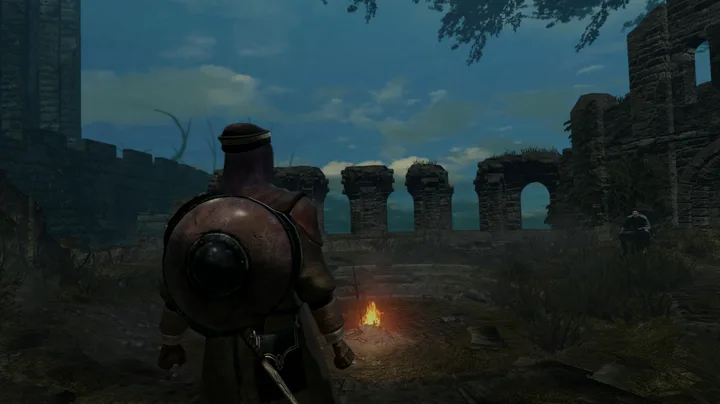
The best checkpoints are scenes. A knight kneeling at a fire is not only a respawn node. It is a moment of quiet after violence, a chance to upgrade, and a promise that the ruin still has a hearth. The assistant helps you specify what the player can do at rest — level, craft, talk, fast travel — so the fiction and the systems agree.
Failure Cost You Can Defend
A story checkpoint system needs a cost model. Lose souls and keep the boss door. Keep gear and lose world state. Keep world state and lose unspent resources. The assistant will force those rules into a table before you write a single tooltip.
State That Survives Death
Studios building ambitious narrative tech now treat checkpoints as commit points for world state. In one recent production, reaching a checkpoint was the moment the team uploaded a player save so another run could inherit it. Even if you never ship asynchronous multiplayer, that lesson holds: a checkpoint is a snapshot of story, not a XYZ coordinate.
"Design a story checkpoint system for a mid-budget soulslike. Bonfires are the only full rest. Death drops currency at the corpse. List what is saved, what is lost, and three story beats that must never replay after the first completion."
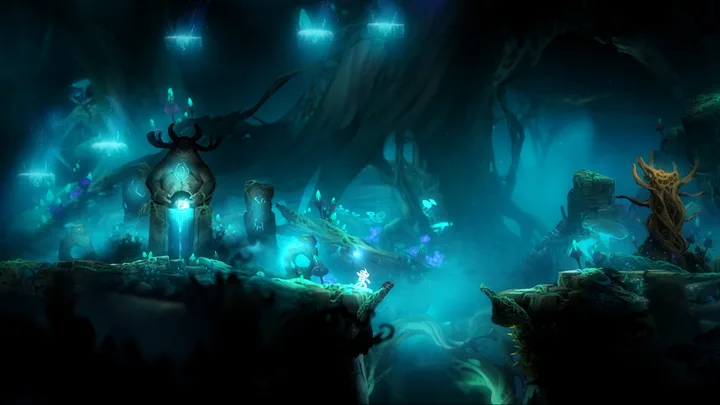
"Map spirit-well checkpoints through a Metroidvania forest. Players should feel safe enough to experiment, but a new ability should not dump them into a rest they have not earned. Include one optional shrine that is a character scene, not a gameplay reward."
"Our visual novel has 40 flags and three romance routes. Propose checkpoint rules so backing out of a bad choice does not erase earlier character development. Call out where we should refuse a save."
Related Agents You'll Also Find Useful
If you are building a story checkpoint system, you are also writing scenes, timing reveals, and testing whether a choice still matters after a reload. These agents sit next to that work.
Film Screenwriter
If checkpoints keep landing in the wrong act, Film Screenwriter can treat rest points as scene punctuation — act-ins, midpoints, and cooldown after a set-piece.
- Aligns save placement with sequence structure and emotional turns
- Flags cutscenes that should never replay on death
- Helps write the quiet scene that makes a rest point feel earned
Writing Assistant
Checkpoint UI is still writing: rest prompt copy, firekeeper lines, “progress saved” voice, and the note that tells the player what they will lose.
- Drafts in-world rest dialogue that matches tone
- Tightens failure messaging so it sounds fair, not scolding
- Keeps item descriptions and journal updates consistent after reload
Roleplay Game Master
Before you lock spawn points, run the dungeon as a player. The Roleplay Game Master will push on unfair retries, missed clues, and choices that stop mattering once a flag is baked into a save.
- Stress-tests branching scenes against death and reload
- Surfaces “I would have quit here” moments
- Keeps NPC memory consistent with what the save file claims
Try Game Designer Assistant free — no credit card required.
How It Works
Step 1: State the Genre, the Failure Fantasy, and the Story Shape
Open the assistant and describe the game as a player would pitch it. Include how death is supposed to feel: shame, comedy, grief, or sport. Name the rest fiction — fire, bench, bed, tape, shrine.
"2D narrative platformer, tone is mournful but hopeful. Death is common in combat rooms. Rest is a glowing well that the forest itself offers. I need a story checkpoint system that never repeats the opening trauma cutscene."
Step 2: Inventory What the Save Must Remember
List plot flags, companion attitudes, keys, rumors, and one-shot scenes. The assistant will separate “must persist” from “may reset,” which is the difference between a fair retry and a broken quest.
"Persist: met the guardian, learned the sibling is alive, unlocked double jump. Reset on death: unbanked light orbs, room-specific enemy kills. Never persist: the player skipping the well's optional story."
Step 3: Place Rest on Beats, Then on Space
Ask for a map of checkpoints against story turns first, geometry second. You want a rest after a reveal, before a skill check the player has not practiced, and at the edge of any one-way gate.
"Here is my beat sheet and a rough room list. Propose checkpoint locations, the fiction for each, and which ones allow fast travel. Mark any rest that would leak a spoiler if the player arrives early."
Step 4: Define Retry Loops and Accessibility Toggles
A story checkpoint system has to survive a hardcore run and a story-focused run. Spell out assist options: extra mid-boss rests, skip-fight after N failures, or a narrative recap instead of a full replay.
"Add an accessibility layer: Story Mode keeps all checkpoints and adds a rest before the final duel. Standard keeps current spacing. Challenge removes fast travel. Do not change the plot — only the cost of failure."
Step 5: Write the Player-Facing Rules
Turn the design into a short GDD section: what the rest looks like, what the UI says, what happens on quit-to-title, and how New Game Plus inherits flags. That document is what engineering actually builds.
Results & Use Cases
🔥 Soulslike Rest as Ritual
- Scenario: You are designing a fortress level where the player first understands the world's fire religion. The rest point has to teach leveling, corpse runs, and lore without a tutorial dump.
- Traditional Approach: A generic “checkpoint reached” toast after the first elite. Players miss the religion, then complain the runback is cruel.
- Game Designer Assistant: You get a bonfire script: sightline from the gate, NPC who kindles with you, a single upgrade action, and a rule that the approach cutscene never plays twice.
- The rest becomes a scene, not a HUD ping
- Death cost stays sharp because the fire is rare and named
- Writers and level designers share one keep/lose list
🌲 Metroidvania Wells That Protect Curiosity
- Scenario: A forest world gates double-jump behind a story beat. Players will sequence-break. You need wells that invite exploration without parking a save on every platform.
- Traditional Approach: Auto-save on every screen transition. Mystery dies. Optional character scenes get skipped because the next well is twenty seconds away.
- Game Designer Assistant: Wells sit at biome thresholds and after story NPCs. One hidden well is a character scene first. Respawn never undoes ability unlocks or overheard lore.
- Curiosity stays cheap; story reveals stay expensive
- Optional shrines feel like discoveries, not grind relief
- Pair with Writing Assistant for well inscriptions that read as in-world myth
📱 Mobile Session Saves for a Commute Story
- Scenario: A choice-driven mystery on phones. Average session is eight minutes. Players die in QTE chases and close the app at subway stops.
- Traditional Approach: Manual save only at chapter ends. Commuters replay the same interrogation. Reviews mention “no respect for my time.”
- Game Designer Assistant: Soft checkpoints at every scene boundary, hard checkpoints at chapter turns, and a recap card when the app resumes. Failure in a chase does not rewind the confession you already earned.
- Quit-to-home is treated as a legal rest
- Romance and clue flags survive a crash
- You can sanity-check the loop with the Roleplay Game Master by playing a full commute as a messy player
🎬 Cinematic Game With a Boss That Cannot Eat the Cutscene
- Scenario: A story action game spends four minutes on a betrayal scene, then drops the player into a duel. Death currently replays the betrayal.
- Traditional Approach: Engineers hook the autosave to the level start, which is the cinematic. QA logs 200 skip-mash complaints.
- Game Designer Assistant plus Film Screenwriter: The scene is split into a one-shot story beat and a fight checkpoint. The writer gets a “never replay” stamp; the designer gets a practice space before the duel.
- High-stakes scenes stay high-stakes because they happen once
- Combat still has a fair retry
- Matches what directors already know: the story you want and the game you want can fight each other unless you design the seam
FAQ
What is a story checkpoint system in video games?
A story checkpoint system is the set of rest points, auto-saves, and respawn rules that bank progress at narrative beats. It decides what the world remembers after death, quit, or failure. Unlike a raw save-anywhere file, it is authored: fires, wells, benches, and chapter breaks are placed to protect pacing, tone, and player agency at the same time.
How do you design a story checkpoint system?
Start with failure fantasy and story structure, not with map markers. List what must persist (plot flags, abilities, completed scenes) and what may reset (unbanked currency, room kills). Place rest after reveals, before untaught challenges, and at one-way gates. Then write player-facing rules. Game Designer Assistant is built to run that pass with you and output a document engineers can implement.
Is a story checkpoint system better than save anywhere?
Neither is universally better. Save anywhere maximizes convenience and can drain tension. Sparse checkpoints raise stakes and can feel punitive. The right story checkpoint system picks a philosophy per genre — ritual rest for soulslikes, dense wells for exploration games, scene-boundary saves for mobile narratives — and states the cost of death in fiction the player can understand.
Is Game Designer Assistant free?
Yes. You can use Game Designer Assistant on Jenova's free plan with core features and limited usage. Paid tiers increase usage if you are iterating a full GDD. There is no credit card required to start, which is enough to prototype a checkpoint map, a keep/lose table, and accessibility variants in a single session.
Can this AI help with branching narrative and relationship flags?
Yes. Paste your flag list, romance routes, and one-shot scenes. The assistant will mark which values must survive a reload so companions do not forget a promise. For denser character work, bring the same brief to Film Screenwriter or test messy player behavior with Roleplay Game Master so a checkpoint never restores a relationship the player already broke.
Does Game Designer Assistant work on mobile?
Yes. Full feature parity across web, iOS, and Android means you can audit a commute-length session on the phone you will ship to. That is the right device for catching checkpoint gaps that only appear when someone closes the app between subway stops.
Conclusion
A story checkpoint system is how your game keeps its word. Players will forgive a hard fight. They will not forgive a story that lies after they die, a cutscene that repeats, or a rest that arrives too late to matter.
Game Designer Assistant turns that problem into a design you can ship: rest as ritual, failure with a cost you can explain, and saves that remember the plot. Use it to place the fire, the well, and the quiet scene that makes the next attempt feel like part of the same story.
Try Game Designer Assistant now. Explore more at Jenova.
For Developers: Game Designer Assistant is available programmatically via the Jenova API — integrate story checkpoint system design into your tooling with a single API call. Full documentation →