Space Exploration Simulator AI: Design Colonies & Crewed Missions
2026-08-31
Game Designer Assistant helps you run a space exploration simulator AI by turning habitats, crews, and mission loops into systems you can stress-test in conversation. While most space games lock those loops inside an engine you cannot rewrite, this AI provides systems analysis, documentation, and genre-aware design so a colony or voyage can evolve with you. As of August 2026, players, educators, and indie teams want simulators that remember the mission — not another static sandbox.
✅ Systems analysis for life support, power, food, hull integrity, and crew morale ✅ Persistent memory so the colony does not reset between sessions ✅ Documentation and concept-art direction without opening a game engine ✅ Full feature parity on web, iOS, and Android, with synced history
To understand why this matters, let's examine why traditional space exploration simulators stall — and what a true space exploration simulator AI does differently.
Quick Answer: What Is Space Exploration Simulator AI?
Game Designer Assistant is a space exploration simulator AI that designs habitats, crew loops, and mission systems so you can iterate a colony or voyage without a game engine. It replaces locked sandbox rules with systems analysis, documentation, and a mission that keeps its history.
Key capabilities:
- Map closed-loop habitats: oxygen, water, food, power, heat, and hull
- Assign crew roles, work cycles, and failure cascades you can replay
- Document the design as a living GDD, mission log, or classroom brief
- Carry the same colony from desktop to phone without losing context
The Problem With Traditional Space Exploration Simulators
NASA treats modeling as a safety system, not a toy. Modeling and simulation are critical for human spaceflight because they let teams analyze spacecraft and mission performance before anyone flies. That standard is why a feed-and-forget sandbox feels thin once you care about habitats, abort modes, or crew time.
Players already live in a huge entertainment market. The global video game market was valued at USD 322.6 billion in 2025 and is projected to grow from USD 351.6 billion in 2026. Space remains a durable genre on Steam and in PC Gamer's best-of lists, with new sci-fi titles still stacking up. Attention is not the shortage. A simulator you can actually steer is.
USD 322.6 billion — Global video game market size in 2025
~20% — Share of new Steam games disclosing AI use by mid-2025, double the year before
55% — Gamers who increased their play time over six months in BCG's Global Gaming Survey
344 failure paths — Ways the James Webb Space Telescope sunshield unfurling could fail — one reason NASA built digital twins
But running a space exploration simulator that feels specific is frustratingly difficult:
- Engine-locked games hide the rules; you cannot rewrite the life-support loop
- Classroom and hobby missions rarely match how NASA actually trains crews
- A crash, a new device, or a new save wipes the “colony memory”
- Real ECLSS, ISRU, and abort logic live in papers, not in the pause menu
- Concept art, GDD text, and simulation logic sit in three different tools
Agencies now pair physical testbeds with virtual replicas. NASA traces digital twins to Apollo 13 simulators, and ESA gave its Large Space Simulator a digital twin so teams can rehearse thermal-vacuum work before hardware moves. Public 3D tools such as NASA's Eyes on the Solar System and NASA interactives help you look — they do not help you design a six-person habitat and keep the failure log.
This is exactly what Game Designer Assistant was built for.
Why Game Designer Assistant
Game Designer Assistant treats your colony or voyage as a system, not a screenshot. You describe the mission — destination, crew size, power budget, hydroponics, hull leaks — and the AI keeps that architecture. It can break a Space Haven-style loop into resources and roles, pressure-test a 90-sol Mars habitat, or write the GDD page a student or indie team can actually ship from.
That is the difference between playing a space game and running a space exploration simulator AI. Games animate a ship. This tool remembers how your ship fails.
| Traditional Approach | Game Designer Assistant |
|---|---|
| Rules locked inside Kerbal, colony sims, or a 3D sandbox | Systems you can rewrite, document, and replay in chat |
| New save or new device resets the mission | Persistent memory across web, iOS, and Android |
| Pretty habitats with no life-support math | Closed-loop analysis of oxygen, food, power, heat, and crew time |
| Concept art, GDD, and sim logic in separate apps | One thread for brainstorming, systems analysis, docs, and art direction |
| NASA-grade tools that are not built for a solo designer | Free to start, with no credit card required |
Systems you can open and stress-test
Brainstorming and systems analysis are the core job. Ask for mass flow, crew hours, redundancy, and what breaks first when a radiator fails. The output is a loop you can argue with — not a health bar labeled “Oxygen.”
Documentation that stays attached to the mission
The same thread can produce a GDD section, a classroom brief, a failure tree, or a daily work cycle. You do not export a save file and hope the next tool understands last week's hull patch.
Genre fluency without a 40-hour campaign
Deep expertise across genres means the AI already knows what players expect from orbital sandbox, colony survival, and 4X space strategy. You can steal the clarity of those loops without waiting for a patch.
Concept-art direction when the habitat has to be seen
When the geodesic dome or hydroponics bay needs a visual, you can brief composition, scale, and function in the same mission thread — then keep playing the systems.
"Design a closed-loop ECLSS for a 6-person Mars habitat with hydroponics, CO2 scrubbing, and a 90-sol failure cascade. Document resources, crew roles, and daily work cycles."
"Break a Space Haven-style colony into a GDD: power, oxygen, food, morale, and hull integrity. Flag where real ISS constraints would change the loop."
"Simulate a 14-day cis-lunar abort. Walk the crew through power, thermal, and consumables hour by hour, then write the debrief."
This is design rehearsal, not flight-certified NASA software. For hardware, trajectories, or medical risk, NASA's own simulation stack and licensed engineers remain the authority. For a living mission you can iterate tonight, the depth is the point.
Related Agents You'll Also Find Useful
If you also need real papers, a crew narrative, or a cited research brief, these agents sit next to the simulator.
Creative Fiction Writer
If you are also writing the mission as a story, Creative Fiction Writer can hold authentic worlds, crew voices, and polished logs while the systems thread stays technical.
- Deep research for settings that feel physically plausible
- Editorial insight from first draft to finished manuscript
- A natural home for captain's logs, EVA scenes, and colony drama
Deep Research
If the habitat has to survive contact with real programs, Deep Research searches hundreds of sources and returns a cited report you can drop back into the sim.
- Broad source coverage with inline citations
- Useful for ISRU, radiation, and analog habitat comparisons
- Actionable briefs instead of a pile of open tabs
Academic Research Assistant
If you are writing a paper, a thesis chapter, or a grant-style methods section, Academic Research Assistant is built for literature discovery and citation management.
- Real-time search across major academic databases
- Manuscript preparation for students and researchers
- A clean handoff from “could this colony work?” to “what does the literature say?”
Try Game Designer Assistant free — no credit card required.
How It Works
Step 1: Define the mission envelope State destination, duration, crew size, and what “success” means. A 30-day LEO station, a 90-sol Mars stay, or a generation-ship slice all produce different loops.
"Six crew, 90 sols at Jezero-like conditions. We have a geodesic habitat, 400 m² hydroponics, two rovers, and a leaky radiator. Be the systems lead."
Step 2: Build the closed loop Ask the space exploration simulator AI for mass, power, water, food, heat, and crew hours. Require redundancy and a spare-parts story. Specific numbers beat flavor text.
"Give me a daily resource table and the first three things that fail if we lose 30% power for 48 hours."
Step 3: Run the failure, not just the brochure Nominal days teach little. Inject a dust storm, a sick crew member, or a hull puncture and force a replan. Keep the same colony state so the next session inherits the patch.
"Sol 41: CO2 partial pressure is climbing and the grow bay lights are flickering. Stay in mission-control voice and walk the next six hours."
Step 4: Document what you would actually ship Turn the thread into a GDD page, a classroom packet, or a one-page abort card. The value is a design you can hand to a teammate, not a forgotten chat.
Step 5: Continue the same colony on your phone Web, iOS, and Android share history. A commute is enough to resolve a spare-parts fight or rewrite tomorrow's EVA timeline.
Results & Use Cases
🛰️ Closed-loop Mars habitat
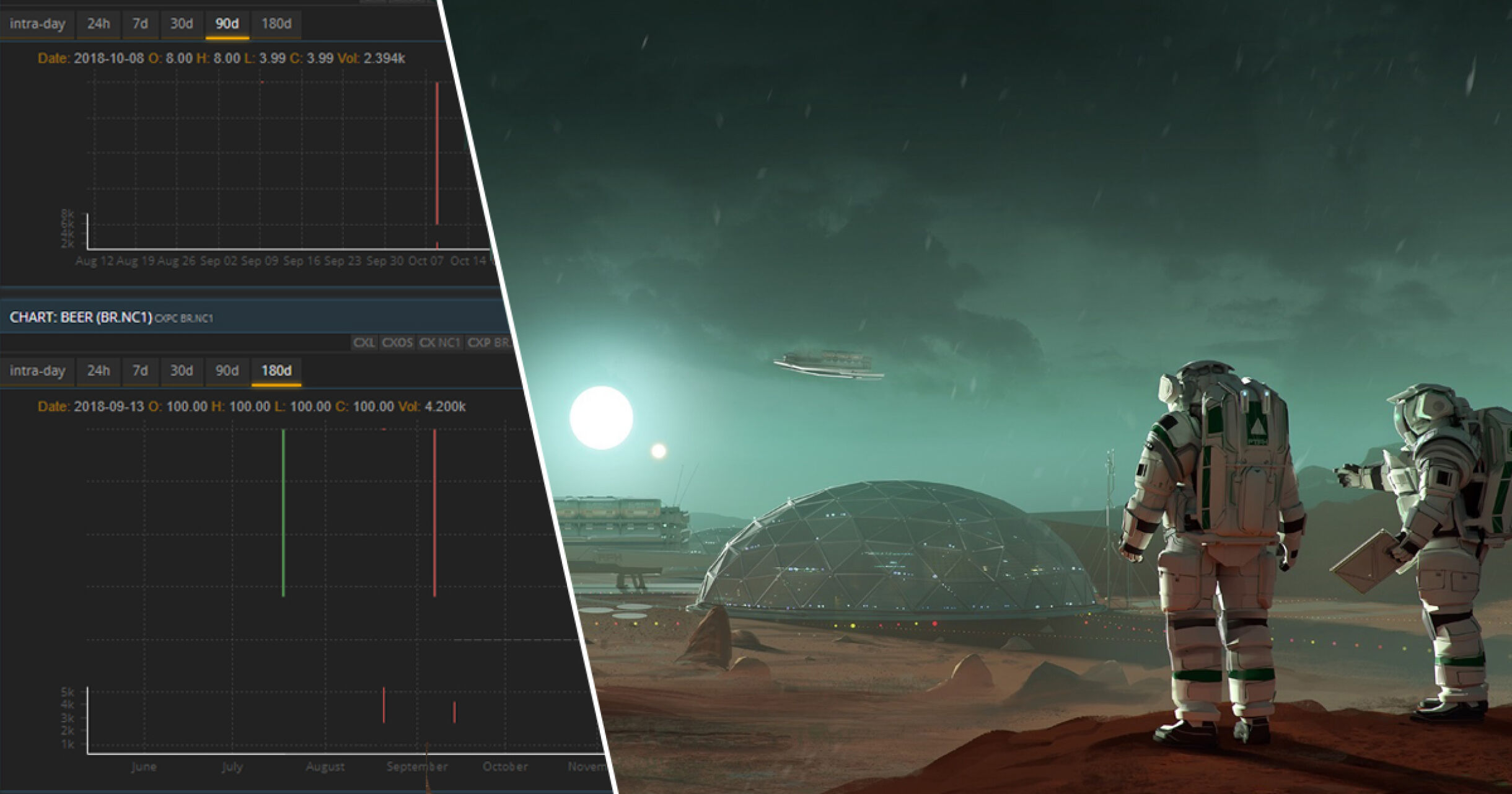
Scenario: You want a six-person geodesic habitat with hydroponics, a mining spur, and an economy of spare parts — the kind of surface base in the concept art above. Traditional Approach: A colony video game with hidden formulas, or a spreadsheet that no one else can read. This AI: You get an explicit resource loop, crew roster, and failure cascade you can revise after each sol.
- Life support and food production in one model
- Work cycles that respect sleep and EVA time
- A mission that still “knows” last week's radiator patch
🎓 Classroom mission control
Scenario: A high-school or undergrad STEM class needs a 14-day cis-lunar abort they can run in discussion, not a 60-hour campaign. Traditional Approach: NASA Space Place games for younger students, or papers the class will not finish. This AI: Students get a timed scenario, roles, and a debrief. Pair the systems thread with Deep Research when they must cite flight programs.
- Roles for CAPCOM, ECLSS, and crew
- Off-nominal events you can pause and grade
- A path from play to a short methods write-up
📱 Commute colony on your phone
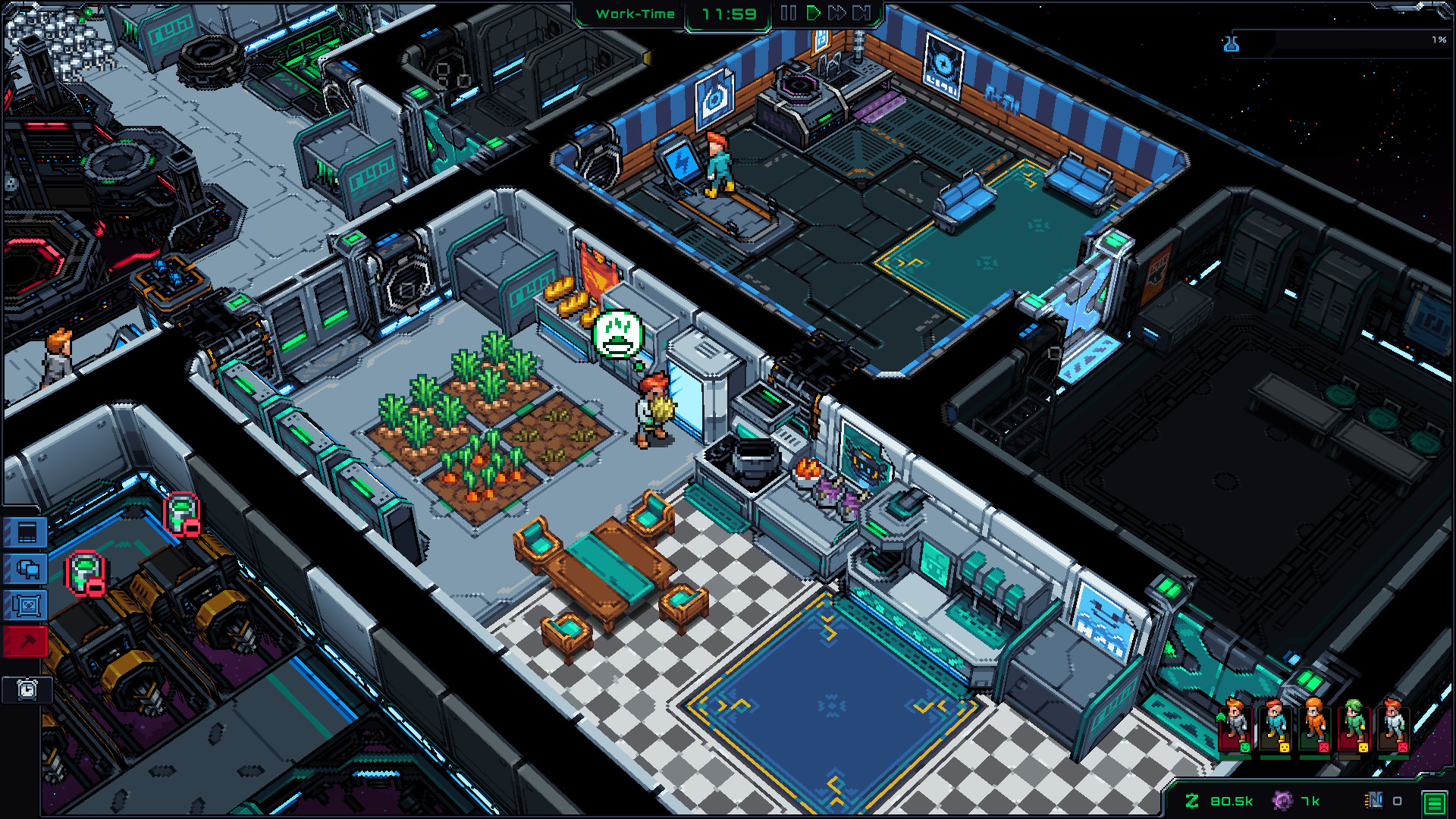
Scenario: You have twelve minutes on a bus and the hydroponics bay from last night is still short on power. Traditional Approach: A pixel-art station sim that exists only inside that install, with a clock and resource counters you cannot export. Your systems partner: Same colony, same memory, speech-to-text if your hands are full. The grow beds still “know” the lighting schedule you set at home.
- Session-length play that does not require a GPU
- History synced across devices
- Quiet enough for public transit; specific enough to feel like a shift handover
💼 Indie space-sim GDD
Scenario: A solo designer wants a vertical slice: hull, oxygen, food, morale, and a tutorial storm. Traditional Approach: Reverse-engineering a shipped title and writing docs in a separate app. Workflow: Keep systems and documentation in one mission thread. When the colony needs a narrative pass, Creative Fiction Writer can write crew logs that match the same constraints.
- Genre-aware feature lists without a 40-hour reference playthrough
- Failure trees that become actual quest beats
- Art direction notes attached to the rooms you already simulated
FAQ
What is a space exploration simulator AI?
A space exploration simulator AI is software that models habitats, crews, and missions through conversation, systems analysis, and memory rather than a locked game engine. Game Designer Assistant is built for that job: you define a colony or voyage, keep its history, and iterate life support, work cycles, and failures until the design is specific enough to teach, write, or ship.
Is Game Designer Assistant free?
Yes. You can start on the free tier with no credit card. Paid plans increase monthly usage if you run long daily sessions, but core simulation — memory, documentation, and the same mission across devices — does not require buying cosmetics to keep the colony “alive.”
How is this different from Kerbal, colony sims, or NASA visualization tools?
Those products animate a world with fixed rules, or they visualize real missions you cannot redesign. A space exploration simulator AI holds your architecture over time. You can still borrow loops from popular games. You also get rewriteable systems, persistent memory, and docs you can hand to a teammate. It is not a substitute for NASA Johnson's flight-simulation facilities.
Can I ground the simulation in real NASA or ESA programs?
Yes, as a design layer. Describe ISS, Artemis, or analog-habitat constraints in the prompt. For a cited brief, Deep Research can pull primary sources; for a literature review, use Academic Research Assistant. Treat medical, trajectory, and hardware claims as education unless a qualified engineer signs them.
Does space exploration simulator AI work on mobile?
Yes. Web, iOS, and Android share settings and history, with speech-to-text when you would rather talk than type. That is how a lunch-break resource crisis stays part of the same colony as your evening session at a desk.
Can I use it to write a story or a game bible, not just a spreadsheet?
Yes. Keep the systems thread for loops and failures. When you need captain's logs, crew drama, or a manuscript, Creative Fiction Writer can carry the same world with editorial control. The simulator remembers constraints; the fiction writer remembers voice.
Conclusion
Traditional space exploration simulators taught a generation to fly someone else's rules. The category has outgrown that limit. Designers, teachers, and players now want a habitat that remembers them, a crew loop they can rewrite, and failure modes specific enough to learn from — the job of a space exploration simulator AI, not a health bar.
Game Designer Assistant is that mission lead: systems analysis, documentation, and a colony that compounds instead of resetting, on every device you already use. Rehearse the base you cannot build in your apartment. Run the abort your class can finish in one period. Or keep a hydroponics bay that still knows last night's power budget.
Try Game Designer Assistant now. Explore more at Jenova.
For Developers: Game Designer Assistant is available programmatically via the Jenova API — integrate space-habitat systems analysis and mission documentation into your application with a single API call. Full documentation →