Solo Roleplay Game: AI Tools to Play TTRPGs Without a GM
2026-08-26
Game Designer Assistant helps you run a complete solo roleplay game by turning a premise into oracle tables, dungeon procedures, NPC bibles, and scene notes you can play the same night. While most solo players stall on a missing group, six open PDFs, and oracles that start repeating themselves, this AI keeps the world, the rules, and the surprises in one conversation. As of August 2026, playing alone is no longer a workaround for an empty table—it is a format with its own engines, its own communities, and its own award category.
✅ Builds custom oracles, encounter tables, and dungeon procedures ✅ Tracks characters, factions, and unanswered questions across sessions ✅ Adapts fantasy crawls, journaling games, and sci-fi sandboxes ✅ Works when you have ten minutes or a full evening
To understand why this matters, look at what actually stops a solo roleplay game after the first scene. The bottleneck is rarely dice. It is the missing Game Master: someone who answers “is the door trapped,” invents the next room, and remembers the rumor you planted two sessions ago.
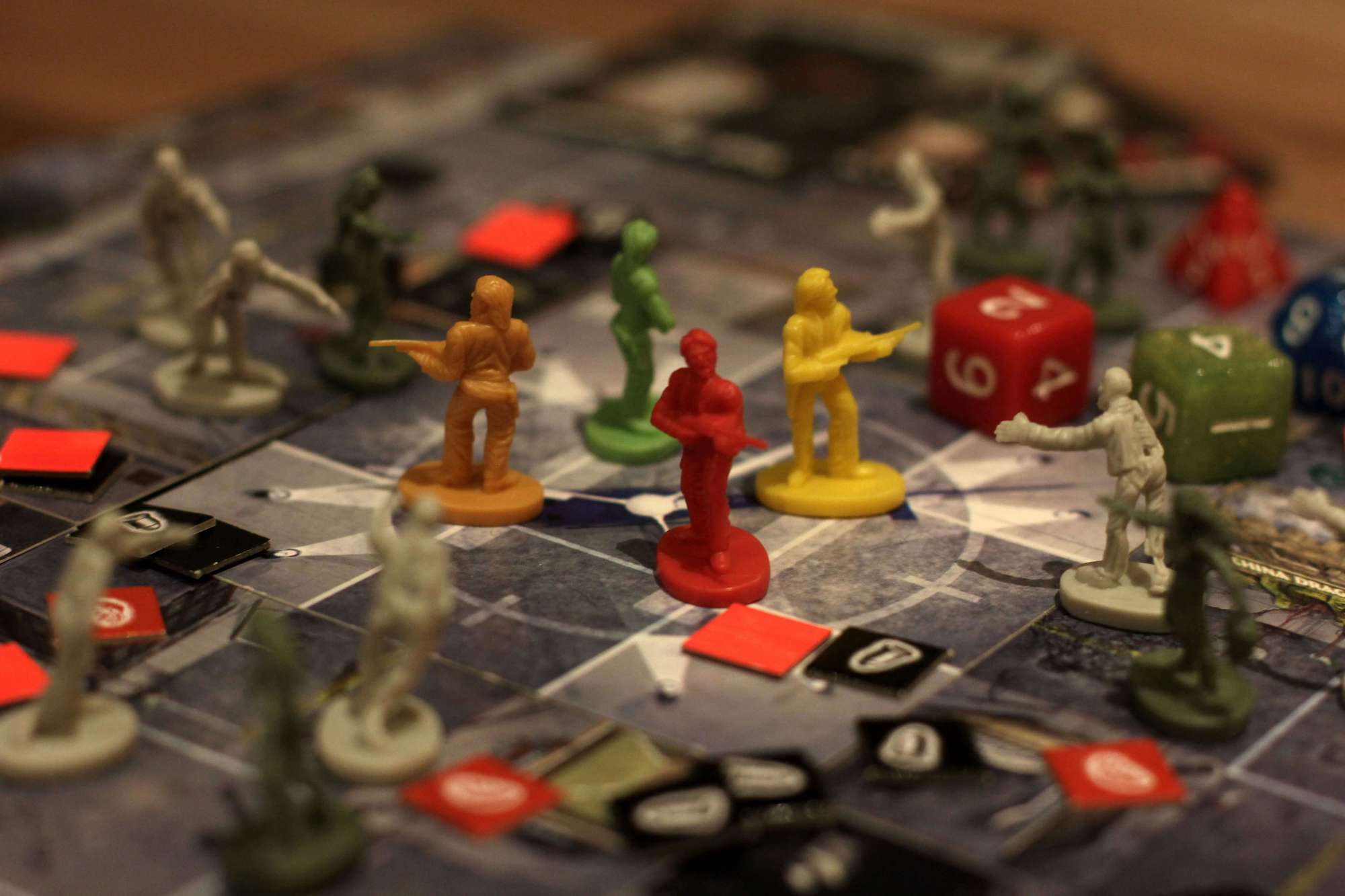
Quick Answer: What Is a Solo Roleplay Game?
A solo roleplay game is a tabletop RPG you play alone, using oracles, prompts, or an AI partner in place of a Game Master and a party. You still roll dice, map rooms, and write what happened—you just do not wait for four other calendars to line up.
Key capabilities:
- Oracle questions and twist tables that keep the story from becoming a monologue
- Procedural dungeons, hex crawls, and encounter budgets you can run from a notebook
- Character, faction, and secret trackers that survive more than one sitting
- Design notes you can take into Game Designer Assistant, Ironsworn-style vows, or a published module
Why Most Solo Roleplay Games Stall
Demand for role-playing is not shrinking. Market researchers valued the broader role-playing games category at $28.6 billion in 2025, with a path to $65.4 billion by 2034. Solo play is the part of that hobby that does not require a table of five.
But getting a satisfying session to the table by yourself is still frustratingly difficult:
- A group never materializes, so the campaign never starts
- Oracle binders and GM emulators answer yes/no and then go quiet
- Dungeon maps, NPC names, and unresolved threads live in three apps
- Generic chatbots forget the villain’s motive between Tuesdays
**$28.6 billion** — [Role-playing games market value in 2025, projected to $65.4 billion by 2034 at a 9.8% CAGR](https://dataintelo.com/report/global-role-playing-games-market)
2026 — Year the ENNIE Awards added a Best Solo Game category
That last milestone is the one to take seriously. Wikipedia’s overview of solo role-playing traces the format from Gygax’s random dungeons through Tunnels & Trolls modules and Fighting Fantasy gamebooks. Ekorren Games notes that lockdowns then turned a niche into a thriving indie scene of journaling games, oracles, and procedural crawls. The tools exist. What most players still lack is a single partner that will design tonight’s procedure and remember last month’s cliffhanger.
The Table Never Assembles
People are introduced to RPGs as a social hobby, so they treat a missing group as a hard stop. Clare C. Marshall has described hunting for a name for the experience she wanted—narrative pushback, surprise, no waiting—before discovering that solo RPGing already had one. If your barrier is four other adults, the hobby already has an answer. You still need a way to generate that pushback on demand.
Oracles Answer Once, Then Repeat
A good solo roleplay game needs an oracle: a yes/no engine, a twist table, a prompt deck. Nerdarchy’s survey of the format is blunt about shallow add-on engines—they stall the story. Mythic-style fate charts and Ironsworn oracles are excellent analog tools. They are also static. After the third “yes, but…” you start to feel the table, not the world.
State Splits Across Notebooks and PDFs
Map addition—the practice of drawing the dungeon as you explore—has been part of solo play since those 1975 procedures. Modern players add a character sheet, a faction tracker, a rumor list, and a journal. When those live in different places, the next session starts with archaeology instead of a scene.
Unstructured AI Flattens the Arc
Nerdarchy warns that AI-only “GM replacements” without a framework lose details, flatten emotion, and invent incoherent beats. A chatbot that agrees with every plan is not an oracle. You need structure first—vows, clocks, random rooms—then a partner that will stay inside that structure. This is exactly what Game Designer Assistant was built for.
Why Game Designer Assistant
Game Designer Assistant treats your solo roleplay game as a system, not a chat. You bring the premise, the rules you already love, and the time you actually have. It returns oracle wording, dungeon procedures, documentation, and scene framing you can run with a notebook, a hex map, and a handful of dice.
Nerdarchy lists what strong solo systems share: oracles, GM emulation, prompt structure, and visible progress. Ekorren groups the hobby into journaling games, oracle-and-emulator play, and procedural crawls. The useful response is not “generate the whole campaign.” It is a design partner that keeps you in the referee’s chair while the dice still get to say no.
| Traditional Approach | Game Designer Assistant |
|---|---|
| Wait weeks for a table, then cancel | A session that starts when you sit down |
| Flip between a GM emulator, a bestiary, and a map PDF | One conversation that produces the procedure and the notes |
| Yes/no oracles that start to feel mechanical | Custom tables keyed to this dungeon, this faction, this vow |
| Chatbots that forget the traitor between sessions | Living documentation of secrets, clocks, and unanswered questions |
| Commission or scribble art after the tone has drifted | Concept notes and location briefs before you draw the next room |
Oracles Built for This Campaign
Start with genre, tone, and how much randomness you want. A two-hour OSR crawl needs room contents, wandering checks, and morale. A journaling vampire chronicle needs memory prompts and moral costs. The assistant turns that brief into question phrasing, likelihood language, and twist tables that match the fiction instead of a generic 2d6 chart.
"I am running a solo OSR crawl under a ruined abbey. Give me a yes/no oracle with likely/unlikely steps, a 12-entry twist table about relics and drowned monks, and a wandering-check procedure for every two rooms."
Dungeons You Map as You Walk
Map addition only works if the next room can surprise you. Ask for stock-the-hex rules, door-and-passage generators, or a keyed ruin that still leaves contents to a roll. You get something you can draw on graph paper—not a novel about a dungeon.
Characters, Factions, and Secrets That Persist
Solo play dies when the innkeeper is a new person every Thursday. You get speech tics, withheld information, and a list of clocks: what the cult finishes if you rest, what the sheriff learns if you leave a body. That bible is what you reopen next session instead of reinventing the town.
Progress You Can See
Ironsworn-style vows, mystery clocks, and resource tracks give a solo roleplay game a reason to continue. The assistant will propose progress mechanics that fit the premise—not a second full ruleset you have to learn before you roll.
"Convert this rumor—'the miller’s son walked into the fen and came back wrong'—into a four-box clock, three NPCs with secrets, and two scenes I can finish in 40 minutes."
Related Agents You'll Also Find Useful
If you are building a solo roleplay game habit, design is only one desk. These partners cover the sessions most players want within the first month.
The Mansion
Some nights you do not want to stock a dungeon. You want to wake up somewhere hostile and find the door. The Mansion is a ready-to-play mystery: no memory of how you arrived, a house that hides its own rules, and choices that decide whether you leave.
- Zero-prep narrative when the analog kit stays on the shelf
- Room-by-room exploration that scratches the same itch as a mapped crawl
- A single-protagonist loop you can pause mid-corridor
Vesper Court
Journaling solo games such as Thousand Year Old Vampire proved that a long, intimate chronicle can be the whole hobby. Vesper Court is that register as a playable night: a woman with no memory, a hidden vampire court, and relationships that change the next scene.
- Dark-romance pressure without writing a prompt deck first
- Character-first play when you are tired of encounter math
- A chronicle you can continue in short sittings
Name Generator
A solo table dies on the third “Garrick the Guard.” Name Generator is the naming desk for people, places, relics, and crews—culturally fluent lists you can paste into the campaign bible and stop breaking immersion to invent a surname.
- NPC and place names that match the region you already described
- Relic and ship names that sound handled, not generated
- Fast lists when a random encounter suddenly needs a captain
Try Game Designer Assistant free — no credit card required.
How to Run a Solo Roleplay Game Step by Step
Step 1: Brief the Premise and the Constraints
Open the design partner with genre, rules you already own, session length, and how much bookkeeping you will tolerate. Constraints are the point. A 40-minute fen mystery with one clock is a shippable night. A twelve-hex sandbox is not, until the first hex works.
"Solo dark-fantasy, 40 minutes, one PC, OSR-light combat. I need a village rumor, a four-room ruin, and an oracle I can roll on a single d12."
Step 2: Lock the Character and the Oracle Before Scene One
Ask for a playable PC, three bonds or vows, and the exact questions you will put to the oracle. Do this before you draw the first corridor. A solo roleplay game cannot recover from a hero whose motivation was invented after the boss fight.
"Build a disgraced cartographer who still has the abbey survey. Include one vow, one secret she will not admit, and six oracle questions I am allowed to ask."
Step 3: Generate Only the Next Location
Have the assistant output the current site: rooms or hexes, what is obvious, what is rolled, what is never decided in advance. Name flags like a referee (heard_chanting_under_mill) so they survive the jump into your notebook.
"Stock a four-room abbey cellar. I map as I go. Give me door contents, a 1-in-6 wander, and do not tell me what is in room 4 until I open it."
Step 4: Play the Scene, Then Ask the World
You still decide what your character attempts. When the world should push back, ask a closed question and roll. Keep choices concrete and costly. Move finished scenes into a short journal paragraph so the next sitting has a first line.
"I offer the miller forged survey papers. Oracle: does he believe me? If yes, what does he hide. If no, who walks in during the argument."
Step 5: Close the Loop and Pack the Kit
End with a three-line recap, clocks that advanced, and the first question of next time. Pull names you will need again through Name Generator. If you want a night with no prep at all, switch to The Mansion instead of forcing a crawl you do not have the energy to stock.
"Summarize tonight in three bullets, advance any clock that should have moved, and give me the opening image for the next 30-minute session. No new lore."
Results & Use Cases
📊 A Four-Room Ruin on a Weeknight
Scenario: A player owns an OSR booklet and a handful of minis. They have 45 minutes after dinner and no party.
Traditional Approach: Reread three chapters of a GM emulator, fail to stock the first room, and watch a show instead.
Game Designer Assistant: A rumor, a four-room key with hidden contents, and a wander table that fits on an index card.
- Combat stays optional; the clock is the real pressure
- Minis and tokens only come out if a fight actually starts
- The same bible reopens tomorrow without restatting the town
💼 A Journaling Chronicle Without a Prompt Deck
Scenario: A writer wants the introspective register of a vampire or memory game, but does not want to learn a new boxed journaling system this month.
Traditional Approach: Buy another PDF, bounce off the first prompt, and feel guilty about the unread stack.
This design partner: A memory-and-cost procedure plus scene prompts. On nights that need zero procedures, Vesper Court is the already-cast alternative.
- Sessions can be a single letter or a single night at court
- Secrets stay consistent because they are written down once
- Tone stays intimate instead of sliding into a dungeon crawl
📱 A Commute Oracle on a Phone
Scenario: A student is on a bus and realizes last session’s sheriff should have followed up on the body.
Traditional Approach: Wait for a desk, lose the thought, and leave a plot thread on the floor.
Game Designer Assistant on mobile: A short voice or text note reopens the bible, advances the clock, and drafts the interruption for tonight.
- Same project on web, iOS, and Android
- Oracle questions can be spoken, then cleaned into table format
- A Name Generator pass for the deputy can wait until they sit down
🎯 Converting a Published Module to Solo
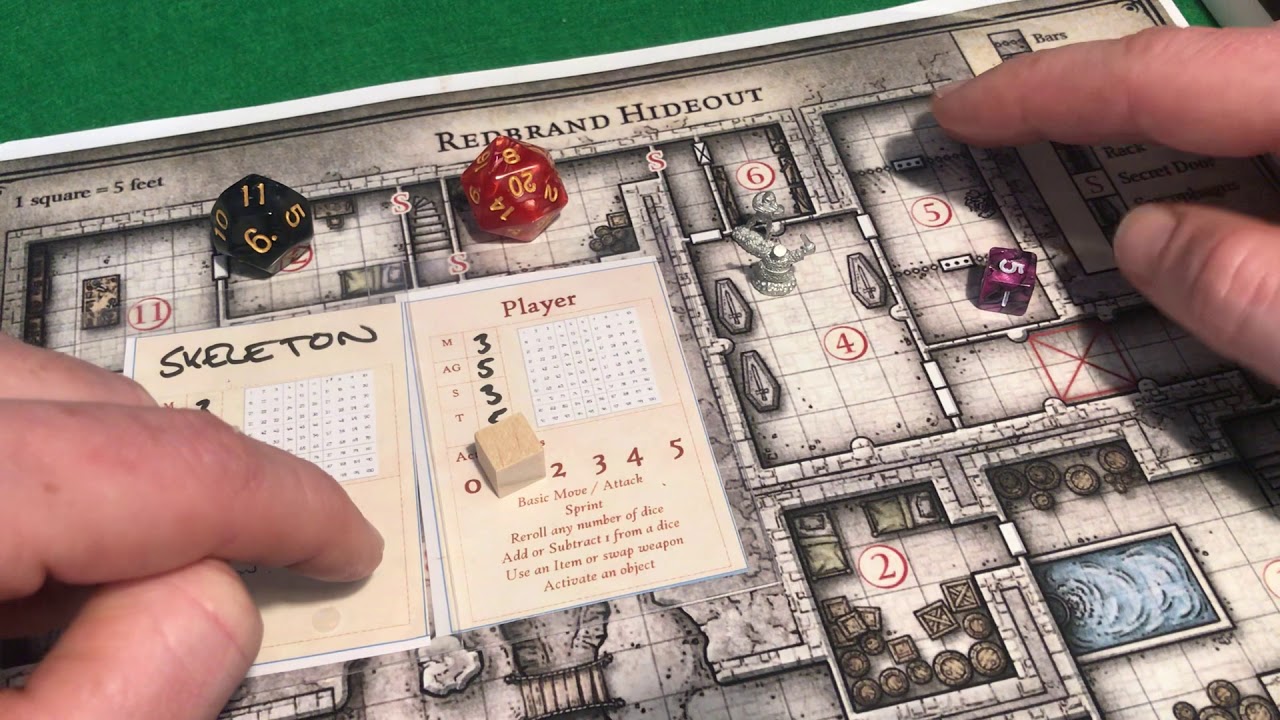
Scenario: Someone loves a classic hideout map—rooms numbered, treasure marked, a skeleton in the stat block—but the text assumes a GM and four PCs.
Traditional Approach: Run it as written, play both sides, and spoil every boxed-text surprise.
The solo roleplay game workflow: Restate the site as player-facing facts, hide the rest behind rolls, and cut the encounter budget to one protagonist plus hirelings.
- Secret doors stay secret until a search roll says otherwise
- Treasure is a question, not a paragraph you already read
- You still get the tactile map-and-minis night the module promised
FAQ
What is a solo roleplay game?
A solo roleplay game is a tabletop or live-action RPG designed—or adapted—to be played by one person, without other players or a Game Master. Wikipedia’s definition excludes single-player video RPGs and covers oracles, paragraph gamebooks, and map-as-you-go dungeons. Game Designer Assistant sits in the modern layer of that tradition: it designs the procedures and remembers the campaign so you can still roll physical dice.
Is Game Designer Assistant free?
Yes. You can start on a free tier with core features and limited monthly usage. Paid plans raise that ceiling if you are keeping a long campaign bible or generating new sites every week. You do not need a credit card to test whether the workflow fits a single 40-minute crawl.
Can I use this as a GM emulator for D&D or Pathfinder?
Yes, as a design and ruling partner—not as a replacement for the rules you already own. Nerdarchy’s advice still holds: pair any AI with a real oracle or solo engine. Ask for fate questions, random encounters, and NPC reactions, then resolve attacks and spells in your system. Heavy tactical grids remain slower solo; cut the opposition to match one PC.
How is this different from Mythic, Ironsworn, or a generic chatbot?
Mythic and Ironsworn are complete analog engines. Keep them. A generic chatbot will draft a scene and forget the flag. This design partner is built for systems analysis and documentation—custom tables, site procedures, and bibles—then stays useful as the voice that answers inside those tables. Ready-to-play nights still live in The Mansion when you do not want a procedure at all.
Does a solo roleplay game work on mobile?
The analog half still wants dice and a map when you are at a desk. The design half does not. You can brief a site, ask an oracle question, or recap a session on a phone and pick up the minis later. Speech-to-text is useful for dumping what just happened before you forget the twist.
Will playing alone feel generic?
It will if you ask for “a tavern and three goblins” and accept the first draft. Specificity is the fix: a local industry, a vow with a cost, a rumor only this village would tell. Marshall’s account of returning to private creation is the point of the format. Keep the human as referee. Use the AI as the production board.
Play Tonight—No Party Required
A solo roleplay game succeeds when the next room, the next answer, and the next cost were generated on purpose—and when last session’s secrets are still true. The wider role-playing market is growing, and solo play now has the awards, the engines, and the community reports to prove it is not a consolation prize. Game Designer Assistant gives you the oracles, site procedures, and campaign notes that make a night alone feel refereed.
Try Game Designer Assistant now. Explore more at Jenova.
For Developers: Game Designer Assistant is available programmatically via the Jenova API — integrate solo campaign oracles, site generators, and adventure documentation into your application with a single API call. Full documentation →