Science Fiction Character Creator: AI Bios, Art & RPG Builds
2026-09-07
A science fiction character falls apart when the bio, the face, and the loadout belong to three different people. Jenova is an AI science fiction character creator workspace that keeps those layers aligned — voice, visual identity, and game systems — so writers, GMs, and indie developers can build original sci-fi heroes in one place. As of September 2026, that workflow lives in specialized agents rather than a generic chatbot and a folder of conflicting notes.
✅ Backstories, flaws, and dialogue that read like a person, not a tropes list ✅ Concept direction, silhouettes, and faction emblems without a full art pipeline ✅ Classes, stats, and equipment that match the story you actually wrote ✅ Persistent memory so crews, ships, and canon stay consistent across sessions
To understand why this matters, look at how sci-fi casts get made today: a prose sketch in one tab, a mood board in another, and an RPG sheet that never quite agrees with either. The gap between those artifacts is where memorable characters die.
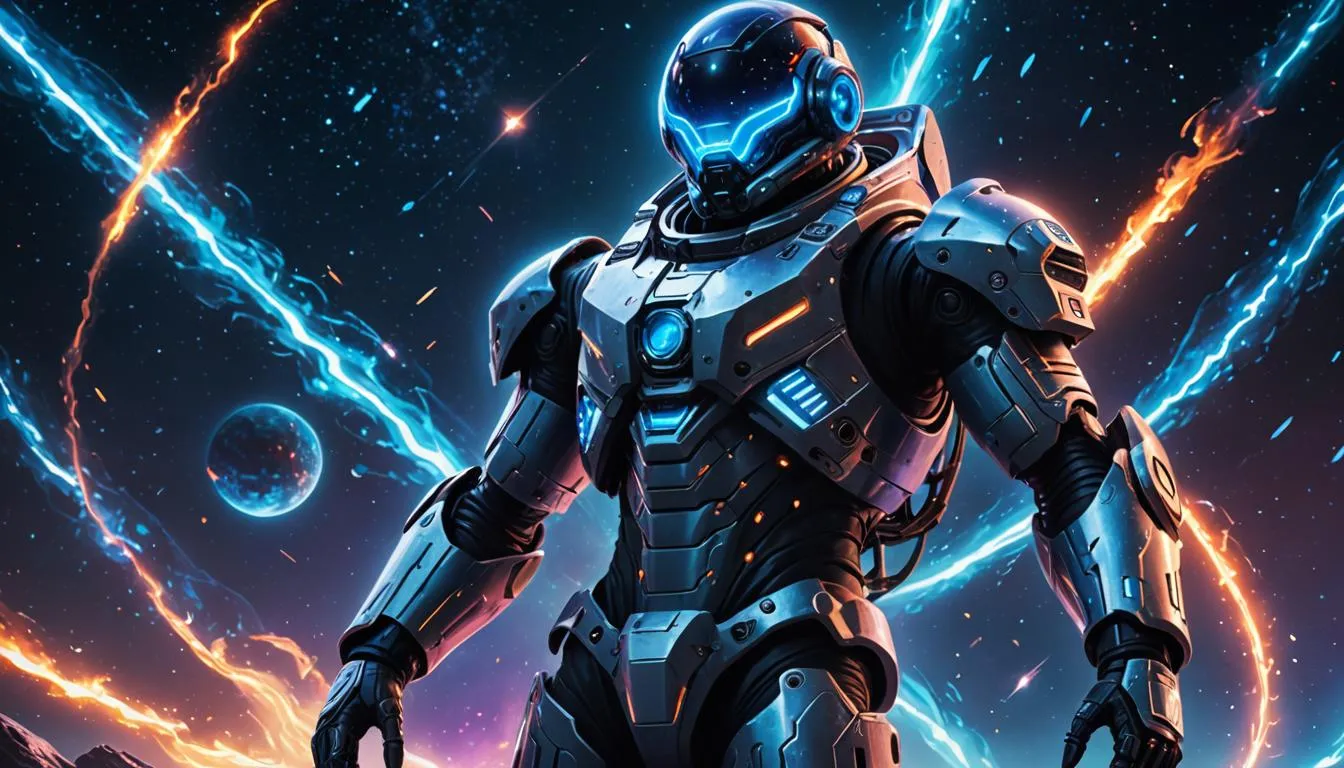
Quick Answer: What Is a Science Fiction Character Creator?
Jenova is an AI science fiction character creator platform that helps writers, designers, and game makers build original sci-fi heroes across backstory, visual design, and RPG systems. It replaces disconnected notes, artboards, and stat sheets with specialized agents that stay on the same character.
Key capabilities:
- Narrative dossiers, voice, and arc design with a dedicated Creative Fiction Writer
- Visual identity, costume language, and illustration direction
- Game-ready classes, stats, and loadouts for tabletop or digital RPGs
- Adaptation into comics, manga, webtoons, and screenplays without rebuilding the character from scratch
Why Most Sci-Fi Characters Feel Interchangeable
Readers and players do not remember “the soldier in the glowing armor.” They remember the person inside it — the compromise that armor represents, the culture that built it, the cost of putting it on. Novelists who last on the page develop characters through methodical research, accident, and empathy, not by stacking genre furniture. Game audiences are just as exacting: avatar-based customization has been shown to deepen identification and empathy when players can shape who they inhabit.
66 players, 10 hours of play — Avatar-based customization significantly enhanced player identification and empathy
But assembling that kind of character — someone who works in a novel, a pitch deck, and a character sheet — is frustratingly difficult:
- Archetypes stand in for people (the stoic marine, the hacker with a hoodie, the AI that “just wants to be free”)
- Visual design drifts away from biography, culture, and class
- RPG stats describe a build, not a life
- Tech, politics, and biology collapse under light scrutiny
- Iteration is slow because writing, art, and systems live in different tools
Generic Archetypes Instead of People
Science fiction is crowded with competent professionals in interesting rooms. The problem is not tropes; it is tropes with no private history. If the only thing you know about a character is their job on the ship, the story has a function, not a person. Character development has to be captured in writing — motives, contradictions, and the specific way someone speaks — or it stays vague even when the worldbuilding is dense.
A Face That Doesn't Match the Bio
Concept art often starts from silhouette language that works: broad shoulders, elongated limbs, distinctive headgear
. That is sound craft. It becomes a problem when the armor says “elite shock troop” and the backstory says “reluctant medic who stole a suit.” Writers collect references; artists invent a look; neither document is canon. Readers feel the seam even if they cannot name it.Stats Without a Soul
In games, customization is not decoration. Research on character customization as symbolic consumption treats loadouts and appearance as identity work. Cosmetic systems and microtransaction skins change how players connect with avatars. If your sci-fi RPG sheet is a pile of pluses with no cultural reason for the plate, the rifle, or the shield cooldown, players will optimize it — they will not care about it.
Worlds That Don't Survive Scrutiny
A generation-ship engineer who “hacks the mainframe,” a colony doctor who invents FTL in an afternoon, a rebel who has never paid for food, fuel, or air — these characters fail because the world was never interrogated. Fiction that sells treats character design as research plus specific, embodied detail, not as a vibe. Sci-fi audiences notice when physics, logistics, and institutions are wallpaper.
Iteration That Takes Weeks
A usable sci-fi lead is a packet: name and naming culture, body and gear, competence and blind spots, factional obligations, a visual read at thumbnail size, and a mechanical identity if the project is a game. Moving that packet through a writer, an illustrator, and a designer — or through one exhausted generalist — burns calendar time. By the time the third revision lands, the first document is already wrong.
This is exactly what Jenova was built for.
The Jenova Solution
Jenova treats science fiction character creation as a multi-agent craft problem, not a single prompt. You describe the role you need — novel POV, tabletop NPC, player class, comic lead — and specialized agents handle prose, psychology, visual language, and systems design while shared memory keeps the canon from forking.
| Traditional Approach | Jenova |
|---|---|
| A lore doc, a Pinterest board, and a stat block that disagree | One workspace for biography, look, and mechanics |
| Stock archetypes and borrowed armor silhouettes | Characters built from motive, culture, and constraint |
| Separate hires for writing, illustration, and game design | Domain agents that can hand work to each other |
| Canon drift between sessions and collaborators | Persistent memory for crews, ships, and factions |
| Generic chat that forgets last week’s continuity | Multi-model agents with files, research, and tools attached |
Character Writing and Inner Life
Start with who the person is under the helmet. The Creative Fiction Writer builds original sci-fi fiction with research-backed worlds and editorial control from first sketch to polished prose — origin, voice, relationships, and the choices that will actually turn a plot. Pair that with the Writing Assistant when you need dossiers, ship’s logs, interrogation transcripts, or marketing copy in a consistent register. For screen, the Film Screenwriter pressure-tests the same character through structure, dialogue, and visual storytelling rather than novelistic interiority.
“Build a 40-year-old void-dock welder on a decaying Lagrange station. She is the best cutter on the ring, secretly sending oxygen allotments to a quarantined sibling. Give me a one-page dossier, a speech pattern, three relationships that can explode, and the lie she tells herself about the work.”
Visual Identity and Concept Direction
Once the inner life is solid, the look has to argue the same thesis. The Graphic Designer turns culture, class, and function into costume language, color systems, and illustration direction — not a random “cool armor” pass. Need a house sigil, corp mark, or ship registry that could survive on a hull? The Logo Generator designs emblems with industry-aware style matching so factions feel designed, not stickered on. When you need a curator’s eye on whether the silhouette, palette, and references belong in the same universe, the Art Advisor critiques the work against real visual traditions instead of generic “make it more sci-fi” notes.
Game Systems, Classes, and Loadouts
A playable sci-fi character is a system: role, resources, resistances, and gear that express biography. The Game Designer Assistant translates story into classes, economies, ability kits, and documentation across genres and platforms — including the unglamorous part, which is making sure the numbers mean something. Character customization in mobile MMORPGs is closely tied to purchasing intention; players invest when the plate on their chest is theirs. Your systems should give them that feeling on purpose.
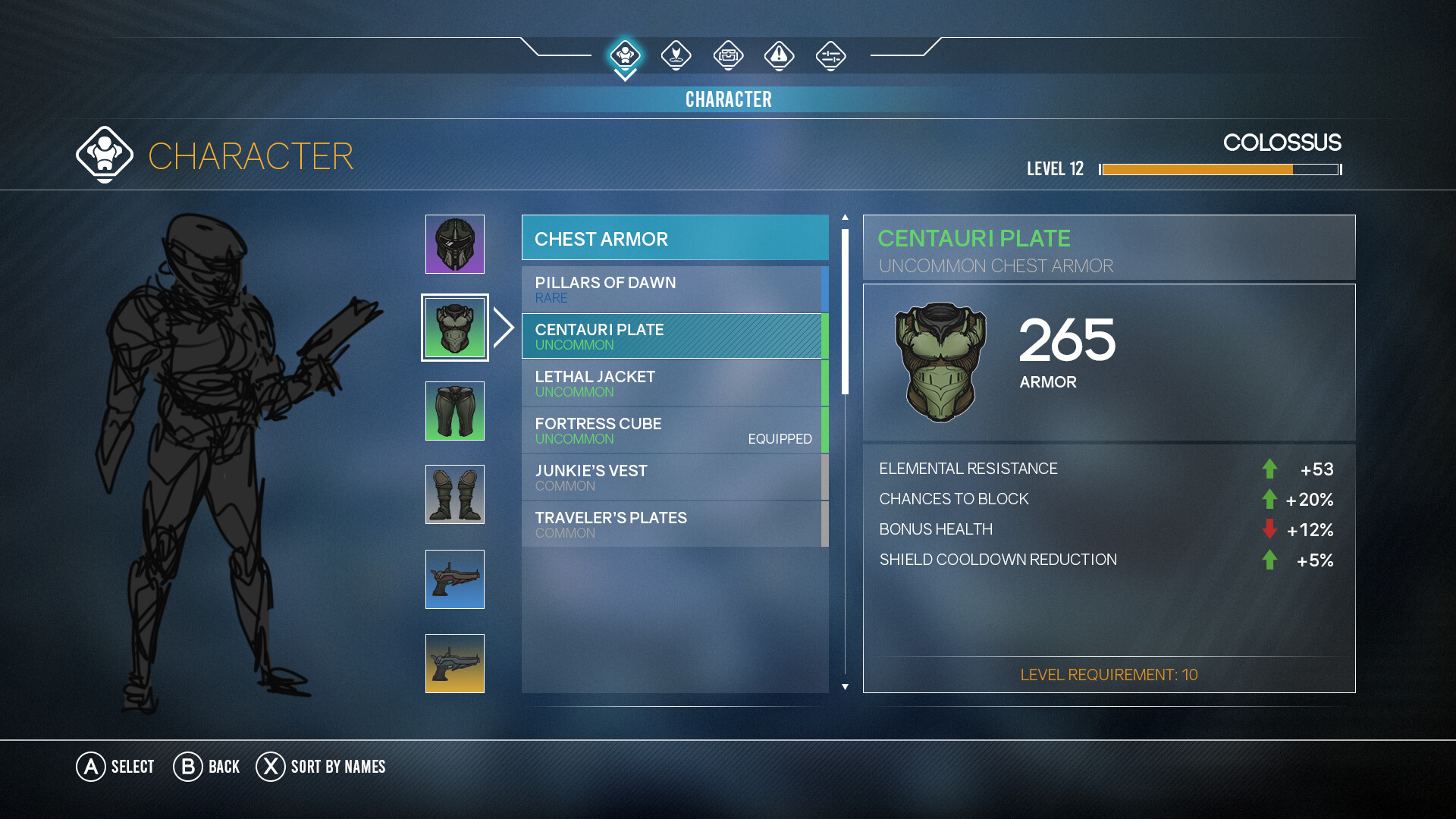
“Turn the void-dock welder into a tabletop class for a grimy orbital RPG. Armor should feel scavenged, not knightly. Give me core stats, three signature abilities tied to cutting torches and station politics, a starter loadout with narrative tags, and what ‘legendary’ gear would mean in this economy.”
Stories Across Novels, Games, and Screens
The same protagonist should be able to walk from a chapter to a panel to a scene without a personality transplant. Because agents share context, you can take a finished dossier into sequential art or a short-form script without re-explaining the character. That is the difference between a science fiction character creator and a one-off prompt: the person persists while the medium changes.
Platform pieces that make this practical: always-current models from major providers so you are not stuck on one house style; MCP tool connections for search, files, and references; unlimited conversation history so a crew bible does not evaporate; and custom agents when your setting’s physics, slang, or faction rules need to be law.
Specialized AI Agents for Science Fiction Character Creator Work
If you are building a full cast — not a single hero — these agents extend the same workflow into other formats and into the psychology that makes NPCs feel dangerous.
Comic Creator
When your sci-fi lead has to read in a single issue, sequential art is the test. Comic Creator is a comic-book artist for complete stories — panel flow, costume continuity, and graphic-novel scale — so a character’s silhouette, gear, and face remain recognizable from splash page to gutter. Use it after the dossier exists, not before.
- Dynamic layouts that sell scale: stations, mechs, vacuum
- Costume and prop continuity across issues
- Full-story craft from one-shots to sagas
Manga Creator
Manga-native sci-fi (the ship girl who is also the ship, the colony kid who pilots a relic) needs panel rhythm and style consistency that Western comic grammar will not automatically provide. Manga Creator works as a personal mangaka — one-shots to long serials — so character sheets, expressions, and mecha language stay in one hand.
- Visual storytelling and panel flow
- Consistent character art across long runs
- Serial structure for 200+ page epics
Webtoon Creator
Vertical, phone-first sci-fi lives or dies on a face, a cliffhanger, and a costume that still reads at two inches wide. Webtoon Creator is built for episode hooks, scroll rhythm, and full-color consistency — the right agent if your character is meant to be met on a commute, not a coffee table.
- Vertical-scroll pacing and episode endings
- Color and model consistency across long series
- Mobile-first character staging
Personality Analyzer
Sci-fi fails when every officer sounds like the same competent adult. Personality Analyzer synthesizes Big Five, MBTI, Enneagram, and attachment patterns so you can specify how someone decides under vacuum, mutiny, or first contact — then keep that pattern stable when the plot tries to flatten them.
- Integrative personality models, not a single quiz result
- Conflict styles and stress behavior you can write
- Patterns you can hand to other agents as canon
Deep Research
If your character is a xenobiologist, a fusion tech, or a sanctions lawyer for orbital habitats, vibe is not enough. Deep Research searches widely, synthesizes with inline citations, and returns usable briefings — so the person on the page has a job that would survive a skeptical reader.
- Multi-source research with citations
- Technical and institutional context for occupations
- Briefings you can drop straight into a character bible
Try Jenova free — no credit card required.
How It Works
Step 1: State the Character and the Medium Open the platform and say who you need and where they must work — novel, TTRPG, video game, comic, or pitch. Include constraints (word count, tone, player level, rating) so the first pass is usable, not decorative.
“I need a player-facing protagonist for a solarpunk heist game set on a flooded arcology. Tone is hopeful but broke. Output: 1-page bible plus three gameplay hooks.”
Step 2: Build the Inner Life Before the Armor Ask for motive, competence, shame, and relationships first. A science fiction character creator that starts with guns produces catalogs. One that starts with obligations produces scenes. Save the dossier; later agents will treat it as canon.
“Don’t describe the suit yet. Tell me what she owes, who she cannot face, and the professional shortcut that will get someone killed.”
Step 3: Lock Visual Language to Biography Hand the same dossier to your design agent and demand that every visual choice be justified: why this visor, why this wear pattern, why this color of warning stripe. Thumbnail silhouette first; ornament last.
“Design her work rig as a welder’s tool, not a superhero costume. Show damage from dock labor. Faction marks should look painted on by a union, not a brand studio.”
Step 4: Translate Into Systems or Script Pages If the project is a game, convert biography into stats, tags, and gear economies. If it is a comic or film, convert the same facts into panel beats or scenes. Do not invent a second character to make the mechanics interesting — change the mechanics.
“Map her cutting-torch expertise to a class kit. Legendary gear should be a banned industrial tool, not a glowing sword.”
Step 5: Iterate With Memory, Not a New Chat Stay in the same thread (or attach the bible) when you add a rival, a ship AI, or a sequel. Persistent memory is what stops Chapter 4 from contradicting Session 1. Adjust one variable at a time: politics, body, or kit — not all three.
Results & Use Cases
📊 Generation-Ship Novelist Building a Crew, Not a Chorus
- Scenario: You are drafting a generation-ship novel. You have a captain, an ecologist, a chaplain-statistician, and a hull-crawler. After 40 pages they all sound like you.
- Traditional Approach: Character worksheets, a world bible in another file, and weeks of rereading to catch voice bleed. Outside editorial help if you can afford it.
- Jenova: Run each crew member through the Creative Fiction Writer with a distinct obligation, dialect pressure, and professional jargon, then keep the ship’s rules in one memory so nobody invents a new hydroponics system in chapter nine.
- Distinct speech patterns tied to job and class
- Shared canon for life-support politics
- Scene-ready conflicts, not personality adjectives
💼 Indie Studio Pitching a Sci-Fi RPG Class
- Scenario: A three-person studio needs a vertical slice: one class, one armor set, one trailer-readable silhouette. Investors keep saying “it looks like every other space marine.”
- Traditional Approach: A writer’s one-pager, an artist’s concept pass, a designer’s spreadsheet — merged the night before the meeting.
- Game Designer Assistant: You walk in with a class fantasy, a loadout that tells a labor story (scavenged plate, industrial tools, faction tags), and copy that matches the art. Customization is treated as identity, consistent with what we know about how players inhabit avatars they helped shape.
- Class kit tied to a social role, not a DPS chart alone
- Gear tags that double as lore
- Pitch language and systems doc from the same source of truth
📱 Mobile Webtoon Lead Designed on a Commute
- Scenario: You are writing a vertical sci-fi romance about a courier who runs sealed packages through a plague district. You draft on your phone between stops.
- Traditional Approach: Notes app fragments, screenshots of other webtoons, and a character who changes hair, age, and job every episode.
- Jenova on iOS or Android: Same agents, full feature parity, speech-to-text if your hands are full. Sketch the episode hook, lock the face and jacket, and hand the packet to Webtoon Creator for scroll-native staging — without waiting until you are at a desk.
- Episode-sized character turns
- Costume continuity at thumbnail size
- Canon that syncs when you get home
🎯 Tabletop GM Casting a Cyberpunk Run
- Scenario: Saturday’s session needs a corp fixer, a burned ex-cop, and a teenager who lives in a drone. You have three hours.
- Traditional Approach: Recycled NPC names, stat blocks from a bestiary, voices that collapse by the second scene.
- Personality Analyzer plus writing agents: Each NPC gets a decision style, a tell under stress, and a want that intersects the party’s job. You sit down with playable people, not hats.
- Fast, psychologically distinct NPCs
- Stats that follow behavior
- Recurring cast that can survive a campaign
FAQ
What is a science fiction character creator?
A science fiction character creator is a workflow for inventing original sci-fi people — biography, voice, visual identity, and, when needed, game mechanics — so the same character holds up in prose, art, and play. On Jenova, that workflow is a set of specialized agents rather than a single generic chat. You can move from dossier to costume language to class kit without rebuilding the person each time.
Is Jenova’s science fiction character creator free?
Yes. Jenova has a free tier with core features and limited monthly usage, which is enough to test a full character packet. Paid plans increase usage and unlock options such as custom model selection. There is no requirement to enter a credit card to start. If you outgrow the free allowance, upgrade from inside the product rather than rebuilding your bible elsewhere.
How is an AI science fiction character creator different from a general chatbot?
A general chatbot will invent a cool name and a gun. A science fiction character creator has to keep culture, tech, psychology, and kit in agreement — and remember them next week. Jenova’s agents are domain-specific (fiction, design, game systems, comics), they retain long-running canon, and you can attach knowledge bases or tools. That is closer to a small specialist crew than to a blank prompt box.
Can I create sci-fi characters for games, not just novels?
Yes. Use the Game Designer Assistant for classes, economies, and loadouts, then keep the same biography in writing and visual agents so the playable build matches the person. Game research keeps showing that customization and identification are tightly linked; treating stats as storytelling is the point, not an extra. Tabletop, mobile RPG, and digital prototypes are all in scope.
Does a science fiction character creator work on mobile?
Jenova runs with full feature parity on web, iOS, and Android, including synced settings and speech-to-text. That matters for character work because ideas show up on trains and between sessions, not only at a desktop. You can capture a voice note, lock a visual constraint, and continue the same canon later without exporting a stack of files.
How do I keep sci-fi characters scientifically and socially plausible?
Separate vibe from job. Use Deep Research to brief the occupation, institution, or technology before you write dialogue. Then ask writing agents to obey those constraints: mass, budget, chain of command, who is allowed to touch the reactor. Plausible characters come from research mixed with specific human detail, not from denser jargon. If a teenager cannot explain the tech, the character probably cannot either.
Conclusion
A science fiction character creator is not a name generator with extra steps. It is the discipline of making one person true in three languages at once: the sentence, the silhouette, and the sheet. Most casts fail in the gaps between those languages.
Jenova closes the gaps with specialized agents — fiction, design, game systems, sequential art, and research — plus memory that treats your crew as canon instead of a forgotten chat. Whether you are drafting a generation-ship novel, pitching an RPG class, or serializing a webtoon on your phone, you can build heroes who look, speak, and play like they were always the same person.
Start with the Creative Fiction Writer for the inner life, the Graphic Designer for a look that argues the same thesis, and the Game Designer Assistant if they have to survive contact with a ruleset. Explore the full library at Jenova.
For Developers: Every science fiction character creator agent in this article is available programmatically via the Jenova API — integrate AI character writing, concept art, and RPG systems into your application with a single API call. Full documentation →