Roleplay Plot Twist Generator: AI Reversals for RPG Stories
2026-09-13
Game Designer Assistant helps you generate roleplay plot twists by turning a stalled campaign beat into a reversal that still fits your world, your characters, and your players' last decisions. While most sessions go flat when the next reveal feels obvious, this AI provides playable twists you can drop into tabletop, text RP, or branching stories the same night.
As of September 2026, demand for interactive narrative keeps rising — GMs, writers, and roleplayers need a roleplay plot twist generator that respects continuity instead of dumping random shocks.
✅ Instant reversals grounded in your existing lore ✅ Branching options that change what happens next ✅ Genre-fluent twists for fantasy, sci-fi, horror, and slice-of-life RP ✅ Prompt-to-playable beat in a single conversation
To understand why this matters, let's examine why good twists are so hard to invent on the fly — and why generic chat tools keep recycling the same "the mentor was evil" beat.
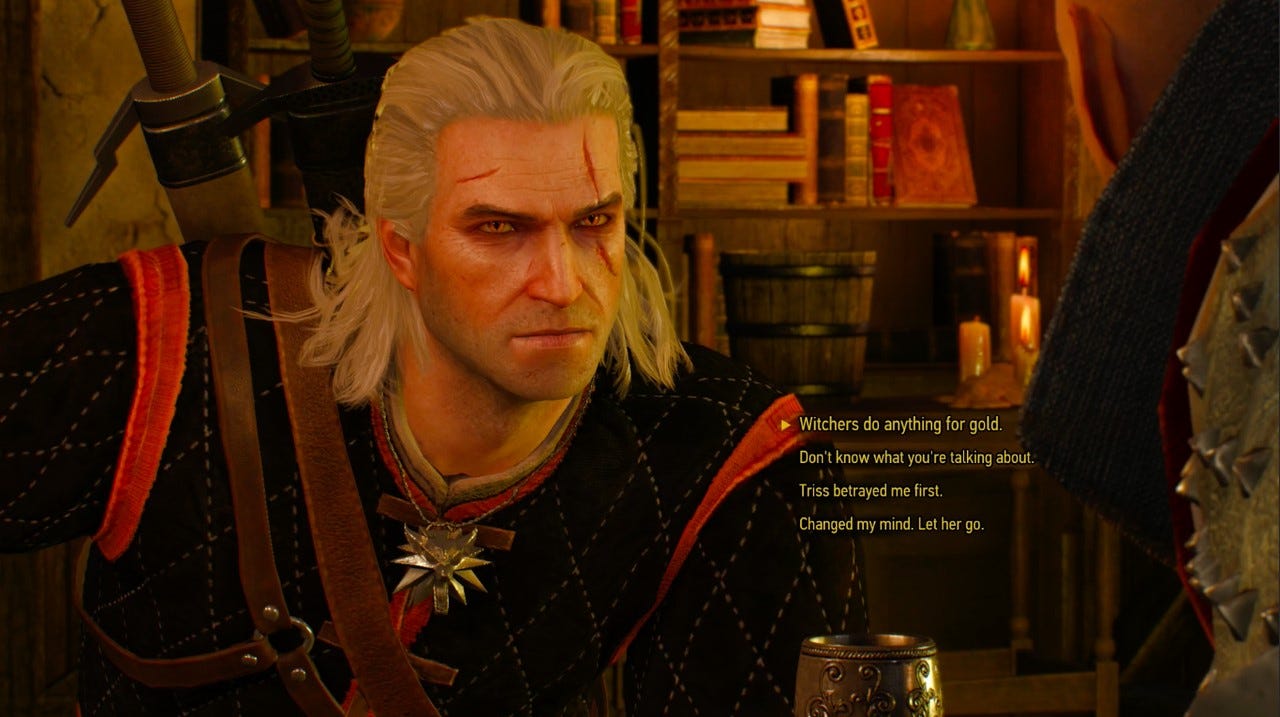
Quick Answer: What Is a Roleplay Plot Twist Generator?
Game Designer Assistant is a roleplay plot twist generator that turns your campaign facts into branching reversals you can run at the table or in text RP the same night. It designs the setup, the tell, and the fallout — not just a shocking sentence.
Key capabilities:
- Reversals derived from your NPCs, factions, and last-session recap
- Twist types tagged as identity, allegiance, world-rule, or time
- Fair-play clue lists so the reveal feels earned, not cheap
- Consequence maps that show how each choice reroutes the next scene
Why Most Roleplay Plot Twists Fall Flat
Players remember the session where the story flipped — the ally who was buying time, the relic that was a lock, the winter that was not weather. That hunger for interactive story is not a niche hobby mood. The [interactive storytelling platform market was valued at $4.8 billion in 2025](https://dataintelo.com/report/interactive-storytelling-platform-market) and is projected to reach $14.6 billion by 2034.
13.2% CAGR — Forecast growth for interactive storytelling platforms through 2034
Branching stories work because the audience does something. Gamebooks and branching narratives are a form of interactive literature in which the reader participates and choices affect the outcome. Tabletop GMs, Discord roleplayers, and indie narrative designers are all chasing that same feeling: a decision that cannot be undone with a shrug.
But inventing a twist that actually lands is frustratingly difficult:
- Recycled tropes (secret twin, evil mentor, "it was a dream") that experienced players call in the first act
- False choices that reconverge so hard nobody's decision mattered
- Continuity breaks that retcon a player's clever plan
- Time cost — writing real branches by hand eats the week you needed for maps, NPCs, and prep
Double replayability — Meaningful branching can double replayability and significantly reduce churn when choices carry weight
The "all choice, no consequence" trap
A twist that only changes how a scene feels is decoration. A twist that changes what the party can do next is structure. GDC narrative talks have spent years on this distinction: when a branch is superfluous, when it merely reroutes, and when it defines the ending. Roleplay is unforgiving here. Your players will test the new reality immediately — they will interrogate the NPC, check the ledger, or refuse the quest. If the reversal cannot survive that pressure, it was never a twist. It was a jump scare.
Why random generators fail canon
Generic chat tools optimize for surprise. Campaigns optimize for coherence. The second you paste a random "the king is a dragon" line into a political intrigue game, you create homework: retcon the last four sessions, invent new rules, and hope nobody remembers the autopsy. Research on player experience in RPGs keeps returning to the same tension — narrative control versus player authorship. A usable roleplay plot twist generator has to hold both: shock and the facts already on the table.
This is exactly what Game Designer Assistant was built for.
Why Game Designer Assistant Works as a Plot Twist Engine
Treat this AI design partner as a specialist sitting behind the screen with you, not as a slot machine for shocks. You feed it the world bible, the last recap, and the beat that feels too linear. It returns reversals that recontextualize what players already believe — which is the only kind of twist that feels expensive in a good way.
Interactive formats keep gaining share because audiences want to steer the story. Marketers now build choose-your-path narratives for the same reason GMs do: decisions create memory. The gap is production. A shortage of skilled narrative designers is already a constraint at the professional level. At the table, you are the narrative designer, and you have Thursday night.
| Traditional Approach | Game Designer Assistant |
|---|---|
| Hand-writing six branches before every session | Generate several canon-safe reversals in one pass |
| Recycled tropes pulled from memory | Twists derived from your NPCs, factions, and last recap |
| Shock first, continuity later | Setup, tell, and fallout that survive player interrogation |
| Branches that reconverge in the next room | Choices tagged as rerouting vs. ending-defining |
| Hours of outlining after work | A playable beat you can run tonight |
Four twist families that actually play
A useful generator does not only shout "plot twist." It picks a lever.
Identity. The person is not who the party named them. The bodyguard is the principal. The orphan is the warrant. Identity twists are cheap unless the new name was already in the fiction as a rumor, a seal, or a wrong assumption.
Allegiance. The help was real — the motive was not. Lady Veyra did save the village. She needed the village alive to finish a census for someone worse. Allegiance twists preserve player competence: they were right about the facts and wrong about the invoice.
World-rule. The map was accurate; the physics were not. Magic is taxed. The moon is a machine. Winter arrived because a god stopped breathing, not because the climate turned. These are the hardest twists to land and the most memorable when the clues were environmental.
Time. The scene already happened, is happening twice, or is a memory someone else is editing. Time twists punish prep if you use them as a get-out-of-plot card. Used sparingly, they reframe a failed quest as a warning you can still spend.
Fair play, not cheap heat
Ask the generator to list what observant players already know. If the answer is "nothing," the twist is a writer-only secret. Seed two clues backward — a wrong title on a letter, a festival that no longer matches the calendar — and the reveal becomes a reward for paying attention.
"Here's my campaign bible and last session recap. The party trusts Lady Veyra. Give me four plot twists that recontextualize her help without breaking established facts. Tag each as identity, allegiance, or world-rule, and list two clues I should have already seeded."
"I run a slow-burn sci-fi text RP. The crew just found a distress beacon. Generate three twists that keep the beacon true but change what 'rescue' means. Show how each choice affects the next scene, not just the mood."
"Stress-test this twist: the cleric's god is dead. What would careful players already have noticed? What breaks if the paladin used Divine Sense last session?"
When you need the reveal scene written as dialogue rather than as a design brief, Film Screenwriter can take the chosen reversal and turn it into a playable confrontation.
Related Agents You'll Also Find Useful
If you are building a campaign, a serialized RP, or a branching game, these tools sit one step upstream or downstream of the twist itself.
Film Screenwriter
Once you have the reversal, you still have to play it — the look across the table, the line that cannot be unsaid, the cut to the consequence. This screenwriting partner works through concept, outline, draft, and revision with a focus on structure, dialogue, and character.
- Turns a twist brief into a scene with entrance, turn, and button
- Keeps NPC voice consistent under pressure
- Flags reveals that play better as behavior than as speeches
Name Generator
Many twists fail on the last mile: the secret heir still sounds like a video-game extra. A naming specialist with cultural and linguistic range gives the revealed identity a name that could have been in the world all along.
- True names, aliases, house names, and false identities
- Linguistic fit for your setting instead of generic fantasy slurry
- Variants for the name players already heard, misspoken
Microdrama Screenwriter
Serialized text RP and episodic campaigns live on the hook at the end of the night. This partner is built for short-episode structure, cliffhangers, and paywall-aware pacing — useful even if you never shoot a vertical video.
- Session-end buttons that force a choice, not a fade-out
- 60–100 beat thinking for long campaigns
- Hooks that pay off the twist next time, not in a monologue now
Manga Creator
If the twist is visual — a sigil that was always in the background, a face under the helm — sequential art makes the reveal unforgettable. This mangaka partner handles panel flow and consistent style from one-shots to long serials.
- Reveal pages that withhold, then recontextualize
- Recurring visual tells you can seed before the turn
- Useful for VNs, play aids, and recap comics
Try it free — no credit card required.
How to Generate a Roleplay Plot Twist in Four Steps
Step 1: Dump the canon, not the vibe
Open your campaign design partner and paste the facts: who the party trusts, what they think they proved last session, and the beat that currently has only one road out. Specificity is the whole product. "Make it dark" produces a storm. "The tax collector paid the goblins in church silver" produces a schism.
"Setting: coastal city-state, no dragons on-screen yet. Last session the party saved Councilor Rheme from poisoning. They believe the vintner did it. I need a twist that makes the poisoning true but changes who benefits. Do not contradict the leftover vial they already tested."
Step 2: Name the lever you are willing to pull
Tell it which family you will allow — identity, allegiance, world-rule, or time — and which you will not. If your table hates dream sequences, ban them. If divine magic has been reliable for eight sessions, a "gods were fake" twist needs more than a paragraph of cover.
"Allow allegiance and identity twists only. Ban amnesia, 'it was a simulation,' and secret twins. The paladin's player is invested in the oath being real."
Step 3: Demand fallout, not fireworks
For every candidate, require three outputs: the sentence you can say at the table, the clue that was already in the world, and the decision it creates next. If the only fallout is "everyone gasps," discard it. Finding a branching structure that does not triple your workload is the professional version of this same step.
"For each twist, give me: 1) the reveal line in NPC voice, 2) two fair-play clues already available, 3) three player moves and how the world answers each, 4) whether this reroutes the quest or defines the campaign ending."
Step 4: Stress-test against your smartest player
Ask what breaks. Divine Sense, a Speak with Dead from two weeks ago, a screenshot in the Discord RP, the map you already handed out. Then pick one twist and write the first three lines of the scene. If you need names for the unmasked faction, bring in the naming consultant before you print the handout.
Results & Use Cases
📊 Mid-campaign tabletop stall
Scenario: Your Saturday group has outmaneuvered the "bandit warlord" plot. They expect a siege. You have four hours and no siege.
Traditional Approach: Panic-skim a module, or stall with a tavern brawl that wastes a night.
Game Designer Assistant: You paste the recap. It offers an allegiance twist: the warlord has been paying the "bandits" to keep trade on his road. The siege is optional. The real session is a ledger, a hostage who does not want rescue, and a vote at the table.
- Preserves player competence (they did beat the warlord's plan)
- Creates a political decision instead of another combat
- Gives you a villain who can survive and come back smarter
💼 Long-running text roleplay
Scenario: A Discord romance RP has gone kind. Chemistry is high. Stakes are air.
Traditional Approach: A sudden betrayal that ignores six months of logs and blows up trust between writers.
This plot twist generator: You constrain it — no amnesia, no secret twin, keep the romance intact. It returns a world-rule twist: the city curfew is not a law, it is a binding. The love interest already walks at night because they are part of the lock. The conflict becomes "do we break the city to be free," not "I lied about my job."
- Respects the other writer's character
- Uses existing scenes as clues
- Hands you a next-post hook instead of a rant
Pair the reveal post with episode-style cliffhanger craft if you serialize weekly.
📱 Oneshot prep on a phone
Scenario: You agreed to run a two-hour horror oneshot tomorrow. You are on a train. You have a title and three first names.
Traditional Approach: Recycle the same haunted-house beats or cancel.
Game Designer Assistant: Voice or type the constraint: one location, three NPCs, one twist that recontextualizes the invitation. It builds an identity twist (the host is the previous party's survivor) plus a physical tell you can act without props.
- Entire loop works on iOS and Android
- You leave the train with a reveal line and two clues
- Players get a complete story, not a half-dungeon
🎯 Branching game or visual novel
Scenario: You are prototyping a short VN. Every path currently dies in the same boss fight.
Traditional Approach: Duplicate scenes and change the flavor text. Players notice. Education research on branching stories keeps highlighting that the form only teaches — and only entertains — when paths are real.
The design partner: You ask for two defining branches and one fake branch to cut. It keeps the boss, changes the reason the boss cannot stand down, and tells you which player choice should lock the ending. Then Manga Creator can board the reveal page so the new information is visual, not a wall of narration.
- Cuts wasted writing before you draw it
- Makes NG+ worth running
- Aligns with how interactive platforms now lean on AI to personalize branches
Up to 38% — Engagement lift reported in 2025 by interactive platforms with embedded AI
FAQ
What is a roleplay plot twist generator?
A roleplay plot twist generator is a tool that proposes story reversals for tabletop games, text RP, and branching narratives — then shows how those reversals change the next decision. Game Designer Assistant is built for that job: it reads your canon, offers identity, allegiance, world-rule, or time twists, and stress-tests them against what players already know so the reveal feels earned.
Is Game Designer Assistant free?
Yes. You can use it on the free tier with no credit card. Paid plans raise monthly usage if you run long campaign bibles, many branches, or daily prep. Start on free, paste one recap, and see whether the first four reversals are already better than the trope you were about to use.
Can this generate D&D, Pathfinder, and system-neutral twists?
Yes. System math is optional context, not a requirement. Paste the fiction — oaths, factions, what the party proved — and specify the rules that would contradict a twist (Divine Sense, a successful Insight check, a prophecy already read aloud). System-neutral text RP works the same way: logs in, constraints in, playable reversal out.
How is this different from a generic chatbot?
A generic chatbot optimizes for a surprising sentence. This specialist optimizes for a surprising structure. You get tagged twist families, fair-play clues, and consequence maps, not a paragraph that ignores last session. While a general model can list tropes, the screenwriting partner and this design assistant stay in craft mode: setup, turn, fallout, and the line an NPC can actually say.
Does a roleplay plot twist generator work on mobile?
Yes. Full feature parity across web, iOS, and Android means you can generate a oneshot twist on a commute and run it the same night. Speech-to-text helps when your hands are full of minis or you are walking through the grocery store dictating last session's recap.
Will the twists stay consistent with my world's canon?
They stay consistent to the degree you paste canon and name the bans. The model cannot remember a binder you never uploaded. Attach the bible, list sacred facts ("the queen is dead and the party has the body"), and ask for a contradiction check. If a twist needs a new name or house, generate that identity with the naming consultant so the unmasking sounds like it belonged on the first page.
Conclusion
Stale campaigns rarely lack ideas. They lack reversals that honor what the table has already proven. A roleplay plot twist generator is only useful if it can recontextualize facts, survive interrogation, and force a new decision — the same standard branching narratives use when a choice is allowed to change the ending.
Game Designer Assistant does that work with you: dump the recap, pick the lever, demand fallout, cut the cheap heat. Use it for Thursday-night D&D, a Discord slow burn, a train-ride oneshot, or a visual novel that needs paths worth replaying.
Try Game Designer Assistant now. Explore more at Jenova.
For Developers: Game Designer Assistant is available programmatically via the Jenova API — integrate campaign-aware plot twist generation into your application with a single API call. Full documentation →