Monster Hunter Roleplay AI: Adaptive Hunts and Living Worlds
2026-08-29
Roleplay Game Master helps you run a living Monster Hunter campaign by acting as a persistent AI game master — tracking your hunter, your Palico, every cart, and every elder dragon that still owes you a rematch. While generic chatbots drop your village rank the moment the context window fills, this Monster Hunter roleplay AI keeps the Guild, the locale, and the monster ecology intact across sessions. As of August 2026, hunters who want more than a one-off Rathalos prompt finally have a table that does not forget the last hunt.
✅ Persistent hunter identity, gear, and village rank across unlimited sessions ✅ Monster ecology, turf wars, and investigations that react to what you actually did ✅ Weapon-accurate combat narration — great sword commits, bow kites, lance holds ✅ Works on web, iOS, and Android so a hunt can start on a commute and finish at home
To understand why this matters, look at what Monster Hunter fans are actually asking an AI to do: not a paragraph of flavor text, but a campaign. They want a Handler who remembers the failed Diablos capture, a smithy that still has that ore on layaway, and a monster that changes behavior because you broke its wing last week. That is a memory problem, a consistency problem, and a game-mastering problem — not a chatbot problem.
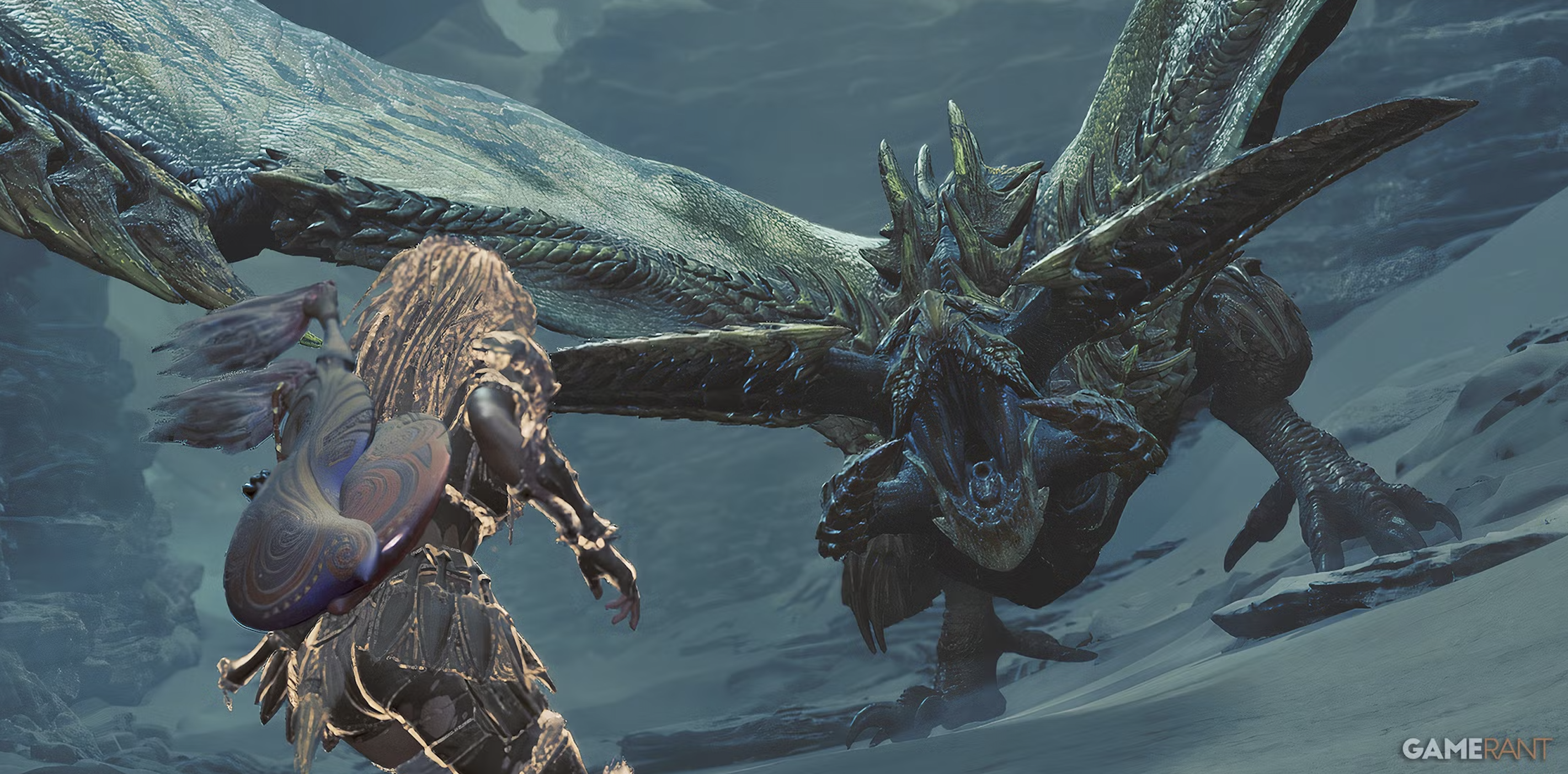
Quick Answer: What Is Monster Hunter Roleplay AI?
Monster Hunter roleplay AI is a persistent game-master tool that runs custom hunts, tracks your hunter's story, and keeps NPCs consistent so every session continues the same campaign. It is built for hunters who want a living world, not a disposable prompt.
Key capabilities:
- Unlimited campaign memory — your hunter, Palico, village, and kill record persist
- Adaptive monster behavior based on prior hunts, breaks, and captures
- Weapon- and locale-aware encounters you can play solo or as a hunting party
- Complete creative freedom: canon-inspired locales or original New World commissions
The Problem With Monster Hunter Roleplay Today
Hunting games already command a huge audience. The Entertainment Software Association reports that more than 205 million Americans play video games, and the global games market was valued at $322.6 billion in 2025**](https://www.grandviewresearch.com/industry-analysis/video-game-market). Narrative-driven platforms alone were estimated at [**$12.4 billion in 2025. Players are not short on worlds. They are short on worlds that listen.
89% of game developers — share who say AI is changing what players expect from games, according to Google Cloud research conducted with The Harris Poll
That expectation is specific for Monster Hunter fans. They want NPCs that remember earlier hunts, monsters that respond to context, and a campaign that accumulates like a real Guild log. But getting that from a general-purpose chatbot is frustratingly difficult:
- Context windows wipe your hunter's rank, armor set, and unfinished investigations
- "Rathalos" becomes a generic fire dragon with no ecology, turf war, or breakable parts
- NPCs drift — the Handler's voice, the smithy's inventory, and your Palico's personality reset
- Combat reads like a novel, not a hunt: no stamina, no positioning, no cart consequences
- Multi-session campaigns collapse because the AI cannot hold a kill record or a grudge
Memory Is the Real Cart
A 2026 survey of AI-native games found that when a model forgets prior decrees, relationships, or resource changes, player actions stop accumulating into a reliable game state — strategy turns into prompt maintenance. Monster Hunter roleplay is unusually punishing here. If the AI forgets you already captured the Anjanath, the next "investigation" is nonsense. If it forgets your Insect Glaive, it starts narrating great-sword charged slashes. Hunters end up pasting recap documents into every new chat, which is the opposite of immersion.
Generic Fantasy Is Not a Hunt
Monster Hunter is not a dungeon crawl with a dragon reskin. Ecology, locale, and weapon matchup are the gameplay. A useful Monster Hunter roleplay AI has to know why you flash a flying wyvern, why you bring dung pods to a turf war, and why a Lance user does not play like a Dual Blades user. Most chat models will improvise something that sounds like a hunt for three turns, then collapse into generic high-fantasy combat.
Player Standards Have Moved
Studios already feel the pressure. Around 20% of new Steam games disclosed AI use by mid-2025 — double the year before — and 90% of games developers report using AI in their workflows. Players, meanwhile, are quick to reject shallow AI bolted onto a game. They are not asking for generated loot tables. They are asking for a Game Master who does not forget the village.
This is exactly what Roleplay Game Master was built for.
Why Roleplay Game Master
Roleplay Game Master is a dedicated roleplay engine with unlimited memory and strict character consistency. You define the hunter, the locale, the tone — canon-inspired Ancient Forest, a Kamura-style village, or an original Research Commission — and it runs the table. It does not treat your campaign as a fresh prompt every night. It treats it as a continuing hunt log.
| Traditional Approach | Roleplay Game Master |
|---|---|
| Recap your hunter, gear, and last cart at the start of every chat | Unlimited memory — the Guild already knows who you are |
| Generic "dragon fight" with no ecology or breakable parts | Locale-aware hunts with turf wars, captures, and monster behavior that evolves |
| NPCs drift in voice, inventory, and relationship | Persistent Handler, smithy, Palico, and village rank |
| Combat as prose with no stamina, positioning, or faint rules | Weapon-accurate encounters with consequences that carry into the next quest |
| Campaign dies when the thread gets long | Cross-session continuity for multi-week (or multi-month) hunter stories |
A Game Master That Holds the Table
The difference shows up in the second session, not the first. Anyone can describe a Rathalos. A Monster Hunter roleplay AI has to remember that you already broke the fire sac, that your Palico is still recovering, and that the village will not post a 7-star investigation until you finish the optional gathering quest. Unlimited conversation memory means those details stay in play without you pasting a wiki into the prompt.
Combat That Plays Like a Hunt
Ask for a Lance vs. Barioth on ice, and the table should care about blocking, positioning, and the monster's enrage — not a floating paragraph of "you strike the beast." You can set house rules (faint limit, capture only, no palico healing) and the GM enforces them. That is closer to sitting with a skilled Keeper than chatting with a autocomplete window.
Creative Freedom Without Losing the Genre
Want a canon-flavored High Rank climb? It will run it. Want an original elder dragon that nests in a flooded keep and hates flash pods because of a prior hunt? It will run that too. The constraint is consistency, not permission. You stay in control of tone, content, and how close the table sits to the games you already love.
Example briefs you can drop in on day one:
"Start a Monster Hunter campaign. I'm a Lance user out of Kamura Village. Generate my Palico, the smithy, and a 3-star assignment in the Shrine Ruins. Remember every hunt I complete, including carts and captures."
"You are the Guild Handler. I just fainted twice against a tempered Rathalos in the Ancient Forest. My great sword is chipped and I'm poisoned. Give me the debrief, the repair costs, and the next investigation that actually matches my current rank."
"Run a four-hunter party hunt vs. a new elder dragon in a snowy caldera. I am the Insect Glaive user. Track part breaks, turf wars, and who carts. Do not summarize — play the encounter turn by turn."
Related Agents You'll Also Find Useful
If the hunt is only one piece of how you play Monster Hunter, these agents cover the rest of the bench.
Game Designer Assistant
If you are building original monsters, weapon trees, or a homebrew locale instead of just playing one, Game Designer Assistant is the systems partner. It helps you spec ecology, move sets, hitzones, and progression so your Roleplay Game Master table has a coherent bestiary instead of a pile of vibes.
- Ecology-first monster design (habitats, turf wars, tell telegraphs)
- Weapon and armor loop planning that matches hunting-game feel
- Documentation you can drop straight into a campaign bible
Manga Creator
Finished a hunt worth chronicling? Manga Creator turns the session log into pages — panel flow, character sheets, and a consistent hunter design from the first cart to the elder-dragon carve.
- Hunt recaps as one-shots or serialized village chronicles
- Consistent hunter, Palico, and monster silhouette across pages
- Useful when you want a visual kill board, not just a chat transcript
Learn Japanese Through Roleplay
Monster Hunter's texture is Japanese — hunter ranks, canteen calls, monster names, smithy banter. Learn Japanese Through Roleplay lets you run Guild-hall scenes as language practice, so the next time your GM drops a canteen line or a quest title, you actually catch it.
- Hunting-hall and village scenarios instead of textbook drills
- Vocabulary anchored to gear, monsters, and quest boards
- Tone and speech-level practice that fits a Guild setting
Try Roleplay Game Master free — no credit card required.
How It Works
Step 1: Brief Your Hunter and Locale Open a session and state the non-negotiables: weapon, village, rank, tone, and how close you want to sit to the games. The more specific the brief, the tighter the table. You can also attach notes — a gear list, a custom monster doc from Game Designer Assistant, or last week's hunt log.
"New campaign. Female hunter, Hunting Horn, Research Commission, High Rank. Serious tone, no comedy Palico. Start in Astera. I want ecology-accurate hunts and a faint limit of three."
Step 2: Take the Quest Ask for a board, an investigation, or a story assignment. Specify capture vs. slay, locale, and whether you want gathering side objectives. The GM should post the quest like a Guild handler — rewards, time, faint limit — then drop you at camp.
"Post three optional quests and one assigned hunt appropriate for HR 8. I need more Rathalos parts. Do not send me at an elder dragon yet."
Step 3: Play the Encounter Hunt turn by turn or in short action bursts. Call your weapon moves, items, and positioning. A good Monster Hunter roleplay AI tracks stamina, enrage, part breaks, and when a monster limps toward its nest. If you cart, it should cost you — not reset the scene as if nothing happened.
"I sheath, drink a mega potion behind the vine wall, then unsheathe for a true charged slash as it lands. If the head is already broken, I go for the wing."
Step 4: Debrief, Craft, and Continue After the carve or the capture, run the return: rewards, smithy upgrades, Handler debrief, village rank, and the next investigation. Because memory persists, you can close the app and pick up tomorrow with the same broken armguard and the same unfinished optional.
"We captured it. Take me back to the smithy, update my armor set with the new plates, and tell me what the Handler wants next. Keep the limp on my hunter until I rest."
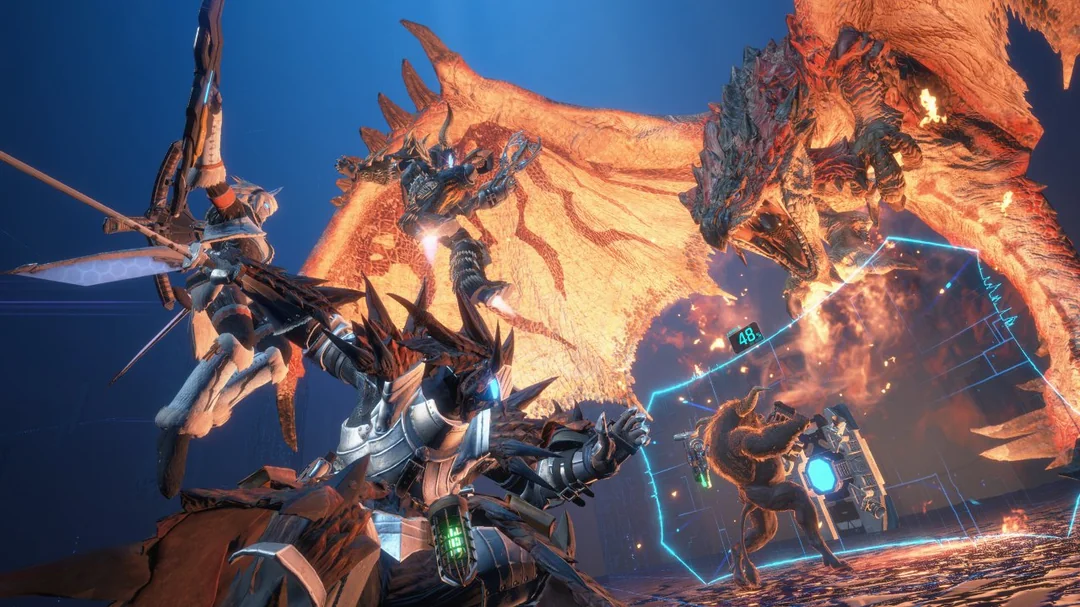
Results & Use Cases
🎯 Persistent Solo Hunter Campaign
Scenario: You want a High Rank climb that lasts weeks — same hunter, same Palico, same unfinished optional list — without rebuilding the village every night.
Traditional Approach: Paste a recap into ChatGPT, watch the Handler's voice drift by turn ten, and lose the kill record when the thread gets long.
Roleplay Game Master: The Guild already has your hunter on file. Carts, captures, and smithy upgrades carry forward so the next investigation is a consequence, not a reroll.
- Unlimited memory across sessions
- NPC voice and inventory stay stable
- Rank gates that actually gate
📊 Homebrew Elder Dragon With Real Ecology
Scenario: You designed a storm-nesting elder dragon and want to hunt it, not just read the lore doc.
Traditional Approach: A chatbot describes a "very big lightning dragon" and ignores the hitzones, turf war, and tell patterns you wrote.
Roleplay Game Master + Game Designer Assistant: Spec the monster's ecology and move set first, then drop that bible on the table. The hunt respects the document — including the limp threshold you defined.
- Ecology and combat stay aligned
- Original locales without losing hunting-game structure
- A campaign bible that the GM actually uses
📱 Hunt on Mobile Between Quests in the Real Game
Scenario: You are on a train, between actual Monster Hunter sessions, and you want a 20-minute investigation — not a novel.
Traditional Approach: A desktop-only chatbot or a thread you cannot stand to type on a phone.
Roleplay Game Master: Full feature parity on iOS and Android, including voice-to-text, so you can call a flash pod and a mount attempt without sitting at a keyboard. Pick it up on web when you get home.
- Short investigations that still persist
- Speech-to-text for combat calls
- Same hunter state across devices
🖌️ Chronicle the Hunt as Manga
Scenario: Your party finally capped a custom elder dragon and you want pages, not just a chat export.
Traditional Approach: Screenshots of a wall of text, or a commission queue you will never send.
Manga Creator: Feed the session beats — the cart, the mount, the carve — and get a one-shot with consistent hunter armor and monster silhouette.
- Visual kill board for the hunting party
- Serialized village chronicles between hunts
- Character sheets that match the campaign
FAQ
What is the best Monster Hunter roleplay AI?
The best Monster Hunter roleplay AI is one that remembers your hunter, enforces hunt structure, and does not reset the village between sessions. Roleplay Game Master is built for that: unlimited memory, consistent NPCs, and complete creative freedom so you can run canon-inspired locales or original commissions without babysitting a recap prompt.
Is Roleplay Game Master free?
Yes. You can start a hunt on the free tier with no credit card. Paid plans increase usage if you run long campaigns or multiple tables. Core features — memory, roleplay, and mobile access — are available without a subscription, so you can test a full investigation before you commit.
How is this different from ChatGPT or Character.AI for Monster Hunter roleplay?
General chatbots can improvise a hunt for a few turns. They struggle when the campaign needs a kill record, a smithy inventory, and a Handler who still remembers last week's cart. Roleplay Game Master is a dedicated game-master agent with unlimited conversation memory and character consistency, so the table behaves like a continuing Guild log rather than a disposable scene.
Can a Monster Hunter roleplay AI run multiplayer-style party hunts?
Yes. Brief it as a four-hunter quest, assign weapons, and ask it to track part breaks, carts, and who gets the mount. It will not replace a live Discord party for voice chaos, but it will GM a structured hunt with distinct hunter roles — useful for solo players who still want a hunting-party feel, or for groups that pass a shared campaign thread.
Does Monster Hunter roleplay AI work on mobile?
Yes. Sessions run on web, iOS, and Android with the same hunter state. Voice-to-text is useful mid-hunt when you would rather call "flash pod, then cluster the head" than type it. A commute investigation can continue on desktop without rebuilding the quest.
Will it remember my hunter across sessions?
That is the point of using a persistent Monster Hunter roleplay AI instead of a fresh chat. Roleplay Game Master keeps hunter identity, gear, NPCs, and prior hunts available in later sessions, which is the failure mode most general models hit once a campaign gets long. You should still write a short "house rules" brief once; you should not have to paste a novel every night.
Start the Next Hunt With a Table That Remembers
Monster Hunter roleplay fails when the world resets. Generic chat can describe a dragon. It cannot hold a village, a weapon, and a grudge. Roleplay Game Master is the Monster Hunter roleplay AI that treats your hunter as a continuing campaign — adaptive hunts, living NPCs, and a Guild that still has your name on the board.
Brief the weapon. Post the quest. Cart if you have to. The next investigation will still know who you are.
Try it now, then explore more at Jenova.
For Developers: Roleplay Game Master is available programmatically via the Jenova API — integrate persistent, hunt-structured roleplay into your application with a single API call. Full documentation →