Free AI for Webtoon Creation: Master Vertical Scroll Comics Without Breaking the Bank
2026-02-22
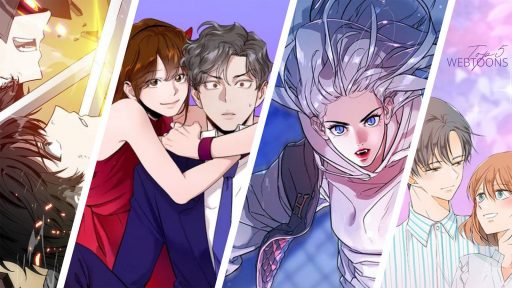
Looking for a free AI for webtoon creation? Webtoon Creator AI delivers professional-quality vertical scroll comics without the crushing production costs that have historically gatekept the industry. Instead of spending $60,000+ on a single pilot episode or burning out from weekly full-color production demands, you can generate consistent characters, scroll-optimized panels, and platform-ready exports—all while focusing on what matters most: your story.
Why over 35,000 creators have chosen this free approach:
- ✅ Character reference sheets that prevent visual drift across 100+ episodes
- ✅ Scroll rhythm optimization with strategic "thumb stop" moments
- ✅ Six professional art style templates (Romance/Drama, Action/Fantasy, Horror/Thriller, and more)
- ✅ Platform-ready exports for LINE Webtoon, Tapas, and Lezhin
- ✅ No credit card required to start creating
The global webtoon market is experiencing explosive growth. According to Mordor Intelligence, the market is expected to grow from USD 10.85 billion in 2025 to USD 14.44 billion in 2026, reaching USD 60.25 billion by 2031—a staggering 33.1% CAGR. Yet professional webtoon production remains prohibitively expensive for independent creators. Free AI tools like Webtoon Creator are democratizing access to professional vertical scroll production that previously required expensive studio teams or years of specialized training.
Quick Answer: What Is Webtoon Creator AI?
Webtoon Creator AI is a free vertical scroll storytelling assistant that generates professional webtoon episodes with consistent art styles, character designs, and scroll-optimized panel compositions through guided beat-by-beat creation.
Unlike generic image generators that produce disconnected panels, this free AI understands webtoon-specific elements: vertical rhythm and pacing, panel width variation for emotional impact, the "scroll pause" technique, and the grammar of mobile-first sequential art. It maintains character consistency across hundreds of panels using reference sheets and style exemplars.
Key capabilities:
- Beat-by-beat generation with narrative continuity tracking
- Six distinct art style templates matching major webtoon traditions
- Automatic character reference sheet creation for visual consistency
- Scroll rhythm optimization based on story beats and emotional peaks
- Platform-specific export settings for major webtoon services
The Cost Barrier: Why Free Webtoon Creation Tools Matter
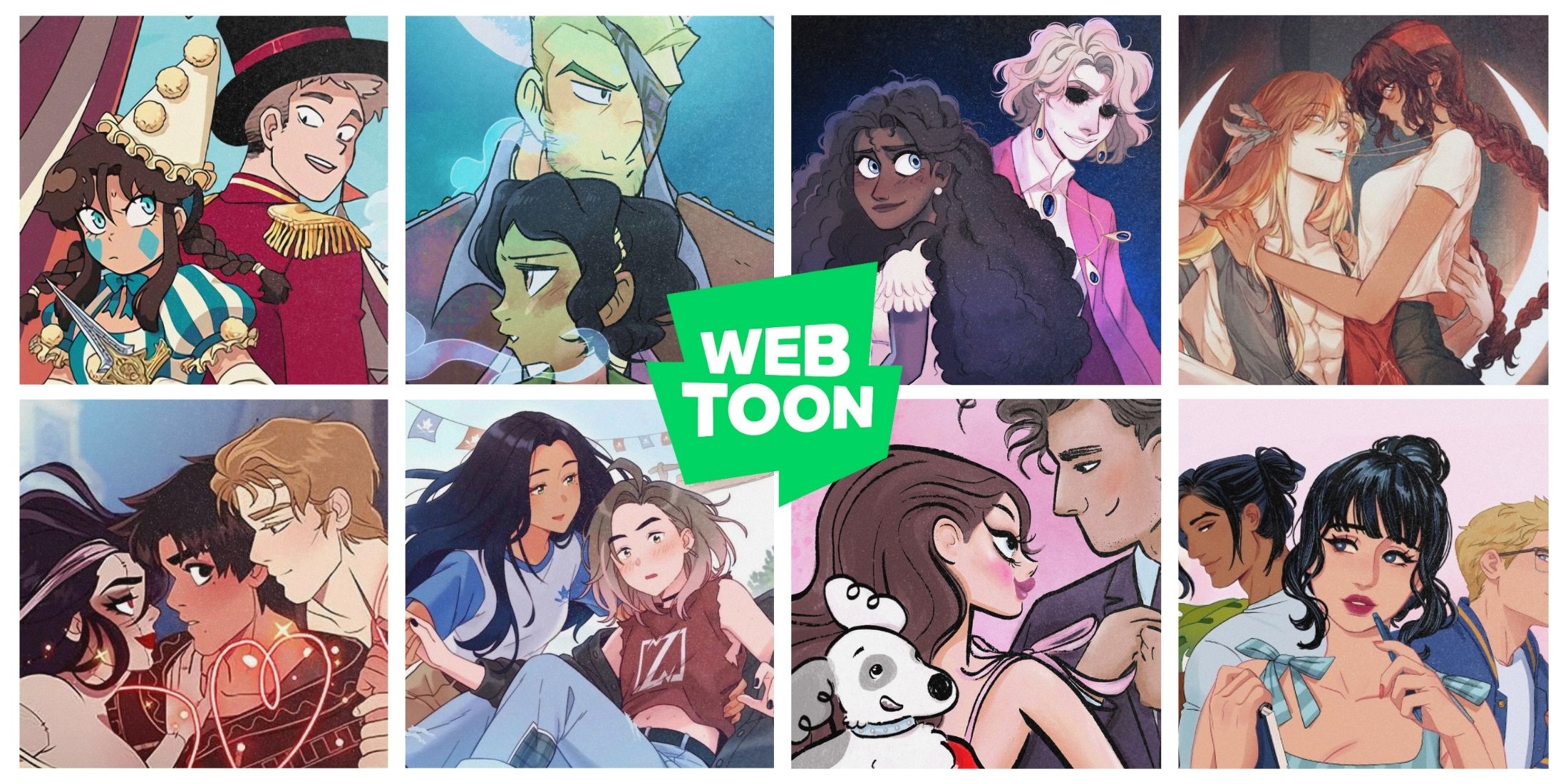
Creating webtoons requires mastering a fundamentally different visual language than traditional comics—one optimized for smartphone scrolling rather than page turning. The barriers are substantial and expensive.
💰 The Crushing Production Economics
Professional webtoon creation remains prohibitively expensive for independent creators:
| Production Method | Typical Cost |
|---|---|
| Mid-tier studio pilot episode (2024) | $60,000 |
| Flagship launch budget (2025) | $200,000+ |
| Professional webtoon artist team | $5,000-$15,000/month |
| Art school training | $30,000-$150,000+ |
According to Mordor Intelligence, content budgeting has escalated dramatically as studios bet that advertising, micro-payments, and adaptation fees will recoup the outlay. This economic reality excludes most independent creators from competing at professional quality levels.
74.2% of webtoon reading time occurs on mobile phones, making vertical scroll optimization essential for reaching modern audiences. Source: Mordor Intelligence
😰 The Burnout Crisis
The webtoon industry's high-frequency serialization model creates significant creator burnout. According to analysis by Posting Nexus, "Concerns around creator-driven labor issues, including unfair payments and burnout, are some of the biggest obstacles" facing the industry.
South Korea alone counted 12,000 professional webtoon artists in 2024—many working with assistants to maintain quality and consistency. Independent creators rarely have access to the resources that professional studios use to maintain quality while meeting demanding weekly schedules.
What Free Alternatives Typically Lack
Most free webtoon creation resources come with significant limitations:
- Generic image generators: Produce disconnected panels without vertical scroll optimization
- Free app tiers: Heavily restricted features, constant upsell pressure, watermarks
- Basic drawing tools: Require artistic skill most storytellers don't have
- Template-based tools: Limited customization, no character consistency systems
Webtoon Creator AI addresses these gaps by providing structured workflows, character consistency systems, and scroll rhythm optimization—the elements that separate professional webtoons from amateur attempts—without requiring payment.
The Unique Grammar of Vertical Scroll Storytelling
Creating webtoons requires mastering a fundamentally different visual language than traditional comics. As explained by CLIP STUDIO TIPS, "In a Webtoon-style comic, panels are arranged in a mostly vertical order, with more space in between them, to accommodate for the smaller display size."
According to Matt Reads Comics, "A vertical scroll comic gets to play with timing, pacing, and readers' expectations in ways that traditional webcomics and even print comics cannot, creating a uniquely compelling reading experience."
📱 The Mobile-First Reality
This mobile-first reality means creators must design for thumb-scrolling on phones—a completely different experience than page-turning in print comics:
| Traditional Comics | Vertical Scroll Webtoons |
|---|---|
| Page-turn pacing | Scroll-based rhythm |
| Fixed panel layouts | Variable panel widths for emotion |
| Black-and-white acceptable | Full-color expected |
| Desktop/print optimized | Mobile-first design |
| Simultaneous panel viewing | Sequential reveal through scrolling |
🎯 The Consistency Challenge
Perhaps the most demanding aspect of webtoon creation is maintaining visual consistency across long-running series. Characters must look identical across hundreds of panels, color palettes need to remain accurate, and art styles must stay cohesive throughout potentially years of serialization.
Professional webtoon studios solve this through detailed character sheets, style guides, and dedicated teams. According to Mordor Intelligence, a mid-tier Korean firm introduced AI panel re-composition in September 2024 that trims color flattening time by 30%, shortening weekly schedules—demonstrating how AI tools are becoming essential for sustainable production.
How Free AI Solves These Problems
Webtoon Creator AI addresses every major barrier to webtoon production through a structured workflow that combines AI generation with professional webtoon methodology.
| Traditional Approach | Free AI Webtoon Creator |
|---|---|
| $60,000+ per pilot episode | Unlimited episode generation |
| Years mastering vertical scroll techniques | Guided creation with scroll rhythm optimization |
| Weekly burnout from full-color production | Beat-by-beat generation with quality gates |
| Manual consistency tracking across episodes | Automatic reference system with character versioning |
| Platform specs require separate workflows | Built-in presets for LINE Webtoon, Tapas, Lezhin |
Professional Methodology, AI Execution
The tool doesn't just generate images—it implements the same structured approach used by professional webtoon studios:
Reference Image System: Every project begins with establishing visual anchors. The AI generates style exemplars and character reference sheets before any story beats, ensuring consistency from the first panel to the last.
Scroll Rhythm Mapping: Before generating any episode, the system plans "thumb stop" moments, vertical white space placement for dramatic beats, and panel width variations—the core grammar of vertical scroll storytelling.
Quality Gates: Each generated beat undergoes automatic review against criteria including character consistency, scroll flow, narrative coherence, and style adherence. Failed generations are discarded and regenerated—you only see results that meet professional standards.
Step-by-Step: Creating Your First Webtoon Free
Getting started with Webtoon Creator AI takes minutes, not hours of setup or payment processing.
Step 1: Project Setup
Begin by establishing your webtoon's foundation. Define your title, genre, tone, target episode count, and episode length (panel count per episode). The AI guides you through character creation, helping you develop detailed descriptions including physical appearance, personality traits, relationships, and speech patterns.
Step 2: Style Selection
Choose from six professional art style templates:
| Template | Best For | Visual Signature |
|---|---|---|
| Romance/Drama | Romance, drama, slice-of-life | Soft cel-shading, pastel palettes, sparkle effects |
| Action/Fantasy | Action, fantasy, isekai | Bold colors, dynamic effects, dramatic lighting |
| Horror/Thriller | Horror, psychological | High contrast, desaturated palettes, atmospheric shadows |
| Comedy/Gag | Comedy, parody, wholesome | Simplified designs, exaggerated expressions |
| Slice-of-Life | Daily life, food, healing | Warm colors, cozy atmosphere, gentle expressions |
| Stylized/Artistic | Experimental, art-forward | Unique personal style—painterly, sketchy, minimalist |
Step 3: Reference Generation
Before creating story beats, this free AI tool generates essential reference materials:
- Style Exemplar — A dedicated vertical strip establishing your visual language
- Character Reference Sheets — All significant characters in neutral poses with labeled features
- Color Palette Reference — Locked colors for project consistency
- Location References — Recurring important locations (as needed)
These references anchor every subsequent generation, preventing the character inconsistency that typically plagues AI art projects.
Step 4: Episode Planning
For each episode, the AI creates a structured plan:
- Episode Outline — Beginning, middle, end, and cliffhanger hook
- Beat Breakdown — Dividing the episode into 5-10 panel sequences
- Scroll Rhythm Mapping — Identifying "thumb stop" moments and planning vertical spacing
Step 5: Beat-by-Beat Generation
For each beat, the AI:
- Scripts the beat with panel-by-panel narrative purpose
- Writes dialogue matching each character's established voice
- Plans scroll rhythm (spacing, width variations)
- Generates the beat with all relevant references loaded
- Reviews output against quality criteria before presenting
Each generated beat includes searchable metadata for easy navigation across long projects.
Step 6: Platform-Ready Export
The tool includes built-in presets for major platforms:
- LINE Webtoon Canvas — 800px wide, 1280px max per slice
- Tapas — Flexible sizing, up to 940px wide
- Lezhin — Longer episodes, premium formatting
- General multi-platform — Optimized for cross-posting
Mastering Scroll Rhythm: The Grammar of Vertical Storytelling
One of Webtoon Creator's core strengths is its deep understanding of vertical scroll mechanics—the unique grammar that makes webtoons compelling.
📏 Vertical White Space (The "Scroll Pause")
Unlike page-based comics, webtoons use scroll distance as a primary pacing tool:
- Small gap (50-100px): Quick continuation, same moment
- Medium gap (150-300px): Scene breath, minor beat change
- Large gap (400px+): Major dramatic pause, revelation moment, time skip
📐 Panel Width Variation
The AI understands how panel width affects emotional impact:
- Full-width panels: Maximum impact—revelations, action climaxes, emotional peaks
- Standard width (80%): Normal narrative flow
- Narrow panels (50-60%): Intimacy, speed, rapid exchanges
👆 The "Thumb Stop"
Strategic moments designed to make readers naturally pause mid-scroll—achieved through full-width impact panels, dramatic reveals, and cliffhanger micro-moments. Webtoon Creator plans 2-3 thumb stops per episode at key emotional beats.
Real Results: Over 35,000 Creators Have Launched Series
Since launching, Webtoon Creator AI has helped over 35,000 creators produce webtoon episodes with professional-quality consistency. Users report breakthrough moments that traditional methods never provided:
📊 Short Series Projects Without Premium Costs
Scenario: Creating a 12-episode romance webtoon
Traditional Approach: Months of work learning vertical scroll techniques, developing consistent character designs, and mastering full-color production. Potential cost: $10,000-$50,000 in illustration fees.
With Webtoon Creator:
- Complete setup and reference generation in one session
- Beat generation with consistent style throughout
- Scroll-optimized panel layouts with strategic pacing
- Platform-ready exports for immediate publishing—at no cost
💼 Serialized Long-Form Projects
Scenario: Developing a 100+ episode ongoing fantasy series
Traditional Approach: Requires dedicated assistants, extensive style guides, and months of production per season.
With this free tool:
- Persistent Project State tracking across sessions
- Character reference versioning for visual evolution (scars, costume changes, aging)
- Landmark moment tagging for narrative callbacks
- Automatic continuity maintenance across episodes and seasons
📱 Multi-Platform Publishing
Scenario: Publishing simultaneously on LINE Webtoon, Tapas, and Lezhin
Traditional Approach: Creating separate exports with different specifications for each platform, managing translations manually.
With Webtoon Creator AI:
- Built-in platform presets with correct specifications
- Automatic panel sizing for each platform's requirements
- Consistent quality across all export formats
According to Mordor Intelligence, AI-assisted translation adds +4.50% impact to CAGR by cutting localization from weeks to hours, enabling simultaneous global launches.
🎬 IP Development for Cross-Media
Scenario: A novelist wants to visualize their story for potential Netflix adaptation
According to Mordor Intelligence, Netflix adaptations of webtoons like Sweet Home and All of Us Are Dead have "tripled Webtoon readership within eight weeks" of trailer drops. With Webtoon Creator AI, creators can generate visual proof-of-concept episodes that demonstrate their story's potential without massive upfront investment.
2026 Market Context: Why Free AI Webtoon Creation Has Arrived
📈 A Booming Industry Hungry for New Voices
According to SkyQuest Technology:
- The market was valued at USD 7 billion in 2024
- Projected to grow from USD 9.2 billion in 2025 to USD 82.26 billion by 2033
- Growing at a 31.5% CAGR during the forecast period
Korea's webtoon industry generated an estimated 2.286 trillion won ($1.397 billion) in revenue in 2024, up 4.4% from the previous year—marking the second consecutive year above 2 trillion won.
🤖 The AI-Assisted Creation Revolution
According to Medium analysis, "The most meaningful shift isn't 'AI will replace artists.' It's that production pipelines are being re-written—and the teams who adapt will scale faster than teams who debate ideology."
Key insight: "You can release a webtoon without being able to draw well—because publishing is ultimately a product problem (story, pacing, consistency, schedule, audience fit), not a single-skill problem."
🌍 Regulatory Landscape Evolving
According to Anime News Network, South Korea introduced the "AI Basic Act" in January 2026—the world's first comprehensive AI regulation framework. For webtoon formats, non-visible, machine-readable watermarks are allowed, easing concerns about disrupting the reading experience. The law emphasizes transparency while providing a one-year grace period focused on guidance rather than punishment.
Frequently Asked Questions
Is Webtoon Creator AI actually free to use?
Yes. Webtoon Creator AI is available on Jenova with free access to core features and limited daily usage. Paid plans (starting at $20/month) offer higher usage limits for intensive webtoon production workflows, but the core professional methodology—reference sheets, scroll rhythm optimization, quality gates—is accessible at no cost.
Can I create webtoons for different platforms?
Yes. Webtoon Creator includes built-in presets for LINE Webtoon Canvas (800px wide, 1280px max per slice), Tapas (flexible sizing), Lezhin (longer episodes), and general multi-platform use.
How does the AI maintain character consistency?
The system uses a reference image architecture. Before generating story beats, you create character reference sheets showing each character in neutral poses with labeled features. These references are loaded with every subsequent beat generation, ensuring visual consistency across your entire project.
What genres work best with AI webtoon generators?
All major webtoon genres are supported through the six style templates. According to SkyQuest Technology, romance is the most popular genre on webtoon platforms, but the tool supports action, fantasy, horror, slice-of-life, and comedy projects equally.
Can I monetize webtoons created with AI?
Jenova allows commercial use of generated content. However, publishing platforms may have their own policies regarding AI-generated content. According to Mordor Intelligence, advertisement-funded episodes generated 61.30% of webtoon revenues in 2025, while subscriptions account for 38.70%—both models are viable for AI-assisted content.
Does Webtoon Creator AI work for manga-style content?
While optimized for full-color vertical scroll webtoons, users can request manga-style aesthetics (B&W with screentone) if desired. For traditional manga aesthetics, Jenova also offers a dedicated Manga Creator agent optimized for Japanese storytelling conventions.
Conclusion: Professional Webtoons Shouldn't Require Professional Budgets
The global webtoon market is projected to reach USD 60.25 billion by 2031 at a 33.1% CAGR. Mobile phones account for 74.2% of reading time—making vertical scroll optimization essential for reaching modern audiences. Netflix adaptations are tripling readership within weeks of trailer drops, creating unprecedented opportunities for creators with compelling visual stories.
The technical barriers that once required years of training or $60,000+ pilot budgets are dissolving. With structured workflows, persistent reference systems, and scroll rhythm optimization built into every episode, Webtoon Creator AI makes professional-quality webtoon creation accessible to anyone with a story to tell—without requiring a premium subscription.
Your characters will stay consistent. Your scroll rhythm will captivate readers. Your project state will persist across sessions. And you can start creating today without spending a dime.
Ready to bring your vertical scroll stories to life?
Try Webtoon Creator AI free and transform your storytelling—one scroll-optimized beat at a time.