Free AI for Manga Creation: Generate Complete Chapters with Consistent Characters, Panel Layouts & Professional Art Styles
2026-02-20
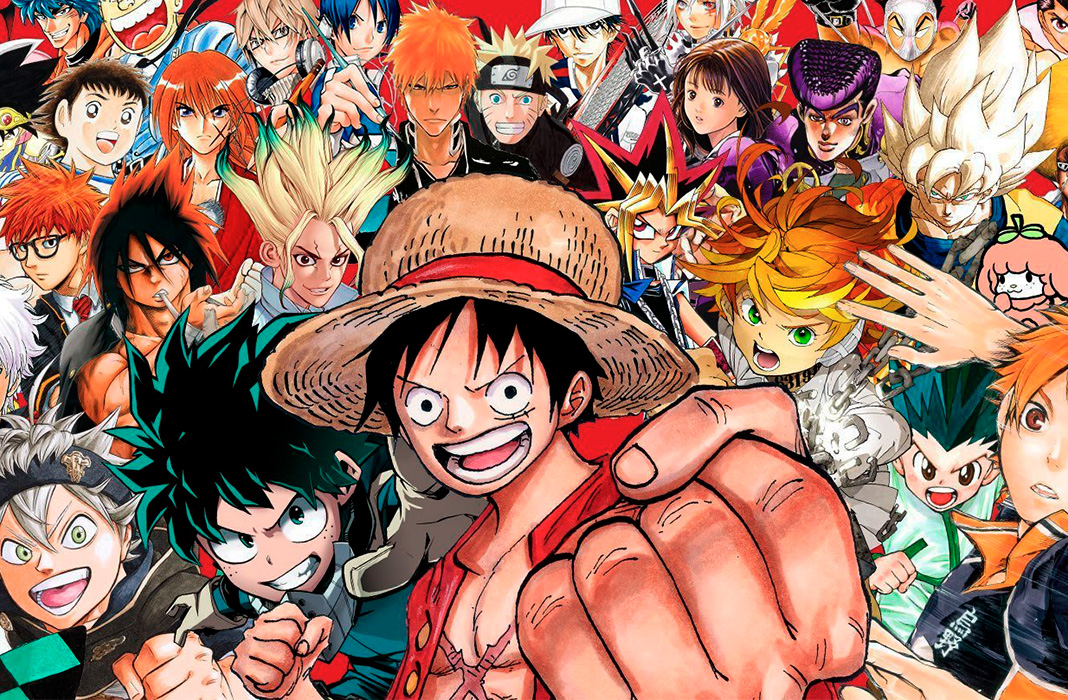
What if you could create professional manga pages without spending years learning to draw — or hundreds of dollars per page on hired artists? AI Manga Creator is a free AI for manga creation that turns your story ideas into fully realized chapters with consistent character designs, dynamic panel compositions, and professional art styles — all guided by an AI sensei built specifically for the craft of sequential visual storytelling. With professional manga illustration costing $50–$300 per black-and-white page and anime-style character commissions ranging from $30 to $305 on freelance platforms, the financial barrier to bringing a manga vision to life has kept countless stories trapped in notebooks and imagination. That barrier is gone.
✅ Complete chapter generation with persistent character consistency across pages ✅ Five professional art style templates — Shonen, Shoujo, Seinen, Slice-of-Life, Chibi ✅ Automatic character reference sheet creation before any story pages are drawn ✅ Panel layout optimization matched to emotional beats and narrative pacing ✅ Integrated dialogue and speech bubble placement in multiple languages
Over 15,000 aspiring mangaka have already used AI Manga Creator to produce one-shots, serialized chapters, character design portfolios, and webtoon-format content — collectively generating more than 120,000 manga pages and bringing stories to life that would have cost an estimated $6 million+ through traditional illustration commissions.
To understand why free access to this kind of creation tool matters right now, let's look at the forces reshaping manga — and why the gap between demand and the ability to create has never been wider.
Quick Answer: What Is AI Manga Creator?
AI Manga Creator is a free AI-powered manga production tool that generates professional pages with consistent art styles, character designs, and panel compositions through a guided, page-by-page creation workflow. It functions as a personal manga sensei — handling the visual execution while you drive the story.
Key capabilities:
- Generate pages sequentially with narrative continuity tracking across chapters
- Choose from five distinct art style templates matching major manga traditions
- Create character reference sheets automatically to lock visual consistency
- Optimize panel layouts based on story rhythm, pacing, and emotional weight
- Place dialogue with appropriate speech bubble styling in multiple languages
A Booming Industry That's Still Nearly Impossible to Break Into
The manga market is exploding. Global manga market size was estimated at $10.19 billion in 2025 and is projected to reach $43.86 billion by 2033, growing at a staggering 20.5% CAGR. Other estimates place the market even higher — Mordor Intelligence values it at $19.35 billion in 2025, forecasting $56.38 billion by 2031. By any measure, manga is one of the fastest-growing entertainment sectors on the planet.
Yet despite this explosive demand, the barriers to actually creating manga remain brutally high:
- Prohibitive illustration costs — professional pages cost $50–$300 each, putting even a short one-shot beyond most budgets
- Years of artistic training — consistent character drawing, dynamic action choreography, and environmental illustration each take years to master
- Grueling production timelines — a single chapter can take weeks of full-time work
- Visual consistency nightmares — characters must look identical across hundreds of pages
- Technical storytelling knowledge — panel composition, pacing, page-turn reveals, and visual rhythm are disciplines unto themselves
💰 The Economics Make No Sense for Independent Creators
The cost structure of professional manga production is designed for publisher-backed studios, not solo creators or small teams. According to Vox Illustration's industry analysis, black-and-white manga pages range from $50 to $300 depending on artist experience and complexity. Fiverr's 2026 marketplace data shows comic page illustration in anime style ranging from $50 to $150 per page, with multi-page projects qualifying for only modest 10–20% package discounts.
A 30-page one-shot at average rates costs $1,500–$9,000. A 200-page volume? $10,000–$60,000 — before lettering, editing, or distribution.
For context, full character design commissions with multiple angles and expression sheets run $100–$200, and that's just for a single character. A manga with five principal characters needs five reference packages before a single story page is drawn.
The math simply doesn't work for aspiring creators without publisher backing or substantial personal funding.
✏️ The Skill Gap Is Measured in Years, Not Months
Creating manga demands simultaneous mastery of disciplines that professionals spend careers developing:
Visual execution:
- Character design with anatomically consistent proportions
- Dynamic action choreography and motion conveyance
- Background and environmental illustration
- Screentone application, shading, and inking techniques
Sequential storytelling:
- Panel composition theory and layout grammar
- Visual pacing — when to compress, when to decompress
- Page-turn reveals and cliffhanger construction
- Emotional beat visualization through framing and composition
Working mangaka in Japan routinely work 37+ hour stretches and log 100+ hours of unpaid overtime monthly to meet serialization deadlines. The
— meaning even professionals can't produce manga alone. Assistants handle backgrounds, screentones, and minor panels while the lead artist focuses on character work and key frames.If full-time professionals need teams, what chance does a solo creator with a day job have?
🎯 The Consistency Trap
Of all the challenges, visual consistency across a long-form project may be the most unforgiving. Readers notice instantly when a character's face shape shifts between pages, when a costume detail changes, or when proportions drift. Professional studios solve this with extensive character model sheets, style guides, and dedicated assistants who enforce visual standards page by page.
Independent creators rarely have access to any of these systems. The result: projects that start strong but visually degrade as fatigue, time pressure, and the sheer volume of drawing take their toll.
How Free AI Manga Creation Changes the Equation
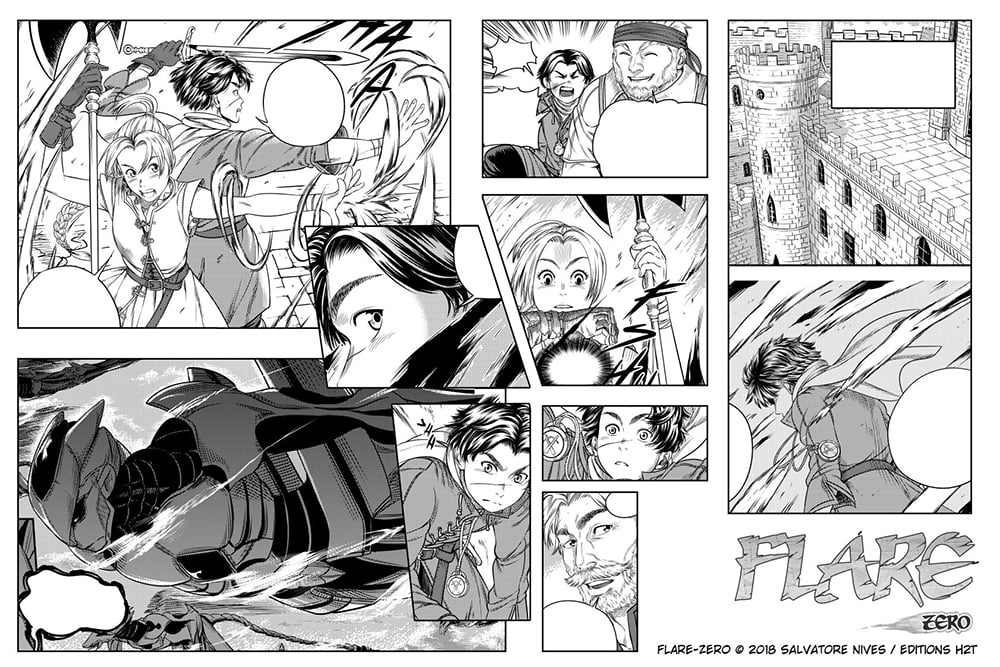
AI Manga Creator doesn't simplify manga — it makes the production pipeline accessible to anyone with a story. By providing the same structured methodology that professional manga studios use (reference systems, style guides, narrative tracking, quality review), it removes the financial and technical barriers while preserving the craft.
| Traditional Manga Production | AI Manga Creator |
|---|---|
| $50–$300 per page for professional illustration | Free to use — generate unlimited pages |
| Years of artistic training before producing publishable work | Guided creation with five professional style templates |
| Weeks per chapter with team support | Pages generated in minutes with consistent quality |
| Manual character sheets costing $100–$200 per character | Automatic reference sheet generation included |
| Style drift across long projects without dedicated assistants | Persistent reference system locks consistency across sessions |
| Separate specialists for layout, inking, toning, and lettering | Integrated pipeline from script to finished page |
🎨 Five Art Styles Built for Every Genre
This AI doesn't produce generic "anime-style" images. It implements five distinct visual languages, each calibrated to the conventions and reader expectations of major manga traditions:
| Style Template | Ideal Genres | Visual Signature |
|---|---|---|
| Shonen Action | Battle manga, sports, adventure | Bold linework, explosive speed lines, dynamic poses |
| Shoujo Romance | Romance, drama, coming-of-age | Soft lines, floral motifs, intimate emotional close-ups |
| Seinen Dramatic | Thriller, psychological, horror | Detailed anatomy, heavy chiaroscuro shading, cinematic framing |
| Slice-of-Life | Comedy, daily life, food manga | Clean lines, warm expressions, inviting atmosphere |
| Chibi/Comedy | Pure comedy, parody, reaction moments | Super-deformed proportions, exaggerated expressions |
These aren't cosmetic filters — each template adjusts linework weight, shading technique, panel density, facial proportions, and compositional grammar to match the storytelling conventions that readers of each genre expect.
🔒 Reference Architecture That Eliminates Style Drift
The single most important technical feature in AI Manga Creator is its reference image system. Before any story page is generated, the tool creates:
- Style exemplar pages establishing the visual language for your project
- Character reference sheets showing each significant character in neutral poses with consistent proportions, clothing details, and distinguishing features
- Location references for recurring environments (as needed)
These references are loaded with every subsequent page generation, creating the same consistency infrastructure that professional studios maintain through dedicated assistants and style guides — but automated and persistent across sessions.
📖 Narrative Continuity That Doesn't Forget
A persistent Story State system tracks your position in the narrative, active plot threads, character states (injuries, costume changes, emotional arcs), and continuity notes. This prevents the drift and inconsistency that plague long-form projects — AI or otherwise. When a character gains a scar in chapter 3, it appears in every page thereafter. When a costume changes, the reference sheet versions accordingly.
How to Create Your First Manga Chapter: A Complete Walkthrough
Step 1: Define Your Project Foundation
Visit AI Manga Creator and describe your manga concept. The AI guides you through establishing your title, genre, tone, target audience, and approximate length. You'll develop detailed character descriptions covering physical appearance, personality, speech patterns, and relationships.
"I want to create a 20-page one-shot about a high school student who discovers she can see ghosts that are trapped in everyday objects. Shonen action style with horror elements. The main character, Yuki, is a 16-year-old with short black hair, a school uniform, and a perpetual look of exhaustion."
Step 2: Choose Your Art Style
Select from the five professional style templates. For most projects, the genre naturally suggests a template — but you can mix styles, using Chibi/Comedy inserts for comedic relief within an otherwise Seinen narrative, for example.
"Let's go with Seinen Dramatic for the main pages — heavy shading, cinematic compositions. But I want Chibi panels for the moments when Yuki reacts to harmless ghosts."
Step 3: Generate Reference Materials
Before any story page exists, Manga Creator generates your visual foundation: style exemplar pages, character reference sheets for every significant character, and location references for recurring environments. This step is what separates the tool from generic image generators — it builds the consistency infrastructure first.
"Create reference sheets for Yuki, her best friend Hana (cheerful, long ponytail, always carrying snacks), and the primary antagonist ghost, Kurogane (a samurai spirit bound to a rusted katana in the school's history room)."
Step 4: Create Pages Sequentially
For each page, the AI:
- Scripts the page based on your story direction and pacing preferences
- Breaks content into panel-by-panel beats (typically 4–7 panels)
- Writes dialogue matched to each character's established voice
- Selects panel layout based on narrative rhythm and emotional weight
- Generates the page with all relevant references loaded
- Reviews output against quality criteria before presenting the result
"Page 1: Open with a full-width establishing shot of the school at dawn. Then three panels of Yuki walking through the hallway, noticing a flickering light in the history room. Final panel: close-up of her face, one eye reflecting something the reader can't yet see."
Step 5: Iterate, Evolve, and Extend
Request adjustments to any page — composition, dialogue, character expression, panel density. The AI maintains full awareness of your project state, ensuring changes ripple correctly through subsequent pages. Character evolutions (new scars, costume changes, power-up transformations) are tracked with versioned reference sheets that update automatically.
"Yuki's school uniform gets torn in the fight on page 12. Make sure every page after that shows the tear until she changes clothes on page 18."
What Creators Are Building — Real Use Cases
📊 One-Shot Manga for Portfolio and Competition
Scenario: An aspiring mangaka wants to create a 30-page one-shot for submission to a manga competition or portfolio review.
Traditional approach: 3–6 months of solo work, or $1,500–$9,000 in illustration commissions if hiring an artist.
With AI Manga Creator:
- Complete project setup and reference generation in a single session
- Generate all 30 pages with locked visual consistency
- Iterate on compositions and dialogue without additional cost
- Export finished pages ready for submission or digital publishing
💼 Serialized Long-Form Series
Scenario: A writer with a 200+ page story arc wants to produce a multi-chapter series without a studio or budget.
Traditional approach: Requires a team of assistants, extensive style guides, and months of production per volume — realistically only viable with publisher backing.
With Manga Creator:
- Persistent Story State tracking carries continuity across sessions and chapters
- Character reference versioning handles visual evolution (aging, injuries, power-ups)
- Landmark page tagging enables narrative callbacks to earlier scenes
- Automatic continuity enforcement prevents the visual drift that kills long-form projects
📱 Webtoon and Vertical-Scroll Content
Scenario: A creator wants to publish serialized content on platforms like Webtoon, Tapas, or LINE Manga — which require vertical-scroll formatting rather than traditional page layouts.
Traditional approach: Adapting manga workflows to vertical-scroll formats adds complexity on top of already demanding production requirements.
With this AI-powered tool:
- Flexible panel layout options adaptable to vertical-scroll reading patterns
- Style templates that translate cleanly to digital-first aesthetics
- Rapid iteration for platform-specific optimization and A/B testing of page compositions
🎓 Storyboard and Concept Prototyping
Scenario: A game developer, animator, or filmmaker needs manga-style storyboards to visualize narrative sequences before committing to full production.
Traditional approach: Hire a storyboard artist at $40–$87/hour, with revision cycles extending timelines and budgets.
With AI Manga Creator:
- Rapid visual prototyping of story sequences in manga format
- Test different compositions, pacing, and emotional beats before committing to expensive production
- Share visual storyboards with teams for faster creative alignment
🏫 Educational and Training Content
Scenario: An educator or corporate trainer wants to create manga-format instructional materials — a format proven to increase engagement and information retention.
With Manga Creator:
- Create instructional sequences with consistent character "guides"
- Use panel flow to break complex processes into visual steps
- Generate in multiple languages for international audiences
Frequently Asked Questions
Is AI Manga Creator really free?
Yes. You can access AI Manga Creator for free with standard usage limits on Jenova's platform — no credit card required. The complete creation workflow — character reference sheets, style selection, page generation, narrative tracking — is fully available at the free tier. Paid plans offer significantly expanded usage for creators working on longer or more intensive projects.
How does AI manga creation compare to hiring a professional manga artist?
A professional manga artist brings unique artistic vision, hand-crafted detail, and the kind of creative intuition that comes from years of practice. AI Manga Creator provides broader style flexibility, instant availability, zero cost, automated consistency systems, and the ability to iterate without per-revision fees. For many creators, it serves as a prototyping and production tool — generating the manga they couldn't otherwise afford to produce. Some use it alongside traditional artistic development, producing finished work with AI while continuing to develop hand-drawing skills.
Can I use my own character designs or art references?
Yes. You can upload your own character designs, style references, or world-building documents. AI Manga Creator incorporates your uploaded references into its generation process alongside system-generated reference sheets, allowing you to maintain a specific visual identity you've already established.
What genres and styles does it support?
All major manga genres are supported through five distinct style templates: Shonen Action, Shoujo Romance, Seinen Dramatic, Slice-of-Life, and Chibi/Comedy. These templates can be mixed within a single project — for example, using Seinen for dramatic sequences and Chibi for comedic relief panels. Fantasy, sci-fi, horror, sports, romance, and any hybrid genre works within this framework.
Does it handle different reading directions and languages?
Yes. Manga Creator supports dialogue in multiple languages and adjusts panel reading direction accordingly — right-to-left for Japanese-style manga, left-to-right for English and other Western-format publications. This makes it suitable for creators targeting both domestic and international audiences.
Does this replace learning to draw?
No — and it doesn't claim to. AI Manga Creator is a production tool, not a substitute for artistic skill development. Many users find it valuable for rapid prototyping, storyboarding, and producing content while simultaneously developing traditional drawing skills. Others use it as their primary creation method for finished work. The tool democratizes production, not artistic growth.
Conclusion: Your Stories Deserve to Exist
The manga market is projected to grow from $10.19 billion in 2025 to $43.86 billion by 2033. Digital platforms have already democratized distribution — anyone can publish on Webtoon, Tapas, or self-hosted sites. But creation itself has remained locked behind $50–$300/page illustration costs, years of artistic training, and production workflows designed for publisher-backed studios with teams of assistants.
Free AI for manga creation closes that gap. Not by replacing artistic craft, but by making the production pipeline accessible to anyone with a story worth telling. Consistent character designs. Professional panel layouts. Five distinct art styles calibrated to major manga traditions. Narrative continuity tracking that doesn't forget what happened three chapters ago.
Whether you're prototyping your first one-shot, serializing a long-form epic, creating vertical-scroll content for digital platforms, or visualizing storyboards for a larger production — get started with AI Manga Creator and turn the stories in your head into the pages they were meant to become.