Free AI for Fitness & Workout Coaching: Build Muscle, Lose Weight & Train Smarter Without Paying for a Personal Trainer
2026-03-25
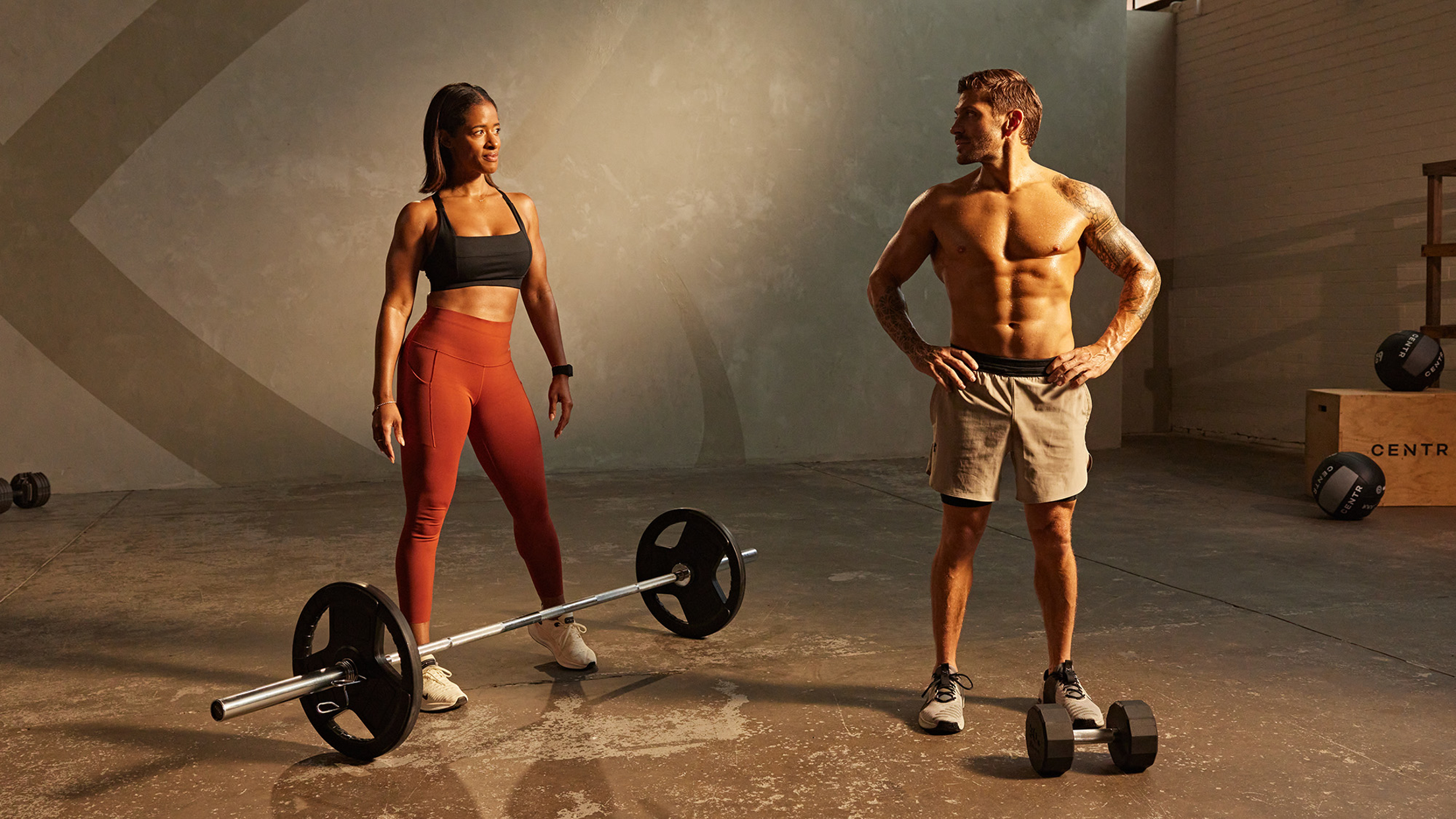
Looking for a free AI for fitness and workout coaching? AI Fitness & Workout Coach designs structured, evidence-based workout programs tailored to your goals, equipment, and schedule — then coaches you through every session with real-time adjustments and video demonstrations for proper form. Over 6,500 users have already used this free AI to build their first structured training program, break through strength plateaus, and develop consistent workout habits they couldn't sustain on their own.
✅ Free tier — start training with a custom program today, no credit card
✅ Personalized programming based on your goals, equipment, and available time
✅ YouTube video demos for every exercise — see proper form before you lift
✅ Session-by-session coaching with real-time intensity adjustments
✅ Persistent memory that tracks your program, PRs, and progress across sessions
The fitness industry has never been bigger — but most people still train without a plan, without feedback, and without the guidance that actually produces results. This free AI changes that equation entirely.
Quick Answer: What Is AI Fitness & Workout Coach?
AI Fitness & Workout Coach is a free AI personal trainer that builds custom workout programs, coaches you through sessions in real time, and provides form guidance with video demonstrations — adapting to any fitness level, goal, or equipment setup.
Key capabilities:
- Designs structured programs with specific exercises, sets, reps, rest periods, and progression rules
- Coaches you exercise-by-exercise during workouts, adjusting based on your feedback
- Searches for and delivers YouTube video demonstrations for unfamiliar movements
- Remembers your program, training history, and goals across sessions with persistent memory
- Provides equipment substitutions instantly when your setup changes
The Coaching Gap: 77 Million Gym Members, Most Training Alone
The U.S. fitness industry hit record highs in 2024. According to the Health & Fitness Association's 2025 Consumer Report, gyms and studios welcomed an unprecedented 77 million members — with total customer penetration reaching 31% of Americans aged six and older. Ten million people joined a gym or studio in 2025 alone, a 14% year-over-year increase.
People are investing in fitness like never before. But investment without direction produces frustration, not results.
- Only 22.6% of gym members worked with a personal trainer in 2024 — and those who did averaged just 21 sessions per year, down from 28 in 2019
- 50% of new gym members quit within six months of signing up — with 46% citing cost as the primary reason
- Fewer than 30% of U.S. adults meet the recommended guidelines for muscle-strengthening activity — ACSM Fitness Trends 2026
- The annual gym retention rate is just 66.4% — meaning roughly one in three members leave each year, according to the HFA 2025 Benchmarking Report
💰 Personal Training Is Priced Out of Reach for Most People
The [national average for a personal trainer is $55 per hour](https://www.thumbtack.com/p/personal-trainer-cost), with rates ranging from [$40 to $100+ depending on location and experience](https://www.goodrx.com/well-being/movement-exercise/how-much-does-a-personal-trainer-cost). In major metro areas, rates commonly reach [$80 to $150+ per hour](https://prolifichealth.ca/how-much-does-a-personal-trainer-cost-in-2026-real-rates-value/). Training twice a week at even the national average adds up to **$440/month** — more than many people's gym membership, groceries, and streaming subscriptions combined.
$50–$90 per session — the average cost of hiring a personal trainer in the U.S. in 2026, according to Bark's latest pricing data.
The result? Most people who need coaching the most — beginners, people returning after a break, those on GLP-1 medications who need structured strength training — can't afford it.
📉 The Knowledge Gap That Stalls Progress
Even motivated gym-goers struggle without programming knowledge. Research from Florida Atlantic University found that training volume has a clear point of diminishing returns — muscle growth benefits level off after about 11 sets per session, and strength gains plateau after just two direct sets. Without understanding these principles, most people either do far too little or accumulate unnecessary fatigue with marathon sessions that don't produce proportional results.
| What Most Gym-Goers Do | What Actually Produces Results |
|---|---|
| Follow random workouts from Instagram | Structured programs with progressive overload |
| Guess at weights and rep ranges | Specific intensity targets with clear progression rules |
| Skip exercises they don't know | Full movement library with video demonstrations |
| Train the same way for months | Periodized programming that evolves with your capacity |
| No tracking between sessions | Persistent progress monitoring across every workout |
How This Free AI Fills the Personal Trainer Gap
AI Fitness & Workout Coach doesn't replace the in-person experience of a human trainer standing next to you. It's transparent about that limitation. What it does provide — for free — is the programming expertise, exercise knowledge, and session-to-session accountability that most people can't access at any price point.
🧠 Programming Built on Exercise Science
The American Council on Exercise's 2026 trends report notes that AI has moved beyond "trend" status in fitness: "It will become the backbone of programming, member communication, scheduling, personalization and staffing." This AI coach applies that principle directly to your training — building programs grounded in progressive overload, appropriate volume management, and periodization matched to your experience level.
Whether you need linear progression as a beginner or undulating periodization as an intermediate lifter, the coach designs accordingly. It doesn't just hand you a list of exercises — it specifies sets, reps, rest periods, intensity targets, and explicit progression rules ("add 2.5–5 lbs when you hit the top of the rep range for all sets").
📹 Form Guidance You Can Actually See
Text descriptions of exercises have real limitations. When the coach introduces a new movement or when you ask about form, it proactively searches YouTube for quality demonstrations from established coaches. Watching a Romanian deadlift performed correctly by an experienced trainer communicates more than any written cue list.
🔄 A Coach That Listens and Adjusts
Tell the coach "that felt too easy" and it increases intensity. Say "I only have dumbbells today" and it provides substitutions that maintain the same training stimulus. Mention you're short on time and it offers a condensed alternative that preserves the session's key movements. This responsiveness mirrors how a skilled human trainer operates — meeting you where you are, every session.

How It Works: From First Message to Structured Program
Step 1: Describe Your Goals in Plain Language
Open AI Fitness & Workout Coach and tell it what you want. No fitness jargon required.
"I want to lose fat and build some muscle. I can train 3 days a week at home with a set of adjustable dumbbells and a pull-up bar."
The coach asks a few follow-up questions about your training history, any injuries, and time per session — then builds your program.
Step 2: Get a Complete, Structured Program
You receive a full training plan organized by day, with specific exercises, sets, reps, rest periods, and progression instructions. The coach explains why it chose each exercise and how the program fits together.
You can download the program as a PDF or text file to reference at the gym.
Step 3: Train with Live Coaching
During your workout, report how each set felt. The coach adjusts in real time:
"The overhead press felt heavy — I only got 6 reps on the last set." "That's fine — stay at this weight next session and aim for 8 across all sets before increasing. Your pressing volume is still progressing well."
Step 4: Get Video Demos for Any Exercise
When you encounter an unfamiliar movement, the coach provides concise coaching cues and offers to find a video demonstration:
"For Bulgarian split squats: rear foot elevated on a bench, front foot about two feet forward, lower until your back knee nearly touches the floor. Want me to find a video demo? Seeing the movement helps a lot."
Step 5: Track Progress and Evolve Your Program
The coach remembers your current program, recent PRs, equipment access, and training preferences across sessions. As you progress, it suggests deloads before burnout sets in, adjusts volume and intensity, and evolves your programming to match your growing capacity.
What You Can Actually Accomplish with This Free AI
💪 Build Your First Real Training Program
The situation: You've been going to the gym for months but just wander between machines without a plan.
Without coaching: You train whatever feels right that day, skip legs, overtrain chest, and wonder why nothing changes after 12 weeks.
With AI Fitness & Workout Coach: You get a balanced upper/lower or push/pull/legs split with beginner-appropriate volume, clear explanations of every concept, video demos for every exercise, and linear progression that ensures you're lifting more weight every week. Over 6,500 users have used this approach to build their first structured program.
- Beginner-friendly language — no jargon without explanation
- Progressive overload built into every program from day one
- Form videos reduce injury risk before bad habits form
📊 Break Through a Strength Plateau
The situation: You've been stuck at the same bench press weight for two months.
Without coaching: You add more sets, switch programs every few weeks, or just push harder and hope something changes.
With this AI: It analyzes your current programming and identifies the bottleneck — whether it's insufficient frequency, too much volume creating recovery debt, or a need for periodization changes like shifting to daily undulating programming. It makes targeted adjustments rather than overhauling everything.
- Troubleshoots systematically before making wholesale changes
- Tracks what's been tried and what's producing results
- Evidence-based adjustments grounded in current exercise science
🏃 Integrate Cardio Without Killing Your Gains
The situation: You want to improve cardiovascular fitness but worry about interfering with your strength training.
Without coaching: You either avoid cardio entirely or run randomly and wonder why your lifts suffer.
With AI Fitness & Workout Coach: It programs Zone 2 cardio for aerobic base building, HIIT for time-efficient conditioning, and schedules both around your strength sessions to minimize interference. You get specific protocols — duration, intensity, frequency — not vague advice to "do some cardio."
📱 Train Anywhere with Any Equipment
The situation: You're traveling and the hotel gym has three dumbbells and a cable machine.
Without coaching: You skip training entirely or attempt your regular program with inadequate equipment and get frustrated.
With this AI-powered coach: It instantly adapts your program with equipment-appropriate substitutions that maintain the same training stimulus. Barbell squats become goblet squats. Lat pulldowns become band-assisted pull-ups. No workout missed, no momentum lost.
🎯 GLP-1 Medication Support
The situation: You've started a GLP-1 medication and your doctor recommended strength training to preserve muscle mass.
Without coaching: You have no training background and don't know where to start. Generic fitness apps don't account for your specific situation.
With the coach: As the ACE 2026 trends report notes, GLP-1 users "need professionals who can help them rebuild strength, protect lean mass, and navigate behavior change." This AI designs a beginner-appropriate strength program emphasizing compound movements, adequate protein timing guidance, and gradual progression — exactly what this population needs.
Frequently Asked Questions
Is AI Fitness & Workout Coach really free?
Yes. You can access AI Fitness & Workout Coach with a free Jenova account — no credit card required. The free plan includes limited usage per billing cycle. Paid plans starting at $20/month provide significantly more usage for daily training sessions and extended coaching conversations.
Can a free AI actually replace a personal trainer?
For programming, exercise selection, progression planning, and knowledge — it performs comparably to an experienced trainer. Where it differs is hands-on form correction, which requires someone physically present. The coach is honest about this limitation and proactively provides video demonstrations to bridge the gap. For the 77% of gym members who don't work with a trainer at all, this AI provides structured guidance they wouldn't otherwise have.
Does it work for complete beginners?
Absolutely. The coach adapts its language, exercise complexity, and programming to your experience level. Beginners receive simpler programs with clear explanations of every concept — what "3×8–10" means, why rest periods matter, how to know when to increase weight. Advanced trainees get periodized programming with technical depth.
Does it remember my program between sessions?
Yes. AI Fitness & Workout Coach uses persistent memory to track your goals, current program, equipment access, training history, and recent progress across sessions. Every conversation picks up where you left off — no re-explaining your situation each time.
Can it handle both muscle building and weight loss goals?
Yes. The coach programs hypertrophy-focused resistance training, cardiovascular conditioning, or both — and integrates them intelligently within your weekly schedule. It also provides contextual nutrition guidance (protein targets, caloric considerations) when relevant to your training goals.
Does it provide nutrition advice?
The coach addresses nutrition when it's directly relevant to training outcomes — adequate protein for muscle building, eating in a caloric surplus during a growth phase, or fueling around workouts. For detailed meal planning, macro calculations, or specific dietary protocols, it recommends dedicated nutrition specialists.
Does it work on my phone?
Yes. Jenova offers full feature parity across web, iOS, and Android. Get your program on your laptop, coach through your workout on your phone, and review progress on your tablet. Everything syncs automatically.
Stop Training Without a Plan
The [AI in fitness and wellness market is valued at $10.68 billion in 2025](https://www.insightaceanalytic.com/report/ai-in-fitness-and-wellness-market/2744) and projected to reach $57.80 billion by 2035 — a clear signal that personalized, AI-driven coaching is becoming the standard, not the exception. The global fitness app market is projected to grow from $12.12 billion to $33.58 billion by 2033, driven primarily by AI-powered personalization.
But market growth doesn't matter if you're still training without a plan. The difference between spinning your wheels and making measurable progress comes down to one thing: structured, evidence-based programming with feedback that adapts to your reality.
Over 6,500 people have already used AI Fitness & Workout Coach to build custom programs, learn proper form, break through plateaus, and develop training habits that stick. Whether you're a complete beginner who needs someone to explain what progressive overload means, or an intermediate lifter who needs smarter periodization, this free AI adapts to your level and gets more useful with every session.