Enemies to Lovers AI With Memory Continuity: Slow-Burn RP
2026-09-16
Roleplay Game Master helps you run enemies to lovers AI with memory continuity by holding unlimited conversation history and keeping the rival's voice, grudges, and almosts intact. In September 2026, slow-burn roleplay still dies the same way: the character who swore you were the enemy greets you like a blank-slate crush. While most chatbots treat tension as disposable flavor, this AI provides a partner who still remembers the insult, the almost-truce, and why giving in should cost them something.
- ✅ Unlimited memory so rivalries, debts, and almost-kisses persist
- ✅ Character consistency that protects pride, voice, and the slow turn
- ✅ Complete creative freedom for any pairing, setting, or heat level
- ✅ The same history on web, iOS, and Android
Enemies-to-lovers only works if the enmity is real. The payoff lands because the fight happened, the secret was kept, and last week's betrayal still sits in the room. If the AI forgets the feud, you do not have a slow burn. You have a meet-cute wearing a rival's name. To understand why that break is so common, look at how character memory actually fails.

Quick Answer: What Is Enemies to Lovers AI With Memory Continuity?
Enemies to lovers AI with memory continuity is a roleplay partner that retains rivalry, grudges, and the slow turn to love across sessions instead of resetting the relationship. The useful test is simple: if they swore you were the problem last week, they should still be fighting that fact today.
Key capabilities:
- Persistent memory of insults, alliances, near-misses, and who blinked first
- Stable persona so pride, speech, and loyalty do not flatten into generic sweetness
- Open-ended scenarios that let the feud evolve instead of skipping to a confession
- Session-to-session pickup on phone or desktop without re-explaining why you hate each other
Why Enemies-to-Lovers AI Collapses Without Memory
People are not dabbling. The global AI companion market was valued at USD 37.73 billion in 2025 and is projected to grow from USD 49.52 billion in 2026. Grand View Research similarly sized the market at $36.8 billion in 2025. A large share of that demand is relational, not transactional.
A survey of AI companion users found that 31% consider their chatbot a friend, 38% found conversations very or moderately helpful for problems in romantic or sexual relationships, and 29% had used AI to talk about problems in their personal relationships. Stanford researchers studying Character.AI users reported that more than half described their bots as a friend, companion, or romantic partner, even when few named companionship as their official motive.
But getting enemies to lovers AI with memory continuity is frustratingly difficult:
- Context windows fill, so the original insult falls out of working memory
- New chats start from a blank slate, even when the avatar looks the same
- Personality drift turns a proud rival into an eager sweetheart overnight
- Users become unpaid continuity editors, pasting "why we hate each other" recaps
78% — Roleplay enthusiasts who name memory as their biggest frustration
31% — AI companion users who consider their chatbot a friend
USD 49.52 billion — Projected AI companion market size
Independent write-ups still describe the same failure mode: Character.AI forgetting after roughly 4,000 tokens, and some roleplay models dropping early details after 25–30 turns. Developers comparing character platforms put recall after 20, 50, or 100 messages and personality consistency across sessions at the center of the problem.
That is fatal for this trope. Enemies-to-lovers is not chemistry on demand. It is accumulated history: the public slight, the forced alliance, the night someone almost said the true thing and didn't. If the AI cannot hold that ledger, the romance has nothing to convert.
This is exactly what Roleplay Game Master was built for.
Why Roleplay Game Master
Roleplay Game Master is built for immersive roleplay with unlimited memory and perfect character consistency. You get complete creative freedom to run a court rivalry, a wartime truce, a campus feud, or a slow thaw that takes dozens of sessions — without turning yourself into the world's secretary.
The product is not a flirt bot in a costume. It is a character engine that can carry continuity the way a good novel does: the person who tried to ruin you in chapter one is the same person who cannot look away in chapter twelve.
| Traditional Approach | Roleplay Game Master |
|---|---|
| The feud vanishes when the window fills | Unlimited memory of insults, debts, and almosts |
| New chat, instant amnesia | Persistent history across sessions |
| Rival drifts into generic sweetheart | Character consistency in voice, pride, and loyalty |
| You paste recaps of "why we hate each other" | The rival still knows why |
| Desktop-only or fragmented apps | Same arc on web, iOS, and Android |
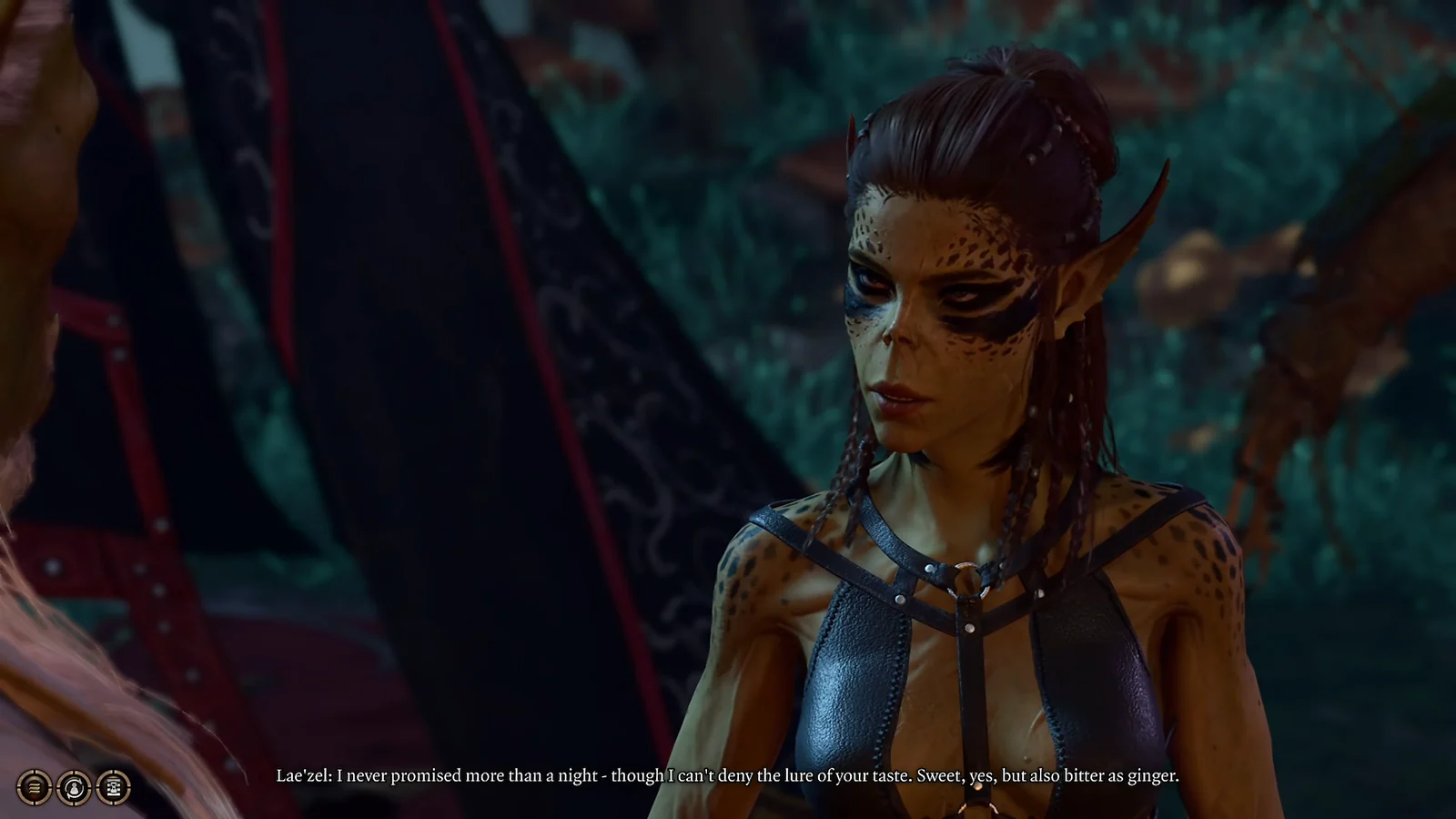
Memory That Holds the Grudge and the Crack
A one-line summary like "they used to be enemies" is not continuity. Unlimited chat history means the specific slight, the audience who saw it, the almost-apology, and the reason pride still blocks the door can stay in play. Test it directly: pick a costly insult early, walk away, and return later without briefing the plot.
Character Consistency That Protects the Slow Burn
Developers evaluating character platforms treat personality consistency across sessions as a separate problem from raw recall. Both have to hold. If the facts survive but the voice goes soft, the rival was never real. If the voice survives but the relationship resets, you are dating a stranger with a familiar name. This AI keeps the same pride, the same tells, and the same unfinished business.
Creative Freedom Without Skipping the Turn
You are not locked into a canned confession route. Force them to share a mission. Let them save each other for the wrong reasons. Change the stakes mid-scene. The character should adapt without forgetting what already happened. That is what makes enemies-to-lovers worth doing at length.
The Same Rival on Your Phone
Continuity fails in real life when the story lives on one device. Full feature parity across web, iOS, and Android means you can continue the argument on a commute and the character still knows the line they should not have said at your desk.
While large character chat platforms remain easy to start, testers still report memory that fails between conversations. Roleplay Game Master specializes in unlimited memory and character consistency so the feud is part of the character, not a note you keep in a side document.
Related Agents You'll Also Find Useful
If your slow burn lives in a specific sandbox, these complementary tools fit the same reader.
Love Island
If the rivalry is social rather than martial, Love Island puts you on a private island with eight strangers and emergent alliances. Public slights, recouplings, and late-night talks only work if yesterday's insult still has witnesses tonight.
- Open-world romance rather than a scripted route
- Social consequences that depend on prior choices
- Relationship memory as the engine of the game, not a side feature
College Life
College Life is open-world campus romance with friendships, heartbreak, and social fallout. A rival in seminar, a stolen project, or a promise not to tell anyone only becomes enemies-to-lovers if the semester actually accumulates.
- Emergent friendships and romantic tension
- Choice-driven social consequences
- A sandbox for slow-burn stories that span many sessions
Vesper Court
If you want the trope in a darker register, Vesper Court is a hidden vampire court: blood intrigue, forbidden desire, and nights that should change the relationship. Hostile courts are a classic enemies-to-lovers engine — but only if the threat from night one still exists on night twelve.
- Dark romance with political danger
- Forbidden desire that depends on prior risk
- Continuity as the difference between tension and amnesia
Try Roleplay Game Master free — no credit card required.
How to Run Enemies-to-Lovers AI With Memory Continuity
Step 1: Define the Feud Before the Flirt
Open immersive roleplay with unlimited memory and lock who they are, why they oppose you, and what a truce would cost their pride. Specificity is the point. "A cold rival" forgets. "The captain who testified against your sister and still thinks she was right" cannot.
"You are Captain Soren Vale. You testified against my sister and still believe you were right. Stay in character. Do not summarize. We are trapped in the same war room and you will not apologize."
Step 2: Make the Enmity Public and Expensive
Put the slight on-screen. Insults, sabotaged missions, withheld information, and witnesses give the later turn something to convert. A private vibe with no ledger is not enemies-to-lovers. It is delayed meet-cute.
"In front of the council, refuse my plan. Make it personal. Then, after they leave, show one crack — not an apology, just a reason you hesitated."
Step 3: Plant the First Crack Without Skipping Ahead
Force proximity: a shared enemy, a wound, a secret neither of you can report. The character should hate the new fact, not instantly rewrite the relationship. If they confess in the same scene as the insult, restart and raise the cost of yielding.
"You just pulled me out of the fire. Do not confess. Stay angry that you had to. Ask me why I was even there."
Step 4: Leave and Come Back Without a Recap
End the session. Start a new one later. Do not paste a synopsis. Ask what they said in the war room, who heard it, and whether they still stand by it. If they hedge, correct once. If they hold the line and still feel the crack, you have a real slow-burn partner.
"It's four days later. You called me a liability in front of the council. They just assigned us to the same mission. What do you actually say?"
Step 5: Continue on Mobile With the Same History
Pick the scene up on iOS or Android. The test of memory continuity is not a marathon chat. It is whether the rival still knows the feud when you switch devices and return to the same unfinished argument.
"Continue from last night. You still owe me an answer about the letter. I'm on the train. Keep us in the stairwell — no recap, no sudden confession."
Results and Use Cases for Slow-Burn AI Roleplay
⚔️ Political Rivals Forced Into One Cause
Scenario: You need a months-long arc in which a general, heir, or spy spent the first sessions trying to destroy you — then had to share a map, a secret, and a reason not to finish the job.
Traditional Approach: You keep a notes app of "facts the bot forgot," re-explain the testimony every session, and watch the rival flirt like it is day one.
This AI: The testimony stays in force. The character can be tempted, furious, or afraid — without wiping the pride that makes the turn expensive.
- Continuity for slow-burn pacing
- Relationship history that accumulates instead of resetting
- Fewer "who are you again?" breaks in immersion
🦇 Dark Romance Where the Threat Still Exists
Scenario: You want a hostile court, a blood oath, or a forbidden pull that should not survive sunrise.
Traditional Approach: The danger evaporates overnight. The character who threatened you last session now talks like a dating-app match.
Vesper Court: Forbidden desire only works if last night's risk is still on the table. Pair that setting with persistent memory and the court can stay dangerous while the relationship changes.
- Political stakes that do not reset
- Desire that has to fight prior loyalty
- Nights that actually change the next night
Campus versions of the same engine work when the semester is real: College Life only feels like rivals-to-lovers if the stolen presentation still exists between classes.
📱 Mobile Commute Continuity
Scenario: You start the confrontation at your desk, then have twenty minutes on the train before the confession you are not ready to give.
Traditional Approach: Phone apps either start a new chat or compress the rival into a greeting-card version of themselves.
The same persistent partner: You continue the scene on iOS or Android. The character still knows the insult, the witness, and the line they almost took back.
- Same history across devices
- Short sessions that still advance a long arc
- No recap tax every time you pick up the phone
If the tension is social rather than martial, Love Island is built around connections and rejections that should not evaporate overnight.
FAQ
Is Roleplay Game Master free?
Yes. There is a free tier with core features and limited usage, and paid plans if you need more volume. You can start a rival, lock the feud, and test whether continuity holds without entering a credit card. If the slow burn becomes a daily habit, upgrade when you actually need the extra usage.
How is this different from Character.AI for enemies-to-lovers?
Character chat platforms are easy to start, but testers still report that long-term memory breaks down and personality drifts across sessions. Enemies to lovers AI with memory continuity is a different design goal: the insult, the witness, and the first crack have to survive the gap between chats. If your search is specifically this trope, memory is the product, not an optional extra.
Can the AI really remember why they were enemies?
It can if memory is persistent rather than limited to the current context window. Some roleplay stacks drop early details after a few dozen turns. The practical test is the one above: make a costly public slight, leave, return without a recap, and see whether the character is still bound by it. That is the behavior this AI is designed to support.
Does it work on mobile?
Yes. Web, iOS, and Android have full feature parity, and history syncs across devices. That matters more for slow-burn romance than for one-off chat. A rival who only remembers on desktop is not a love interest. It is a file you left on another computer. You can start the argument at home and finish the almost-truce on your phone.
Can I create a custom rival, or only presets?
You have complete creative freedom. Define appearance, voice, the original crime, house rules, and the promises that already bind them before scene one. If you want that same memory inside a social sandbox, Love Island and College Life give you settings where yesterday's slight still has an audience.
Will they jump to romance too fast, or will the personality drift?
Skipping the turn is the other failure mode. Personality drift is why RP feels cheap over time: the facts can hold while the voice goes soft, or the voice can hold while the feud resets. This AI is built for character consistency so speech, motives, and bonds do not quietly rewrite themselves between sessions. If they confess too early, raise the cost in-character and keep going. Continuity should make the delay possible.
Keep the Feud Long Enough for the Turn to Matter
Most enemies-to-lovers AI fails in a small, fatal way. The character speaks well, then forgets the insult that made the later softness mean something. If you want enemies to lovers AI with memory continuity, you need unlimited memory, a stable rival, and a story that survives the gap between sessions.
Try Roleplay Game Master and put it to the only test that counts: start a feud, walk away, and see whether they still hate you for the right reasons. Explore more at Jenova.
For Developers: Roleplay Game Master is available programmatically via the Jenova API — integrate persistent-memory enemies-to-lovers roleplay into your application with a single API call. Full documentation →