DND Character Creator: AI Tools for 5e Race, Class & Story
2026-09-08
A great Dungeons & Dragons character is more than a filled sheet—it is a name, a voice, a class fantasy, and a reason to sit down at the table. In September 2026, most players still assemble that character across official builders, virtual tabletops, and last-minute documents. Jenova gives you a DND character creator workflow on one AI platform: naming, personality, mechanical build notes, and backstory you can paste into any sheet your group already uses.
✅ Name a character with linguistic and cultural depth—not a random syllable string ✅ Shape ideals, bonds, flaws, and a voice that survives session zero ✅ Pressure-test species, class, and subclass against the story you actually want to play ✅ Leave with prose and build notes you can drop into D&D Beyond, a VTT sheet, or paper
Digital character sheets are excellent once the person exists. The hard part is everything before the numbers lock in.
To understand why this matters, consider what actually slows players down today: licensed content gates, tool-switching, and a split between “legal build” and “character someone will remember.”
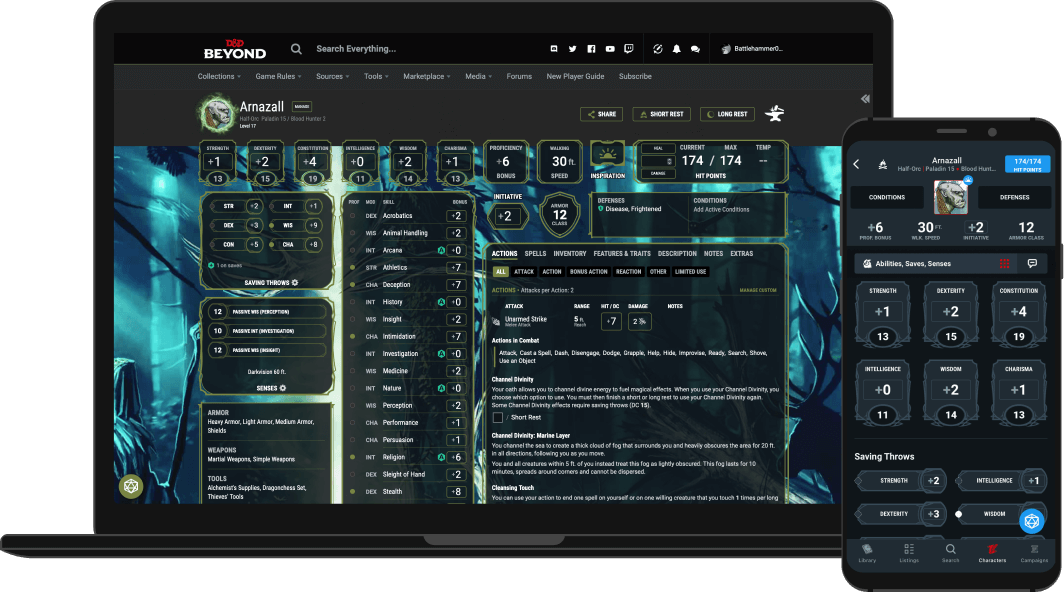
Quick Answer: What Is a DND Character Creator?
Jenova is an AI platform that functions as a DND character creator—helping you name, build, and backstory a 5e character in one conversation. You keep your group’s preferred sheet; the platform handles the creative and design work those sheets do not.
Key capabilities:
- Culturally fluent names and titles via Name Generator
- Personality, ideals, and roleplay voice that stay consistent at the table
- Class fantasy and build notes through Game Designer Assistant
- Backstory, secrets, and session-zero hooks you can paste into any digital sheet
Why DND Character Creation Still Feels Hard
Dungeons & Dragons remains a large commercial hobby. Community analysis of Wizards of the Coast reporting put D&D revenue around $460 million in 2025. Adjacent tabletop spending is also substantial: the global tabletop and boardgame subscription box market was valued at USD 3.69 billion. Crowdfunding interest stays high as well—Neon Odyssey: Space Opera in D&D sits among the most funded tabletop Kickstarter projects.
The audience is large. The first-session bottleneck has not disappeared. But assembling a character that is both rules-legal and worth roleplaying is still frustratingly difficult:
- Official builders hide options behind ownership, sharing, and “expanded rules” toggles
- Players juggle a licensed builder in one tab and a virtual tabletop in another
- Mechanical optimization and character voice get built in different tools, then never meet
- Names, personalities, and backstories default to generic fantasy clichés under time pressure
- Mobile and tablet builders are not always reliable the night before game night
Licensed builders gate the options you thought you had
D&D Beyond’s guided builder is widely used, and for good reason: it encodes species, classes, spells, and equipment against the books a table owns. That same design creates confusion. Players report content missing from the builder even when a book is owned or shared—Strixhaven options, for example, only appear when Expanded Rules are enabled, licenses are synced, and shared content is assigned to the right campaign. A DND character creator that only works after you debug entitlements is a rules database, not a character workshop.
Your sheet app is not your story app
Many groups run combat on a VTT and keep the “official” sheet elsewhere. Players describe switching between D&D Beyond and Roll20 as tedious, and Roll20’s own 2024 sheet is still missing features such as printability and a mature builder for newer content. None of those tools write a convincing bond, a secret the DM can use, or a name that fits a culture. The sheet records the character. It does not invent one.
Mechanics and personality get built in the wrong order
New players often pick a class because the icon looks cool, then freeze on ability scores. Experienced players reverse the problem: they min-max a damage loop, then invent a personality in the parking lot. Tables have long struggled to get players to put real effort into the person behind the numbers. A useful DND character creator has to hold both jobs at once—class fantasy and inner life—or the party cohesion work falls entirely on the DM during session zero.
Generic names and thin backstories waste the first hour
Random name lists collide with setting tone. “Grim Darkblade the Tragic Orphan” does not tell the table how the character speaks, what they want, or why they would stay with these particular adventurers. Under time pressure, players skip ideals, bonds, and flaws, then spend the first three sessions discovering they have no reason to care. Naming, personality, and story are not flavor text. They are how the character enters play.
Last-minute creation collides with unreliable mobile builders
Game night is often when the new player finally opens a builder. Community threads document
and crashes on iPad when creating or editing characters. If the only path to a legal sheet is a fragile web form, the creative work never starts.This is exactly what Jenova was built for.
The Jenova Solution
Jenova does not replace your group’s licensed character sheet. It fills the gap those sheets leave: identity, voice, class fantasy, and a backstory the DM can actually use. You describe the character you want; specialized agents handle naming, personality, mechanical notes, prose, and visual direction. You then copy the result into D&D Beyond, Roll20, paper, or any other sheet.
While D&D Beyond specializes in licensed 5e options against owned sourcebooks, Jenova specializes in the creative layer—names, psychology, story, and build intent—without requiring a particular publisher’s app.
| Traditional Approach | Jenova |
|---|---|
| Dropdown builder locked to owned/shared books | Creative work first; paste stats into whatever sheet you already license |
| Name list + blank backstory box | Culturally fluent names plus personality, secrets, and hooks |
| Optimize damage, invent a person later | Class fantasy and inner life designed together |
| Beyond in one tab, VTT sheet in another | Sheet-agnostic notes, prose, and prompts |
| Session zero as damage control | Session-zero packet ready before you sit down |
Names, titles, and cultural texture
A 5e character lives or dies on the first thing the table hears. Name Generator treats naming as design, not a dice roll: etymology, culture, pronunciation, and the difference between a given name, a war-name, and a title the party will actually use. Ask for a Waterdhavian scoundrel, a mountain-dwarf clan name, or an aarakocra sky-name that does not sound like a video-game handle. You get options with meaning, not a dump of apostrophes.
Personality that survives other players
Sheets list ideals, bonds, and flaws as three short lines. Play needs more: how the character argues, what they hide, and which party member they will protect. Personality Analyzer synthesizes traits into patterns you can roleplay; MBTI Personality Guide is useful when you want a cognitive-style sketch (how they decide, how they clash) without turning the PC into a forum type description. The goal is a voice you can hold for a campaign, not a buzzword on a form.
Class, species, and build intent
You still need numbers that work at your table’s power level. Game Designer Assistant is the mechanical half of a DND character creator: it can walk species/class/subclass tradeoffs, flag where a concept fights the rules, and suggest a build that serves the fantasy (“tank who never drops rage,” “knowledge cleric who is bad at lying”) rather than a generic DPS template. Use it to decide why Strength 16 and Constitution 12 belong on this dwarf fighter—then enter those scores in your sheet of record.
Backstory, secrets, and a reason to stay
Film Screenwriter is the right tool for arc, not just origin. A useful 5e backstory is short, playable, and full of handles for the DM: a debt, a missing sibling, a faction that will show up at level 5. Ask for a one-page origin, three secrets ranked by how soon they should surface, and a session-zero pitch the rest of the party can hear without spoiling the private material.
Visual identity and lore research
If you want a portrait reference, a comic splash, or a manga-style turnaround, Comic Creator, Manga Creator, and Art Advisor cover costume, silhouette, and period-consistent detail so your token or commission brief is specific. For setting facts—Sword Coast politics, a house’s heraldry, a monster’s ecology—Deep Research synthesizes sources with citations so your character’s job, religion, and enemies are grounded instead of vaguely “from a village.”
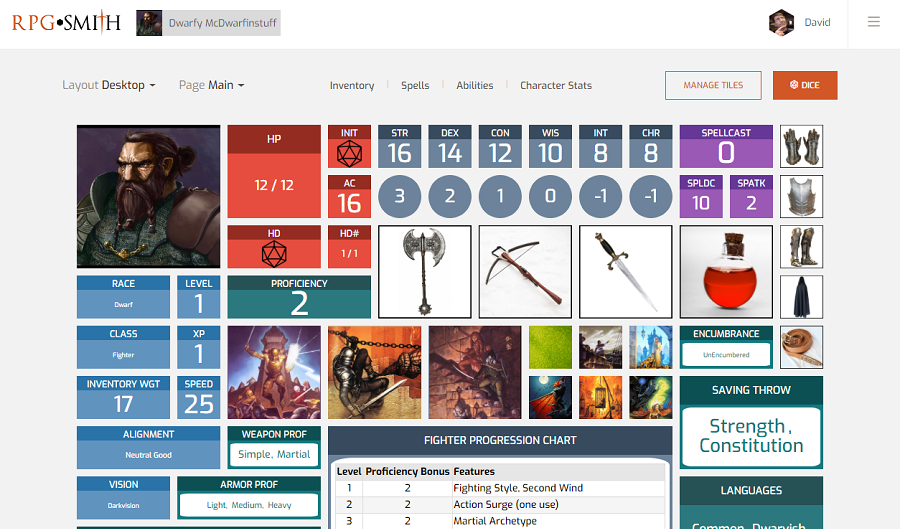
A finished digital sheet—ability scores, AC, weapons, features—is the last mile. The work above is what makes that sheet belong to a person.
Specialized AI Agents for DND Character Creation
These agents map to the jobs players actually do in the week before a campaign. Try Jenova free—no credit card required.
Name Generator
Name Generator is the fastest way to stop a character from sounding like every other tabaxi rogue. It is built for cultural fluency and linguistic structure, which matters when your table cares about dwarven clan markers, Elvish cadence, or a human name that fits a specific city.
- Produce given names, epithets, and aliases with etymology you can use in play
- Match phonology to species, region, and social class
- Keep a shortlist the party can pronounce after one beer
Game Designer Assistant
Game Designer Assistant is the build desk: systems analysis, documentation, and concept work across genres. For 5e, that means turning “I want to be hard to kill and a little reckless” into species, class, fighting style, and ASI priorities—then explaining the tradeoffs in plain language.
- Compare class/subclass paths against a stated fantasy
- Flag rules tension (flying races in melee, MAD casters, overlapping concentration)
- Output a one-page build brief you can transcribe into any official sheet
Film Screenwriter
Film Screenwriter treats the PC as a protagonist with structure, not a tragic paragraph. That is the difference between a backstory the DM files away and one that generates scenes.
- Compress origin, want, and wound into a session-zero pitch
- Write dialogue samples so you know how the character sounds
- Separate public history from private secrets the DM can deploy
Personality Analyzer
Personality Analyzer is for the inner life that ideals/bonds/flaws only sketch. It pulls patterns from Big Five, MBTI, Enneagram, and attachment language when those frames help—and ignores them when they do not.
- Turn a vague “gruff but loyal” into specific tells, triggers, and growth
- Predict party friction before it derails session two
- Keep a living personality file as the campaign changes the character
Comic Creator and Lyric Writer
Comic Creator turns costume and pose into sequential art you can use as a portrait brief. Lyric Writer is the bard’s (or the party’s) flavor tool: a hymn, a work song, or a two-verse tavern rumor that makes the character exist in the world’s soundscape, not only on the sheet.
How It Works
Step 1: State the fantasy before the numbers
Open Jenova and describe the person, not the optimization. Include table constraints (2014 vs 2024 rules, starting level, tone, banned content). A concrete brief beats “make me a cool fighter.”
"Level 1 dwarf fighter, mountain clan, Neutral Good. I want a stubborn guardian who is better in a shield wall than in a duel. Table uses 2014 5e, starting equipment only, no flying races. Give me three class-fantasy directions before we touch ability scores."
Step 2: Lock the name and the voice
Send the shortlist from Name Generator back with pronunciation notes, then ask for speech patterns: vocabulary, what they never joke about, how they address a noble versus a tavern keeper. If you want a structured type sketch, bring in the MBTI guide as a supplement, not a substitute for playable detail.
"From this shortlist, pick a dwarven name that sounds like a clan craftsman, not a warlord. Add a childhood nickname the party might discover. Write eight lines of in-character speech: haggling for rations, then refusing to leave a wounded stranger."
Step 3: Make the build serve the person
Use Game Designer Assistant to choose fighting style, skill priorities, and the first two feats or ASIs—always tied to the fantasy you already locked. The output should be a transcription guide (scores, proficiencies, equipment), not a replacement for your licensed builder.
"Translate this guardian dwarf into a level 1 5e stat snapshot: point-buy, Defense fighting style, greataxe versus warhammer-and-shield recommendation, and why CON before STR for this character. List what I should type into my character sheet."
Step 4: Write playable story, not a novella
Ask Film Screenwriter for a one-page origin, three DM-facing secrets, and a public pitch. Keep it short enough to read aloud. If the table likes icebreakers, Quiz Maker can turn those details into a five-question session-zero quiz so the party learns each other without a monologue.
"Write a 250-word backstory, three secrets ranked by when they should surface, and a four-sentence pitch I can read at session zero. No dead parents unless they create a living NPC the DM can use."
Step 5: Package for sheet, token, and phone
Copy scores and features into your group’s official tool. Save personality, secrets, and name etymology in the same Jenova thread so they persist. If you need a portrait brief, generate costume notes or a comic splash; if you play on a phone, reopen the thread on iOS or Android and read the pitch on the walk to the table.
Results & Use Cases
📊 Session-zero party that actually fits together
- Scenario: Four friends start a campaign this weekend. Two have never filled a 5e sheet. The DM asked for “characters who want to travel together,” not four loners with identical tragic pasts.
- Traditional Approach: Four separate Beyond profiles, four unrelated orphans, 40 minutes of retcon at the table.
- Jenova: Shared constraints go into one workflow—tone, starting town, banned clichés. Film Screenwriter produces interlocking hooks (a shared employer, a debt, a sibling in another PC’s faction) while each player still owns their class fantasy.
- Shared secrets the DM can use in session two
- Names the group can pronounce
- A public pitch per PC, under one minute
💼 Optimized build that still has a person attached
- Scenario: A veteran player wants a high-Constitution frontliner who is not “barbarian but boring.” They care about action economy and about sounding like a specific dwarf.
- Traditional Approach: Forum build + leftover personality. The character is a feature list with an accent.
- Jenova: Game Designer Assistant maps fighting style, equipment, and first-ASI plan to the guardian fantasy; Personality Analyzer specifies tells (who they protect first, how they fail a Wisdom save in character).
- Mechanical notes you can transcribe into any licensed sheet
- Roleplay cues tied to the same decisions as the stat block
- Fewer “why would my PC stay with the party?” conversations
🎯 Political PC for an intrigue table
- Scenario: The campaign is courts, factions, and knives, not dungeon rooms. The player needs a character who can read a room—and a name that belongs in that court.
- Traditional Approach: Charisma dump-stat fighter, or a face with no strategy beyond Persuasion rolls.
- Machiavelli Mentor: Incentive mapping, loyalty tests, and “what this NPC actually wants” notes that make a courtier or spymaster playable. Pair with Name Generator for house names and titles.
- Faction goals you can hand the DM
- In-character negotiation tactics, not generic “I roll Persuasion”
- A character who has a plan after the first banquet
📱 Character on the train, sheet at the table
- Scenario: Game night is after work. The new player has a phone, a vague “bird person who rages” idea, and twenty minutes.
- Traditional Approach: Official mobile builder lag or a crash; they arrive with a blank sheet.
- Jenova: Same conversation on iOS or Android—name, voice, and a level 7 aarakocra barbarian brief (rage, reckless attack, fly speed as a story and tactics problem). They paste scores into the group’s sheet at the venue.
- Full feature parity across phone and desktop
- Creative work that does not depend on a single vendor’s mobile form
- A pitch they can read from the lock screen while dice are being unpacked
FAQ
Is Jenova a free DND character creator?
Jenova has a free tier with core features and limited monthly usage, plus paid tiers if you need more volume. You can run a full character-creation conversation—name, personality, build notes, backstory—without buying a specific 5e sourcebook inside Jenova. Your table’s licensed sheet (D&D Beyond, a VTT, or paper) remains the place you record official options you own.
How is this different from D&D Beyond’s character builder?
D&D Beyond is a licensed 5e database and guided sheet: it is strongest when you own or have shared the books, and it will correctly attach spells, items, and features. Jenova is a creative and design layer. It will not replace entitlement checks for Strixhaven or any other book. It will name the character, write the voice, and explain why this class fantasy wants these scores—then you type the legal options into Beyond.
Can Jenova output a legal 5e stat block?
It can produce a clear transcription guide: ability scores, species and class intent, skill priorities, fighting style, and equipment. You should still enter official options in a licensed tool your DM accepts. Treat the AI as a designer sitting next to you, not as a substitute for the Player’s Handbook or your app’s rule validation.
Does a DND character creator on Jenova work on mobile?
Yes. Web, iOS, and Android share the same conversations and settings, including speech-to-text if you would rather talk through a backstory than type it. That matters when official builders
or fail on tablets the night before a session.Can I create names and backstories for any species or class?
Yes. Name Generator and Personality Analyzer are not limited to a single sourcebook list. Describe the culture, phonology, and tone you want—canonical Forgotten Realms, a homebrew city, or “no apostrophes, please.” Mechanical eligibility still depends on what your DM and your licensed sheet allow.
How accurate is the rules advice?
Build notes are a starting point. 5e has 2014 and 2024 rules, table house rules, and content that only appears if you own it. Ask the agent to state which ruleset it is using, then verify features in your sheet of record. For lore-heavy concepts, Deep Research is the better tool for cited setting facts; for numbers, keep the DM as the final authority.
Bring a Person to the Table, Not Just a Sheet
A DND character creator should do more than fill boxes. The hobby is large, the tools are fragmented, and the first night of a campaign still fails when a legal stat block has no voice. Jenova’s answer is a platform workflow: Name Generator for identity, Game Designer Assistant for build intent, Film Screenwriter for playable story, and personality tools that keep the character consistent after the dice come out.
You do not have to abandon the sheet your table already trusts. You have to stop starting there.
Explore the full agent library at Jenova and walk into session zero with a name, a reason to stay, and numbers you can transcribe in minutes.
For Developers: Every agent in this article is available programmatically via the Jenova API — build AI-powered character creation into your application with a single integration. Full documentation →