Comic Book Art Styles: The Complete Visual Guide for Creators (April 2026)
2026-04-25
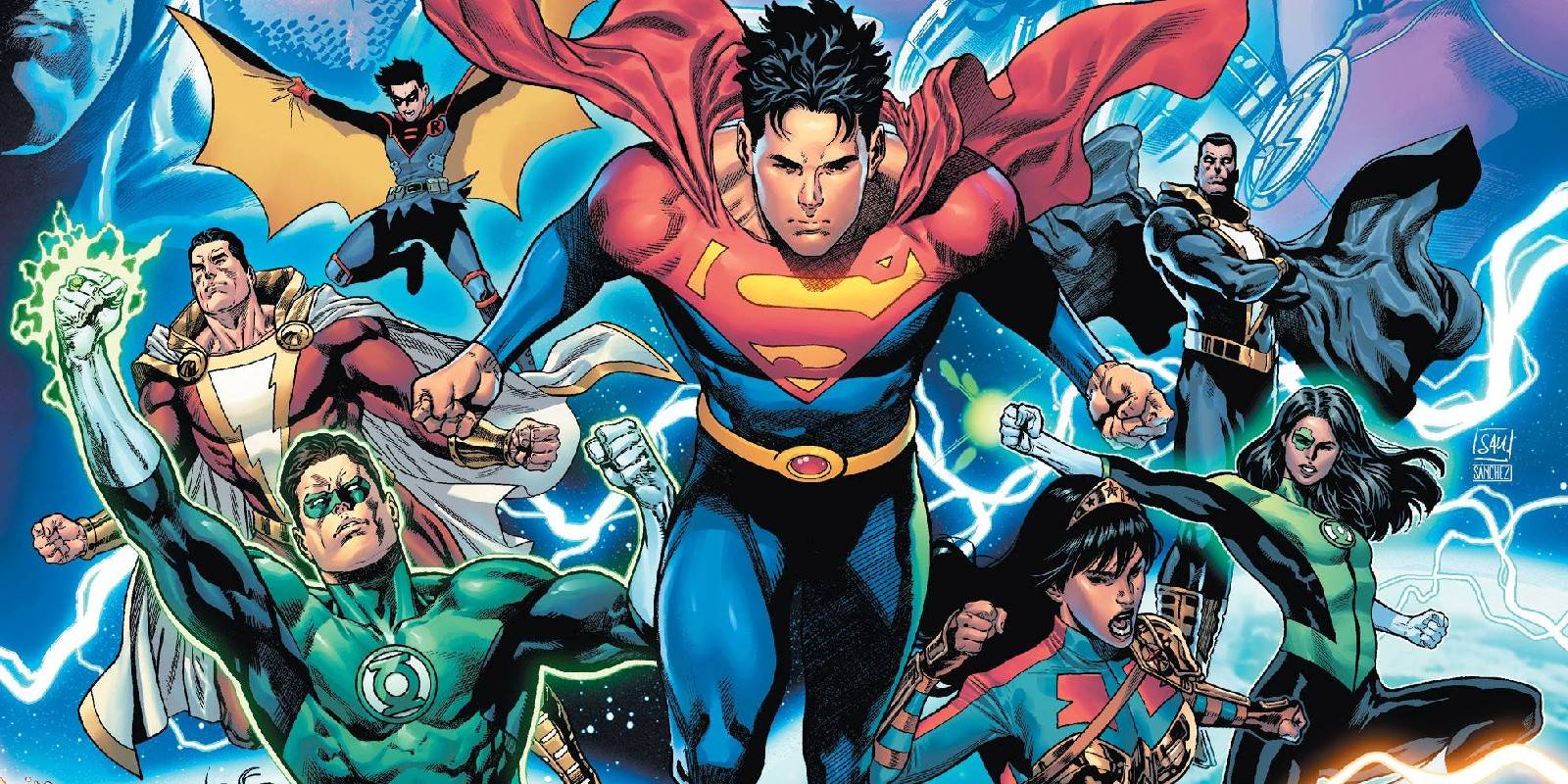
Comic book art styles are the visual DNA of sequential storytelling — and in 2026, they've never been more diverse, more accessible, or more commercially significant. The global comic book market reached USD 17.69 billion in 2025 and is projected to grow to USD 18.63 billion this year, with the graphic novel market alone estimated at USD 18.1 billion (Fortune Business Insights; Business Research Insights).
Whether you're drawn to the bold linework of American superhero comics, the expressive emotion of manga, the atmospheric detail of European bandes dessinées, or the experimental edge of indie zines, understanding these styles is the first step toward creating your own. Jenova's Comic Creator helps artists and writers bring any of these styles to life — from script to finished panels with consistent character art across entire issues.
This guide covers the history, defining characteristics, and modern trends of every major comic book art style, plus practical guidance on choosing and creating in the style that fits your story.
Quick Answer: What Are Comic Book Art Styles?
Comic book art styles are the distinct visual approaches — linework, color palettes, panel layouts, shading techniques, and character design conventions — that define how a comic looks and feels.
- American Superhero: Bold lines, dynamic poses, vibrant colors, exaggerated anatomy
- Manga: Expressive eyes, screen tones, emotion-driven pacing, black-and-white mastery
- European (Franco-Belgian): Detailed backgrounds, atmospheric realism, ligne claire precision
- Indie/Alternative: Experimental layouts, personal narratives, diverse visual approaches
- Digital-First/Webtoon: Vertical scroll, full color, mobile-optimized panel flow
Each style carries its own storytelling grammar. The Comic Creator on Jenova supports six professional art style templates — Superhero, Noir, Indie, Franco-Belgian, Cartoon, and Realistic — so you can work in any tradition from your first panel.
The Problem: Mastering Comic Art Styles Is Harder Than Ever
The explosion of styles, tools, and platforms in 2026 has created a paradox: more creative freedom than ever, but more barriers to actually producing finished work.
The Knowledge Gap
Comic book art styles span nearly a century of evolution — from the simple grids of the Golden Age to the hyper-detailed digital paintings of today. New creators face an overwhelming landscape. As QinPrinting notes in their 2026 guide, "the styles in comic design are as wide and diverse as the artists who create them," ranging from "stick people to works that are effectively figurative fine art" (QinPrinting).
The Consistency Problem
Even artists who master a style struggle with consistency across dozens or hundreds of panels. Character proportions drift, backgrounds lose detail, and color palettes shift — especially across long-form projects like graphic novels or serialized webtoons.
The Production Bottleneck
Industry reports indicate a 12% annual increase in graphic novel sales, outpacing traditional book markets. — Intel Market Research, February 2026
Demand for comic content is surging, but production remains slow. Traditional comic art requires managing pencils, inks, colors, and lettering across every page. Digital tools speed things up, but as comic artist Rene Arreola observes, each method has tradeoffs: "Traditional comic art has a unique charm and authenticity... Digital comic art allows for faster production times" (Rene Arreola).
This is exactly what Comic Creator was built for — bridging the gap between creative vision and finished comic art, regardless of your drawing ability.
The Evolution of Comic Book Art Styles
Understanding where these styles came from helps you use them with intention. Comic art historian resources like the Norman Rockwell Museum and 99designs divide the medium into distinct eras, each with defining visual characteristics.
🟡 The Golden Age (1938–1956)
The era that gave us Superman, Batman, and Wonder Woman. Art was functional rather than flashy — simple forms, bold outlines, and flat primary colors dictated by the printing limitations of newsprint.
Key characteristics:
- Basic square grid panel layouts
- Simple cartooning with more dialogue than imagery
- Bold, patriotic color palettes (reds, blues, yellows)
- Straightforward sequential storytelling
Iconic artists: Jack Kirby, Joe Shuster, Bob Kane
As Mainland Printing's 2026 guide notes: "This era was all about action and adventure, with a focus on clear storytelling and iconic imagery."
⚪ The Silver Age (1956–1971)
Printing improved, and so did the art. Surrealism crept in, compositions became dynamic, and the Pop Art movement — led by Roy Lichtenstein — elevated comic panels into fine art.
Key characteristics:
- Surrealist influences and abstract compositions
- More sophisticated cover art representing themes over action
- Science fiction elements and colorful, alien worlds
- Pop Art crossover into mainstream culture
Iconic artists: Steve Ditko, Jim Steranko, Jack Davis
🟤 The Bronze Age (1971–1985)
Realism arrived. Comics tackled drug addiction, racism, and urban poverty. The art followed suit — photorealistic cityscapes, cinematic lighting, and characters who looked like real people.
Key characteristics:
- Photorealistic depictions of urban environments
- Cinematic depth of focus and dramatic lighting
- Moodier, darker color palettes
- More panel time for alter-ego civilian life
Iconic artists: Neal Adams, Frank Miller (early work), John Romita Sr.
⚫ The Dark Age (1985–1996)
Watchmen and The Dark Knight Returns deconstructed the superhero myth. Night became the default setting. Noir influences dominated — long shadows, rain-slicked streets, morally ambiguous anti-heroes.
Key characteristics:
- Strategic lighting and heavy shadow work
- Noir-inspired atmospheres: smoke, rain, silhouettes
- Psychological horror influences with disturbing angles
- Mature, deconstructionist narratives
Iconic artists: Frank Miller, Todd McFarlane, Mike Mignola
🔵 The Modern/Ageless Age (1996–Present)
The current era defies categorization. Digital tools, global influences, indie publishers, and webcomics have created what 99designs calls "a nebulous mass of nerd wonder." Everything from The Walking Dead's stark black-and-white to Saga's lush watercolor-digital hybrid coexists.
Key characteristics:
- Digital painting, 3D modeling, and hybrid techniques
- Extreme stylistic diversity — no dominant "house style"
- Manga-Western fusion and cross-cultural pollination
- Webcomic and vertical-scroll formats alongside print
Iconic artists: Alex Ross, Fiona Staples, Peach Momoko, Jim Lee
Why Comic Creator
Instead of spending years mastering every technique from inking to digital coloring, the Comic Creator on Jenova lets you focus on what matters most: your story.
| Dimension | Traditional Workflow | Comic Creator on Jenova |
|---|---|---|
| Character consistency | Requires constant reference checking | Reference sheet architecture maintains consistency across 200+ panels |
| Art style selection | Years of practice per style | Six professional templates: Superhero, Noir, Indie, Franco-Belgian, Cartoon, Realistic |
| Production speed | Weeks per issue | Script-to-panels in a single session |
| Panel layouts | Manual composition for every page | Intelligent sequential layouts with speech bubble integration |
| Story memory | Notes and outlines scattered across files | Persistent memory across sessions — characters, plot threads, and world details carry forward |
The Comic Creator doesn't replace artistic vision — it amplifies it. You bring the story, the style direction, and the creative decisions. The Agent handles the production pipeline.
"I want a noir-style detective comic set in 1940s Shanghai. The protagonist is a former police detective with a scar across her left cheek. Start with a rainy rooftop scene."
That single prompt initiates character reference sheets, establishes the visual style, and begins panel production — all within one conversation.
The Major Comic Book Art Styles in Detail
🦸 American Superhero Style
The most globally recognized comic art style. Popularized by Marvel and DC, it's defined by dynamic energy, anatomical exaggeration, and a focus on action and movement.
Defining techniques:
- Bold, confident ink lines with variable weight
- Exaggerated musculature and dramatic foreshortening
- Vibrant, saturated color palettes
- Splash pages and double-page spreads for impact moments
Best for: Action, adventure, sci-fi, and fantasy narratives with larger-than-life characters.
Print specs: 105gsm–128gsm gloss art paper for maximum color saturation (Mainland Printing).
🌸 Manga Style
Originating in Japan, manga has become the dominant global comic format — Asia Pacific holds 53.25% of the worldwide comic market (Fortune Business Insights). Its influence on Western comics continues to deepen in 2026.
Defining techniques:
- Simplified linework with expressive, oversized eyes
- Screen tones (halftone dot patterns) for shading
- Primarily black and white with strategic use of gray
- Dynamic, non-traditional panel layouts and gutters
- Emotion-driven pacing — entire pages dedicated to a single reaction
Sub-styles: Shonen (action-adventure), Shojo (romance/drama), Seinen (mature themes), Josei (adult women's narratives)
Best for: Character-driven stories, romance, action, horror, slice-of-life — virtually any genre.
Jenova's Manga Creator specializes in this tradition, with consistent character art across 200+ page serialized epics and authentic panel flow that respects manga's right-to-left reading conventions.
🏰 European (Franco-Belgian) Style
Often overlooked in American discussions, European comic art — from Tintin's ligne claire to Blacksad's painterly realism — represents some of the most technically accomplished work in the medium.
Defining techniques:
- Detailed, architecturally accurate backgrounds
- Atmospheric rendering with sophisticated color theory
- Strong narrative focus with mature, literary themes
- Ligne claire: uniform line weight, flat colors, no hatching (Hergé tradition)
- Painterly: rich textures, realistic lighting, cinematic composition (Juanjo Guarnido tradition)
Best for: Historical fiction, political thrillers, literary adaptations, fantasy epics, and detective stories.
🎨 Indie/Alternative Style
The beating heart of contemporary comics. As QinPrinting observes, "the beating heart of the comic industry is now firmly ensouled in the body of independent and small press creators."
Defining techniques:
- Highly personal, often autobiographical visual approaches
- Experimental panel layouts and page compositions
- Mixed media: watercolor, collage, woodcut, digital hybrid
- Prioritizes emotional authenticity over technical polish
Notable examples: Saga, Scott Pilgrim, Fun Home, This One Summer, Maus
Best for: Personal narratives, literary fiction, memoir, experimental storytelling.
📱 Digital-First / Webtoon Style
The fastest-growing format in 2026. Designed for smartphone consumption, webtoons use vertical scrolling instead of page turns, fundamentally changing how panels are composed and paced.
Defining techniques:
- Vertical scroll rhythm — panels flow downward, not across
- Full color as standard (unlike print manga)
- Variable panel widths for dramatic emphasis
- Cliffhanger endings optimized for episodic release
- Simplified backgrounds with focus on character close-ups
Jenova's Webtoon Creator is purpose-built for this format, with scroll rhythm mapping, panel width variation, and export presets for LINE Webtoon, Tapas, and Lezhin.
Featured Agents for Comic Creators
Comic Creator
Your personal comic book artist for crafting complete stories in any Western comic tradition. From single issues to epic graphic novel sagas.
- Reference sheet architecture for character consistency across 200+ panels
- Six professional art style templates (Superhero, Noir, Indie, Franco-Belgian, Cartoon, Realistic)
- Intelligent sequential panel layouts with speech bubble integration
- Persistent story memory across sessions
Manga Creator
Specialized in Japanese manga storytelling conventions — from one-shots to serialized epics.
- Authentic manga panel flow and reading direction
- Screen tone and inking style options
- Shonen, Shojo, Seinen, and Josei genre awareness
- Consistent character art across long-form series
Webtoon Creator
Mobile-first vertical scroll storytelling for the digital-first generation.
- Scroll rhythm mapping for optimal pacing
- Full-color production with episode hook optimization
- Platform-specific export presets (LINE Webtoon, Tapas, Lezhin)
- Panel width variation for dramatic emphasis
Graphic Designer
For creators who need supporting visual assets — cover designs, promotional graphics, character turnarounds, and brand identity for their comic series.
- Cover composition and typography
- Social media promotional assets
- Character design sheets and style guides
- Print-ready file preparation
Start with Comic Creator free — no credit card required.
How It Works: From Concept to Finished Comic
Here's how to go from an idea to polished comic panels using the Comic Creator:
1. Choose Your Art Style
Tell the Agent which visual tradition you want to work in. Be specific about influences:
"I want a noir-influenced indie style — think Mike Mignola meets Jeff Lemire. Heavy shadows, minimal linework, muted earth tones with occasional red accents."
2. Build Your Character Reference Sheets
Before any panels are drawn, the Agent creates reference sheets for your main characters — front, side, and three-quarter views with consistent proportions, clothing details, and color palettes.
"My protagonist is a 35-year-old Korean American woman, athletic build, short asymmetric haircut. She wears a leather jacket over a faded band t-shirt. Her expression defaults to guarded skepticism."
3. Script Your Scene
Provide your script — from a loose outline to panel-by-panel descriptions. The Agent adapts to your level of detail:
"Page 1: Four panels. Panel 1 — wide establishing shot of a rain-soaked alley at night. Panel 2 — close-up of a hand pulling a photograph from a puddle. Panel 3 — medium shot of the protagonist examining the photo under a streetlight. Panel 4 — the photo shows a person she recognizes — her expression shifts from curiosity to shock."
4. Generate and Refine
The Agent produces panels following your script, maintaining character consistency and style coherence. Review, request adjustments, and iterate:
"Panel 3 needs more dramatic shadow on the left side of her face. And push the streetlight glow warmer — more amber, less white."
5. Continue Across Sessions
Return days or weeks later. The Agent remembers your characters, your story, your style preferences, and where you left off. Pick up exactly where you stopped.
Results & Use Cases
📚 Graphic Novel Production
Scenario: An author has a 120-page graphic novel script but no illustration budget.
Traditional approach: Hire an artist ($150–$300/page), wait 6–12 months for completion, manage revisions through email chains. Total cost: $18,000–$36,000.
Jenova approach: Use the Comic Creator to produce panels chapter by chapter, maintaining character consistency through reference sheet architecture. Iterate on style and composition in real-time conversation. Supplement with the Graphic Designer for cover art and promotional materials.
🎌 Manga Serialization
Scenario: A writer wants to launch a weekly manga series on a webcomic platform.
Traditional approach: Requires a dedicated mangaka or small studio. Weekly deadlines demand 15–20 finished pages, including storyboarding, penciling, inking, toning, and lettering.
Jenova approach: Use the Manga Creator to maintain the weekly cadence. The Agent's persistent memory tracks character designs, plot threads, and visual motifs across episodes — critical for serialized storytelling where consistency builds reader trust.
📱 Webtoon Launch
Scenario: A content creator wants to adapt their popular short story into a vertical-scroll webtoon.
Traditional approach: Learn vertical scroll composition from scratch, invest in Clip Studio Paint or similar software, spend months developing a production pipeline.
Jenova approach: The Webtoon Creator handles scroll rhythm, panel width variation, and full-color production. Export presets ensure the output meets platform specifications for LINE Webtoon or Tapas without manual reformatting.
🎓 Art Education
Scenario: A student studying comic art wants to understand how different styles handle the same scene.
Traditional approach: Study dozens of reference books, attempt to replicate styles through practice — a valuable but time-intensive process.
Jenova approach: Ask the Comic Creator to render the same scene in Superhero, Noir, and Franco-Belgian styles. Compare the results side by side to understand how linework, color, and composition choices create different emotional effects.
2026 Trends Shaping Comic Book Art Styles
The comic art landscape is shifting rapidly. Here are the trends defining this year:
Handmade Aesthetics Are Back
In reaction to AI-generated imagery, clients and audiences are gravitating toward art that shows the human hand. "Clients and consumers are increasingly looking for real illustrations with intention, emotional resonance and human insight," says Illozoo founder Mohamed Danawi (Creative Boom).
Bold, Clashing Color Palettes
Vintage comic-inspired palettes are surging — "bold, clashing combinations like purples and yellows, vibrant oranges, and electric greens," according to Illo Agency's Amy Milligan (Creative Boom).
2D-3D Hybrid Workflows
The success of Spider-Man: Into the Spider-Verse continues to influence comic art. Artists are merging 2D illustration with 3D modeling to create unique visual styles that feel both handcrafted and dimensionally rich (Creative Bloq).
Micro-Animation in Digital Comics
Subtle motion — blinking eyes, drifting smoke, flowing cloth — is being added to digital comic panels. This "micro animation" trend brings static art to life without becoming full animation, and it's particularly effective for webcomics and digital storefronts (Creative Bloq).
Niche Genre Explosion
LitRPG, Romantasy, Horrormantasy, and "Cozy" genres are crossing from prose into comics. ICv2's Rob Salkowitz predicts that "small and mid-tier publishers will sniff around for potential hits that further expand the palette of subject matter in both periodicals and graphic novels" (ICv2).
FAQ
What are the main comic book art styles?
The major styles include American Superhero (bold lines, dynamic action, vibrant colors), Manga (expressive eyes, screen tones, emotion-driven pacing), European/Franco-Belgian (detailed backgrounds, atmospheric realism), Indie/Alternative (experimental, personal narratives), and Digital-First/Webtoon (vertical scroll, full color, mobile-optimized). Each carries distinct conventions for linework, color, panel layout, and storytelling rhythm. Jenova's Comic Creator supports templates across these traditions.
How do I choose the right art style for my comic?
Match style to genre and audience. Superhero style suits action-adventure with larger-than-life characters. Manga works for character-driven stories across virtually any genre. European styles excel in literary and historical narratives. Indie approaches fit personal, experimental, or memoir-style stories. Consider your target readers' expectations and the emotional tone of your narrative (Mainland Printing).
Can I create comics without knowing how to draw?
Yes. AI-assisted tools have lowered the barrier to entry significantly. Jenova's Comic Creator converts scripts into sequential comic panels with consistent character art, professional layouts, and speech bubble integration — no drawing skills required. You direct the creative vision; the Agent handles production.
What's the difference between comics, manga, and webtoons?
Comics typically refer to Western-format publications (left-to-right reading, color, page-based). Manga is the Japanese tradition (right-to-left, primarily black-and-white, serialized). Webtoons are digital-first, vertical-scroll comics designed for smartphone reading. Each has distinct art conventions, pacing norms, and audience expectations. Jenova offers specialized agents for each: Comic Creator, Manga Creator, and Webtoon Creator.
How big is the comic book market in 2026?
The global comic book market is projected at USD 18.63 billion in 2026, growing at a CAGR of 4.75% through 2034. Asia Pacific dominates with 53.25% market share, driven by manga and anime culture. The graphic novel market is estimated at USD 18.1 billion, with graphic novel sales growing 12% annually — outpacing traditional book markets (Fortune Business Insights; Intel Market Research).
What trends are shaping comic art in 2026?
Key trends include a return to handmade aesthetics as a counterpoint to AI-generated imagery, bold vintage-inspired color palettes, 2D-3D hybrid workflows influenced by animated films, micro-animation in digital comics, and an explosion of niche genres crossing from prose into sequential art (Creative Boom; ICv2).
Conclusion
Comic book art styles are more than aesthetic choices — they're storytelling languages, each with its own grammar of emotion, pacing, and visual impact. From the patriotic simplicity of the Golden Age to the genre-blending experimentation of 2026, the medium continues to evolve while honoring its roots.
Whether you're creating a superhero epic, a manga romance, a noir detective story, or a vertical-scroll webtoon, the style you choose shapes how your audience experiences every panel.
Try Comic Creator now — bring your story to life in any art style, with consistent characters and professional layouts from your first page. Explore more creative agents at Jenova.