Best AI SEO Blog Generator: Research-Backed Articles That Actually Rank (June 2026)
2026-06-19
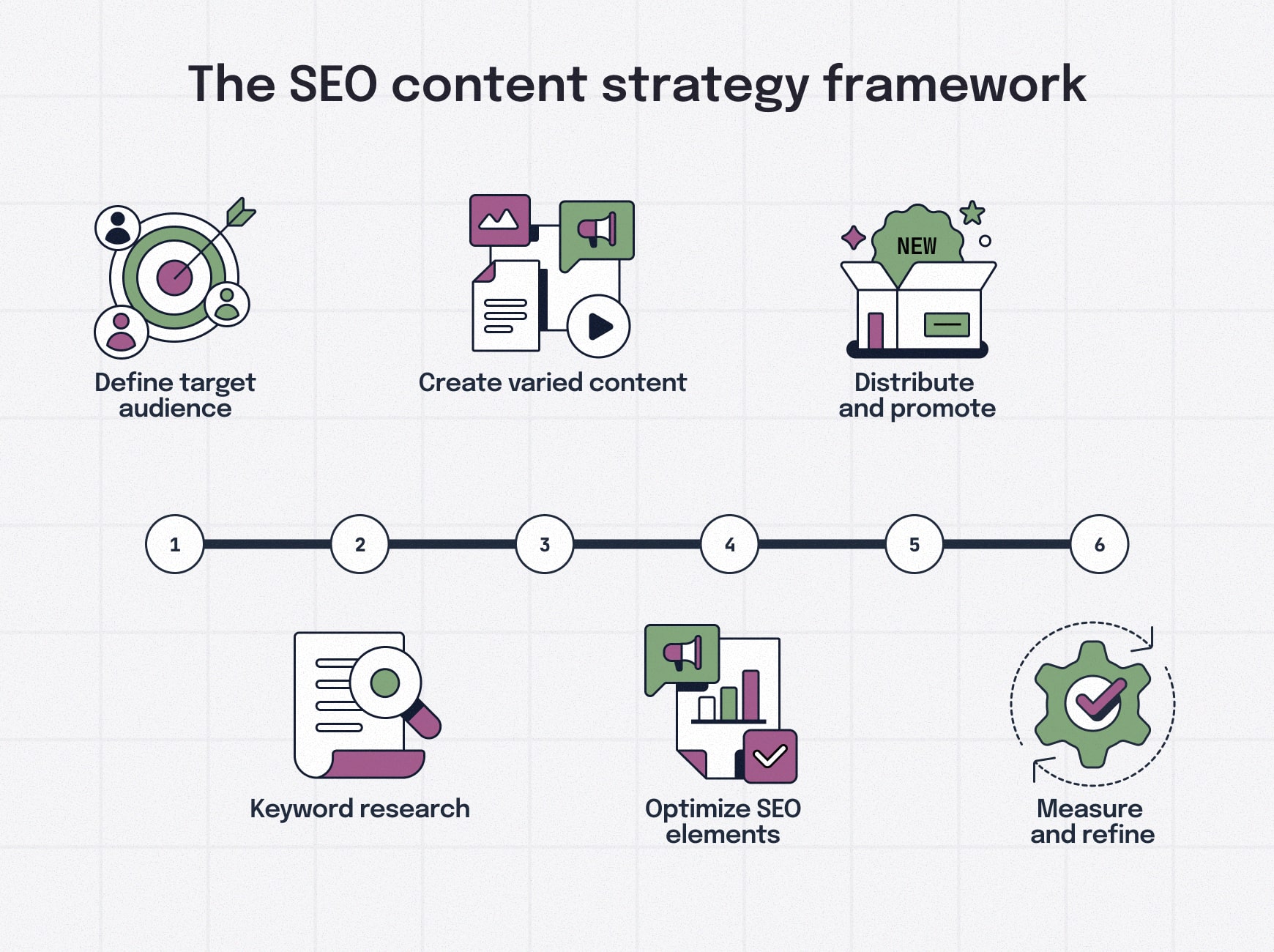
SEO Blog Generator is an AI-powered content strategist that researches your topic, gathers current statistics from authoritative sources, and produces fully structured, citation-rich blog articles optimized for Google's ranking signals — all in a single workflow. In 2026, the SEO content landscape has fractured: 86% of SEO professionals have integrated AI into their strategy, yet a controlled 16-month experiment across 2,000 fully AI-generated articles found that only 3% of pages held any position in the top 100 after six months. The problem isn't AI content — it's AI content without substance.
✅ Conducts live web research and pulls current statistics before writing a single word ✅ Produces inline-cited articles with verifiable source URLs — not hallucinated references ✅ Structures content for featured snippets, People Also Ask, and Google's E-E-A-T quality signals ✅ Generates complete, publish-ready articles with meta descriptions, keyword optimization, and proper heading hierarchy
The gap between "AI-generated" and "AI-generated content that ranks" is where most tools and most content teams fall short. Here's why that gap exists — and how to close it.
Quick Answer: What Is the AI SEO Blog Generator?
SEO Blog Generator is an AI content strategist that researches topics in real time, gathers cited data from authoritative sources, and produces fully optimized blog articles structured for Google rankings and featured snippet eligibility.
Key capabilities:
- Researches current statistics, trends, and industry data before drafting — every claim backed by a verifiable source
- Structures articles with proper heading hierarchy, featured snippet targeting, and schema-eligible FAQ sections
- Optimizes for primary and secondary keywords with natural density, semantic coverage, and long-tail variations
- Produces complete articles with meta descriptions, internal linking, and E-E-A-T signals built in
The Problem: Most AI Content Doesn't Rank
The AI content generation market in 2026 is saturated with tools that can produce a 1,500-word draft in under two minutes. The speed problem is solved. The ranking problem is not.
A 16-month controlled experiment across 2,000 fully AI-generated articles found rankings collapsed after three months — by six months, only 3% of pages held any position in the top 100 — Search Engine Land / SE Ranking study
Google AI Overviews now trigger on approximately 48% of all tracked search queries, a 58% year-over-year increase — SQ Magazine, AI Overviews Statistics 2026
The content landscape has shifted on two fronts simultaneously: organic search is harder to win, and the bar for what qualifies as "helpful content" keeps rising. Here's where most AI-generated content fails:
- No original research or data: Generic AI drafts lack the cited statistics, industry references, and authoritative sourcing that Google's quality raters look for
- Structural competence without substance: AI can produce grammatically correct, logically organized text — but raw AI output is "structurally competent but experientially hollow", containing nothing a non-expert couldn't have written
- Missing E-E-A-T signals: The absence of Experience, Expertise, Authoritativeness, and Trustworthiness signals is what caused 97% of fully AI-generated pages to fall out of the top 100 within six months
- Zero-click search expansion: With 58.5% of Google searches now ending without a click, content needs to be structured for extraction by AI engines — not just indexed by Googlebot
- The hidden cost of editing: At a $50/hour blended rate, editor labor alone runs [$25–$50 per article](https://spectreseo.com/blog/ai-blog-writing-tools-for-seo-content-2026-review) — a cost that appears nowhere on any AI tool's pricing page
📉 The Speed-Quality Trap
84% of enterprise marketers using AI-powered content tools report improved productivity — but productivity and ranking performance are not the same thing — Content Marketing Institute via Spectre SEO
Most AI content tools are optimized for one metric: speed. They generate drafts fast — but they generate drafts that need significant human editing to rank. Tools like Jasper ($59/seat/month), Surfer SEO ($49–$299/month), and Writesonic ($79–$399/month) each handle one or two stages of the SEO content workflow well, but none of them consolidate research, citation, drafting, and optimization into a single output. You end up stitching together a multi-tool stack — or spending hours editing generic drafts into something worth publishing.
🔄 The GEO Shift
Gartner predicted traditional search engine volume would drop 25% by 2026 due to AI chatbots and virtual agents — Gartner via LinkedIn
In 2026, "SEO-rich" no longer means just ranking on Google's blue links. It means being structured to be extracted and cited by AI engines — ChatGPT, Perplexity, Google's AI Overviews. The industry calls this Generative Engine Optimization (GEO), and it requires content that's authoritative, well-cited, and structured with clean data that AI systems can reliably reference.
💸 The Real Cost of the Current Approach
98% of marketers plan higher AI SEO spend in 2026, having moved from experimentation to seeking measurable value — Typeface, Content Marketing Statistics 2026
The math for most content teams looks like this: a $50–$200/month AI writing tool + a $49–$299/month SEO optimization platform + $25–$50 per article in human editing time. At 20 articles per month, the true per-article cost ranges from $30 to $75 — and that's before factoring in the time spent switching between platforms, copying and pasting between tools, and manually sourcing citations.
Why SEO Blog Generator
SEO Blog Generator collapses the entire SEO content workflow — research, citation, drafting, optimization, and structuring — into a single agent that produces publish-ready articles. It doesn't generate a draft you then need to research, fact-check, and optimize separately. It does the research first, then writes around what it finds.
This is the fundamental difference. Most AI content tools start with a prompt and produce text. SEO Blog Generator starts with research and produces evidence.
| Traditional AI Content Approach | SEO Blog Generator |
|---|---|
| Generates text first, leaves citation and fact-checking to you | Researches current data from authoritative sources before writing |
| Requires separate SEO tools for keyword analysis and content scoring | Builds keyword optimization, heading hierarchy, and snippet targeting into the article |
| Produces generic drafts with no external source references | Every statistic and claim includes an inline citation with a verifiable URL |
| Needs $50–$300/month in additional SEO tool subscriptions | Research, writing, and optimization consolidated in one agent |
| Outputs require 30–60 minutes of human editing per article | Produces structured, publish-ready articles with meta descriptions and FAQ sections |
| No E-E-A-T signals — no citations, no data, no demonstrated expertise | Builds authority through cited statistics, authoritative references, and expert-level domain coverage |
🔍 Research-First Workflow
The agent doesn't start typing and hope for the best. It searches for current statistics, industry data, competitive landscape information, and authoritative sources relevant to your topic — then constructs the article around verified findings. Every claim is grounded in a real, linked source.
"Write an SEO article about the best AI tools for real estate agents in 2026. Focus on lead generation and CRM integration."
📊 Citation-Rich Output
With 68% of marketers attributing higher content marketing ROI to AI when used strategically, the differentiator isn't whether you use AI — it's whether your AI-generated content carries the authority signals that drive rankings. SEO Blog Generator produces articles with 5–10+ inline citations from .gov, .edu, industry publications, and authoritative sources. No hallucinated URLs. No fabricated statistics.
"Write a data-backed article about remote work productivity trends for 2026. I need at least 8 cited statistics from reputable sources."
🎯 Structured for Rankings and Snippets
Every article follows a deliberate structure designed for Google's ranking signals and featured snippet eligibility: proper H1 → H2 → H3 heading hierarchy, FAQ sections formatted for People Also Ask, comparison tables for "X vs Y" queries, and numbered step-by-step sections for HowTo schema eligibility.
"Create an SEO blog post comparing AI coding assistants. Include a comparison table, FAQ section, and step-by-step guide for choosing the right one."
📈 Complete SEO Package
Each article ships with a meta description (150–160 characters), primary and secondary keyword integration, long-tail variations in FAQ questions, semantic coverage across the full topic, and internal linking strategy — not just the body text.

Related Agents You'll Also Find Useful
SEO content doesn't exist in isolation. It connects to the broader content strategy, the promotion channels, and the deep research that feeds authoritative writing.
Deep Research
When your article requires deeper investigation than a standard web search — competitive landscape analysis, industry trend synthesis, or multi-source data compilation — Deep Research searches hundreds of sources and synthesizes comprehensive, cited research reports. Feed its output directly into your SEO Blog Generator workflow for articles with unmatched depth.
- Searches and synthesizes hundreds of sources into structured research reports
- Produces cited findings you can reference directly in blog content
- Covers competitive analysis, market sizing, and trend identification
Social Media Content Generator
Once your SEO article is published, distribution drives initial traffic signals. Social Media Content Generator transforms your blog post into platform-native posts for LinkedIn, X, Instagram, and TikTok — maintaining brand voice consistency while adapting format and hooks for each channel.
- Platform-specific post formatting with engagement-optimized hooks
- Repurposes long-form blog content into social-ready snippets
- Maintains brand voice consistency across all distribution channels
Newsletter Generator
Email remains one of the highest-ROI content distribution channels. Newsletter Generator curates your published content into ready-to-send newsletter editions — turning your SEO articles into subscriber touchpoints that drive repeat traffic and engagement.
- Curates blog content into structured newsletter formats
- Ready-to-send generation with subject lines and preview text
- Drives repeat traffic from your subscriber base to published articles
How It Works
Step 1: Define Your Topic and Target Keyword
Tell the agent what you want to write about — a primary keyword, a topic area, or a specific question your audience is searching for. Include any additional context: target audience, preferred angle, specific agents or products to feature, or competitive positioning notes.
"Write an SEO article about AI tools for financial advisors. Primary keyword: 'AI for financial advisors.' Target audience: independent RIAs and wealth managers looking to automate client reporting."
Step 2: The Agent Researches Before Writing
SEO Blog Generator searches the web for current statistics, industry data, authoritative sources, and competitive landscape information relevant to your topic. It gathers the evidence base before drafting a single sentence — ensuring every claim in the final article is grounded in verifiable data.
"Make sure to include statistics on AI adoption rates in wealth management and the average time advisors spend on manual reporting."
Step 3: Receive a Fully Structured, Citation-Rich Article
The agent delivers a complete article: H1 title with primary keyword, meta description, introduction with credibility bullets, featured snippet-eligible Quick Answer section, data-backed problem analysis, solution positioning, step-by-step guide, use cases, FAQ, and conclusion with CTAs. Every statistic includes an inline citation link to its source.
"Can you add a comparison table between traditional reporting workflows and AI-assisted ones?"
Step 4: Iterate and Refine
Review the article and request targeted adjustments — shift emphasis between topics, add specific use cases, adjust tone for a different audience segment, or expand particular sections. The agent maintains full context across revisions.
"Expand the FAQ section with two more questions about compliance and data security. Also make the introduction more direct — less setup, faster to the value proposition."
Results & Use Cases
📊 SaaS Startup Building Organic Traffic From Zero
Scenario: A B2B SaaS founder needs to publish 8 SEO-optimized articles per month to build organic traffic, but has no content team and no SEO expertise. Previous attempts with ChatGPT produced articles that indexed but never ranked — no citations, no data, no structure beyond basic headings.
Traditional Approach: Subscribes to ChatGPT Plus ($20/month) for drafting, Surfer SEO ($99/month) for optimization, and spends 45 minutes per article manually sourcing statistics and reformatting. True per-article cost: ~$60 including tool amortization and editing time. Articles rank on pages 3–5 and plateau.
SEO Blog Generator: Produces complete, citation-rich articles with proper structure, keyword optimization, and featured snippet targeting in a single workflow. The founder reviews and publishes with minimal editing. Eight articles per month at a fraction of the multi-tool cost — each grounded in current data with verifiable sources.
- Multi-tool stack ($120+/month) consolidated into one agent
- Editing time reduced from 45 minutes to 10–15 minutes per article
- Every article ships with 5–10 inline citations from authoritative sources
💼 Marketing Agency Scaling Client Content Delivery
Scenario: A digital marketing agency manages SEO content for 8 clients across different industries. Each client needs 4 articles per month — 32 total. Current workflow: strategist creates a brief, writer produces a draft in Jasper ($59/seat/month), editor optimizes in Surfer ($182/month), and a fact-checker verifies claims manually. Full pipeline: 4–6 hours per article.
Traditional Approach: The agency pays for Jasper (2 seats: $118/month), Surfer Pro ($182/month), and allocates approximately 3 hours of editor time per article at $50/hour. Monthly content production cost: $5,100+ in labor alone, plus $300 in tool subscriptions.
SEO Blog Generator: The strategist provides topic, keyword, and client context. The agent delivers a research-backed, optimized draft that the editor reviews and client-customizes rather than building from scratch. Per-article production time drops from 4–6 hours to 1–2 hours.
- Per-article production time cut by 60–70%
- Citation sourcing automated — no separate fact-checking pass required
- Consistent article structure across all clients without manual template enforcement
📱 Freelance Blogger Publishing From Mobile
Scenario: A freelance content writer manages their own niche blog while traveling. They need to publish 2 articles per week to maintain traffic, but often work from their phone between client calls. Desktop-dependent tools like Surfer and WordPress plugins aren't practical for their workflow.
Traditional Approach: Drafts articles in Google Docs on mobile, struggles with formatting, manually searches for statistics between writing sessions, and publishes articles with minimal optimization. Traffic stagnates because content lacks the structural and data-backed elements that drive rankings.
SEO Blog Generator: From mobile, the blogger provides a topic and target keyword. The agent returns a complete, optimized article with citations, meta description, FAQ section, and proper heading structure — ready to copy into their CMS and publish.
- Full article production workflow accessible from mobile
- No desktop-dependent tools required — research, writing, and optimization handled in one step
- Consistent publishing cadence maintained regardless of location
🎯 E-Commerce Brand Building Topical Authority
Scenario: A DTC supplement brand wants to build topical authority in the "gut health" space to rank for high-value commercial keywords. Their current blog has 15 articles — mostly product descriptions — and ranks for almost nothing.
Traditional Approach: Hires a freelance writer at $0.15/word to produce 2,000-word articles ($300 each). Writer produces well-written content but without SEO structure, keyword optimization, or cited data. Articles read well but don't rank because they lack the authority signals Google requires in health-related (YMYL) content.
SEO Blog Generator: Produces YMYL-appropriate content with citations from .gov health sources, peer-reviewed references, and industry publications. Each article targets a specific keyword cluster within the gut health topic, building the interconnected content architecture that establishes topical authority.
- Health-related content backed by authoritative, cited sources — critical for YMYL rankings
- Topic cluster strategy built across articles for compounding authority
- Per-article cost dramatically lower than freelance writing with comparable depth
FAQ
Is the AI SEO Blog Generator free to use?
Yes. SEO Blog Generator is available on Jenova's free tier with full capabilities. Paid plans starting at $20/month unlock higher usage limits, custom model selection, and watermark-free document downloads — but the core research-backed writing functionality is accessible immediately at no cost.
How is this different from Jasper, Surfer SEO, or other AI content tools?
Most AI content tools specialize in one stage of the workflow: Jasper focuses on brand-voice drafting ($59/seat/month), Surfer on on-page optimization ($49–$299/month), and Frase on SERP-driven briefs ($49/month). SEO Blog Generator consolidates research, citation, drafting, and optimization into a single output — you don't need to stitch together a multi-tool stack or manually source citations after the draft is generated.
Does AI-generated content actually rank on Google?
Google doesn't penalize content for being AI-generated — it penalizes content for being unhelpful. The difference between AI content that ranks and AI content that doesn't comes down to E-E-A-T signals: cited sources, demonstrated expertise, original data, and proper structural optimization. SEO Blog Generator builds these signals into every article.
Can it handle YMYL (Your Money or Your Life) topics?
Yes. For health, finance, legal, and other YMYL topics, the agent prioritizes citations from .gov, .edu, peer-reviewed sources, and established industry publications. These authoritative references are essential for ranking in categories where Google applies heightened quality standards.
Does it work on mobile?
Yes. Jenova operates with full feature parity across web, iOS, and Android. You can provide a topic, receive a complete research-backed article, iterate on revisions, and download the final output entirely from your phone.
How current are the statistics and sources it uses?
The agent conducts live web research for each article, pulling current statistics, recent studies, and up-to-date industry data at the time of writing. It doesn't rely on static training data for factual claims — every cited statistic comes from a live search result with a verifiable URL.
Conclusion
The AI content generation market in 2026 is not short on tools that produce fast drafts. It is critically short on tools that produce content worth ranking. With only 3% of fully AI-generated pages holding any position in the top 100 after six months and 86% of SEO professionals now using AI in their workflows, the competitive advantage has shifted from using AI to using AI that produces authoritative, citation-backed, structurally optimized content — the kind that satisfies Google's E-E-A-T requirements and survives beyond the initial indexing honeymoon.
SEO Blog Generator closes the gap between speed and substance. It researches before it writes, cites every claim, structures for featured snippets and People Also Ask, and delivers complete articles with meta descriptions, keyword optimization, and proper heading hierarchy — in a single workflow, without a multi-tool stack.
Try SEO Blog Generator now — no credit card required. Explore the full agent library at Jenova.