Best AI for Tattoo Artists: Style Matching, Design Concepts & Business Strategy Across Every Tradition
2026-05-19
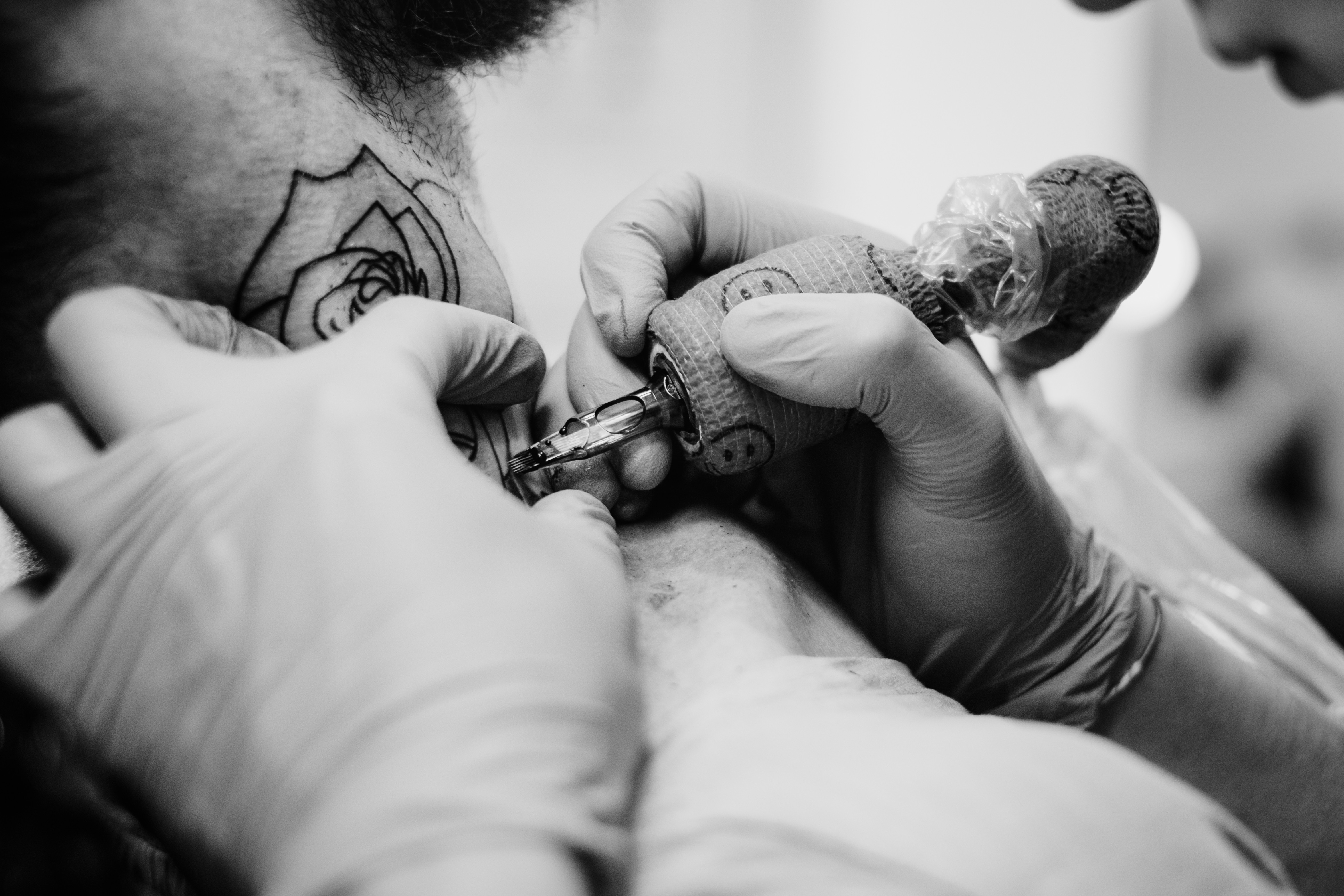
What if every tattoo consultation started with clarity instead of confusion? Whether you're a client struggling to describe the tattoo in your head or a working artist juggling design requests, pricing questions, and portfolio development between sessions, the gap between creative vision and execution has always been filled by expensive consultations, endless Pinterest scrolling, and guesswork. AI Tattoo Artist is the best AI for tattoo artists and clients alike — a veteran-level tattoo consultant that guides you through style discovery, generates visual design concepts, provides culturally informed placement advice, and delivers professional business support for working artists, all on demand.
✅ Style matching across 16+ traditions — from irezumi to cybersigilism to microrealism ✅ Visual design concept generation with iterative refinement ✅ Cultural context and protocols for sacred tattoo traditions worldwide ✅ Professional-grade business tools: pricing frameworks, portfolio critique, client communication ✅ Placement guidance factoring pain tolerance, aging, body contours, and career visibility
Since launching, this AI has helped over 22,000 tattoo clients and professional artists navigate style decisions, build design briefs, and refine business strategies — saving countless hours of miscommunication and thousands of dollars in consultation fees. Here's why finding the best AI for tattoo design and professional support has become essential in a rapidly evolving industry.
Quick Answer: What Is AI Tattoo Artist?
AI Tattoo Artist is a specialized tattoo consultant that matches you with the right style, generates design concepts, provides culturally informed guidance, and supports professional artists with business and technical expertise — all in a single conversation.
Key capabilities:
- Guided style discovery across every major tradition and contemporary movement
- Design concept generation and iterative visual refinement
- Placement advice informed by pain science, aging patterns, body anatomy, and visibility considerations
- Professional artist support: pricing strategy, portfolio critique, client management, and shop operations
Why Tattoo Clients and Artists Need Better Tools in 2026
The global tattoo market is projected to grow from $2.43 billion in 2025 to $5.99 billion by 2034, driven by increasing mainstream acceptance and a wave of new styles redefining the craft. In the US alone, the industry hit $1.3 billion in revenue with over 23,774 businesses competing for clients. Yet this growth has amplified — not resolved — the core problems facing both sides of the tattoo chair:
- Style overwhelm — with dozens of traditions and new movements emerging each year, choosing the right aesthetic is paralyzing
- The articulation gap — most clients can't translate an emotional vision into a concrete design brief
- Artist burnout and business complexity — the job demands far more than artistic talent
- Cultural sensitivity risks — sacred traditions are often reduced to aesthetic categories
- Expensive, time-gated consultations — quality advice is locked behind $100–$300/hour fees and weeks-long booking waits
🌊 The Style Landscape Has Never Been More Complex
In 2026, the tattoo style universe is expanding faster than most clients — or artists — can track. Beyond established traditions like American Traditional, Japanese irezumi, and Polynesian tatau, new movements are commanding attention. Cybersigilism — sharp, digital-looking patterns inspired by occult sigils and tech aesthetics — has moved from underground to mainstream. Microrealism continues to push the boundaries of what's possible in a two-inch space, shrinking photographic detail down to coin-sized portraits. Fluid tattoos — inspired by the movement of water, smoke, and abstract brushstrokes — represent an entirely new approach to how ink interacts with body contours.
16+ major tattoo traditions exist alongside dozens of emerging substyles — each with distinct visual language, cultural context, aging characteristics, and placement considerations.
Meanwhile, Y2K nostalgia is driving a resurgence of liquid metal effects, chromatic shading, and pop-futurism that didn't even exist as tattoo styles five years ago. For a first-timer, navigating this landscape without expert guidance is like walking into a library with no catalog system.
😶 Clients Can't Say What They Want — And It Costs Everyone
The most common scenario in tattoo shops worldwide: a client sits down with a feeling, not a plan. They know they want something meaningful. They've saved 47 Pinterest images spanning five different styles. They tell the artist, "I want something like this but not exactly like this."
This articulation gap is the single biggest source of friction in the tattoo process. It leads to:
- Extended consultation sessions where the artist plays detective
- Multiple design revisions that eat into billable studio time
- Misaligned expectations that result in disappointment — or worse, permanent regret
- Clients who postpone getting tattooed for months or years because they can't clarify their own vision
In a highly fragmented market where no single company holds more than 5% share, artists can't afford to lose clients to indecision.
🖋️ Artists Are Burning Out — And It's Not Just Physical
The physical toll of tattooing — hours of hunched, precision-focused work with repetitive hand motion — is well documented. But according to analysis from Tattoo Unleashed, the modern tattoo artist faces five compounding challenges:
- Unrealistic client expectations — fueled by social media and reality TV, clients expect magazine-quality results in single sessions
- Chronic physical strain — leading to early career exits and long-term injury
- Constant style evolution — new machines, inks, needle configurations, and techniques demand continuous learning
- Regulatory fragmentation — licensing, health codes, and certification requirements vary wildly by region and change frequently
- Intense market competition — standing out requires business savvy that most art-focused training programs don't teach
The result: talented artists who are excellent at their craft but overwhelmed by pricing strategy, client communication, portfolio presentation, social media marketing, and convention logistics.
🌍 Cultural Traditions Deserve More Than a Style Label
Polynesian tatau, Māori tā moko, Thai Sak Yant, Filipino batok, Berber amazigh — these aren't aesthetic categories. They're living cultural practices with deep spiritual significance, earned symbolism, and specific protocols around who receives them and how. Yet the most common tattoo resources treat them interchangeably with "geometric" or "tribal" as style options.
The harm is real: sacred symbols used decoratively, earned patterns applied without context, and cultural practitioners watching their traditions commodified. Clients deserve education, not just inspiration — and artists deserve resources that help them navigate these conversations with integrity.
How AI Tattoo Artist Outperforms Every Alternative

AI Tattoo Artist isn't a search engine for tattoo flash. It's the best AI for tattoo design collaboration and professional support because it combines deep domain knowledge across every tradition with adaptive, conversation-driven guidance that meets you exactly where you are — whether that's a nervous first-timer or a shop owner restructuring pricing.
| What You're Doing Now | What AI Tattoo Artist Delivers |
|---|---|
| Browsing Pinterest for hours with no framework | Structured style discovery that narrows options in minutes |
| Paying $100–$300+/hour for design consultations | Unlimited design collaboration, included with access |
| Relying on one artist's style knowledge | Specialist expertise across 16+ traditions and emerging movements |
| Getting surface-level cultural warnings from blog posts | Deep cultural education with nuanced context and respectful protocols |
| Asking peers on social media for business advice | Structured pricing frameworks, portfolio critique, and operations support |
| Printing out a generic aftercare sheet | Personalized, stage-specific healing guidance |
🎯 Style Discovery That Actually Works
The best AI for tattoo style matching doesn't just show you images — it asks the right questions. AI Tattoo Artist conducts guided conversations that uncover your aesthetic preferences, emotional intent, practical constraints, and cultural considerations. It distinguishes between styles that look similar on screen but behave very differently on skin — explaining how watercolor tattoos age versus blackwork, why fine-line pieces require different placement considerations than bold traditional, and which emerging styles like fluid tattoos or glitch art suit specific body areas.
📐 Design Concept Generation and Refinement
Once your direction is clear, the AI generates visual design concepts — not final tattoo-ready stencils, but detailed enough to communicate composition, element placement, and stylistic direction to your chosen human artist. You iterate through conversation: adjust the scale of elements, swap motifs, explore how a design adapts from forearm to upper thigh, and build a complete tattoo brief document you can bring directly to your consultation.
🧠 Cultural Intelligence Built Into Every Conversation
When you mention interest in a culturally significant tradition, this AI doesn't just flag a warning. It educates. It explains the difference between Samoan pe'a and Māori tā moko. It discusses the spiritual protocols of Sak Yant and who traditionally administers them. It helps you understand which elements carry earned meaning and when seeking a traditional practitioner is the respectful path. This isn't gatekeeping — it's the kind of informed guidance that preserves the integrity of living traditions while empowering your decision.
💼 Professional-Grade Business Support
For working artists and apprentices, AI Tattoo Artist functions as a peer-level business advisor:
- Pricing strategy — structured frameworks factoring overhead, session length, complexity tiers, market positioning, and deposit/cancellation policies
- Portfolio critique — specific, actionable feedback on technical execution, composition balance, and presentation for social media and conventions
- Client communication — scripts and strategies for managing expectations, handling revision requests, and navigating difficult conversations
- Technical knowledge — needle configurations, ink properties, machine tuning, skin type considerations, and healing science
How to Use It: From First Idea to Finished Brief
Step 1: Describe Your Vision — In Any Terms
Open AI Tattoo Artist and start talking. You don't need tattoo vocabulary. Describe feelings, reference movies, mention colors — whatever gets the idea across.
"I want something dark and moody that covers my upper arm. I'm drawn to serpents and botanical elements, but I don't want it to look like everyone else's snake tattoo."
Step 2: Narrow Your Style Through Guided Questions
The AI asks targeted questions to distinguish between styles you might not have known existed. It doesn't just present options — it explains trade-offs.
"Based on what you're describing, there are two strong directions: Neo-traditional gives you bold outlines with rich color depth and excellent aging. Alternatively, a dark botanical blackwork approach would achieve the moody atmosphere with high contrast and no color fading concerns. Here's how each handles the upper arm…"
Step 3: Generate and Iterate on Design Concepts
Once your style direction is set, the AI creates visual concepts you can review, adjust, and refine. These aren't final art — they're communication tools designed to bridge the gap between your vision and your artist's interpretation.
"Show me the serpent concept in blackwork — but wrap the botanical elements around the shoulder cap instead of keeping everything on the outer arm."
Step 4: Build Your Tattoo Brief
The AI compiles your decisions into a structured brief: style direction, placement specifics, element inventory, size estimate, reference concepts, cultural notes, and any elements to avoid. This document saves your artist significant consultation time.
"Generate a complete brief I can send to my artist before our appointment."
Step 5: Return for Aftercare and Healing Support
After your session, come back for stage-specific aftercare guidance tailored to your tattoo's style, size, placement, and your skin type. The AI provides healing timelines, product recommendations, and clear guidance on when to assess the healed result and whether a touch-up is needed.
Real Scenarios: How the Best AI for Tattoo Artists Delivers Results
🎨 First-Timer: "I Want Something Meaningful But I Don't Know Where to Start"
Scenario: Someone has wanted a tattoo for years but feels paralyzed by the options. They know they want to honor a late grandparent and prefer a "not too bold, not too delicate" look, but that's as far as they've gotten.
Without AI guidance: Hours of scrolling through Instagram and Pinterest, saving contradictory references across multiple styles, and eventually walking into a consultation unable to give the artist a clear direction. The artist spends 45 minutes trying to decode preferences, and the result may still miss the mark.
With AI Tattoo Artist: The AI conducts a 10-minute style discovery conversation, identifying that the client gravitates toward neo-traditional aesthetics — bold enough to feel substantial, detailed enough to carry emotional symbolism. It suggests elements (birth flowers, symbolic animals, personal motifs from the grandparent's life), explores placement options factoring visibility and pain tolerance, and produces a visual concept and written brief the client brings to their consultation.
- Articulation gap eliminated — the artist receives a clear brief instead of a vague mood
- Consultation time saved: 30+ minutes for both parties
- Outcome: Aligned expectations, stronger artist-client communication, and a result the client loves permanently
📈 Working Artist: Restructuring Pricing After Going Independent
Scenario: A tattoo artist with four years of shop experience opens a private studio. They need to completely rethink their pricing — accounting for new overhead, solo scheduling, and a different client demographic — but have no business training.
Without AI guidance: Post a question on Reddit or a Facebook group, receive 30 conflicting opinions, and settle on a number that feels right without any structured analysis. Six months later, they're undercharging for complex work and losing money on short sessions.
With AI Tattoo Artist: The AI walks through a comprehensive pricing framework — calculating hourly rate based on rent, supplies, insurance, and desired income; establishing complexity tiers for different project types; setting minimum charges for flash and small pieces; and creating deposit and cancellation policies. It can generate CSV pricing templates and consultation forms ready for immediate use.
- Data-driven pricing instead of social media guesswork
- Structured templates for deposits, cancellations, and session estimates
- Ongoing resource: The artist can return to adjust pricing as their market position evolves
🌏 Cultural Navigation: "I Love This Style But I'm Not Sure If It's Appropriate"
Scenario: A client wants a sleeve inspired by Polynesian patterns but has no Pacific Island heritage. They've seen mixed messages online — some say it's cultural appropriation, others say it's fine as long as you research it.
Without AI guidance: The client either proceeds uninformed and risks causing offense, or abandons the idea entirely out of caution — missing the opportunity for an informed, respectful engagement.
With this AI-powered consultant: The conversation goes deeper than "is it okay?" The AI explains the specific traditions within the Polynesian umbrella — the difference between Samoan tatau, Māori tā moko, Hawaiian kakau, and Marquesan patterns. It identifies which motifs carry earned spiritual significance (e.g., tā moko facial patterns signify genealogy and tribal rank), which elements are more broadly shared, and when working with a traditional practitioner is the most respectful path. The client makes an informed decision with full cultural context.
- Nuanced education — not a binary yes/no answer
- Cultural integrity preserved through knowledge, not gatekeeping
- Client empowered with context most online resources don't provide
📱 On-the-Go Artist: Quick Design Exploration Between Clients
Scenario: An artist receives a DM requesting a half-sleeve combining microrealism portraits with ornamental framing — a style combination they haven't done before. Their next client arrives in 20 minutes.
Without AI guidance: Quickly sketch rough ideas, search reference images on Instagram, and hope to develop a cohesive composition strategy before the consultation.
With AI Tattoo Artist: The artist opens the AI on their phone, describes the client request, and immediately gets composition strategies for combining microrealism focal points with ornamental connecting elements. The AI discusses how to manage the transition between hyper-detailed portrait areas and geometric/ornamental framing, suggests placement flow for a half-sleeve, and generates reference concepts the artist can adapt.
- Works across web, iOS, and Android — full feature parity on mobile
- Peer-level technical communication — no hand-holding, just practical insight
- Design concepts serve as springboards, not replacements for the artist's creative vision
Frequently Asked Questions
What makes AI Tattoo Artist the best AI for tattoo design?
Unlike generic image generators, AI Tattoo Artist is purpose-built for the tattoo domain. It understands style-specific technical constraints (how watercolor ages versus blackwork, why fine-line placement matters), provides cultural context for sacred traditions, and generates design concepts within the practical realities of what works on skin — not just on screen.
Can it replace my tattoo artist?
No — and it's not designed to. The AI generates design concepts and tattoo briefs as communication tools, not final stencils. Its purpose is to help you arrive at your artist's chair with a clear, articulate vision, saving both of you time and producing a better collaborative result. The human artist's skill, interpretation, and hands-on execution are irreplaceable.
Is AI Tattoo Artist free to use?
Yes, you can access AI Tattoo Artist on a free tier with core features and limited usage. Paid plans starting at $20/month provide significantly more capacity, custom model selection, and additional features.
Does it cover the latest tattoo trends for 2026?
Absolutely. The AI stays current with emerging movements including cybersigilism, microrealism, fluid tattoos, Y2K nostalgia, glitch art, and ornamental designs — alongside all established traditions. It can discuss how these trends translate to real skin and which ones have staying power versus those that may age poorly.
Can professional tattoo artists use this for business support?
Yes — this is one of its strongest use cases. Working artists get peer-level support for pricing strategy, portfolio critique, client communication scripts, convention planning, social media content strategy, and technical knowledge across needle configurations, ink chemistry, and machine tuning.
What tattoo styles does it cover?
All major traditions and contemporary movements: Traditional, Neo-Traditional, Japanese (Irezumi), Polynesian (Tatau), Sak Yant, Blackwork, Dotwork, Realism, Microrealism, Watercolor, Geometric, Tribal (Borneo, Filipino batok, Berber, Celtic), Chicano, Biomechanical, Trash Polka, Fine Line, Minimalist, Ignorant Style, Lettering, Cybersigilism, Fluid, Ornamental, and more.
Find Your Perfect Tattoo — With the Best AI for the Job
The tattoo industry is a $1.3 billion market in the US](https://www.ibisworld.com/united-states/market-size/tattoo-artists/4404/) racing toward [$5.99 billion globally by 2034 — yet the fundamental challenges haven't changed. Clients still struggle to articulate their vision. Artists still shoulder creative, technical, and business demands with limited support. Cultural traditions still deserve more than a checkbox.
AI Tattoo Artist is the best AI for tattoo artists and clients because it addresses all of these problems in a single, deeply knowledgeable conversation. It doesn't replace human artistry — it makes every human interaction around tattooing more productive, more informed, and more respectful. From your first vague idea to a polished tattoo brief, from pricing your first private studio to navigating sacred cultural traditions — get started with AI Tattoo Artist and turn your next tattoo into the one you've been waiting for.