Best AI for Military & Defense Analyst: Institutional-Grade Intelligence for a World Rearming (June 2026)
2026-06-28
Military & Defense Analyst delivers institutional-grade military and defense intelligence — covering strategy, doctrine, force assessment, order of battle analysis, wargaming, and defense industry evaluation — at a depth that matches professional analyst desks. While 2026 has ushered in the most complex security environment since the Cold War, with global military expenditure reaching $2.88 trillion, AI-integrated warfare reshaping the battlefield, and geopolitical flashpoints multiplying from the Indo-Pacific to the Middle East, this AI provides the analytical rigor and strategic depth that the moment demands.
✅ Force assessment — Order of battle, equipment inventories, readiness evaluation, and capability gap analysis across 170+ countries ✅ Doctrine analysis — Comparative military doctrine from NATO to PLA, with historical evolution and operational implications ✅ Wargaming support — Scenario construction, escalation modeling, and red team/blue team analysis ✅ Defense industry intelligence — Procurement pipelines, technology programs, and strategic acquisition analysis
The global security landscape in 2026 is testing the analytical capacity of governments, think tanks, and defense professionals alike. To understand why the right analytical tool matters now, let's examine the forces driving this environment.
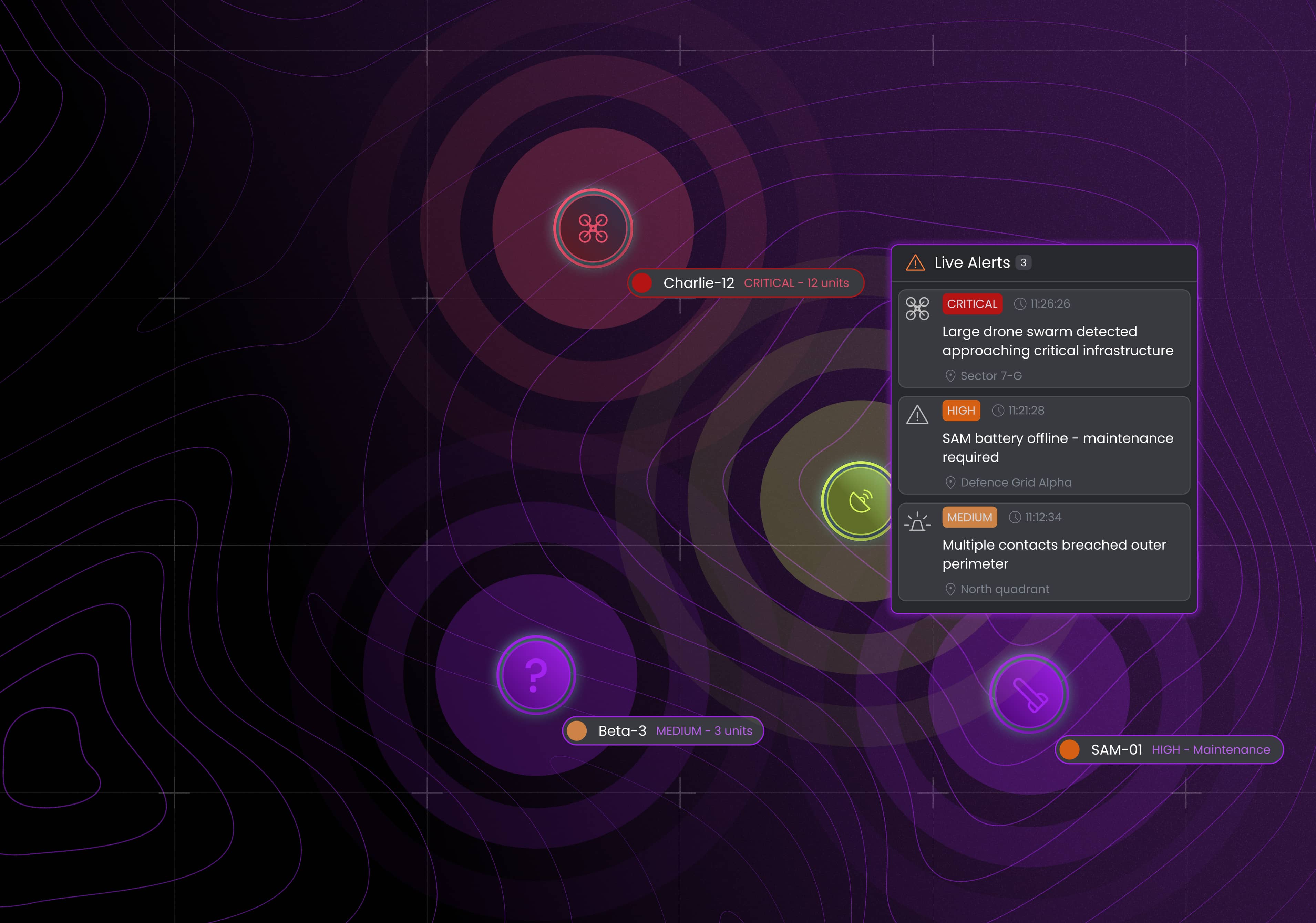
Quick Answer: What Is the Best AI for Military & Defense Analyst?
Military & Defense Analyst is an AI-powered intelligence platform that provides expert-level military strategy, force assessment, doctrine analysis, and wargaming — synthesized from open-source intelligence and delivered on demand.
Rather than spending days compiling fragmented data from SIPRI databases, IISS publications, CSIS reports, and government white papers, you receive integrated, analytically rigorous assessments within a single conversation.
Key capabilities:
- Comprehensive force assessment with equipment inventories, readiness indicators, and capability comparisons
- Doctrinal analysis across NATO, Russian, Chinese, and emerging military frameworks
- Wargaming and scenario construction with escalation pathway modeling
- Defense industry analysis covering procurement, technology programs, and strategic partnerships
The Problem: Why Military & Defense Analysis in 2026 Demands More
The global defense environment has entered a period of unprecedented complexity. According to SIPRI's April 2026 data, world military expenditure reached $2.887 trillion in 2025** — the 11th consecutive year of increases — bringing the global military burden to **2.5% of GDP**, its highest level since 2009. U.S. Congressional spending approved for 2026 has risen to **over $1 trillion, with potential growth to $1.5 trillion in 2027.
But processing and synthesizing this environment into actionable intelligence remains frustratingly difficult:
- Information volume — Open-source military data spans dozens of databases, hundreds of research institutions, and thousands of media sources across multiple languages
- Analytical fragmentation — Force assessment, doctrinal analysis, technology evaluation, and geopolitical context typically sit in separate silos requiring separate expertise
- Speed-to-insight gaps — Events move faster than traditional research cycles can produce finished intelligence
- Escalation complexity — Multiple simultaneous flashpoints create cascading interdependencies that overwhelm linear analytical frameworks
The Rearmament Challenge
The scale and speed of global rearmament defies simple tracking. SIPRI reports that outside the USA, total military spending grew by 9.2% in 2025. European NATO members' military spending rose faster than at any time since 1953. Germany's expenditure surged 24% year-on-year to $114 billion. Spain increased spending by **50%** to $40.2 billion. In Asia, China marked its 31st consecutive year-on-year increase, reaching $336 billion. Japan hit **1.4% of GDP** — the highest since 1958. Taiwan's spending rose **14%** to $18.2 billion, the largest annual increase since at least 1988.
Tracking these shifts is one thing. Understanding their strategic implications — what capabilities they actually buy, how they alter regional balances, and where procurement intentions diverge from operational reality — requires synthesis that transcends data aggregation.
The AI Warfare Revolution
The integration of artificial intelligence into military operations has accelerated beyond theoretical debate into operational reality. According to Vision of Humanity's analysis, the Maven Smart System has compressed targeting processes that once took days into seconds — with 20 soldiers using the system handling a targeting workload equivalent to 2,000 personnel during the 2003 invasion of Iraq. The U.S. Pentagon FY2026 budget includes $13.4 billion specifically for AI-facilitated autonomous systems.
According to ACLED data cited by Vision of Humanity, while only 10 non-state armed groups had access to drone weaponry in 2010, 469 groups deployed drones in attacks in 2025 across 17 countries — with 58 groups doing so for the first time that year.
Understanding how these technologies reshape force structures, doctrine, and escalation dynamics requires analytical depth that goes far beyond tracking product announcements.
The Multi-Theater Complexity
The BlackRock Geopolitical Risk Dashboard (May 2026) identifies an environment where the Iran conflict has become a global event with implications for energy, defense, and capital allocation. Simultaneously, U.S.-China strategic competition intensifies, the Russia-Ukraine war continues into its fifth year, North Korea's nuclear arsenal is estimated at roughly 50 warheads with a growing stockpile of ICBMs, and transatlantic security relationships are being fundamentally restructured. Analyzing any one of these theaters in isolation produces incomplete — and potentially dangerous — intelligence.
This is exactly what Military & Defense Analyst was built for.
Why Military & Defense Analyst Is the Best AI for Security Analysis
Military & Defense Analyst provides the kind of integrated, multi-domain analytical capability that has traditionally required an entire intelligence team — force assessment, doctrinal comparison, technology evaluation, and scenario modeling unified in a single, persistent analytical relationship.
| Traditional Approach | Military & Defense Analyst |
|---|---|
| Weeks to compile force assessment from multiple open-source databases | Comprehensive order of battle analysis generated in minutes |
| Separate analysts for doctrine, technology, and regional expertise | Integrated multi-domain synthesis in a single conversation |
| Static reports that age before publication | Real-time research capability with current data |
| Scenario analysis limited by team size and cognitive bandwidth | Rapid wargaming iterations with escalation pathway modeling |
| Fragmented across SIPRI, IISS, CSIS, and dozens of national sources | Unified synthesis across the full open-source intelligence landscape |
Force Assessment and Order of Battle Analysis
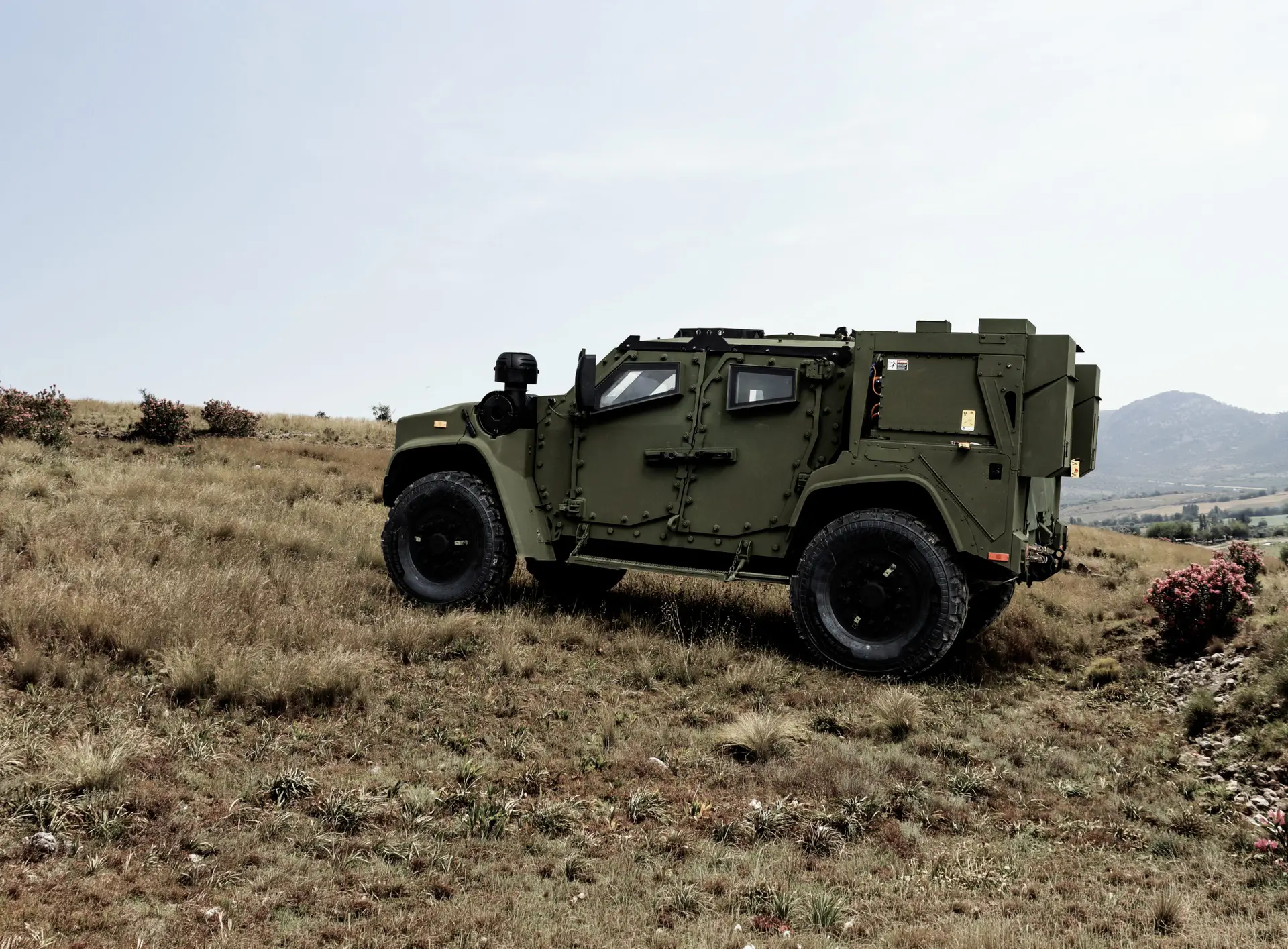
The AI constructs detailed force assessments covering personnel strength, equipment inventories, readiness indicators, training standards, and sustainment capacity. Whether you need a comprehensive breakdown of PLA Navy surface combatant modernization, a comparative analysis of European NATO members' artillery holdings, or an assessment of Iranian ballistic missile inventory post-conflict, the analysis draws on the full spectrum of open-source intelligence.
"Compare the naval force structures of Japan and China in the East China Sea, including surface combatants, submarine fleets, maritime surveillance capabilities, and anti-access/area denial systems. What are the key asymmetries?"
Doctrinal Analysis and Comparison
Military doctrine shapes how forces are employed — and understanding doctrine is essential to predicting adversary behavior. The AI provides deep comparative analysis across NATO's Allied Joint Doctrine, Russia's Gerasimov-era operational concepts, China's "informatized warfare" and "systems confrontation" frameworks, and emerging doctrines being forged in active conflicts.
"How has Russian military doctrine evolved based on lessons learned from the Ukraine conflict? What changes to battalion tactical group structure and combined arms operations have been documented?"
Wargaming and Scenario Construction
The AI supports structured scenario development — from initial assumption setting through escalation pathway mapping to outcome assessment. Red team/blue team analysis, center-of-gravity identification, and course-of-action development all receive rigorous analytical treatment.
"Construct a scenario where tensions over Taiwan escalate to a naval blockade. Map the escalation pathways, identify decision points for both sides, and assess the role of U.S. alliance commitments in shaping the conflict trajectory."
Defense Industry and Technology Intelligence
Beyond operational analysis, the AI covers the defense industrial base — procurement programs, technology development timelines, strategic partnerships, and the industrial capacity that underpins military power. From the implications of Palantir's expanding NATO contracts to China's drone manufacturing dominance, defense industry dynamics receive the same analytical rigor as force structure assessments.
Related Agents You'll Also Find Useful
If your security analysis extends beyond military-specific questions into broader strategic, political, or technical domains, several specialized agents complement the defense analyst's operational depth:
Geopolitics Analyst
Military capabilities exist within a geopolitical context — alliance dynamics, economic leverage, diplomatic positioning, and domestic political pressures all shape how and whether military force is employed. This Agent provides game-theoretic analysis of great power competition, escalation dynamics, geoeconomics, and the structural forces driving international relations. Where the Military & Defense Analyst focuses on capabilities and doctrine, the Geopolitics Analyst maps the political conditions that determine their use.
- Great power competition analysis with game theory frameworks
- Escalation ladder modeling incorporating political constraints
- Geoeconomic analysis of sanctions, trade wars, and resource competition
Cybersecurity Analyst
Cyber operations have become inseparable from conventional military strategy. From the BlackRock assessment noting that new advanced AI models pose an unprecedented threat to cybersecurity to state-sponsored offensive cyber campaigns targeting critical infrastructure, this Agent provides threat analysis, attack vector assessment, and defensive architecture review at institutional grade.
- State-sponsored threat actor analysis and attribution
- Critical infrastructure vulnerability assessment
- Offensive cyber capability evaluation and defense strategy
Economics Analyst
Defense spending doesn't exist in a vacuum — it competes with social spending, is constrained by fiscal capacity, and shapes macroeconomic outcomes. The IMF's April 2026 World Economic Outlook dedicated an entire chapter to the macroeconomic implications of rising defense expenditure. This Agent provides the economic analysis that contextualizes military buildup within national fiscal realities.
- Defense budget sustainability analysis within national fiscal frameworks
- Sanctions impact assessment on military industrial capacity
- Economic warfare and geoeconomic competition modeling
Political Analyst
Military decisions are ultimately political decisions. This Agent provides power mapping, electoral strategy analysis, and policy mechanism tracing that explains how domestic politics constrain or enable military action — from congressional budget fights to alliance management dynamics to authoritarian decision-making structures.
- Domestic political constraints on military engagement
- Alliance management and burden-sharing dynamics
- Authoritarian decision-making analysis for adversary states
How It Works: From Question to Intelligence Assessment in 5 Steps
Step 1: Define Your Intelligence Requirement
Start with a specific analytical question, a force comparison, a scenario you want to explore, or a defense development you need assessed. The AI adapts its analytical framework to match the scope and depth of your requirement.
"Assess the current balance of conventional military power in the Baltic region, including NATO forward-deployed forces, Russian Western Military District capabilities, and the strategic implications of Finnish and Swedish NATO membership."
Step 2: Receive Multi-Source Synthesis
The AI integrates data across the open-source intelligence landscape — force structure databases, defense ministry publications, think tank analyses, procurement reports, and current reporting — into a coherent analytical product. Sources are cited and assessments are distinguished from raw data.
Step 3: Explore Analytical Depth
Follow up on any element of the initial assessment. Drill into specific weapons systems, doctrinal assumptions, historical precedents, or alternative interpretations. The AI maintains analytical continuity across extended conversations, building on previous assessments rather than starting fresh.
"You mentioned the Iskander-M systems deployed in Kaliningrad. How does their effective range interact with NATO's integrated air and missile defense architecture in Poland and the Baltics? What are the targeting priorities and countermeasure options?"
Step 4: Conduct Scenario Analysis
The AI supports structured wargaming and scenario development:
"Model three escalation scenarios for the South China Sea: (1) accidental collision between naval vessels, (2) enforcement of a declared air defense identification zone, (3) blockade of a disputed reef resupply mission. For each, identify the escalation pathways and off-ramp opportunities."
Step 5: Generate Analytical Products
| Need | Output |
|---|---|
| Force assessment | Comprehensive order of battle with capability analysis and readiness evaluation |
| Threat briefing | Adversary capability assessment with doctrinal context and operational patterns |
| Scenario analysis | Multi-pathway escalation modeling with probability weighting and strategic implications |
| Technology evaluation | Capability assessment of specific weapons systems or technology programs |
| Strategic assessment | Multi-domain analysis integrating military, political, economic, and technological factors |
Results & Use Cases
📊 Defense Analyst: Regional Force Balance Assessment
Scenario: A defense analyst needs to assess the military balance in the Indo-Pacific following China's 31st consecutive year of spending increases, Japan's defense buildup, Taiwan's 14% spending surge, and Australia's expanding force posture — all within the context of evolving U.S. alliance commitments.
Traditional Approach: Compile data from SIPRI's military expenditure database, IISS Military Balance, country-specific defense white papers, and multiple think tank reports. Cross-reference equipment inventories, training readiness indicators, and sustainment capacity. Synthesize into a coherent assessment over days or weeks.
Military & Defense Analyst: Integrated force balance analysis generated within a single extended conversation — covering PLA force modernization trajectories, Japanese Self-Defense Forces expansion under its new National Security Strategy, Taiwanese asymmetric defense concepts, and AUKUS capability development timelines. As SIPRI researchers noted, "US allies in Asia and Oceania such as Australia, Japan and the Philippines are spending more on their militaries, not only due to long-standing regional tensions but also due to growing uncertainty over US support."
- Cross-references spending increases against actual capability acquisition
- Maps alliance interoperability gaps and force integration challenges
- Identifies asymmetries that spending figures alone don't reveal
💼 Think Tank Researcher: AI Warfare Doctrine Study
Scenario: A researcher is producing a paper on how AI integration is reshaping military doctrine across major powers — from the U.S. Maven Smart System to Russian Lancet autonomous targeting to Chinese swarm operations.
Traditional Approach: Months of literature review, interview requests with defense officials, and careful synthesis of fragmented reporting across classified and open-source boundaries.
Military & Defense Analyst: Deep comparative analysis of how AI is being integrated into targeting chains, command structures, and operational doctrine across the U.S., Russia, China, Israel, and Ukraine. The AI contextualizes the Maven Smart System's compression of the kill chain — where processes that once took hours now happen in seconds — alongside Russian autonomous Lancet drone targeting capabilities and China's demonstrated operation of 200 autonomous drones by a single soldier.
- Comparative AI military doctrine analysis across major powers
- Identifies the gap between stated doctrine and demonstrated operational practice
- Tracks the tension between autonomous capability and human oversight frameworks
📱 Policy Advisor: Rapid Geopolitical Crisis Assessment (Mobile)
Scenario: A policy advisor receives breaking news of a military incident in a contested region while traveling. They need a rapid assessment of the forces involved, escalation risks, and strategic implications — within the hour, not the week.
Traditional Approach: Wait for intelligence community assessment. Call contacts at think tanks. Piece together fragments from news reporting. Arrive at a meeting with incomplete analysis.
Military & Defense Analyst on mobile: Immediate force assessment for the region, historical precedent analysis for similar incidents, escalation pathway mapping with identification of decision points, and initial strategic implications for alliance commitments and deterrence posture. Full feature parity on iOS and Android with speech-to-text means substantive analytical queries can be dictated during transit.
- Rapid crisis assessment within minutes of initial reporting
- Historical precedent matching against current incident parameters
- Escalation pathway analysis with identification of off-ramp opportunities
🎯 Defense Industry Professional: Procurement Landscape Analysis
Scenario: A defense industry strategist needs to assess how European NATO rearmament — with spending rising faster than at any time since 1953 — is creating procurement opportunities across air defense, munitions, and autonomous systems.
Traditional Approach: Commission market reports from defense consultancies at $5,000-$25,000 per study. Wait weeks for delivery. Receive analysis that ages quickly as new contracts are announced.
Military & Defense Analyst: Comprehensive procurement landscape analysis covering specific national capability gaps, announced acquisition programs, budget allocation trends, and competitive dynamics among defense primes. The analysis integrates SIPRI expenditure data with country-specific defense industrial strategies and announced programs — identifying where Germany's $114 billion budget, Spain's 50% spending surge, and the broader push toward the new NATO spending targets will translate into specific procurement actions.
- Maps capability gaps to specific procurement program opportunities
- Tracks defense industrial partnerships and offset requirements
- Identifies technology areas where spending increases are concentrated
Frequently Asked Questions
Is Military & Defense Analyst free to use?
Yes. All core features are available on the free tier with limited usage. Paid plans starting at $20/month provide significantly expanded usage, custom model selection across providers like OpenAI, Anthropic, and Google, and additional capabilities. No credit card required to start. Try Military & Defense Analyst with your first intelligence requirement in under a minute.
What sources does it draw from?
The AI synthesizes open-source intelligence across defense research institutions (SIPRI, IISS, CSIS, RAND), government publications, defense media, procurement announcements, and current reporting. It executes real-time web searches to incorporate the latest developments and cites sources for verification. It does not access classified information — all analysis is grounded in the open-source intelligence landscape.
How does this compare to Jane's or the IISS Military Balance?
Jane's and the IISS Military Balance are indispensable reference databases — structured repositories of equipment specifications, force structures, and defense economics. Military & Defense Analyst adds the synthesis and analytical reasoning layer. Rather than looking up data points across separate entries, you receive integrated assessments that connect force structure data to doctrinal context, technology trends, and strategic implications — with the ability to ask follow-up questions and explore scenarios interactively.
Can it support academic research on military topics?
Yes. The AI supports structured analytical frameworks for academic defense studies — from literature synthesis and theoretical framing to comparative case study development. It distinguishes between empirical data, analytical assessment, and speculative projection, making it suitable for rigorous research environments. The Academic Research Assistant can complement this with citation management and manuscript preparation support.
Does it cover non-state actors and asymmetric warfare?
Yes. The AI analyzes non-state armed groups, insurgency dynamics, terrorism trends, and asymmetric warfare concepts. With 469 non-state groups deploying drones in attacks in 2025 and AI-integrated weapon systems proliferating beyond state actors, asymmetric threat analysis is a core capability.
Does it work on mobile?
Full feature parity across web, iOS, and Android. State-of-the-art speech-to-text means you can dictate complex analytical questions during field research, conferences, or travel. All conversation history and memory sync across devices, so extended multi-session analytical projects continue seamlessly.
From Information Overload to Strategic Clarity
The defense environment in 2026 is defined by scale and speed. Global military expenditure has reached $2.88 trillion — the 11th consecutive annual increase. European NATO spending is rising faster than at any time since 1953. China has completed its 31st consecutive year of military spending growth. AI-integrated warfare systems are compressing decision cycles from days to seconds. The BlackRock Geopolitical Risk Dashboard shows elevated risk across every major theater simultaneously, with the Iran conflict reaching global scale and U.S.-China strategic competition intensifying.
The United Nations warns that if current trends persist, global military spending could reach $4.7 to $6.6 trillion by 2035. The analytical challenge isn't access to data — it's the synthesis of fragmented information into assessments rigorous enough to support real decisions.
Military & Defense Analyst delivers that synthesis — force assessment, doctrinal analysis, wargaming, technology evaluation, and defense industry intelligence unified in a single, persistent analytical relationship. The depth of a professional analyst desk, the breadth of a multi-source intelligence function, and the speed that 2026's security environment demands.
Try Military & Defense Analyst now — no credit card required. Explore the full agent library at Jenova.