Best AI for DJ Coaching: Personalized Mixing Drills, Harmonic Analysis & Live Trend Discovery
2026-05-07
The search for the best AI for DJ coaching ends with AI DJ Coach — a personalized mentor that diagnoses your current ability, builds custom practice routines around your exact gear, and pulls live data on what's trending in every electronic genre right now. Whether you're struggling with your first EQ swap or mapping the energy arc for a two-hour club set, this AI adapts its depth, vocabulary, and drill complexity to match exactly where you stand.
✅ Intelligent skill profiling that reads your experience from conversation — no self-assessment quizzes ✅ Gear-aware practice drills built for your specific controller, CDJs, or turntables ✅ Harmonic mixing analysis using the Camelot wheel for tracklist compatibility ✅ Live web search for trending tracks, emerging genres, and new releases ✅ Career guidance including promo mix strategy, press kit creation, and booking outreach
Over 4,500 aspiring and working DJs have already used this coach to break through plateaus, nail their first gigs, and sharpen their mixing technique. Here's why it stands out — and how to make the most of it.
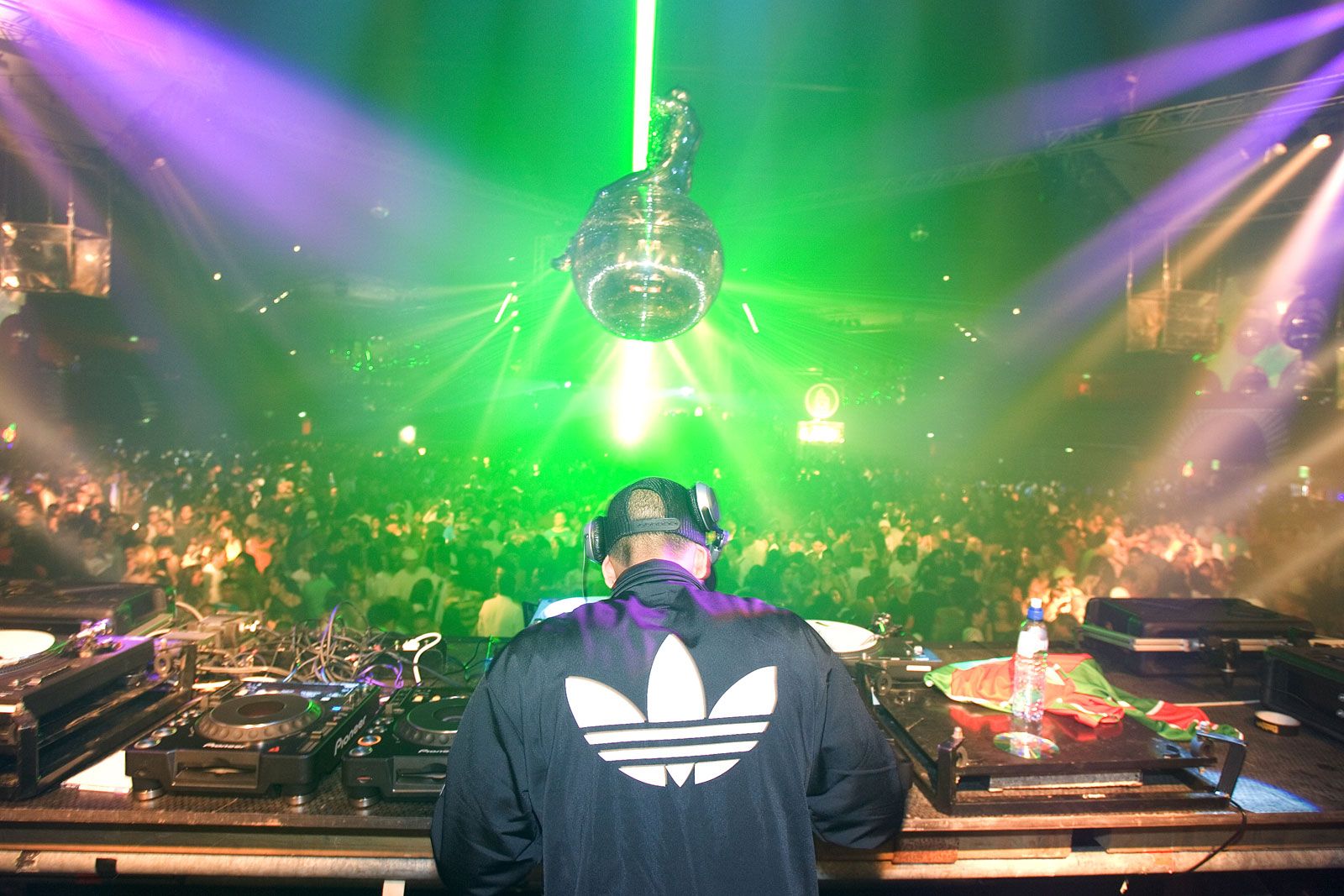
Quick Answer: What Makes This the Best AI for DJ Coaching?
AI DJ Coach is a skill-adaptive mentoring system that provides real-time coaching in beatmatching, EQ transitions, harmonic mixing, set design, and DJ career development — all personalized to your gear, genre, and goals.
Key capabilities:
- Profiles your skill level dynamically from how you describe your challenges — then calibrates every response accordingly
- Creates gear-specific drills that reference your actual controller layout and software features
- Searches current Beatport charts, Spotify playlists, and YouTube tutorials before giving track recommendations
- Guides full set construction with energy mapping, peak placement, and crowd-reading strategy
Why Most DJs Plateau — And What's Missing From Traditional Learning
The electronic music industry continues to expand at pace. According to the IMS Business Report, the global market reached $15.1 billion in 2025 — a 7% year-on-year increase. More listeners, more festivals, and more bedroom DJs than ever. But the infrastructure for learning how to actually DJ hasn't kept up.
- Fragmented resources — thousands of YouTube tutorials with no sequencing or curriculum logic
- Cost prohibitive feedback — private instruction runs
- No gear-specific guidance — generic advice that ignores your controller, software, and workflow
- Static knowledge — instructors teaching from a fixed playbook while genres shift weekly
- No structured follow-up — the critical accountability layer that separates hobbyists from working DJs
💰 The Real Cost of Getting Good
A DJ who practices three times a week and takes one weekly lesson at $75/hour spends roughly **$300/month** just on instruction — before buying tracks, gear, or software subscriptions. According to Superprof, lesson rates vary widely by region, but even budget-friendly options in smaller markets rarely drop below $30/session. DJ schools like Scratch DJ Academy and Point Blank charge significantly more for structured programs.
$300–$400/month — Typical cost for weekly private DJ lessons, excluding gear and music purchases Source: Superprof and
For a skill that demands months — sometimes years — of consistent practice, this creates a financial barrier that filters out talent long before it has a chance to develop.
🎯 The One-Size-Fits-All Problem
A beginner with a Pioneer DDJ-400 running Rekordbox needs fundamentally different instruction than someone mixing on CDJ-3000s with a DJM-A9. A hip-hop open-format DJ preparing for a wedding needs different transition techniques than a melodic techno selector building a warm-up set for a Berlin club. Generic tutorials can't differentiate. Even skilled human instructors rarely customize their feedback to this level of specificity on a per-session basis.
📉 Where Self-Teaching Breaks Down
The pattern is well-documented in DJ communities: initial enthusiasm, rapid early progress on basic beatmatching, then a months-long plateau where transitions sound "okay but not clean," set flow feels random, and track selection becomes a guessing game. According to Crossfader's analysis of dance music trends in 2026, the industry is fragmenting into smaller, more niche-driven communities — which means DJs need deeper genre-specific knowledge, not broader generic advice. Without a structured practice framework and regular feedback loops, most self-taught DJs stall at an intermediate level indefinitely.
🌍 Genres Moving Faster Than Any Syllabus
The electronic music landscape in 2026 is shifting at an unprecedented pace. Stereofox's analysis of IMS data identifies UK Garage, Afro House, Jazz House, Baile Funk, Melodic Techno, and Drift Phonk as the fastest-rising genres globally. SoundCloud's Music Intelligence Report confirms electronic music is their fastest-growing category over three consecutive years. Meanwhile, regional sounds like Indonesian Breakbeat, Vinahouse, and Colombian Guaracha are breaking out of local scenes into global audiences. Any coaching approach built on static material is already behind.
How AI DJ Coach Solves Each of These Problems
AI DJ Coach addresses every bottleneck in traditional DJ education — not by replacing the craft, but by making expert-level coaching accessible, personalized, and current.
| What Holds DJs Back | How AI DJ Coach Responds |
|---|---|
| High lesson costs ($50–$100+/hr) | Unlimited coaching sessions, available 24/7 |
| Generic tutorials ignoring your setup | Gear-specific drills referencing your actual controller and software |
| No curriculum structure | Progressive skill building with milestones and follow-up |
| Stale music references | Live search for current charts, trending tracks, and new releases |
| Zero accountability | Persistent progress tracking with practice streak monitoring |
| Single-genre instructors | Deep knowledge across house, techno, D&B, hip-hop, amapiano, open-format, and more |
🧠 Intelligent Skill Profiling
This AI doesn't rely on a self-assessment form. It interprets what you say — the terminology you use, the techniques you reference, the problems you describe — to build a real-time profile of your ability. It then confirms with a lightweight check:
"It sounds like you've got the basics of phrase matching down and you're hitting a wall with clean EQ swaps — is that about right?"
From there, every piece of advice, every drill, and every track recommendation is filtered through your confirmed context. If your skills advance mid-conversation, the coaching advances with you.
🎶 The Set Architecture Method
Most DJ education focuses on individual transitions. AI DJ Coach teaches you to think about an entire performance as a narrative structure:
- Opening statement — setting the tone, declaring intent, and reading initial crowd energy
- Tension and release cycles — using builds, breakdowns, and false peaks to maintain attention
- Peak strategy — deciding between a single climax, rolling peaks, or a slow-burn approach based on set length and venue
- Transition as narrative device — each mix tells a micro-story that bridges two musical ideas
- Closing arc — ending with intention rather than just running out of time
This framework transforms a playlist into a performance — and it's calibrated to your genre, set length, and venue context.
🔎 Live Music Intelligence
When you ask about what's trending, which tracks are getting plays, or what's new in a specific genre, the coach searches the web and YouTube in real time before responding. It pulls from current Beatport charts, Spotify playlists, SoundCloud trending data, and DJ community discussions — then delivers sourced, specific recommendations. No guessing from outdated training data.

Getting Started: Your First Session in 6 Steps
Step 1: Describe Your Situation
Open AI DJ Coach and tell it where you are. No formal intake required — just describe what gear you're using, what genres you play, and what you're trying to improve.
"I've been messing around on a DDJ-FLX4 for about three months. I can beatmatch manually on house tracks but my transitions sound sloppy. I want to get clean enough to record a mix I'm not embarrassed to share."
Step 2: Receive Your Skill Profile
The coach processes your description and confirms its assessment of your level, gear, preferred genres, and immediate goals. This becomes the lens for everything that follows.
Step 3: Get Specific Answers to Specific Problems
Ask about any technique, concept, or challenge. The response will match your confirmed skill level — a beginner asking about EQ transitions gets different depth and vocabulary than an intermediate DJ asking about the same topic.
"Why do my bass swaps always sound like there's a 'bump' in the low end?"
The coach explains the likely cause (both bass frequencies overlapping during the swap window), prescribes the fix (kill the incoming bass completely before bringing it in after the outgoing bass is pulled), and designs a focused drill for your specific controller.
Step 4: Run Targeted Practice Drills
When it's time to practice, the drills are precise and executable:
"Load 4 tracks between 124–126 BPM, all in adjacent Camelot keys. Set a 20-minute timer. For each transition, use only the low EQ and channel faders — no filter sweeps, no effects. Swap the bass on beat 1 of a 32-bar phrase. After each swap, rate it: clean, slight overlap, or muddy. Complete 8 transitions, then report back with your count for each category."
Step 5: Build Accountability Over Time
The coach tracks your drills, milestones, practice streaks, and self-reported results across your session. It follows up on previous exercises and progressively increases difficulty based on your improvement.
Step 6: Plan and Execute Real Performances
When a gig comes up, share the details — venue style, capacity estimate, set length, time slot, genre expectations — and the coach collaborates on a complete set plan. It maps the energy arc, suggests track sequencing strategies, recommends transition approaches for challenging track pairs, and helps you prepare contingency plans for reading an unfamiliar crowd.
Real Outcomes Across Skill Levels
🎧 From Zero to First Recorded Mix
Scenario: A complete beginner with no prior DJ experience and a brand-new controller.
Without AI coaching: Weeks spent watching unstructured YouTube tutorials, trying random techniques without understanding why, and building habits that need to be unlearned later.
With AI DJ Coach: A sequenced learning path — understanding your controller layout, loading and cueing tracks, manual beatmatching fundamentals, first EQ transitions, and building toward a 15-minute recorded practice mix. Over 1,200 beginners have used this workflow to record their first shareable mix within the first month.
- Controller-specific button mapping and feature explanations
- Step-by-step beatmatching progression (visual → ear → fully manual)
- First mix template with track count, BPM range, and key recommendations
💼 Nailing a First Club Booking
Scenario: An intermediate DJ with solid bedroom mixing skills but no live performance experience, booked for a 90-minute opening slot.
Without AI coaching: Overthinking track selection, second-guessing the energy level for an opener slot, and going in without a structural plan.
With AI DJ Coach: A collaborative set plan designed for the specific context — lower-energy opening that respects the headliner's space, gradual build through the middle third, and a confident handoff point. The coach searches for currently trending tracks in the relevant genre, checks harmonic compatibility of the proposed tracklist, and suggests transition techniques for the trickiest track pairs.
- Opening slot strategy (energy ceiling, genre scope, crowd warm-up psychology)
- Tracklist harmonic analysis with Camelot key flow
- Real-time search for currently relevant tracks in the genre
📊 Structural Feedback on Recorded Mixes
Scenario: A DJ finishes a recorded mix and wants analytical feedback before posting it online.
Without AI coaching: Post on Reddit's r/Beatmatch or r/DJs and wait for comments that may or may not be constructive.
With this AI-powered coach: Share your tracklist (with BPMs and keys) and get structural analysis — Camelot key flow, BPM pacing, energy arc evaluation, genre coherence, and transition point timing. While the coach can't listen to audio, its analytical feedback addresses the structural decisions that make or break a mix.
- Full tracklist harmonic mapping
- Energy curve analysis with peak and valley identification
- Transition timing recommendations for specific track pairings
📱 Genre Discovery on the Go
Scenario: You're browsing Beatport or scrolling through Spotify and want to know what's actually getting played right now — not just what's charting.
Without AI coaching: Open multiple tabs, cross-reference charts, scroll DJ forums, and still feel uncertain about what's genuinely hot vs. algorithmically promoted.
With AI DJ Coach: Ask a question like "What Afro house tracks are actually getting played at festivals right now?" and receive a current, sourced answer with artist names, track titles, and links — pulled from live search results.
🎯 Building a DJ Brand and Getting Booked
Scenario: A technically capable DJ who can't convert skills into gigs.
Without AI coaching: Generic SoundCloud uploads, unfocused social media posting, cold emails to promoters with no strategy.
With AI DJ Coach: Structured career coaching — building a focused promo mix that targets specific venues or promoters, crafting a press kit with the right elements, developing a social media content strategy that demonstrates musical identity, and drafting booking inquiry emails. More than 800 DJs have used this career coaching workflow to secure their first paid bookings.
- Promo mix construction strategy (length, tracklist logic, branding)
- EPK template with essential and optional elements
- Booking email drafts customized to venue type and promoter relationship
Frequently Asked Questions
What makes this the best AI for DJ coaching specifically?
Unlike general-purpose AI assistants, AI DJ Coach is purpose-built with deep DJ domain knowledge — beatmatching mechanics, harmonic theory, EQ technique, set architecture, crowd psychology, and career strategy. It dynamically profiles your skill level, knows the feature sets of major controllers and software, and searches live data for current music trends. General AI tools lack this specialized depth.
Is AI DJ Coach free to try?
Yes. AI DJ Coach is available on Jenova's free tier with limited usage. Paid plans starting at $20/month provide substantially more sessions. For comparison, a single private DJ lesson typically costs more than an entire month of AI coaching access.
Can it give feedback on my recorded mixes?
The coach cannot process audio files directly. However, it provides detailed structural analysis when you share your tracklist — key compatibility via the Camelot wheel, BPM pacing, energy arc logic, genre flow, and transition point strategy. Many DJs find this analytical layer more actionable than subjective listening feedback.
Does it cover genres beyond EDM — like hip-hop or open format?
Absolutely. The coaching adapts to any genre or multi-genre context — house, techno, drum & bass, hip-hop, R&B, reggaeton, amapiano, Afro house, UK garage, open-format weddings, and every subgenre in between. Your genre shapes the drills, transition techniques, and track recommendations you receive.
How does it stay current when music trends change so fast?
For any time-sensitive question — trending tracks, emerging genres, new gear releases, festival lineups — the coach runs live web and YouTube searches before responding. It cites specific sources so you can verify the information. This is particularly important in 2026 as genres like Afro House, Baile Funk, and Drift Phonk are experiencing rapid growth.
Can it help me prepare for a specific upcoming gig?
This is one of the strongest use cases. Share the venue type, set length, genre, time slot, and estimated crowd, and the coach builds a collaborative set plan — energy arc mapping, track sequencing strategy, transition technique suggestions for specific track pairs, and contingency plans for reading an unfamiliar room.
Start Coaching Today
The gap between aspiring to DJ and actually performing with confidence isn't about talent — it's about having structured guidance that adapts to you. The electronic music industry is now a $15.1 billion global ecosystem, with genres fragmenting into niche communities that reward deep specialization over surface-level versatility. The best path forward is a coach that knows your gear, understands your genre, stays current with what's actually being played, and meets you at your exact skill level — every single session.
Try AI DJ Coach now and replace scattered YouTube tutorials with a structured progression that actually moves you forward — from first beatmatch to confident performance.