Best AI for DJ Coach: Master Mixing, Set Building, and Crowd Reading With AI (July 2026)
2026-07-03
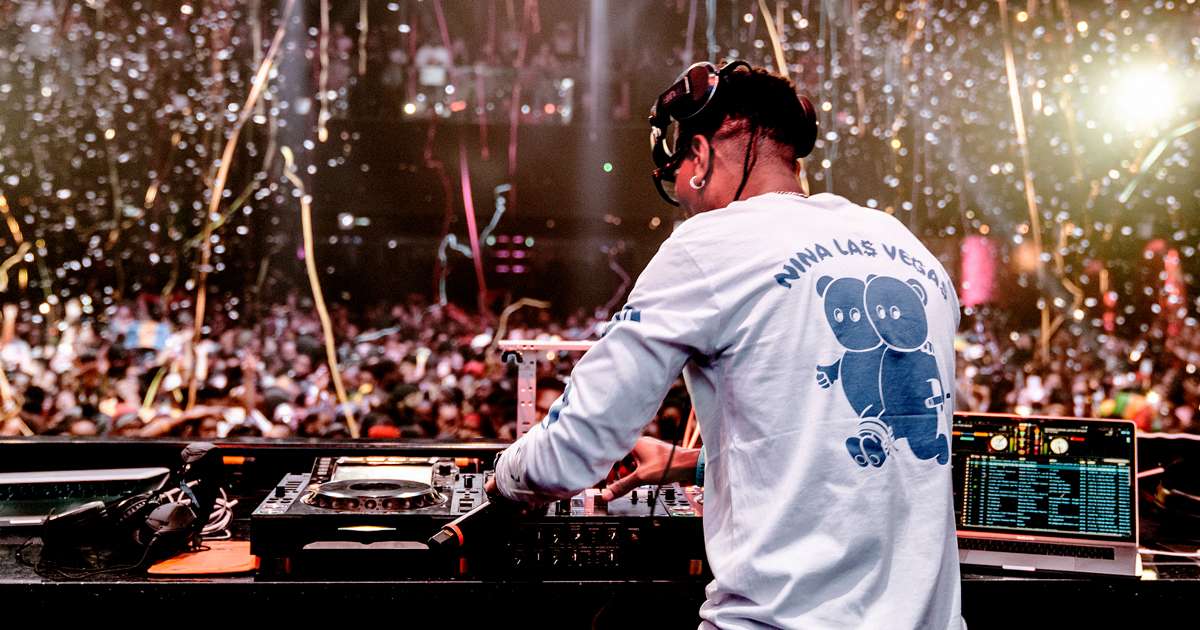
DJ Coach is an AI-powered DJ mentor that delivers expert-level coaching in mixing technique, musicality, set architecture, crowd psychology, gear mastery, and career strategy — on demand, from any device. While traditional DJ education requires expensive in-person academies, rigid class schedules, and years of trial-and-error behind the decks, this AI puts a seasoned mentor in your pocket, ready to coach you from your first beatmatch to headlining a main stage.
✅ Covers every mixing technique — beatmatching, harmonic mixing, EQ blending, transitions, and scratching ✅ Set architecture coaching — energy arcs, track sequencing, and crowd reading ✅ Gear mastery across CDJs, controllers, turntables, and all major DJ software ✅ Career strategy including demo preparation, booking outreach, and brand building
The electronic music scene is booming — but the gap between bedroom DJ and working professional has never been wider. To understand why an AI DJ coach matters in 2026, let's look at the real challenges facing aspiring and developing DJs today.
Quick Answer: What Is DJ Coach?
DJ Coach is an AI DJ mentor that provides personalized coaching in mixing, musicality, set building, crowd reading, and career development to help DJs at every level master performance and grow their careers.
Key capabilities:
- Mixing mastery across beatmatching, harmonic mixing, EQ transitions, effects, and scratching
- Set architecture — energy flow design, track sequencing, and genre-blending strategy
- Gear and software guidance for Pioneer CDJs, controllers, Serato, rekordbox, and Traktor
- Career coaching including demo creation, booking strategy, social media presence, and brand identity
The Problem: DJ Education Is Expensive, Fragmented, and Mentor-Dependent
The global appetite for electronic music and live DJ performances continues to grow, yet the pathway from aspiring DJ to competent performer remains disjointed and surprisingly expensive.
$195–$2,500+ — Cost range for DJ courses, from online programs to in-person academy diplomas
$100+/hour —
USD 60.4 billion — Projected value of the AI in music market by 2034, growing at 27.8% CAGR
But cost is only one barrier. Here are the core challenges every DJ — from bedroom beginner to working professional — actually confronts:
- Mentorship is geography-locked and expensive — learning from a great DJ requires proximity, connections, and hundreds per hour in lesson fees
- Self-teaching creates blind spots — YouTube tutorials cover isolated techniques but can't diagnose your specific weaknesses or build a progressive curriculum
- Mixing technique without musicality is a dead end — beatmatching is just the entry point; musical taste, phrasing, energy management, and crowd reading separate professionals from hobbyists
- Gear and software confusion — CDJs vs. controllers, rekordbox vs. Serato vs. Traktor, hardware effects vs. software FX chains — beginners face paralysis before they ever mix a track
- Career development remains a mystery — how to build a demo, approach promoters, price gigs, and grow a following is rarely taught in any formal program
📉 Formal DJ Schools Leave Gaps
Even the best DJ academies acknowledge that their programs are structured around fundamentals. Schools like Point Blank, Garnish, and Crossfader cover beatmatching, EQ control, and set planning, but the deeper art — reading a room at 2 AM, knowing when to build tension versus release it, understanding why a certain transition works emotionally while another falls flat — requires years of accumulated mentorship and live performance experience.
🎧 The Technique-to-Artistry Gap
One of the most common mistakes beginner DJs make is assuming that beatmatching alone qualifies them to mix anywhere. Messy transitions, clashing vocals, and energy dips on the dancefloor are symptoms of a deeper problem: missing the musical layer behind the technical one. Understanding song structure, phrasing, harmonic compatibility, and emotional arc transforms competent mixing into compelling performance — but this knowledge is rarely taught systematically.
🎛️ Gear and Software Overload
The modern DJ ecosystem includes Pioneer CDJ-3000s and DJM-A9 mixers, entry-level controllers from Numark to Pioneer DDJ-series, standalone units like the XDJ-RX3, and software platforms that each have distinct workflows. Top DJ schools train on industry-standard Pioneer equipment and rekordbox, but beginners who can't access campus gear need guidance tailored to what they actually own — and that's where one-size-fits-all education breaks down.
Why DJ Coach
DJ Coach functions as a dedicated mixing instructor, musicality mentor, set architect, and career advisor — available whenever you have 15 minutes between practice sessions. It doesn't replace hours behind the decks, but it fills every knowledge gap with structured, adaptive coaching that would normally take years of mentorship to acquire.
| Traditional Approach | DJ Coach |
|---|---|
| $100+/hour for private lessons with an experienced DJ | Unlimited coaching sessions included in your subscription |
| Scheduling around an instructor's availability | Available instantly, 24/7, on any device |
| Generic YouTube tutorials with no personalization | Adapts to your genre, gear, skill level, and specific weaknesses |
| Trial-and-error crowd reading over years of gigs | Crowd psychology frameworks and energy management taught systematically |
| Career advice from Reddit threads and Instagram DMs | Structured guidance on demos, booking, pricing, and brand building |
| Learning one software ecosystem per course | Guidance across rekordbox, Serato, Traktor, and any controller or CDJ setup |
🎚️ Comprehensive Mixing Technique
Whether you're learning your first transition or refining advanced layering and harmonic mixing, DJ Coach adjusts its coaching to your current level. It covers the full spectrum of mixing technique:
- Beatmatching — manual and sync-assisted, with emphasis on developing your ear
- EQ mixing — frequency-aware blending, bass swaps, and filter transitions
- Harmonic mixing — Camelot wheel, key compatibility, creative key clashes
- Transitions — cuts, blends, double drops, breakdowns, mashups, and genre transitions
- Scratching — baby scratches through transforms, chirps, and flares
"Walk me through a proper EQ transition for two deep house tracks. Explain when to start cutting the bass on the outgoing track and when to bring in the incoming track's mids."
🎵 Musicality and Set Architecture
This is where DJ Coach separates itself from any tutorial or course. It teaches you to think like a headliner — building sets with intentional energy arcs, understanding tension and release, sequencing tracks for emotional impact, and reading a dancefloor's energy in real time.
"I'm playing a 90-minute opening set for a techno night. How should I structure the energy arc? What BPM range should I work within, and how do I build without peaking too early?"
"Explain the concept of a 'journey set' — how do DJs like Solomun or Dixon build three-hour sets that feel like a single narrative?"
🛠️ Gear and Software Guidance
No matter your setup — a Pioneer DDJ-400 in your bedroom, CDJ-3000s at a club, or a Traktor-based controller rig — DJ Coach provides specific, actionable guidance tailored to your hardware and software. It helps you understand what each piece of gear actually does, how to use it effectively, and when it's worth upgrading.
"I'm using a DDJ-800 with rekordbox. How do I set up my hot cues and loops for smooth transitions in progressive house? What's the best way to use the built-in effects?"

Related Agents You'll Also Find Useful
If you're developing your DJ skills or building a music career, these agents complement DJ Coach across your broader creative and professional workflow:
Music Teacher
Understanding music theory fundamentally changes how you DJ. Key signatures, chord progressions, song structure, and rhythmic patterns stop being abstract concepts and become practical tools for mixing. Music Teacher covers theory from the ground up across every instrument and style.
- Music theory foundations that directly improve harmonic mixing
- Ear training for recognizing keys, intervals, and rhythmic patterns
- Understanding song structure (verse, chorus, bridge, breakdown) for better phrasing
Music Composition Assistant
Many DJs eventually want to produce their own tracks, edits, or mashups. Music Composition Assistant provides text-based notation, melody writing, harmony, and arrangement guidance — bridging the gap between performing other people's music and creating your own.
- Melody and harmony construction for original productions
- Arrangement techniques that translate from production to live set building
- Understanding synthesis and sound design at a theoretical level
Social Media Content Generator
A DJ's career lives and dies by their online presence. From Instagram Reels of live sets to TikTok clips, YouTube mixes, and consistent branding across platforms, Social Media Content Generator helps you create platform-native content that builds your following.
- Platform-specific content strategy for DJ brand building
- Captions, hashtag strategy, and posting cadence for music creators
- Promotional content for upcoming gigs and releases
How It Works
Step 1: Define Your Starting Point
Open DJ Coach and describe your experience level, the gear you use, the genres you play (or want to play), and what you want to focus on. The agent calibrates its language, depth, and coaching approach accordingly — whether you're a complete beginner who's never touched a jog wheel or a working DJ preparing for a festival slot.
"I'm a beginner DJ with a Pioneer DDJ-FLX4 running rekordbox. I've been practicing for about two months and I can beatmatch manually on most house tracks. I want to improve my transitions and start understanding harmonic mixing."
Step 2: Build Technique Through Focused Drills
Each session targets specific skills with explanations of why techniques work, not just how to execute them. DJ Coach explains the musical and physical reasoning behind every method — why you cut bass at a specific point, how EQ frequencies interact during a blend, and what makes a transition feel seamless versus jarring.
"Teach me the bass swap technique for two tech house tracks. Explain where in the phrase I should start the swap and how long the overlap should last."
Step 3: Learn Set Construction
Move beyond individual transitions to thinking about the full arc of a performance. DJ Coach teaches you how to sequence tracks for maximum impact — opening strategies, peak-time builds, comedown transitions, and how to close a set that makes the crowd remember you.
"I have a one-hour warm-up slot at a club this Saturday. The headliner plays melodic techno around 126-130 BPM. Help me plan a set structure that builds energy without overstepping the headliner's territory."
Step 4: Develop Crowd Reading Skills
Understanding what a dancefloor needs at any given moment is the single most valuable skill a DJ can develop — and the hardest to teach without live experience. DJ Coach provides frameworks for reading energy, responding to crowd cues, and making real-time decisions about track selection and intensity.
"The dancefloor empties whenever I play tracks above 128 BPM at my bar residency. How do I read the room better, and what strategies can I use to keep energy high without going harder on tempo?"
Step 5: Get Career Guidance
From building your first promo mix to approaching promoters, pricing your services, and growing your brand online, DJ Coach provides actionable career coaching based on where you are and where you want to go.
"I want to start getting booked at local clubs. I have about 50 hours of practice and three recorded mixes. How do I create a demo that stands out, and what's the best way to approach promoters in my city?"
Results & Use Cases
🎧 Bedroom DJ Breaking Through the Basics
Scenario: A 24-year-old graphic designer bought a DDJ-400 three months ago. They can beatmatch house tracks but every transition sounds the same — a slow crossfader blend that lacks musicality.
Traditional Approach: Watch dozens of YouTube transition tutorials, each teaching isolated techniques without context. Try to replicate tricks without understanding the musical reasoning behind them. Progress plateaus after six months because there's no feedback loop.
DJ Coach: Diagnoses the root problem — reliance on crossfader blending without EQ technique — and builds a progressive transition curriculum: bass swaps first, then filter transitions, then loop-assisted blends, then creative cuts. Each technique is taught with musical context — when to use each transition type based on track energy and structure.
- Progressive skill ladder from simple to advanced transitions
- Musical reasoning behind each technique, not just mechanical steps
- Personalized feedback based on the specific gear and genres they use
💼 Working DJ Preparing for a Festival Slot
Scenario: A DJ with two years of club residency experience gets booked for a 60-minute afternoon slot at a regional festival. They've never played outdoors, never dealt with a festival-sized crowd, and don't know how to adapt their club-oriented set for a daytime audience.
Traditional Approach: Ask DJ friends for advice (often contradictory), search Reddit for festival set tips, and hope for the best. No structured framework for translating club skills to outdoor stages.
DJ Coach: Provides a comprehensive festival preparation framework — daytime energy dynamics versus nighttime, how outdoor sound systems affect mixing technique, set structure for a 60-minute non-headliner slot, and audience engagement strategies for crowds that are walking by versus dancing. Includes guidance on track selection, BPM range, and how to use the last 10 minutes to leave a lasting impression.
- Festival-specific energy arc design for daytime slots
- Technical adjustments for outdoor PA systems
- Track selection strategy that balances familiar crowd-pleasers with personal style
📱 DJ Learning Harmonic Mixing on a Commute
Scenario: An intermediate DJ who mixes by ear wants to understand harmonic mixing but finds the Camelot wheel confusing. They have a 45-minute bus commute each way and want to use that time productively.
Traditional Approach: Read a blog post about the Camelot wheel, memorize the chart, and apply it mechanically — selecting tracks purely by compatible key codes without understanding why certain key combinations create emotional effects.
DJ Coach on mobile: Interactive theory sessions that explain harmonic mixing from music theory fundamentals — what keys are, how the circle of fifths works, why adjacent keys on the Camelot wheel create smooth blends while certain jumps create energy lifts. Includes practical exercises using the DJ's own library.
- Music theory grounding that makes harmonic mixing intuitive, not mechanical
- Key combination strategies for energy shifts and emotional moments in sets
- Practice exercises using tracks from the DJ's own collection
📊 Experienced DJ Building a Personal Brand
Scenario: A DJ with five years of experience and a weekly club residency wants to grow beyond their local scene. They produce decent mixes but have minimal social media presence, no promo strategy, and no idea how to approach labels or larger promoters.
Traditional Approach: Post mix recordings to SoundCloud and hope for organic discovery. Spend hours on Instagram without a content strategy. Send generic emails to promoters who never respond.
DJ Coach: Develops a complete brand-building roadmap — promo mix strategy (length, track selection, recording quality), social media content calendar, promoter outreach templates, press kit structure, and pricing guidance for different event types. Identifies the specific value proposition that differentiates them from hundreds of other DJs in their genre.
- Promo mix construction strategy optimized for promoter attention spans
- Platform-specific social media playbook for DJs
- Promoter outreach framework with personalized pitch templates
Frequently Asked Questions
Is DJ Coach free to use?
Yes, DJ Coach is available on Jenova's free tier with core functionality. Paid plans starting at $20/month provide significantly increased usage for intensive learning periods — up to 300× on the Max plan. No credit card required to start.
Can DJ Coach replace DJ school?
For many aspiring DJs, it provides deeper and more personalized coaching than a typical DJ course — particularly in musicality, crowd reading, set architecture, and career strategy. However, physical practice on actual gear remains essential. Top DJ schools emphasize hands-on time with Pioneer CDJ equipment and studio access, which an AI can't replicate. Think of DJ Coach as the knowledge and mentorship layer that accelerates everything you do on the decks.
How is DJ Coach different from YouTube tutorials?
Tutorials are pre-recorded, generic, and one-directional. DJ Coach is interactive and adaptive — it responds to your specific questions, adjusts coaching to your gear, genre, and skill level, remembers your progress across sessions, and builds a personalized curriculum. Ask it why a technique works musically, and it explains the underlying theory. Describe a problem in your mixing, and it diagnoses the root cause rather than offering a generic fix.
What genres does DJ Coach cover?
Every electronic genre and beyond — house, techno, drum and bass, trance, dubstep, hip-hop, open format, and everything in between. The coaching adapts to genre-specific techniques, BPM ranges, transition styles, and crowd expectations. Whether you're mixing minimal techno at 126 BPM or open-format at a wedding, DJ Coach adjusts its guidance accordingly.
Does DJ Coach work on mobile?
Full functionality on iOS and Android through the Jenova app. This is particularly valuable for DJs who want to study music theory during commutes, plan sets between gigs, or get quick technique advice before a performance.
Can DJ Coach help with music production?
DJ Coach focuses on performance, mixing, and career development rather than music production. If you're looking to start producing your own tracks, Jenova's Music Composition Assistant covers melody, harmony, arrangement, and sound design — a natural complement to your DJ skills.
Conclusion
The path from first beatmatch to confident, working DJ has historically depended on expensive lessons, geographic luck, and years of unstructured trial-and-error. The knowledge exists — in the minds of experienced DJs, in scattered tutorials, in the muscle memory built over thousands of hours — but accessing it has always required the right mentor at the right time.
DJ Coach consolidates that knowledge into a single, adaptive resource. It teaches the why behind every transition, builds your musical vocabulary from basic mixing through advanced set architecture, and equips you with the crowd-reading instincts and career strategy that most DJs spend years developing alone. With 60% of musicians already embracing AI for music creation and production and the AI in music market projected to reach USD 60.4 billion by 2034, AI-driven coaching isn't a novelty — it's becoming the standard for accelerated skill development across every corner of the music industry.
Whether you're learning your first EQ blend, preparing for a festival debut, or building a brand that gets you booked beyond your local scene, the mentorship you need is now available on demand. Try DJ Coach now and turn every practice session into structured progress toward the DJ you want to become. Explore more specialized AI agents at Jenova.