Best AI for Clinical Scribe: Automated SOAP Notes, Dictation & Chart Review (June 2026)
2026-06-26
Clinical Scribe gives clinicians an AI medical documentation partner that transforms dictation, raw notes, and disorganized clinical observations into polished SOAP notes, H&Ps, and structured clinical records — flagging gaps, inconsistencies, and coding issues along the way. While physicians in 2026 still spend hours every day buried in documentation that pulls them away from patients, this AI handles the writing so you can focus on the medicine.
✅ Dictation and raw notes converted into structured, polished clinical documentation ✅ SOAP notes, H&Ps, progress notes, discharge summaries, and referral letters ✅ Gap detection — flags missing elements, inconsistencies, and potential coding issues ✅ Available 24/7 on web, iOS, and Android — document from the clinic, the car, or the couch
The documentation crisis in medicine isn't new — but the data in 2026 confirms that it remains the single largest driver of physician burnout and the biggest obstacle between doctors and their patients. AI ambient scribes have exploded in adoption, yet most solutions are locked into expensive enterprise contracts, require deep EHR integration, and produce notes that still need significant physician oversight. For clinicians who want a flexible, always-available documentation partner they control — not a platform their hospital chose for them — the gap has remained wide.
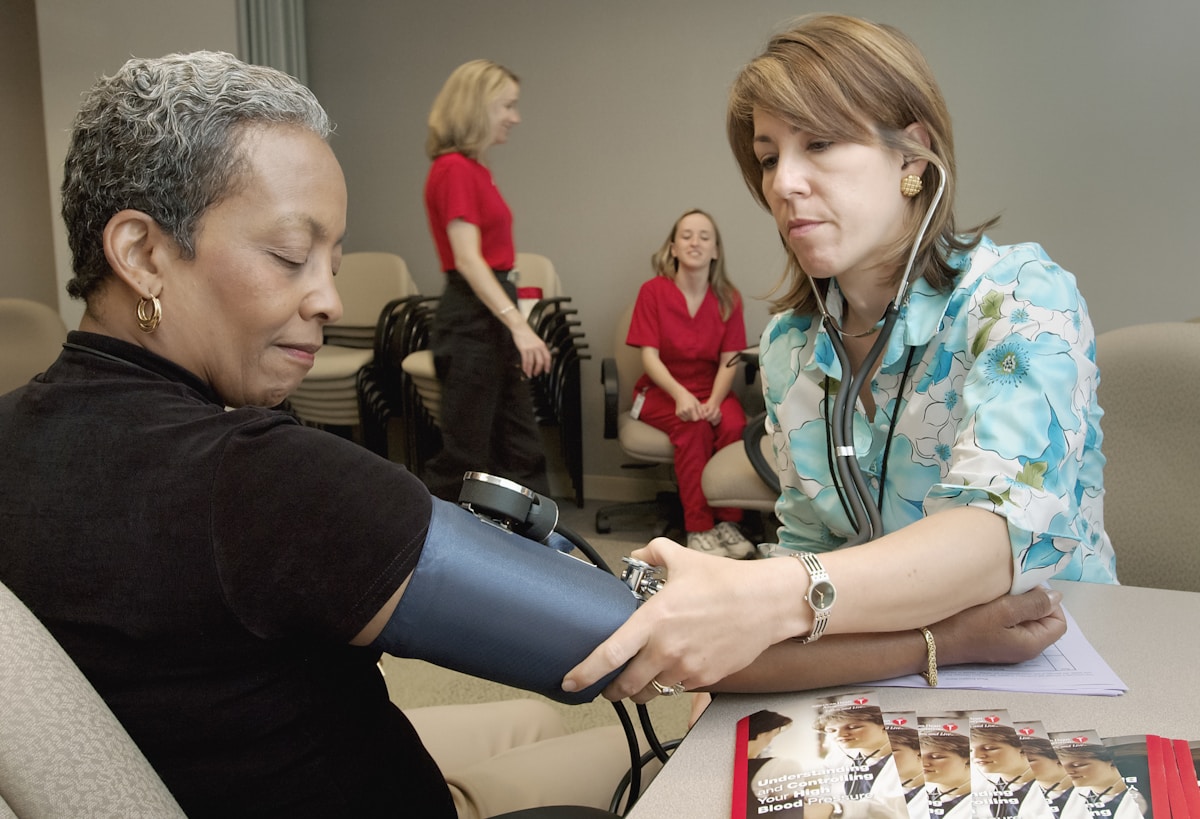
Quick Answer: What Is the Clinical Scribe AI?
Clinical Scribe is an AI medical documentation partner that converts dictation and raw clinical notes into polished, structured medical records while flagging gaps, inconsistencies, and coding issues.
Key capabilities:
- SOAP notes, H&Ps, and progress notes generated from dictation, bullet points, or free-form clinical observations
- Gap detection that identifies missing review of systems elements, undocumented allergies, incomplete assessments, and coding mismatches
- Discharge summaries, referral letters, and patient-facing visit summaries
- Cross-specialty fluency from primary care to surgery to psychiatry to emergency medicine
The Documentation Crisis Facing Clinicians in 2026
Clinical documentation has become the defining burden of modern medical practice. The promise of electronic health records was better care coordination and data-driven medicine. The reality has been a documentation treadmill that consumes physician time, drives burnout, and paradoxically distances doctors from the patients they're trying to help.
41.9% of U.S. physicians reported experiencing at least one symptom of burnout in 2025, down from 43.2% in 2024 and 48.2% in 2023 — but still affecting nearly half the physician workforce — American Medical Association National Physician Comparison Report
Doctors spend 2 to 3 hours doing paperwork for every single hour they spend actually with a patient — OmniMD's 2026 AI Adoption in U.S. Clinics Report
As of 2026, 70% of physicians in the UCSF health system were using AI scribes in their daily practice — Medical Economics
But accessing effective documentation support remains frustratingly difficult:
- "Pajama time" is still the norm. The medical community's term for after-hours documentation — typing notes at home, late at night, when you should be resting — hasn't disappeared despite years of EHR optimization efforts. The JAMA study across five academic medical centers found that AI scribe adoption did not significantly change the amount of time spent in the EHR outside of working hours.
- Enterprise ambient scribes are expensive and inflexible. Mid-range tools run upward of $100 per clinician per month. Enterprise platforms with deep EHR integration — Microsoft DAX Copilot, Abridge — cost [several hundred dollars per clinician per month, often requiring multiyear contracts](https://www.medicaleconomics.com/view/take-note-the-ai-scribe-era-is-here). A three-provider rural practice in Wisconsin reported that getting an integrated tool would cost [$500 per provider per month — "$1,500 a month is a lot for a practice of my size"](https://www.medicaleconomics.com/view/take-note-the-ai-scribe-era-is-here).
- Accuracy remains a genuine concern. A January 2025 study in the Journal of Medical Internet Research found errors in 70% of AI-generated notes, with omissions — the hardest type for physicians to catch — the most common. Spotting what's missing requires recall, not just recognition.
- Documentation is a thinking process, not just a task. UCSF's Robert Wachter raised a point that hasn't gotten enough attention: "Sometimes, while I was typing my note, I would say, 'I forgot to ask whether she has a pet at home.' There's something in the process of writing that is probably more cognitively active than reading over a draft". The best documentation tools need to support clinical thinking, not just output generation.
- The adoption gap is real. 81% of large urban hospitals have adopted AI tools compared to just 50% of small rural hospitals — and the gap is widening, not narrowing. Clinicians in smaller practices, independent settings, and underserved areas are being left behind by enterprise-focused solutions.
The 30% Who Haven't Adopted — And Why They Matter
At UCSF, where 70% of physicians now use an AI scribe, there is no technical mechanism to ensure that a physician has actually read the note before signing it — Medical Economics
Wachter observed that the remaining 30% of non-adopters at UCSF aren't all technophobes. Some are "raising legitimate questions about whether the technology is mature enough for their specific workflow." These physicians want documentation support — they just want it on their terms, with the ability to control the output, review with intentionality, and maintain the cognitive engagement that good documentation requires.
The Burnout-to-Documentation Pipeline
At Mass General Brigham, the rate of physician burnout fell from 52.6% to 30.7% over 84 days after AI scribe adoption — "There is literally no other intervention in our field that impacts burnout to this extent," said co-senior author Rebecca Mishuris, M.D. — Medical Economics
Documentation burden is the top cause of physician burnout, based on 2025 Tebra research — Tebra
The connection is unambiguous: documentation burden drives burnout, burnout drives attrition, and attrition deepens the workforce shortage that increases the documentation burden on remaining physicians. Breaking this cycle requires documentation tools that are accessible, affordable, and designed for the clinical thinking process — not just text generation.
This is exactly what Clinical Scribe was built for.
Why Clinical Scribe by Jenova
Unlike enterprise ambient scribes that require institutional contracts and deep EHR integration, or generic AI tools that don't understand clinical documentation standards, Clinical Scribe is a standalone AI documentation partner that any clinician can use immediately — no IT department, no procurement process, no multiyear contract. You bring the clinical content in whatever form works for you — dictation, bullet points, raw notes — and the agent produces structured, polished documentation.
| Traditional Approach | Clinical Scribe AI |
|---|---|
| 10-15 minutes typing each note after a patient encounter | Polished SOAP note from dictation or raw notes in seconds |
| Enterprise ambient scribes at $100-$500/month per clinician | Available on Jenova's free tier — no credit card, no contract |
| Generic AI that doesn't understand medical documentation structure | Purpose-built for SOAP notes, H&Ps, progress notes, and clinical records |
| Notes that look correct but miss key documentation elements | Gap detection that flags missing elements, inconsistencies, and coding issues |
| Locked into one vendor's workflow and EHR integration | Flexible input — dictation, bullet points, free text — on any device |
From Raw Input to Structured Clinical Documentation
Clinical Scribe doesn't require a specific input format. Speak naturally about what happened in the encounter, paste disorganized notes, type bullet points from memory — the agent organizes the clinical content into properly structured documentation. It understands the difference between subjective and objective findings, knows where the assessment belongs, and structures the plan with appropriate specificity.
"55-year-old male presenting with two weeks of progressive epigastric pain, worse after meals, some nausea no vomiting. History of H. pylori treated three years ago. Taking omeprazole 20mg daily without relief. Vitals stable, abdomen soft with mild epigastric tenderness, no rebound no guarding. Concerned about recurrence vs GERD vs need for upper endoscopy."
"Write this up as a SOAP note with appropriate ICD-10 codes and include my assessment and plan for EGD referral with continued PPI therapy."
Gap Detection and Quality Assurance
The most dangerous documentation errors are omissions — the allergy not recorded, the medication interaction not flagged, the review of systems element missing from a note that appears complete. Clinical Scribe actively identifies gaps: missing documentation elements that a thorough note should contain, inconsistencies between the subjective report and the assessment, and potential coding mismatches that create compliance risk.
"Review this progress note and flag anything that's missing or inconsistent. I want to make sure the assessment supports the billing code and that I haven't left out any required elements."
Cross-Specialty Documentation Fluency
Primary care notes require different documentation patterns than surgical operative reports. Psychiatric evaluations follow different structural conventions than emergency department charts. Clinical Scribe adapts its documentation approach to your specialty — formatting, terminology, required elements, and documentation standards — without requiring you to specify the template every time.
"I'm a psychiatrist. Convert my session notes into a structured psychiatric progress note with mental status exam, risk assessment, and treatment plan update."
Related Agents You'll Also Find Useful
If your clinical workflow extends beyond documentation — and every clinician's does — these agents complement the core Clinical Scribe experience:
Personal Medical Analyst
For clinicians who also want an AI partner for their own health — or for patients looking to understand their medical records, lab results, and symptom patterns. This agent learns health history over time and provides evidence-based guidance.
- Symptom analysis and differential consideration support
- Lab result interpretation with trend tracking across visits
- Evidence-based health guidance with persistent memory of medical history
Medical Image Analyst
For clinicians who want a second perspective on imaging — pattern recognition, differential considerations, and urgency assessment across all modalities from radiographs to MRIs.
- Detailed observational analysis across imaging modalities
- Differential considerations based on imaging patterns
- Urgency assessment for clinical prioritization
Academic Research Assistant
For clinician-researchers who need to stay current with literature while managing clinical responsibilities. This agent handles literature discovery, citation management, and manuscript preparation.
- Literature search across PubMed, Google Scholar, and institutional databases
- Systematic review support and citation management
- Manuscript drafting and preparation assistance
Nursing Tutor
For nursing professionals managing their own documentation workload alongside clinical reasoning development — NCLEX/NMC/HAAD prep, clinical reasoning frameworks, and nursing education support.
- Clinical reasoning development across nursing specialties
- Licensure exam preparation for every major jurisdiction
- Documentation best practices for nursing care plans
How It Works
Step 1: Open Clinical Scribe and Input Your Clinical Content
Navigate to Clinical Scribe on web, iOS, or Android. Start with whatever form your clinical content takes — dictate a narrative of the encounter using voice-to-text, paste bullet points you jotted during the visit, or type a stream-of-consciousness summary from memory. No template required. The agent remembers your specialty, preferences, and documentation style across sessions.
"I just saw a 38-year-old female, new patient, referred for chronic migraines. She's had episodic migraines since college, now averaging 12-15 headache days per month for the past six months. Current meds: sumatriptan PRN, ibuprofen. No preventive therapy tried yet. Family history of migraines in mother. Neuro exam normal. I'm starting topiramate 25mg daily, titrating to 100mg, and ordering MRI brain without contrast to rule out secondary causes."
Step 2: Receive a Structured, Polished Clinical Note
Clinical Scribe transforms your input into a properly structured note — SOAP format, H&P format, or whatever documentation type you specify. The output includes appropriate section organization, clinical terminology, and consistent formatting. Any gaps or missing elements are flagged for your review.
"This looks good but I forgot to mention — she also has a history of depression managed by her PCP with sertraline 50mg. Add that to the history and note the interaction consideration with topiramate in my assessment."
Step 3: Refine and Customize the Output
Adjust any element — change the level of detail, shift the documentation format, add or modify sections, adjust the tone for a referral letter versus an internal progress note. Clinical Scribe revises precisely without rebuilding the entire document.
"Expand the plan section — I also want to include a headache diary recommendation and a follow-up timeline. And generate a separate referral letter to her PCP summarizing today's visit and my treatment plan."
Step 4: Generate Additional Documentation from the Same Encounter
One clinical encounter often produces multiple documents: the chart note, a referral letter, a patient-facing visit summary, a prior authorization letter, or a disability form. Clinical Scribe generates all of them from the same underlying clinical content — maintaining consistency across documents.
"Now write a patient-facing visit summary for this encounter — plain language, no medical jargon, explaining the diagnosis, the treatment plan, and when to call the office."
Step 5: Return and Build on Your Documentation History
Clinical Scribe remembers your documentation preferences, specialty conventions, and common templates across sessions. Come back for the next patient, the follow-up visit note, or to generate a batch of overdue documentation — the agent picks up with full context of how you like your notes structured.
Results & Use Cases
📋 Post-Clinic SOAP Note Batch Processing
Scenario: Dr. Ramirez is a family medicine physician who sees 22 patients per day. She takes abbreviated notes during visits — keywords, vitals, key findings — and writes full SOAP notes after clinic. Tonight she has eight notes to finish.
Traditional approach: Two hours of "pajama time" typing structured notes from abbreviated shorthand, cross-referencing medication lists, and ensuring each note supports the billing code. She finishes at 10:30 PM, exhausted.
Clinical Scribe: Dr. Ramirez pastes her abbreviated notes for each encounter — a few lines of bullet points each — and the agent generates full SOAP notes with appropriate clinical structure, assessment language, and plan documentation. It flags one note where the assessment doesn't adequately support the E/M level billed and another where she forgot to document the patient's stated allergy update. Eight notes completed in 35 minutes instead of two hours.
- Eight structured SOAP notes from abbreviated bullet points in a fraction of the time
- Coding mismatch caught before submission — reducing compliance risk
- Missing allergy documentation flagged — improving patient safety
💼 Discharge Summary for a Complex Hospitalization
Scenario: Dr. Chen is a hospitalist discharging a 72-year-old patient after a 9-day admission for CHF exacerbation complicated by new-onset atrial fibrillation, hospital-acquired pneumonia, and acute kidney injury. The discharge summary needs to synthesize nine days of clinical events into a coherent narrative for the outpatient team.
Traditional approach: Scroll through nine days of daily progress notes, medication reconciliation records, consult notes from cardiology and nephrology, and lab trends. Draft a comprehensive summary that typically takes 45-60 minutes for a hospitalization this complex.
Clinical Scribe: Dr. Chen dictates the key clinical narrative — admission presentation, hospital course highlights, complications and management, and the discharge plan — in about five minutes of natural speech. The agent produces a structured discharge summary with admission diagnosis, hospital course organized by problem, discharge medications with changes highlighted, follow-up appointments, and pending results. It flags that the dictation didn't mention the patient's updated code status or the nephrology follow-up timeline.
- Complex 9-day hospitalization summarized from 5 minutes of dictation
- Gap detection caught missing code status documentation and follow-up detail
- Writing Assistant available for polishing the patient-facing discharge instructions into plain language
📱 Emergency Documentation on Mobile
Scenario: Dr. Okafor is an emergency medicine physician who sees patients at a pace that makes real-time documentation impossible. She's on a 12-hour shift and has six charts to close before she can leave.
Traditional approach: Stay an extra 90 minutes after shift end, reconstructing encounters from memory and abbreviated notes. The later she documents, the less accurate the recall — and the more likely she is to mix up details between similar patients.
Clinical Scribe on mobile: Between patients, Dr. Okafor uses voice-to-text to dictate 60-second encounter summaries into the app — rapid-fire clinical content with chief complaint, key findings, workup, and disposition. The agent transforms each dictation into a structured emergency department note with appropriate documentation elements. She reviews and approves each note on her phone during brief downtimes. By the end of shift, five of six charts are closed.
- Documentation completed during the shift rather than hours after
- Voice-to-text dictation captures clinical content while memory is fresh
- Structured output from informal dictation — no template required on mobile
🎯 Psychiatric Progress Notes with Mental Status Exam
Scenario: Dr. Patel is a psychiatrist who sees 12-15 patients per day for medication management. Each note requires a structured mental status exam, risk assessment, and treatment plan update — documentation elements that generic templates handle poorly.
Traditional approach: Use a template with pre-filled normal MSE findings and modify the abnormalities — a workflow that risks carrying forward stale information from previous visits and missing subtle changes in mental status.
Clinical Scribe: Dr. Patel dictates each encounter naturally: "Patient reports improved mood since sertraline increase, sleeping better, still some morning anxiety. Denies SI/HI. Appears well-groomed, euthymic affect, thought process linear, no perceptual disturbances. Continue current meds, follow up four weeks." The agent produces a complete psychiatric progress note with properly formatted MSE, risk assessment section, and treatment plan — each element written fresh from the current encounter, not carried forward from a template.
- Specialty-specific documentation that understands psychiatric note conventions
- Fresh MSE documentation from each encounter rather than template carryforward
- Risk assessment section structured for compliance and clinical accuracy
📊 Prior Authorization and Referral Letter Generation
Scenario: A rheumatologist needs to write a prior authorization letter for a biologic medication and a referral letter to orthopedic surgery — both for the same patient, both due today, both requiring specific clinical justification language that insurance companies and specialists expect.
Traditional approach: Draft each letter separately, pulling clinical details from the chart, structuring the medical necessity argument for the PA letter, and writing a different narrative for the referral. Forty-five minutes of administrative writing.
Clinical Scribe: The rheumatologist provides the clinical context once — diagnosis, treatment history, failed therapies, current disease activity, and what she's requesting. The agent generates both documents: a prior authorization letter with medical necessity language structured for payer review, and a referral letter summarizing the clinical picture for the orthopedic surgeon. Each document uses the appropriate tone, terminology, and structure for its audience.
- Two distinct clinical documents generated from a single clinical input
- PA letter structured with medical necessity language optimized for payer review
- Referral letter formatted for specialist communication conventions
FAQ
Is the Clinical Scribe AI free to use?
Yes. Clinical Scribe is available on Jenova's free tier with all core features — SOAP notes, H&Ps, gap detection, and persistent memory across sessions. Paid plans offer increased usage limits and custom model selection, but the free tier provides full access to the documentation partner experience — no credit card required, no institutional contract needed.
How is this different from enterprise ambient scribes like DAX or Abridge?
Enterprise ambient scribes like Microsoft DAX and Abridge require institutional procurement, deep EHR integration, and contracts that can cost several hundred dollars per clinician per month. They work by recording live patient encounters. Clinical Scribe takes a different approach: you bring clinical content in any form — dictation after the visit, bullet points, raw notes — and the agent structures it into polished documentation. It's accessible to any individual clinician immediately, without IT involvement or institutional approval.
What types of clinical documentation can it produce?
Clinical Scribe handles SOAP notes, H&Ps, progress notes, discharge summaries, referral letters, prior authorization letters, patient-facing visit summaries, procedure notes, and consultation reports. It adapts its formatting and documentation standards to your specialty — primary care, surgery, psychiatry, emergency medicine, internal medicine, pediatrics, and more.
Does it work on mobile?
Absolutely. Jenova has full feature parity across web, iOS, and Android with state-of-the-art speech-to-text. Clinical Scribe works identically on your phone — making it available for dictating encounter summaries between patients, closing charts during downtime, or finishing documentation from home without being chained to a desktop.
How does it handle documentation accuracy?
Clinical Scribe includes gap detection that flags missing elements, inconsistencies between sections, and potential coding mismatches. However, as with any AI documentation tool, physicians carry the responsibility of reviewing every note before signing. The agent is designed to support your clinical documentation process — not replace your clinical judgment. Every output should be reviewed and approved before it enters the medical record.
Is my patient data private?
Jenova's data is never used to train public AI models. All conversations are encrypted in transit and at rest, and nothing is sold or shared with advertisers. For clinicians documenting patient encounters, this privacy architecture matters. However, clinicians should follow their institution's policies regarding where patient information may be entered and should avoid including direct patient identifiers when using any external AI tool.
Conclusion
The documentation burden in medicine remains the top cause of physician burnout — and while enterprise ambient scribes have seen explosive adoption, with 70% of UCSF physicians now using AI scribes daily, millions of clinicians remain locked out by institutional procurement barriers, contract costs, and inflexible workflows. The gap between large urban hospitals and small rural practices is widening, and the physicians who need documentation relief most urgently are often the ones least likely to have access to enterprise tools.
Clinical Scribe fills that gap — a documentation partner any clinician can use immediately, on any device, with any input format. Dictate, type, or paste your clinical content and receive structured, polished documentation with gap detection and coding awareness — no institutional contract, no EHR integration required, no $500/month price tag. Try it now and reclaim the hours you're spending on documentation for the work that actually matters: patient care.
Explore more specialized agents at Jenova.