Best AI for Bartender Coach: Master Cocktails, Technique, and Bar Service With AI (July 2026)
2026-07-03
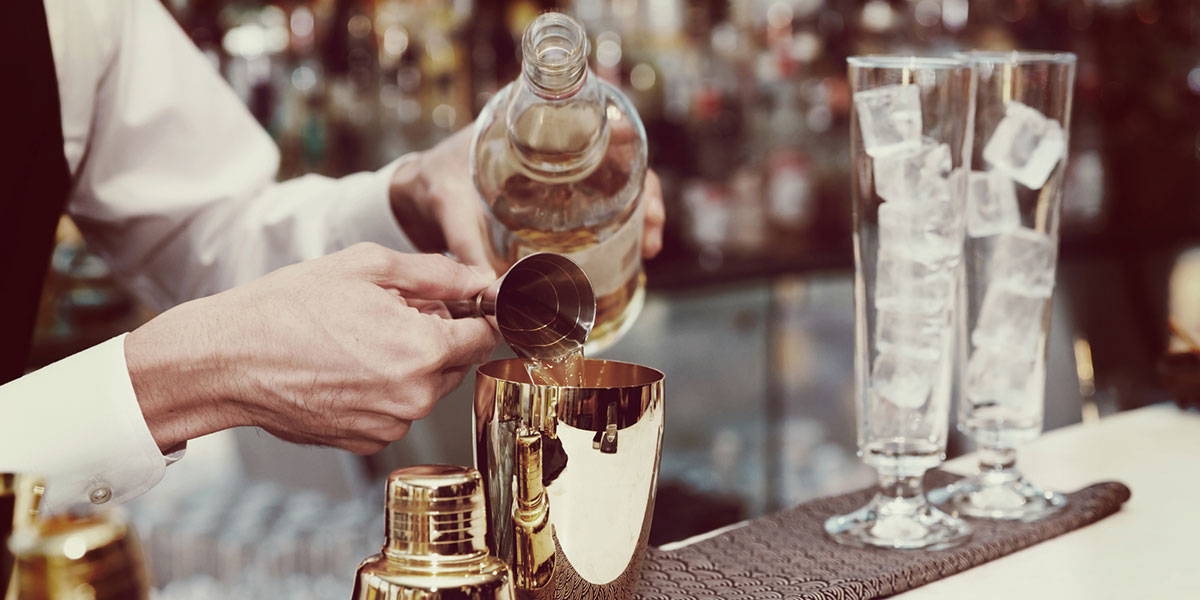
Bartender Coach is an AI-powered mixology mentor that delivers expert-level cocktail knowledge, technique coaching, home bar guidance, and full menu engineering — on demand, from any device. While traditional bartending education requires expensive in-person programs, rigid scheduling, and years of on-the-job trial and error, this AI gives you a seasoned craft bartender in your pocket, ready to teach you everything from a proper shake to a seasonally rotated cocktail menu.
✅ Covers classic and modern cocktail recipes with spec-level precision ✅ Technique coaching — shaking, stirring, muddling, free-pouring, and garnish work ✅ Home bar building from first bottle to full back bar ✅ Menu engineering, costing, and seasonal rotation strategy
The cocktail renaissance is in full swing — but breaking into bartending or leveling up behind the stick has never been more complex. To understand why an AI bartender coach matters in 2026, let's look at the real challenges facing aspiring and working bartenders today.
Quick Answer: What Is Bartender Coach?
Bartender Coach is an AI mixology mentor that provides personalized cocktail training, technique coaching, and bar business guidance to help bartenders at every level master drinks, service, and menu strategy.
Key capabilities:
- Cocktail mastery across classic, modern, and tiki categories with precise specs and substitutions
- Technique science — dilution rates, shaking physics, ice theory, and temperature control
- Home bar building roadmaps from starter kits to full professional setups
- Menu engineering with costing, seasonal rotation, and guest psychology
The Problem: Bartending Knowledge Is Fragmented, Expensive, and Hard to Access
The hospitality industry continues to face a structural paradox: consumer demand for craft cocktails is at historic highs, yet the pipeline for developing skilled bartenders remains fractured and underserved.
$200–$600 — Typical cost range for in-person bartending certification courses in the U.S.
65% — Percentage of hotels still reporting staffing shortages in 2025
USD 18.34 billion — AI in food and beverages market size in 2026, growing at 36.96% CAGR
But the price tag of formal education is only the surface. Here are the core challenges every bartender — from home enthusiast to career professional — actually faces:
- Bartending schools teach basics, not craft — most programs cover POS systems, alcohol safety, and speed rails, but skip the depth of modern mixology
- Mentorship is gatekept by geography and luck — learning from a great bartender requires landing a job at a great bar, which requires experience you don't yet have
- Technique is physical and hard to self-correct — shaking, stirring, and free-pouring require feedback loops that books and YouTube can't provide
- Menu engineering and costing are rarely taught — the business side of bartending remains a black box for most working bartenders
- Persistent hospitality labor shortages mean fewer experienced mentors available to train new staff
📉 Formal Education Doesn't Match Industry Needs
Bartending schools typically run two to seven weeks, and graduates of shorter programs tend to feel comfortable with only basic knowledge. The gap between "can make a vodka soda" and "can design a seasonal cocktail program" is enormous — and formal education rarely bridges it. Most successful bartenders learn through years of on-the-job mentorship, which depends entirely on working under someone willing and able to teach.
🧊 Technique Requires Repetition and Feedback
The difference between a well-balanced cocktail and a mediocre one often comes down to technique: how long you shake, how aggressively you stir, how precisely you measure, and how you control dilution through ice selection. These are physical skills with scientific foundations — dilution rates, temperature curves, and aeration physics — that most bartenders learn through years of intuition rather than structured understanding.
💰 The Business Side Stays Hidden
Even experienced bartenders often lack training in menu costing, pour cost management, inventory control, and guest psychology. A cocktail that tastes great but costs $6 to make on a $14 menu price is a business problem. Understanding contribution margins, seasonal ingredient pricing, and menu architecture separates bartenders who make drinks from bartenders who build profitable programs.
Why Bartender Coach

Bartender Coach functions as a dedicated mixology mentor, technique instructor, and bar business advisor — available whenever you have a question, a recipe to troubleshoot, or a menu to build. It doesn't replace the experience of working a busy Saturday night service, but it fills every gap in between with structured, expert-level knowledge that would normally take years of mentorship to acquire.
| Traditional Approach | Bartender Coach |
|---|---|
| $200–$600 for a bartending school covering basics | Unlimited coaching on technique, recipes, and business included in your subscription |
| Mentorship depends on finding the right bar and the right boss | Expert guidance available 24/7, on any device |
| Recipe knowledge built ad hoc from scattered books and videos | Comprehensive cocktail library with specs, history, variations, and substitutions |
| Technique learned through trial and error over years | Science-grounded technique coaching with explanations of why methods work |
| Menu engineering learned only at management level, if at all | Costing, pricing, seasonal rotation, and guest psychology from day one |
| Home bar advice from Reddit threads and influencer content | Structured home bar building roadmap based on your budget and drinking preferences |
🍸 Complete Cocktail Knowledge
Whether you're learning your first Old Fashioned or developing a modern cocktail with clarified citrus and saline solution, Bartender Coach adjusts to your level. It covers the full canon — pre-Prohibition classics, tiki, modern American, Japanese-style bartending, low-ABV and zero-proof — with precise specs, historical context, and endless variations.
"Walk me through the Daiquiri family — the classic spec, the Hemingway variation, and how to riff on the template with seasonal fruit."
🔬 Technique Science
Rather than just telling you to "shake vigorously," Bartender Coach explains the physics: why a 10-second hard shake with Kold-Draft ice produces a different result than a 15-second shake with wet ice, how aeration affects texture in egg white cocktails, why stirred drinks require a specific ice-to-spirit ratio for optimal dilution without over-chilling. This is the kind of knowledge that separates craft bartenders from recipe followers.
"Explain the difference between shaking and dry-shaking for a Whiskey Sour with egg white. What's the science behind reverse dry shaking?"
🏠 Home Bar Building
From your first bottle purchase to a fully stocked back bar, Bartender Coach maps out exactly what to buy, in what order, based on your budget and the drinks you want to make. No more guessing whether you need Cointreau or Grand Marnier first, or whether that bottle of Chartreuse is worth the investment at your current skill level.
"I have a $150 budget to start a home bar. I like whiskey-forward drinks and citrus cocktails. What should I buy first, and what can I make with it?"
Related Agents You'll Also Find Useful
If you're developing bartending skills or building a drinks program, these agents complement Bartender Coach across your broader hospitality and creative workflow:
Wine Connoisseur
A cocktail menu doesn't exist in isolation — many craft bars also serve wine, and understanding wine fundamentals strengthens your palate and your ability to pair drinks with food. Wine Connoisseur covers tasting notes, food pairing, regional characteristics, and cellar strategy.
- Wine-by-the-glass program development for bars
- Food and drink pairing principles that apply across spirits and wine
- Palate training and tasting vocabulary
Whiskey & Spirits Guide
Deep spirits knowledge is what separates a competent bartender from an exceptional one. From Scotch regions and bourbon mash bills to mezcal production methods and Japanese whisky philosophy, this agent covers the full spirits world.
- Spirit category deep dives for menu development
- Tasting notes and comparison frameworks
- Collecting and bottle selection guidance for bars and personal shelves
Master Chef Coach
Modern cocktail programs increasingly involve culinary techniques — syrups, infusions, ferments, shrubs, and garnish work. Master Chef Coach bridges the gap between kitchen and bar with technique-first culinary teaching.
- Syrup and infusion technique for cocktail ingredients
- Fermentation basics for bar applications
- Garnish preparation and plating principles
Business Co-Pilot
If you're opening a bar, managing one, or building a consulting practice around cocktail programs, Business Co-Pilot provides strategic guidance on financial modeling, operations, and compliance.
- Bar business plan development and financial projections
- Liquor license navigation and compliance
- Operational workflow and staffing models
How It Works
Step 1: Tell It Where You Are
Open Bartender Coach and describe your experience level, goals, and what you want to focus on. The agent calibrates its language, depth, and recommendations to match — whether you're a complete beginner shaking your first cocktail or a bar manager designing a seasonal program.
"I'm a home bartender with about 6 months of experience. I can make basic stirred and shaken drinks, but I want to level up my technique and start building original cocktails."
Step 2: Learn Recipes and Technique Together
Each session can focus on specific cocktails, technique fundamentals, or broader categories. Bartender Coach doesn't just give you a recipe — it explains the why behind every decision: why that ratio, why that ice, why that garnish, and what happens if you change each variable.
"Teach me the Last Word. Explain the equal-parts template, why it works, and how to riff on it with different amaro and citrus combinations."
Step 3: Build Your Bar or Menu
Whether you're stocking a home bar or designing a 12-cocktail seasonal menu for a restaurant, Bartender Coach walks you through the process step by step — bottle selection, category balance, costing, and guest experience flow.
"I'm designing a summer cocktail menu for a rooftop bar. Budget is $4.50 max pour cost per drink, menu price $16-$18. Give me a balanced 10-drink menu with at least two zero-proof options."
Step 4: Troubleshoot and Refine
Bring your specific problems. A drink that tastes too sweet? A shake that's producing inconsistent dilution? A home bar purchase you're debating? Bartender Coach diagnoses issues and provides targeted fixes based on mixology fundamentals.
"My Negroni always tastes too bitter and not sweet enough. I'm using equal parts Beefeater, Campari, and Carpano Antica. What should I adjust?"
Step 5: Go Deeper Over Time
Bartender Coach remembers your preferences, skill level, and past conversations across sessions. As your knowledge builds, the coaching deepens — moving from recipe execution to flavor theory, from technique basics to advanced methods like fat-washing, clarification, and carbonation.
"Based on everything we've discussed, what are the three biggest gaps in my cocktail knowledge right now? Give me a focused study plan for each."
Results & Use Cases
🍹 Home Enthusiast Building a First Bar
Scenario: A 28-year-old software developer wants to make craft cocktails at home but feels overwhelmed by conflicting advice on what to buy first. Their budget is $200 for bottles and $75 for tools.
Traditional Approach: Hours on Reddit r/cocktails and YouTube, contradictory recommendations, impulse purchases of bottles that sit unused, and no coherent system for building skills progressively.
Bartender Coach: Builds a prioritized shopping list based on the user's taste preferences, maps those bottles to 15+ cocktails they can make immediately, and provides a 4-week skill progression plan from basic builds to shaken citrus drinks to stirred spirit-forward cocktails.
- Personalized bottle priority list maximizing recipe coverage per dollar
- Tool recommendations based on actual utility, not aesthetics
- Progressive skill-building curriculum tied to what's already on their shelf
💼 New Bartender Preparing for a Craft Bar Job
Scenario: A server at a casual restaurant wants to transition to bartending at a craft cocktail bar. They know basic well drinks but have never made a proper stirred cocktail or worked with fresh juice programs.
Traditional Approach: Apply to craft bars and get rejected for lack of experience. Consider a bartending school at $200–$600 that teaches basics they already know. Hope to find a barback position and learn on the job over 6–12 months.
Bartender Coach: Provides a structured crash course in craft bar fundamentals — classic cocktail canon, proper technique for stirring and shaking, fresh juice prep, garnish standards, and the vocabulary used in craft bar environments. Runs mock scenarios covering common interview questions and stage (trial shift) expectations.
- Classic cocktail knowledge covering the 30-40 drinks every craft bar expects
- Technique drills with scientific grounding for credibility in interviews
- Service workflow and bar etiquette for craft environments
📱 Working Bartender Developing Original Cocktails on the Go
Scenario: A bartender with three years of experience wants to start developing original cocktails for their bar's seasonal menu but lacks formal training in flavor theory or recipe development methodology.
Traditional Approach: Trial and error during slow shifts, copying ideas from Instagram, and hoping the bar manager approves. No systematic framework for balancing new recipes.
Bartender Coach on mobile: Interactive recipe development sessions during commutes or downtime. The bartender describes a flavor concept, and the AI walks through template selection, balance ratios, ingredient alternatives, and cost implications — refining the drink across multiple iterations.
- Flavor pairing frameworks grounded in cocktail balance theory
- Template-based recipe development (sour, spirit-forward, highball, flip)
- Cost analysis per drink with target pour cost calculations
📊 Bar Manager Engineering a Profitable Menu
Scenario: A bar manager at a mid-volume restaurant is tasked with redesigning the cocktail menu to improve both guest experience and profitability. Current pour costs are running at 28%, and ownership wants them under 22%.
Traditional Approach: Hire a beverage consultant at $1,500–$5,000 for a menu overhaul, or spend weeks researching pricing strategy, recipe costing, and category balance independently.
Bartender Coach: Collaboratively redesigns the menu with attention to category balance, ingredient cross-utilization (reducing waste and lowering effective pour costs), pricing psychology, and seasonal rotation strategy. Provides specific recipes costed to target margins and explains the business rationale behind each decision.
- Menu architecture with category balance and flow
- Ingredient cross-utilization strategy to reduce waste
- Pour cost calculations per drink with margin optimization
Frequently Asked Questions
Is Bartender Coach free to use?
Yes, Bartender Coach is available on Jenova's free tier with core functionality. Paid plans starting at $20/month provide significantly increased usage for intensive learning periods — up to 300× on the Max plan. No credit card required to start.
Can Bartender Coach replace bartending school?
For many aspiring bartenders, it provides substantially more depth than a typical bartending school — particularly in cocktail knowledge, technique science, and business fundamentals. However, physical practice behind an actual bar remains essential. Think of Bartender Coach as the knowledge and mentorship layer that accelerates everything you do with your hands.
How is Bartender Coach different from YouTube tutorials or cocktail books?
Cocktail books and videos are static and one-size-fits-all. Bartender Coach is interactive and adaptive — it responds to your specific questions, adjusts to your experience level, remembers your preferences and past conversations, and provides personalized guidance that a pre-recorded video simply cannot. Ask it why a recipe works, and it explains the underlying principles. Ask it to modify a drink for a missing ingredient, and it provides calibrated substitutions.
Can Bartender Coach help with non-alcoholic cocktails?
Absolutely. Zero-proof and low-ABV drinks are a growing category, and Bartender Coach covers the specific challenges of building complexity, body, and balance without spirits — including the use of non-alcoholic spirits, shrubs, fermented ingredients, teas, and acid-adjusted juices.
Does Bartender Coach work on mobile?
Full functionality on iOS and Android through the Jenova app. This is particularly valuable for bartenders who want to study during downtime, look up a recipe mid-shift, or develop original cocktails on the go.
Is the cocktail knowledge accurate and up to date?
Bartender Coach draws on comprehensive mixology knowledge covering classic and modern cocktail canon, established technique principles, and bar business fundamentals. The AI in food and beverages market is projected to reach USD 88.37 billion by 2031, and AI-driven training tools represent one of the fastest-growing segments. As with any reference, always taste and adjust — bartending is ultimately a sensory craft.
Conclusion
The path from curious drinker to skilled bartender — or from competent bartender to cocktail program architect — has historically depended on luck: finding the right mentor, landing the right job, stumbling into the right opportunities. The knowledge exists, but it's scattered across expensive courses, gatekept mentorships, and years of trial-and-error behind the bar.
Bartender Coach consolidates that knowledge into a single, adaptive resource. It teaches you the why behind every technique, builds your cocktail vocabulary from classics through modern innovation, and equips you with the business acumen that most bartenders never formally learn. With 82% of hospitality executives believing AI will be critical for competitive advantage and 70% of hospitality companies planning to increase AI investments by at least 20%, the intersection of AI and hospitality training is no longer experimental — it's the new standard.
Whether you're building your first home bar, preparing for a stage at a craft cocktail lounge, or redesigning a restaurant's beverage program for profitability, the mentorship you need is now available on demand. Try Bartender Coach now and turn every question into a learning moment that compounds over time. Explore more specialized AI agents at Jenova.