Best AI for Antique Expert: Appraisal & Authentication (July 2026)
2026-07-10
Antique Expert delivers instant identification, valuation, and authentication for antiques and collectibles — from porcelain marks and furniture joinery to fine art provenance and coin grading. While the global antiques and collectibles market has surpassed $156 billion in 2026, most collectors still face authentication uncertainty, inflated pricing, and fragmented research that demands hours across dozens of platforms and databases.
✅ Upload photos for instant identification, period dating, and market valuation ✅ Detect forgeries through construction analysis, materials assessment, and provenance red flags ✅ Research maker's marks, signatures, and historical context across every collecting category ✅ Get buying, selling, and collecting strategy grounded in current auction data and market trends
The antiques world has always rewarded knowledge above all else — and in 2026, the gap between informed collectors and everyone else has never been wider. To understand why that matters, let's examine the challenges facing collectors, dealers, and enthusiasts today.
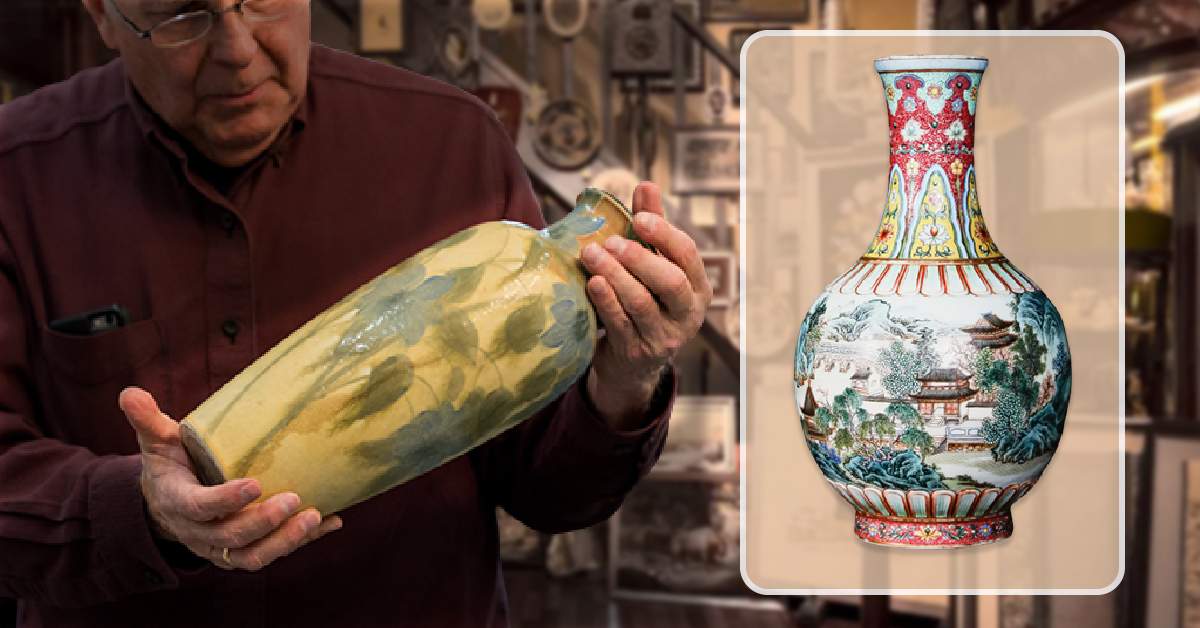
Quick Answer: What Is AI Antique Expert?
Antique Expert is an AI-powered appraisal and authentication advisor that identifies antiques, estimates current market value, and detects forgeries from uploaded photos and descriptions in seconds.
Key capabilities:
- Instant photo-based identification across furniture, ceramics, jewelry, art, coins, and all major collecting categories
- Market valuation grounded in auction data, comparable sales, and current collecting trends
- Forgery detection through construction analysis, materials assessment, and provenance verification guidance
- Maker's mark research, period attribution, and detailed historical context for any piece
The Antique Authentication Crisis
The antiques market is booming — but so are the risks. The global antiques and collectibles market was valued at USD 150.2 billion in 2025 and is projected to reach $229.7 billion by 2035, growing at a steady 4.4% CAGR. Rising wealth, younger collectors entering the space, and a renewed cultural appreciation for heritage assets are fueling demand across every category. Yet this growth has attracted increasingly sophisticated forgeries and reproductions that challenge even the most experienced eyes.
But accessing reliable expertise in this market is frustratingly difficult:
**$3.1 billion** — [Size of the global art appraisal service market in 2026, growing from $2.86 billion in 2025](https://www.researchandmarkets.com/reports/6245025/art-appraisal-service-market-report)
-
Authentication is expensive and inaccessible. Professional in-person appraisals cost $100–$500+ per item, with multi-week waiting periods for qualified specialists in most categories. Collectors with large estates or growing collections face cumulative costs in the thousands just for preliminary assessments.
-
Provenance gaps undermine buyer confidence. Forged ownership documents, incomplete records, and reproductions with unclear provenance complicate the assessment process at every price point. Without clear lineage, buyers assume risk — and sellers leave money on the table.
-
Forgeries are more sophisticated than ever. Artificial aging, forged signatures, and fabricated provenance now require scientific testing like UV inspection, pigment analysis, and material dating to detect with confidence. The volume and quality of fakes continues to escalate.
-
Market knowledge is fragmented across platforms. Serious collectors must cross-reference over 450 million sold prices on WorthPoint, eBay completed listings, auction house archives, and specialized mark databases — each separately, each with its own interface and limitations.
-
A new generation of collectors lacks institutional knowledge. The "Youthquake" trend in collecting is bringing Millennial and Gen Z buyers into vintage watches, high-end sneakers, and pop culture memorabilia. These new entrants are tech-savvy but often lack the domain expertise to separate authentic pieces from convincing reproductions.
The Knowledge Gap Is the Real Cost
The most expensive mistake in antique collecting isn't overpaying — it's not knowing what you're looking at. A misidentified maker's mark, an undetected repair, or a missed attribution can mean the difference between a $200 flea market purchase and a $20,000 discovery. Building traditional expertise takes decades of hands-on experience across even a single category, and most collectors work across multiple domains — furniture, ceramics, silver, art — without specialist-level depth in any of them.
Meanwhile, the antiques market has seen 15% annual growth driven by younger buyers and digital marketplaces, creating a surge of new participants who need reliable guidance before they develop their own eye. The asymmetry between seasoned dealers and newer collectors creates real financial exposure on every transaction.
Fragmented Research Wastes Critical Time
For a single piece, a diligent collector might spend hours photographing marks, searching databases, comparing auction results across platforms, reading forum discussions, and cross-referencing period construction details — and still walk away uncertain. Online valuations provide estimates, but professional in-person appraisals remain necessary for insurance and estate purposes, creating a two-tier system where serious authentication is reserved for those who can afford it and wait for it. The collector who needs an answer at a Sunday flea market has no realistic path to expert-level analysis in real time.
Why Antique Expert
Antique Expert consolidates decades of collecting knowledge, authentication methodology, and market intelligence into a single conversational AI advisor that works from photos, descriptions, and ongoing dialogue. It doesn't replace hands-on physical examination of high-value pieces — but it eliminates the knowledge gap that makes most collectors vulnerable at every other stage of the process.
While generic antique identification apps provide a one-shot result — upload a photo, receive a label and a price — this AI delivers ongoing expertise with persistent memory of your collection, nuanced authentication analysis, and multi-step research guidance that mirrors the experience of working with a dedicated collecting advisor.
| Traditional Approach | Antique Expert |
|---|---|
| $100–$500+ per professional appraisal | Unlimited consultations included with your plan |
| Weeks waiting for specialist availability | Instant analysis from photo upload |
| Expertise limited to 1-2 categories per appraiser | Coverage across all major collecting categories |
| Manual cross-referencing of multiple databases | Integrated identification, valuation, and authentication |
| One-shot app results with no follow-up | Conversational depth with memory of your collection |
Photo-Based Identification & Attribution
Upload photos from any angle — overall composition, maker's marks, construction details, damage, patina, underside — and the AI analyzes visual characteristics to identify your piece. It evaluates style, period markers, materials, and construction techniques to narrow attribution and provide confidence notes:
"I found this vase at an estate sale. The bottom has a blue mark I can't read clearly. Can you identify the maker and approximate period from these photos?"
The AI cross-references visual characteristics against known styles and mark databases, identifies probable makers and periods, and explains what evidence supports or weakens the attribution. It also tells you what additional photos or information would strengthen the identification.
Forgery Detection & Red Flag Analysis
Beyond identification, the AI applies the same analytical framework professional authenticators use — examining construction methods, material consistency, wear patterns, and provenance documentation to flag potential issues before you commit money:
"The dealer says this is a genuine Chippendale chest from the 1770s. What should I check to verify that claim before buying?"
You'll get specific guidance on what joinery techniques, wood species, hardware styles, and surface characteristics are consistent with the claimed period — and exactly what red flags would suggest a 19th-century reproduction or a modern fake. The AI also explains the relative weight of each indicator, so you know the difference between a minor uncertainty and a deal-breaking inconsistency.
Market Valuation & Collecting Strategy
The AI provides valuation context based on category expertise, current auction trends, and market dynamics. Rather than a single number, it helps you understand the range of values for comparable pieces and what factors push yours toward the high or low end:
"I inherited a collection of Depression-era glass — about 40 pieces across different patterns. Which pieces are most valuable, and should I sell now or hold for better prices?"
This goes beyond static price databases: the AI considers condition factors, rarity within the pattern, current collecting trends, seasonal demand, and selling channel options to give you strategic guidance that a price lookup alone can't provide.
Provenance Research Guidance
For pieces where documented history drives value, the AI guides you through provenance research methodology — what records to look for, how to trace ownership history, where to find corroborating evidence, and how to present provenance to buyers or auction houses:
"This painting has a gallery label on the back and what looks like a customs stamp. Can you help me trace where it's been?"
The AI helps you understand why provenance plays a crucial role in both authentication and valuation and provides actionable steps for building documentation that protects your investment and maximizes resale value.
Related Agents You'll Also Find Useful
If you're working across the broader world of collectibles, valuables, and high-end acquisitions, these agents complement the Antique Expert's domain knowledge:
Jewelry Expert
Jewelry Expert provides gemological analysis, appraisal guidance, and investment strategy for fine jewelry and vintage watches — a category where authentication is equally critical and period attribution equally complex.
- Gemstone identification and quality grading from photos
- Period jewelry attribution, hallmark research, and maker identification
- Investment strategy and market analysis for fine jewelry and vintage timepieces
Art Advisor
Art Advisor covers fine art history, market analysis, artist attribution, and collection building — essential for collectors who work across both antiques and fine art or encounter paintings and prints in estate acquisitions.
- Art historical analysis, style attribution, and artist identification
- Market intelligence for auction and gallery acquisitions
- Collection curation strategy and acquisition prioritization
Real-Time Search
Real-Time Search extends your research capabilities across Google, Reddit, YouTube, and specialized platforms — useful for tracking recent auction results, monitoring forum discussions about specific makers or categories, or checking dealer reputations before purchasing.
- Cross-platform search for comparable sales, current listings, and dealer activity
- Community insights from r/Antiques and category-specific Reddit forums
- YouTube discovery for restoration techniques, expert commentary, and market analysis videos
How It Works
Step 1: Upload Photos and Describe What You Have
Start by sharing photos of the antique — overall shots, close-ups of marks, construction details, any visible damage or repairs. Include whatever context you know: where you found it, what the seller claimed, any documentation or labels that came with it. More visual information produces more accurate analysis.
"Here's a porcelain figurine I picked up at a flea market for $35. The base has a blue crossed swords mark with a dot between the hilts. It's about 8 inches tall and depicts a shepherdess with a lamb. I can see a small chip on the base edge — visible in the third photo."
Step 2: Receive Identification and Assessment
The AI analyzes your photos and description to identify the piece — maker, approximate period, style category, and likely origin. It notes what visual evidence supports the identification, flags any inconsistencies or uncertainties, and indicates what additional evidence would strengthen the attribution.
"Based on the crossed swords mark with the dot, can you tell me if this is genuine Meissen from the Marcolini period or a later reproduction using a similar mark variation?"
Step 3: Get Valuation Context and Market Intelligence
Once identified, the AI provides valuation guidance based on category knowledge, recent auction results for comparable pieces, condition assessment, and current market trends. It explains what factors drive the value range and where your specific piece likely falls.
"What's the typical price range for genuine Meissen shepherdess figurines from this period in similar condition? Does the chip significantly affect value?"
Step 4: Receive Authentication Guidance
For pieces where authenticity is uncertain, the AI provides detailed guidance on what to examine — construction techniques, materials, aging patterns, and documentary evidence — and explains how professional authenticators approach the same questions.
"The glaze looks slightly different from Meissen examples I've seen online. What specific tests or visual checks can I do to verify before paying for a professional appraisal?"
Step 5: Plan Your Next Steps
Whether you're buying, selling, insuring, or cataloging, the AI provides actionable guidance — which pieces warrant professional appraisal, optimal selling channels for your category and price point, how to document and preserve pieces, and where specific research resources exist.
"If this is genuine Marcolini-period Meissen, should I sell through a specialist ceramics auction house or list it on a general platform like eBay?"
Results & Use Cases
🏺 Estate Liquidation Research
Scenario: A family inherits a large estate containing hundreds of antiques — Georgian furniture, sterling silver flatware, porcelain collections, oil paintings, and boxes of unidentified objects — and needs to determine what's genuinely valuable before engaging an auctioneer or estate sale company.
Traditional Approach: Hire multiple category specialists at $200–$500 each, wait weeks for in-person appointments, and spend thousands on preliminary assessments before knowing whether the collection justifies a formal auction or should go to an estate sale company at bulk pricing.
Antique Expert: Upload photos of each piece for immediate triage — the AI separates potentially high-value items that warrant professional authentication from common pieces suitable for estate sale or online listing at market prices.
- Prioritize which items justify the cost of formal professional appraisal
- Identify sleeper pieces that a generalist estate sale company might undervalue or overlook entirely
- Get category-specific selling recommendations — specialist auction house, general online platform, or dealer consignment — based on each piece's likely value range and market demand
💼 Dealer Inventory Sourcing
Scenario: An antiques dealer attends estate sales and auctions weekly, evaluating dozens of potential purchases under time pressure. Making consistently good buys across multiple categories requires broad knowledge that no single dealer possesses across every domain.
Traditional Approach: Rely on years of accumulated expertise in a few specialties, pass on unfamiliar categories, or take risks on pieces outside your knowledge base — sometimes profitably, often not.
Antique Expert: Consult the AI during preview hours or between lots to get rapid identification and valuation estimates for pieces outside your primary expertise. Expand your buying range with confidence.
- Assess unfamiliar categories without revealing uncertainty to competing buyers
- Verify attributions and condition claims made by sellers or auction catalogs
- Identify arbitrage opportunities where catalog descriptions understate a piece's significance
📱 Flea Market & Estate Sale Finds (Mobile)
Scenario: A weekend picker spots a promising piece at a flea market — it looks like it could be a genuine Arts & Crafts period lamp, but the seller wants $400 and needs an answer before the next buyer walks up.
Traditional Approach: Make a gut-feel decision, risk overpaying for a reproduction, or lose a genuine piece while fumbling through fragmented databases on your phone's tiny screen.
Antique Expert: Snap photos and send them directly from your phone for instant identification and valuation context — enough to make a confident buy or pass decision in minutes, right at the booth.
- Real-time identification from mobile photos taken in natural lighting at the venue
- Quick valuation ranges for confident on-the-spot negotiation
- Forgery red flags and reproduction indicators surfaced before you hand over cash
🔍 Online Purchase Verification
Scenario: An eBay listing shows a "19th-century Qing dynasty cloisonné vase" at an attractive $1,200 price with a 3-day return window. The photos look plausible, but the buyer can't inspect it in person and knows that asking prices on eBay are unreliable — sold listings show what buyers actually paid.
Traditional Approach: Take a chance based on listing photos, or pay for a third-party authentication service that takes days to respond — by which time the listing may have sold.
Antique Expert: Share the listing photos for immediate visual analysis — the AI examines enamel work quality, form proportions, base marks, and gilt wear patterns for period consistency, flags common reproduction indicators for the specific category, and advises on what questions to ask the seller or what guarantees to insist on before purchasing.
- Identify common reproduction patterns specific to each category and period
- Flag inconsistencies between claimed provenance and visible construction or aging
- Recommend specific documentation or return-policy protections to negotiate with the seller
🏠 Collection Documentation & Insurance
Scenario: A collector with a 15-year, 200-piece collection needs to document everything for insurance purposes after a premium increase, but has never formally cataloged the pieces with consistent descriptions, attributions, or valuations.
Traditional Approach: Hire an appraiser for a full-collection visit at $1,500–$3,000+, or attempt to document everything yourself with limited expertise — risking inaccurate descriptions that could complicate a future insurance claim.
Antique Expert + Art Advisor: Work through the collection systematically — uploading photos of each piece, receiving identification and valuation estimates, and building a structured catalog with consistent descriptions, period attributions, condition notes, and value ranges suitable for insurance documentation.
- Systematic collection cataloging with consistent terminology and attribution methodology
- Valuation ranges for insurance coverage planning and premium negotiation
- Clear identification of pieces that warrant formal professional appraisal for high-value scheduling
Frequently Asked Questions
Is AI Antique Expert free to use?
Yes — Antique Expert is available on Jenova's free tier with all core features included. You can start uploading photos and receiving identification, valuation, and authentication guidance immediately with no credit card required. Subscribers get significantly higher usage limits for large collections or frequent consulting, plus custom model selection and watermark-free document exports.
How accurate is AI antique identification compared to human appraisers?
AI identification excels at pattern recognition across broad categories — recognizing maker's marks, style attribution, period construction details, and decorative motifs based on visual analysis. For well-documented pieces with clear marks and standard forms, it provides reliable identification and realistic valuation ranges. For rare, unmarked, heavily restored, or condition-sensitive items where subtle physical characteristics matter, it recommends professional in-person examination and explains specifically what a hands-on expert can assess that photos cannot convey.
Can Antique Expert identify any type of antique or collectible?
The AI covers all major collecting categories: furniture, ceramics, porcelain, silver, jewelry, paintings, prints, glass, textiles, coins, stamps, books, militaria, clocks, watches, metalwork, and decorative arts. It handles maker's mark research, period attribution, and style identification across Western, Asian, African, and global traditions. For highly specialized subcategories — such as pre-Columbian artifacts or scientific instruments — it provides research methodology and directs you toward the most relevant specialist resources and authentication services.
Does it work on mobile for on-the-spot identification?
Absolutely. Jenova operates with full feature parity across web, iOS, and Android. Snap photos at a flea market, estate sale, or antique shop and send them directly through the app for instant analysis. The AI remembers your previous conversations, so if you've discussed a specific category or collecting focus before, that context carries forward into your field research — making on-the-spot consultations faster and more relevant.
How is this different from generic antique identification apps?
Most antique identification apps deliver a single automated result: upload one photo, receive a category label and a rough price estimate with no follow-up or nuance. Antique Expert is a conversational advisor that engages in multi-step analysis — asking clarifying questions, considering multiple attributions, explaining its reasoning, and guiding you through authentication steps. It remembers your collection across sessions, builds on previous conversations, and provides strategic advice beyond simple identification.
Can it help with selling antiques for the best price?
Yes. Beyond identification and valuation, the AI advises on optimal selling channels based on what you're selling and its likely value. High-value authenticated pieces may warrant specialist auction houses; mid-range collectibles may perform better on curated online platforms; common antiques may sell fastest through general marketplaces or local dealers. It helps you understand how geographic and platform differences affect pricing and recommends listing strategies, photography best practices, and description techniques that maximize buyer confidence and final sale price.
Conclusion
The global antiques and collectibles market has reached $156.3 billion in 2026, with authentication, provenance, and accurate valuation remaining the single greatest challenges for collectors, dealers, and inheritors at every level. Having instant access to expert-level identification, forgery detection, and market intelligence fundamentally changes how you collect, buy, and sell — whether you're triaging a 300-piece estate, making split-second decisions at a weekend flea market, or building a serious collection over decades.
Antique Expert puts that depth of knowledge in your pocket — from the first photo at an estate sale to the final valuation before consigning to auction. Try it now and stop second-guessing what your antiques are really worth. Explore the full library of specialized AI agents at Jenova.