AI Webcomic Generator: Create Serialized Visual Stories with Consistent Characters and Vertical Scroll Optimization
2026-02-23
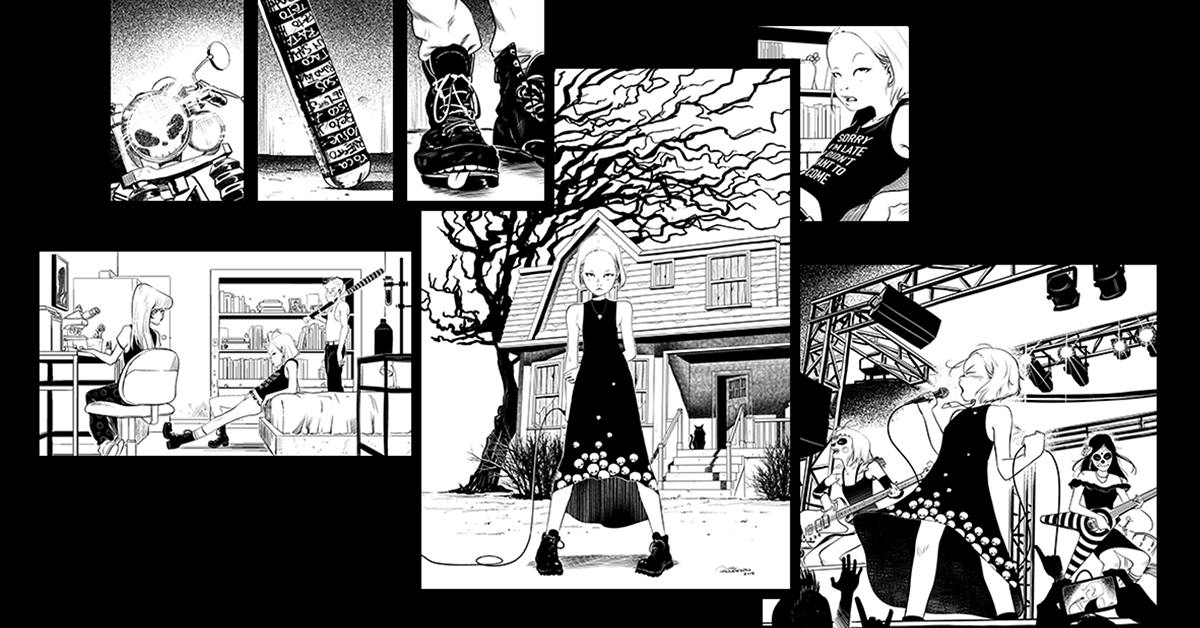
The AI webcomic generator market has reached an inflection point. With the global webcomics market valued at USD 8.17 billion in 2025 and projected to reach USD 8.76 billion in 2026 at a 6.72% CAGR, vertical scroll storytelling has become the dominant format for digital comic consumption (Fortune Business Insights).
What makes 2026 the breakthrough year? Character consistency across serialized episodes—the ability to maintain identical character appearances across 50, 100, or 200+ episodes—has evolved from "technically impossible" to "production-ready." Tools like Jenova's Webtoon Creator now generate complete episodes with consistent characters, vertical scroll rhythm optimization, and platform-ready exports for WEBTOON, Tapas, and similar platforms.
Why AI webcomic generation has arrived:
- ✅ Episode-based workflows with built-in cliffhanger pacing
- ✅ Character consistency maintained across entire serialized runs
- ✅ Vertical scroll rhythm optimization for mobile-first reading
- ✅ Access to frontier AI models including GPT-5.2, Claude Opus 4.5, Gemini 3 Pro, and Grok 4.1
Quick Answer: What Is an AI Webcomic Generator?
An AI webcomic generator is a specialized tool that creates serialized digital comics optimized for vertical scroll platforms—maintaining character consistency, episode hooks, and mobile-first visual pacing throughout ongoing series.
Key capabilities:
- Vertical scroll optimization — Panel rhythm designed for thumb-scrolling on smartphones
- Episode-based structure — Built-in hooks, cliffhangers, and serialized narrative tracking
- Character reference systems — Lock appearances across hundreds of episodes
- Platform-ready exports — Formatted for WEBTOON, Tapas, Lezhin, and similar platforms
The Problem: Why Webcomic Creation Remains So Demanding
Despite the booming webcomics market—valued at USD 8.17 billion in 2025 according to Fortune Business Insights—aspiring creators face brutal production demands that have historically excluded independent voices.
⏱️ The Crushing Production Schedule
Professional webtoon artists operate under intense deadlines. According to industry reports, webtoon artists frequently "publish a new episode every 10 days, often pulling all-nighters to produce up to 80 cuts of drawing."
80 panels per episode, every 10 days — The production pace required to maintain audience engagement on major platforms.
For creators wanting to compete on platforms like WEBTOON or Tapas, this schedule is simply unsustainable without either a full production team or AI assistance.
💰 The Cost Barrier
Professional webcomic production remains prohibitively expensive:
- $50-$300 per page for professional comic illustration
- $500-$3,000 per episode for full-color vertical scroll content with detailed backgrounds
- $2,500-$15,000 per month to maintain a weekly update schedule with professional artists
For creators testing concepts, building audiences, or working on passion projects, these costs make consistent serialization financially impossible.
🎭 The Character Consistency Nightmare
The most frustrating challenge for AI-assisted webcomic creation has historically been character drift. As Precedence Research notes:
"Inconsistent Results: One panel looks stunning, the next is off-model or changes your character's hair color... No Character Memory: Your protagonist's look resets with every prompt, making story continuity impossible."
This made serialized webcomics—which require the same characters across 50, 100, or 200+ episodes—essentially impossible with generic image generators.
📱 Format-Specific Demands
Webcomics aren't just comics published online. They require format-specific expertise:
- Vertical scroll rhythm — Strategic white space and pacing for thumb-scrolling
- "Thumb stop" moments — Visual hooks that pause scrolling
- Episode hooks — Cliffhangers that drive return visits
- Full-color consistency — Maintaining color palettes across entire series
The Jenova Solution: AI-Powered Webcomic Creation
| Traditional Approach | AI Webcomic Generator |
|---|---|
| $500-$3,000 per episode | Unlimited episode generation |
| 80+ hours per episode | Episodes generated in sessions |
| Years of artistic training | Guided creation with style templates |
| Manual consistency tracking | Automatic reference system |
| Burnout from weekly deadlines | Sustainable production pace |
📱 How the Webtoon Creator Works
The Webtoon Creator implements the same structured approach used by professional webtoon studios, scaled for independent creators:
Vertical Scroll Optimization: Every episode is designed for mobile-first consumption. The AI understands scroll rhythm—when to compress action, when to expand emotional beats, and where to place "thumb stop" moments that pause readers.
Episode Structure: Built-in narrative tracking for serialized storytelling. Each episode ends with hooks that drive return visits, while maintaining continuity with previous installments.
Character Reference System: Dedicated reference sheets generated before any story episodes, ensuring your protagonist looks identical in episode 1 and episode 100.
🎨 Platform-Ready Style Templates
Choose from templates matched to major webtoon traditions:
| Template | Best For | Visual Signature |
|---|---|---|
| Romance/Drama | Relationship stories, slice of life | Soft colors, expressive faces, emotional depth |
| Action/Fantasy | Adventure, supernatural, martial arts | Dynamic poses, bold colors, impact effects |
| Horror/Thriller | Psychological, mystery, suspense | Atmospheric shadows, tension-building pacing |
| Comedy | Humor, satire, gag strips | Exaggerated expressions, playful style |
| BL/GL | LGBTQ+ romance | Refined aesthetics, intimate framing |
Specialized AI Agents for Webcomic Creation
Webtoon Creator
Personal webtoon artist for mobile-first storytelling with vertical scroll rhythm, episode hooks, and full-color consistency. Ideal for creators targeting WEBTOON, Tapas, Lezhin, and similar platforms.
Key Features:
- Vertical scroll rhythm optimization for mobile reading
- Episode hooks and cliffhanger pacing built into every installment
- Full-color consistency throughout serialized runs
- Platform-ready exports for major webtoon platforms
Comic Creator
Your personal comic book artist for crafting complete Western-style stories. Master sequential art, dynamic layouts, and bold visual styles—from single issues to epic graphic novel sagas.
Manga Creator
Personal mangaka for creating complete stories with visual storytelling, panel flow, and consistent art style. Ideal for Japanese manga aesthetics—from one-shots to 200+ page serialized epics.
Creative Fiction Writer
Storytelling partner for developing your webcomic's plot, character arcs, and dialogue before visual generation—ensuring your series has narrative depth that keeps readers returning.
Marketing Visual Designer
Marketing visuals specialist for creating promotional artwork, thumbnail designs, and social media assets to grow your webcomic audience.
How It Works: From Concept to Published Episodes
Step 1: Series Foundation
Begin by establishing your webcomic's foundation. Define your title, genre, tone, and target episode length. The AI guides you through character creation, helping you develop detailed descriptions for each cast member.
Example prompt:
"I'm creating a romance webtoon called 'Midnight Café' about a barista who discovers her regular customer is a famous actor hiding from the spotlight. The main character Yuna is 24, has short black hair with a single streak of purple, wears the café uniform with personalized pins, and has a sarcastic but warm personality."
Step 2: Style Selection
Choose from professional art style templates optimized for vertical scroll. The Webtoon Creator explains how each affects tone and recommends options based on your genre.
Step 3: Reference Generation
Before creating story episodes, the AI generates essential reference materials:
- Style Exemplar — Establishing your visual language
- Character Reference Sheets — All significant characters in neutral poses
- Location References — Recurring settings (the café, the actor's apartment)
These references anchor every subsequent generation, preventing character inconsistency across your series.
Step 4: Episode-by-Episode Creation
For each episode, the AI:
- Scripts the episode based on your story direction
- Breaks content into panel-by-panel beats optimized for vertical scroll
- Writes dialogue matching each character's established voice
- Designs scroll rhythm with appropriate pacing and "thumb stop" moments
- Generates panels with all relevant references loaded
- Ends with a hook that drives readers to the next episode
Step 5: Iteration and Series Continuity
Request adjustments to any episode. The AI webcomic generator maintains awareness of your series state, ensuring changes propagate correctly through subsequent episodes. Character evolutions (new hairstyles, costume changes, relationship developments) are tracked with versioned references.
Results & Use Cases
📊 Serialized Webcomic Production
Scenario: Launching a weekly webcomic series on WEBTOON or Tapas
Traditional Approach: Hire artists at $500-$3,000 per episode or work 80+ hours weekly to maintain the production schedule yourself
With AI webcomic generator: Generate consistent episodes with maintained character appearances, vertical scroll optimization, and built-in episode hooks—all at a sustainable pace.
💼 Platform Monetization
Scenario: Building a webcomic audience for ad revenue or Fast Pass monetization
According to Fortune Business Insights, the subscription-based segment is expected to account for 65.41% of the webcomics market in 2026. Readers pay monthly subscription fees for access to diverse content.
With the Webtoon Creator: Maintain the consistent update schedule that platforms reward with visibility, while building the episode backlog that subscription models require.
📱 Mobile-First Audience Capture
Scenario: Targeting the 48.69% of the global webcomics market dominated by Asia Pacific
According to Fortune Business Insights, Asia Pacific dominated the webcomics market with a 48.69% share in 2025, driven by strong demand in Japan, South Korea, and Southeast Asia, fueled by anime and mobile comic platforms.
With AI webcomic creation: Generate content optimized for the vertical scroll format that dominates mobile consumption, with visual pacing designed for thumb-scrolling.
🎯 Transmedia Development
Scenario: Creating a webcomic as proof-of-concept for adaptation
According to Fortune Business Insights, the rising adaptation of comics into popular television series, movie franchises, and video games has emerged as a key trend. In March 2023, Webtoon partnered with Line Studio to launch a mobile game based on the digital comic True Beauty.
With AI webcomic generation: Develop complete serialized stories that demonstrate adaptation potential, with consistent visual language that translates to other media.
2026 Market Context: The Webcomic Explosion
📈 A Booming Market Hungry for Content
According to Fortune Business Insights, the global webcomics market demonstrates strong fundamentals:
The market was valued at USD 8.17 billion in 2025 and is projected to reach USD 8.76 billion in 2026, continuing to USD 14.73 billion by 2034 at a 6.72% CAGR.
Key market dynamics:
- Asia Pacific dominated with 48.69% share in 2025, driven by Japan, South Korea, and Southeast Asia
- Action segment held 34.47% market share in 2026, with romance growing rapidly among women and teen readers
- Subscription-based models preferred for access to diverse content (65.41% of market in 2026)
- Adults segment accounts for 73.63% of the market in 2026
🤖 The AI-Assisted Creation Revolution
According to Yahoo Finance, the AI-generated comic book market is experiencing explosive growth:
The market is projected to expand from $1.15 billion in 2024 to $1.52 billion in 2025, achieving a compound annual growth rate of 32.2%.
Major trends driving this growth include:
- Rising digital entertainment demand
- Global fan communities seeking personalized content
- Rapid prototyping and publishing capabilities
- AI-assisted storytelling and automated artwork generation
🌏 Regional Growth Patterns
Asia Pacific dominates the webcomics market with 48.69% share in 2025. According to Fortune Business Insights:
- Japan: A global hub for anime-style webcomics; mobile-first content thrives
- South Korea: Government support and global expansion of Webtoon platforms. In January 2024, the South Korean government announced plans to open a webtoon-dedicated school by 2027 and help the market grow by USD 1 billion by 2027.
- India: Rising digital comic use, with local stories and Bollywood themes
North America is growing driven by the presence of prominent players, increasing smartphone usage, and rising disposable income. In May 2020, Kakao Entertainment merged Tapas Media and Radish Media, creating a digital publishing platform with over 100,000 creators.
Frequently Asked Questions
Is this AI webcomic generator free to use?
The Webtoon Creator is available through Jenova's platform with free access to core features and limited daily usage. For extended creation sessions and higher usage limits, paid plans start at $20/month. Visit www.jenova.ai for specific pricing details.
How does the AI maintain character consistency across episodes?
The system uses a reference image architecture. Before generating story episodes, you create character reference sheets showing each character in neutral poses. These references are loaded with every subsequent episode generation, ensuring visual consistency across your entire series—even across 100+ episodes.
What AI models power the webcomic creation?
Jenova provides unified access to frontier AI models including GPT-5.2, Claude Opus 4.5, Gemini 3 Pro, and Grok 4.1—all available through a single platform with no vendor lock-in.
Can I export my webcomics for specific platforms?
Yes. The Webtoon Creator generates platform-ready exports formatted for WEBTOON, Tapas, Lezhin, and similar vertical scroll platforms. Episodes are optimized for the specific dimension and resolution requirements of major platforms.
What's the difference between webcomics and traditional comics?
Webcomics (especially webtoons) use vertical scroll formats optimized for mobile reading, with strategic white space, "thumb stop" moments, and episode-based serialization. Traditional comics use page-based layouts with panel grids. The Webtoon Creator specializes in vertical scroll, while the Comic Creator handles traditional page layouts.
How do I build an audience for my AI-generated webcomic?
Consistent updates are essential—platforms reward regular posting with visibility. The AI webcomic generator helps maintain sustainable production schedules. For promotional assets, the Marketing Visual Designer creates thumbnails and social media content to grow your audience.
Transform Your Story Ideas Into Serialized Webcomics
The webcomics market is growing at 6.72% CAGR toward USD 14.73 billion by 2034. Character consistency has been solved. Vertical scroll optimization has matured. The barrier between your story ideas and published episodes has never been lower.
The Webtoon Creator brings professional webcomic production methodology to anyone with a story to tell. No years of artistic training required. No thousands of dollars per episode. Just your creativity, guided by an AI that understands the craft of serialized visual storytelling.
Whether you're launching your first series on WEBTOON or building a transmedia property, discover how AI webcomic generation transforms your ideas into professional episodes—one scroll at a time.
Your characters will stay consistent. Your episodes will hook readers. Your series will finally exist.
Get started at www.jenova.ai and bring your webcomic visions to life.