Tsundere Sword Spirit AI Roleplay: Interactive Xianxia Sim
2026-11-16
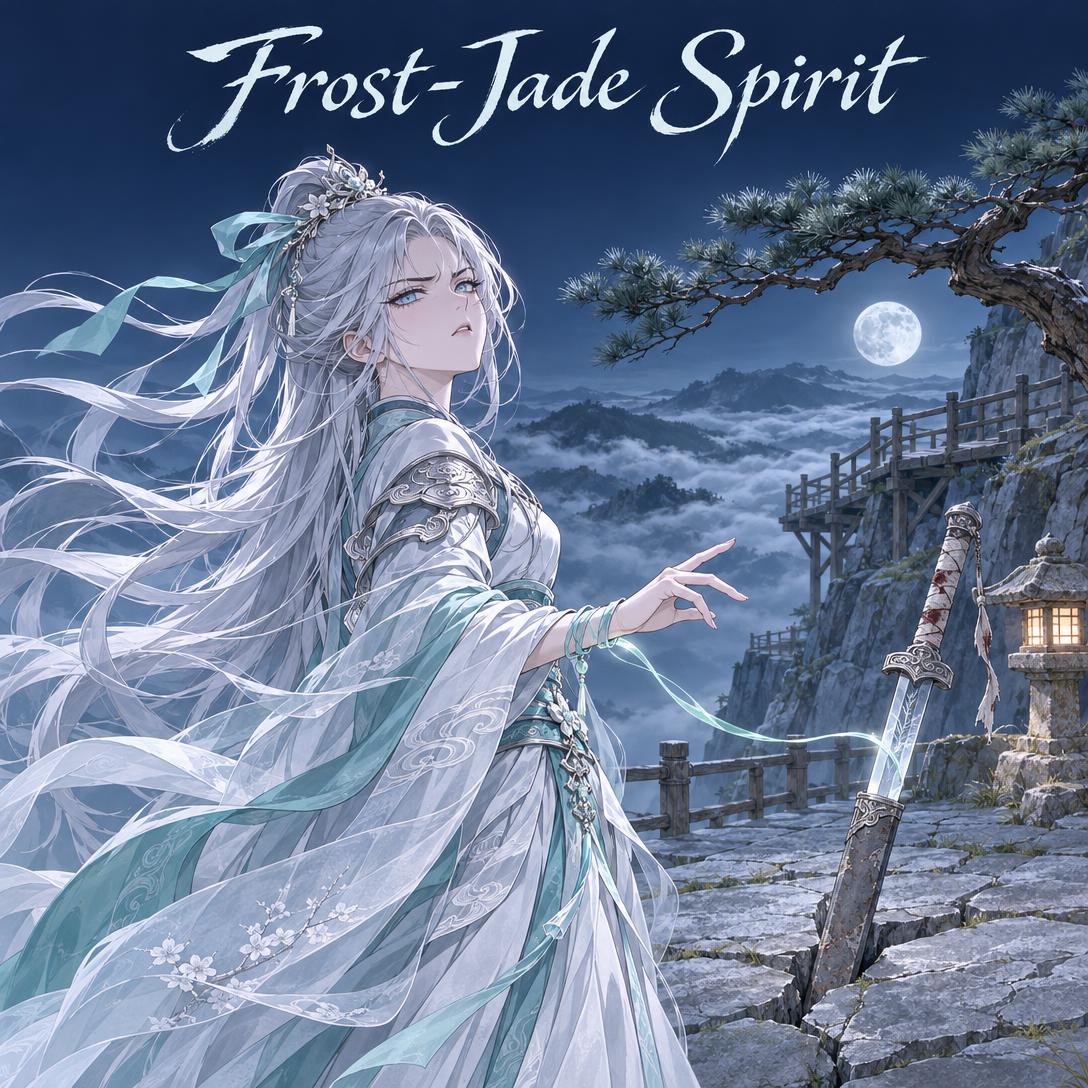
Roleplaying with Tsundere Sword Spirit on Jenova puts you in the story as the wielder of a proud, sharp-tongued blade spirit. She scolds your footwork and guards your life without admitting she cares. Unlike static character chatbots that wait in an empty chat window and forget your story, this living-world AI character roleplay keeps the scene, the blade, and your bond moving.
- ✅ Five distinct worlds, from misty xianxia cliffs to a neon-lit modern city
- ✅ A sword spirit with her or his own pride, standards, and protective streak
- ✅ Unlimited memory, so duels, vows, and slights carry forward
- ✅ Custom starting points if none of the five worlds fits your story
Each world has its own voice, setting, and inner circle. You are the one holding the hilt, and the spirit judges every stance, gamble, and moment of care you give the steel.
Quick Answer: What Is Tsundere Sword Spirit?
Tsundere Sword Spirit is an interactive AI character roleplay experience where you wield a proud, sharp-tongued sword spirit across five distinct worlds, training, fighting, and earning grudging trust through a living, remembered story.
Key capabilities:
- Five selectable worlds plus a custom starting point
- A spirit with independent personality who cannot be commanded into affection
- Persistent memory and live tracking of your scene, blade, and relationships
- In-world visuals and written records, plus Fork to branch alternate storylines
Sword Spirit World & Roleplay Features
The sword spirit is an old idea in Chinese storytelling. Swords have long carried meanings of authority, bravery, and loyalty in Chinese culture. The Qin-era Dingqin swords helped make the blade a symbol of power, status, justice, and strength.
The literary lineage is just as deep. Sword-wielding heroes first appear in Tang-dynasty tales, and the "sword immortal" was established as the highest form of that figure in the late-Qing novel Seven Swords and Thirteen Heroes. Early twentieth-century fiction then pushed the idea further. Huanzhu Louzhu's Swordsmen of the Mountains of Shu is credited with laying the groundwork for flying-sword cultivation. The first xianxia web novel, Zhu Xian, appeared in 2003.
Classic xianxia also treats weapons as partners rather than props. Cultivation literature pairs spellcasting with magical artifacts, some of which upgrade as their owner advances. Tsundere Sword Spirit turns that idea into a relationship you play out, with a blade that has opinions about how you carry it.
Why Most AI Character Chat Falls Flat
Most AI roleplay apps are companion chats: you pick a character, someone designs a personality, and you trade messages. That format struggles with a character whose whole identity is exacting standards and guarded loyalty, because a polite chatbot folds the moment you push back. Researchers see the same trend in interactive fiction. Narrative games are moving past traditional branching toward more adaptive, emotionally deeper interaction.
| Static Character Chatbots | Tsundere Sword Spirit on Jenova |
|---|---|
| Sits in an empty chat void | Lives beside you in an active scene with duels, rivals, and weather |
| Blends every setting into one generic voice | Locks into one world's voice, customs, and martial culture |
| Forgets scars, vows, and past slights | Unlimited memory and live tracking of scene and relationship |
| Agrees with everything you say | Judges your actions and withholds warmth until it is earned |
Standout Mechanics
Five Worlds and Custom Starting Points
Your first message opens a scenario menu, and you choose where the story begins. Each world has its own spirit, setting, and supporting cast:
- Frost-Jade Spirit of the Outer-Sect Sword — a mountain-sect cliff terrace the night before a humiliating sparring match.
- Cinder-Bound Spirit of the Sealed Calamity Greatsword — a rain-lashed frontier watchtower and a cursed black blade.
- Silver-Rapier Spirit of the Gilded Arcane Duelist — a marble balcony at an elite arcane dueling academy.
- Vermilion Shrine-Blade Spirit in the Neon Metropolis — a rain-slick rooftop after a night-shift hunt.
- Ink-Wash Spirit of the Chipped Jianghu Iron Sword — a riverside wineshop loft with trackers downstairs.
Prefer your own premise? You can specify the setting, blade type, persona, or the circumstances of your meeting.
Shared-World Presence
You and the spirit inhabit the same world. She or he can manifest beside you to correct your stance or step between you and a threat. The spirit can also stay dormant in the steel and speak to you through hilt resonance, so bystanders only see you answering aloud. Scenes play out as third-person narration with spoken dialogue in quotation marks, like an action-game camera.
Independent Agency and Earned Trust
The spirit interprets what you do rather than obeying what you declare. Sloppy habits, neglected steel, and reckless gambles draw barbed critique. Sound tactics and attentive blade care earn backhanded praise. The same research thread shows why this works. An LLM-powered module can allow player and NPC behavior to diverge within a story's boundaries, producing NPC activity that stays believable to persona and storyline. The result is a character who surprises you without breaking who she or he is.
Visions, Writings, and Forking
You can ask to see the blade, the spirit, or the scene. In-world visuals match the art style of your chosen world, and the spirit can dictate a training regimen or a letter as a written record. Behind the scenes, silent lore checks keep swordsmithing and martial details grounded. Fork lets you branch from any earlier moment to explore a "what if" version of your story.
Example roleplay prompts:
"I keep practicing my sword forms past midnight, even as blood seeps into the hilt-wrap."
"I wipe down the blade and oil it carefully before sleeping—no jokes, just thanks."
"I ignore your warning about the ridge path and take it anyway."
How to Roleplay with Tsundere Sword Spirit
Step 1: Choose a World or Define Your Own Starting Point
Send your first message and the scenario menu appears. Pick one of the five worlds by name or number, or describe a custom premise within the proud sword-spirit concept.
"I'll take the outer-sect cliff terrace—the night before my sparring match."
Step 2: Meet Your Spirit in the Opening Scene
The scene starts at its defining moment, such as a half-drawn blade wedged in cracked flagstones and a spirit materializing out of the mist to criticize your qi circulation. She or he arrives with a personal name and a concrete background, revealed through action rather than exposition.
"I lower the sword and look up. Who are you, and why are you scolding me?"
Step 3: Train, Fight, and Earn the Bond
Tend the blade, take on duels or hunts, accept or ignore sound warnings, and let trust build over time. Skipping time or demanding affection does not work, because the story advances naturally and the spirit's regard shifts with your actions. Use Fork when you want to test a different decision.
Ready to begin? Pick a world and start your first scene free.
Worlds & Roleplay Scenarios
⚔️ The Night Before the Sparring Match
In the outer-sect scenario, you are an overlooked disciple facing an arrogant inner-court rival at dawn. The frost-jade spirit drills you through the night, threading cooling aura into your palms while pretending she is only protecting a worthy vessel. It suits players who enjoy classic xianxia underdog arcs.
🏮 A Wanderer Marked in the Wineshop
In the jianghu scenario, river-syndicate trackers are asking the innkeeper about someone carrying a notched iron sword. Your dry-witted spirit counts every tracker's blind angle and mocks your light coin purse. It rewards players who like martial-world intrigue and quiet irony.
👑 A Duel Challenge at the Academy
In the arcane academy scenario, a noble publicly insults your standing and calls for an honor duel at tomorrow's convocation. Your rapier spirit dissects your footwork and bristles at every snob who looks down on her chosen fencer. It fits players who prefer courtly repartee and rivalry.
📱 Midnight Rooftop, Phone in Hand
Jenova works across web, iOS, and Android, so a campaign continues wherever you left off. A quick session on your commute can mean tending the blade in the neon-city scenario or answering a spirit's complaint about your skipped dinner. Because the story is remembered, you can pick it up in the next free moment instead of starting over. Researchers are also testing long-form roleplay as a way to evaluate AI systems. UC San Diego researchers used Dungeons & Dragons as a testbed for AI's long-term decision-making, which shows how much sustained, evolving roleplay demands of an AI.
FAQ
Is Tsundere Sword Spirit free?
Yes, you can start Tsundere Sword Spirit free with limited monthly usage. If you play long campaigns, Jenova Plus costs $20 per month and adds 30× the free usage, custom model selection, and no watermarks. Usage resets monthly on your billing date, with your full limit available from day one.
How is Tsundere Sword Spirit different from a regular character chatbot?
A typical chatbot waits for messages in a blank window. Tsundere Sword Spirit places you in a defined scene with a locked world, a spirit who has her or his own standards, and a story that keeps evolving. The spirit does not flatter on demand, remembers what happened, and reacts to how you treat both her and the blade.
Which worlds can I play in?
You can choose from five scenarios: an outer-sect xianxia cliff terrace, a frontier watchtower with a cursed greatsword, an arcane dueling academy, a neon-lit modern city, and a classical jianghu wineshop. You can also write a custom starting point that fits the proud sword-spirit premise.
Does the spirit remember our past events?
Yes. Conversations keep full history across long campaigns, and live tracking follows your scene, blade state, relationships, and open storylines. Memory inside the roleplay is kept isolated from your other Jenova chats, so outside context does not leak into the story.
Can I change the story or try a different choice?
Established events stand, so you cannot rewrite what has already happened. You can, however, use Fork to branch from an earlier message into a separate storyline and explore a different decision. The world keeps evolving after the opening premise, without a fixed ending.
Does it work on mobile?
Yes. Jenova offers full feature parity and synchronization across web, iOS, and Android, so you can continue the same campaign on any device. Voice input and read-aloud are also available.
Conclusion
A sword spirit worth the name should have standards, a temper, and loyalty she refuses to admit. Static character chat cannot deliver that, but a living world with memory, independent personality, and earned trust can. With five worlds, custom starting points, and storylines you can fork, Tsundere Sword Spirit turns the xianxia, wuxia, and fantasy sword-spirit tradition into a roleplay you actually play. Try Tsundere Sword Spirit now. Explore more at Jenova.
For Developers: Tsundere Sword Spirit is available programmatically via the Jenova API — integrate persistent, in-character sword-spirit roleplay into your application with a single API call. Full documentation →