AI Stress Management Coach: Daily Support for Burnout and Anxiety
2026-08-15
The Meditation Guide works as your AI stress management coach — matching proven techniques to your specific stress pattern, building practice programs you'll actually stick with, and guiding you through sessions in real time. While stress advice online is generic and therapy waitlists stretch for months, this AI delivers personalized, technique-first guidance the moment your nervous system needs it.
✅ Trained across every major contemplative tradition — Vipassana, MBSR, Zen, Tibetan, Yoga Nidra, and secular protocols ✅ Technique matching to your actual stress pattern — racing thoughts, physical tension, sleep disruption, or panic ✅ Custom scripts and guided sessions generated on demand for your exact situation ✅ Expert troubleshooting for the adverse effects most apps ignore entirely
Stress isn't a niche problem anymore — it's the default operating condition for a huge share of the working world. To understand why an always-available coach matters more than another meditation app subscription, let's look at the scale of the problem and why conventional solutions keep failing the people who need them most.

Quick Answer: What Is an AI Stress Management Coach?
An AI stress management coach is a conversational AI trained in evidence-based stress reduction that assesses your specific stressors, matches appropriate techniques, and guides practice sessions on demand — available instantly, at any hour, without scheduling.
Unlike static meditation apps that serve the same library to everyone, a coaching agent adapts to your situation, remembers your history, and troubleshoots when practice isn't working.
Key capabilities:
- Technique matching — pairs your stress presentation with the specific practice most likely to help, rather than defaulting to generic breathing exercises
- Personalized practice programs — structured progressions that build from two-minute sessions to sustainable daily routines
- On-demand script generation — custom guided meditations written for your exact stressor, length, and preference
- Adverse effect guidance — expert support when meditation surfaces difficult material, a documented risk most consumer apps don't address
- Complementary lifestyle support — coordinates with sleep, movement, and nutrition guidance that directly affect stress physiology
The Problem: Chronic Stress Is Outpacing Access to Help
Workplace stress is not a fringe complaint — it is the majority experience across the global labor force, and it carries an enormous economic cost.
40% of employees worldwide experienced stress "a lot of" the previous day — Gallup State of the Global Workplace
$10 trillion in lost productivity globally, with only 20% of employees engaged at work — Gallup State of the Global Workplace
50% of U.S. employees reported experiencing stress a lot of the day in recent polling — Gallup Global Indicator: Employee Wellbeing
The techniques that work are well documented. Access to skilled guidance is the bottleneck. But getting real, personalized stress support is frustratingly difficult:
- Therapy and coaching are expensive and slow — waitlists, scheduling, and per-session costs put structured support out of reach for most people experiencing daily stress
- Meditation apps are libraries, not coaches — they hand you a catalog and leave technique selection entirely to you
- Generic advice ignores individual variation — research consistently shows wide variability in who benefits from which practice
- Stress spikes don't respect business hours — the 2 a.m. anxiety loop and the pre-presentation panic happen outside any appointment window
- Nobody troubleshoots when it goes wrong — practitioners who hit difficulty usually quit rather than adjust
Generic Programs Ignore Wide Individual Variation
The research literature is clear that mindfulness-based programs help on average — and equally clear that averages hide enormous individual differences. A large individual participant data meta-analysis published in Nature Mental Health examined mindfulness-based programs across multiple trials and found beneficial average effects alongside wide variability in outcomes. The same analysis notes that trials included a range of program types, from mindfulness-based stress reduction to active comparators like exercise and standard stress management courses.
Translation: the practice that transforms your colleague's anxiety may do nothing for yours. Technique selection matters, and a static app library can't make that call for you.
Meditation Can Produce Adverse Effects — And Most Tools Say Nothing
Contemplative practice is not universally benign. The same body of research that documents benefits also examines the prevalence of harm in mindfulness-based stress reduction, and clinical literature acknowledges that intensive practice can surface difficult psychological material. Consumer meditation apps almost never address this. A user who experiences increased anxiety during practice typically gets no guidance at all — they simply stop.
The Sleep-Stress Loop Compounds Everything
Stress degrades sleep, and poor sleep amplifies stress. CDC guidance on sleep notes that adults 18–60 need seven or more hours nightly, and that adequate sleep directly helps "reduce stress and improve your mood." Research published through the CDC found that participants averaging six hours or less of sleep per night were about 2.5 times more likely to report frequent mental distress. Effective stress management has to address sleep, movement, and nutrition — not just breathing exercises in isolation.
Digital Support Works, But Quality Varies Enormously
Digital delivery is not the problem. A review in JMIR Mental Health found that digital interventions including cognitive behavioral therapy, stress management, and mindfulness programs "have shown promise when applied" in workplace contexts. Meanwhile, Stanford HAI research cautions that AI chatbots positioned as therapy replacements can fall short of human clinicians. The distinction matters: a well-designed coaching agent that teaches skills and guides practice is a fundamentally different product from a chatbot pretending to be a therapist.
This is exactly what the Meditation Guide was built for.
Why the Meditation Guide Works as Your Stress Management Coach
The Meditation Guide is a dedicated coaching agent, not a content library with a search bar. It carries deep training across every major contemplative tradition and — critically — knows how to select between them based on what you're actually experiencing. When you describe racing thoughts before a client call, it doesn't hand you a 20-minute body scan. It matches the technique to the physiological state.
That distinction is the whole product. Technique matching is the skill a good human teacher provides, and it's the skill missing from virtually every consumer wellness app.
| Traditional Approach | Meditation Guide |
|---|---|
| Therapy waitlists measured in weeks or months | Available instantly, any hour, any time zone |
| $100–$200+ per coaching session | Free tier available, no credit card required |
| Generic app library — you pick blindly | Technique matched to your specific stress presentation |
| Same 10-minute audio for every user | Custom scripts generated for your exact situation |
| No support when practice backfires | Expert guidance for adverse effects and difficult sessions |
| Forget your history between sessions | Persistent memory of your patterns, progress, and preferences |
Technique Matching Based on Your Actual Presentation
Different stress states respond to different interventions. Somatic tension calls for body-based practice. Rumination responds better to focused attention. Acute panic needs downregulation, not open awareness. The Meditation Guide diagnoses the pattern first, then prescribes — the same sequence a skilled teacher follows.
"I get a tight chest and shallow breathing about an hour before every client presentation. What should I be practicing, and when?"
Practice Programs You Can Actually Sustain
Consistency beats intensity. The agent builds progressive programs sized to your realistic availability — a two-minute anchor practice for chaotic weeks, expanding as the habit stabilizes. It sets checkpoints, adjusts when you fall off, and doesn't guilt-trip you into quitting.
"Build me a four-week stress reduction program. I have 10 minutes in the morning and I travel two days a week."
Custom Guided Scripts on Demand
Rather than searching a catalog for something close enough, you describe the situation and get a script written for it — right length, right tone, right technique.
"Write me a 7-minute guided script for winding down after a high-conflict workday. Keep the language secular and no visualization."
Troubleshooting and Adverse Effect Support
This is where the Meditation Guide separates itself decisively. When practice produces agitation, dissociation, or surfaced distress, it provides expert guidance rather than silence — adjusting technique, dialing back intensity, or flagging when professional support is the right call.
"Every time I try a body scan I get more anxious instead of calmer. What's happening and what should I do differently?"
Related Agents You'll Also Find Useful
Stress rarely exists in isolation. These agents address the physiological and situational drivers that meditation alone can't resolve — and each one is a natural next step in the same workflow.
Fitness & Workout Coach
Physical activity is one of the most reliably supported stress interventions, and CDC sleep guidance explicitly lists regular exercise among habits that improve rest. If your stress shows up as physical tension or restless energy, structured movement is often the faster lever.
- Custom programs matched to your schedule, equipment, and current fitness level
- Real-time session coaching with form guidance and video demonstrations
- Progress tracking that shows the connection between training consistency and how you feel
Personal Nutritionist
Erratic eating, late caffeine, and blood sugar swings amplify stress reactivity. CDC guidance flags afternoon caffeine and late heavy meals as direct sleep disruptors — both firmly in nutrition territory.
- Evidence-based guidance tailored to your goals, lifestyle, and food preferences
- Practical adjustments for energy stability throughout the workday
- Ongoing accountability rather than a one-time meal plan handoff
Meal Planner
Decision fatigue at 7 p.m. is its own stressor. Removing daily "what's for dinner" from your cognitive load is a small change with outsized returns during high-pressure periods.
- Weekly plans optimized for your household, budget, and dietary needs
- Smart grocery lists that eliminate mid-week scrambling
- Efficient prep schedules built around the time you actually have
Public Speaking Coach
If your stress concentrates around presentations, pitches, or meetings, targeted anxiety management plus rehearsal beats general relaxation practice every time.
- Dedicated anxiety management techniques for performance situations
- Audience simulation and Q&A pressure-testing
- Delivery coaching that builds durable confidence, not just coping
Try the Meditation Guide free — no credit card required.
How It Works: From First Message to Daily Practice
Step 1: Describe What Stress Actually Feels Like for You
Skip the self-diagnosis. Describe the physical sensations, the timing, and the triggers in plain language. The agent uses this to identify your stress presentation and rule out techniques likely to backfire.
"I'm fine during the day but I wake up at 3 a.m. with my mind racing about work and can't get back to sleep."
Step 2: Get Your Technique Match and Rationale
You receive a specific recommendation with the reasoning behind it — which practice, why it fits your pattern, and how it differs from what you may have tried before. The rationale matters; understanding why a technique fits significantly improves follow-through.
Step 3: Run Guided Sessions in Real Time
Request a session and the agent walks you through it with pacing, cues, and adjustments. Sessions can be as short as two minutes for acute spikes or extended for evening wind-down.
"Guide me through a 5-minute practice right now — I have a difficult conversation in fifteen minutes."
Step 4: Report Back and Refine
Tell the agent what worked and what didn't. It adjusts technique, duration, and timing based on your actual results rather than assuming the first prescription was correct.
"The breath-focused practice helped mornings but does nothing at 3 a.m. What should I switch to for middle-of-the-night waking?"
Step 5: Layer in Supporting Habits
Once your core practice is stable, extend into the lifestyle factors that shape stress physiology — bringing in the Fitness & Workout Coach or Personal Nutritionist for movement and nutrition support that compounds the benefit.
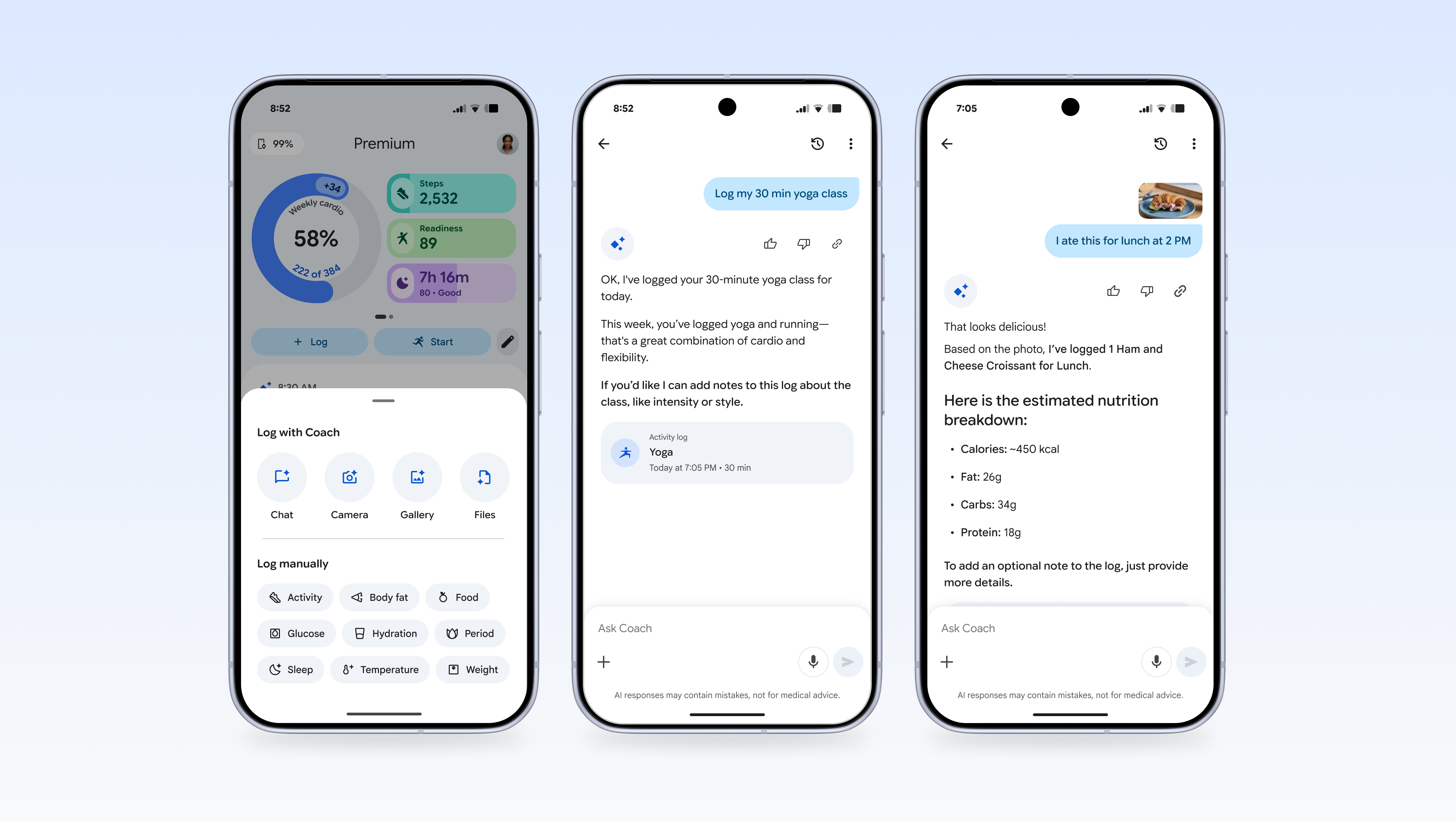
Tracking sleep, activity, and nutrition alongside your practice turns vague impressions into a clear picture of what's actually moving the needle on your stress levels.
Results & Use Cases
💼 The Knowledge Worker Running on Empty
Scenario: A project manager fielding constant Slack pings, back-to-back meetings, and a chest-tightness sensation that never fully resolves.
Traditional Approach: Six-week therapy waitlist, $150 per session, or an app subscription that surfaces the same "Stress Relief" playlist every time.
Meditation Guide: A three-minute between-meetings downregulation practice matched to acute sympathetic activation, plus a longer evening protocol to break the carry-over into sleep.
- Practices sized for real calendar gaps, not idealized 30-minute blocks
- Technique switches when a practice stops working instead of silent abandonment
- Persistent memory of what's already been tried and ruled out
📱 The 3 A.M. Waker
Scenario: Falls asleep fine, wakes at 3 a.m. with racing thoughts, spends 90 minutes staring at the ceiling before a 6:30 alarm.
Traditional Approach: Sleep hygiene articles that all say the same five things, or melatonin and hope.
Meditation Guide: Practices specifically suited to nocturnal rumination — accessible on mobile in the dark, without needing to fully wake up to navigate an app menu. Layered with CDC-aligned sleep habits like consistent wake times and cutting afternoon caffeine.
- Available at the exact moment the problem occurs
- Yoga Nidra and related protocols designed for the sleep-adjacent state
- Addresses the sleep-stress loop from both directions
🎯 The Person Meditation Made Worse
Scenario: Tried a popular app, found body scans increased anxiety rather than reducing it, concluded meditation "doesn't work for me."
Traditional Approach: Quit entirely. No app offers troubleshooting for this, despite the research literature documenting that adverse effects occur.
Meditation Guide: Identifies why interoceptive practice is triggering, switches to external-anchor or movement-based techniques, and rebuilds tolerance gradually — with explicit guidance on when to seek professional support instead.
- Direct expertise in adverse effects, not a support gap
- Alternative technique families most users never discover
- Clear boundaries on what AI coaching can and cannot handle
📊 The High-Stakes Performer
Scenario: A sales lead whose stress concentrates entirely around pitches and quarterly reviews, with physical symptoms starting the night before.
Traditional Approach: Generic relaxation advice that doesn't address performance-specific anticipatory anxiety.
Meditation Guide: A pre-performance protocol combining downregulation with focus priming, paired with Public Speaking Coach for rehearsal and audience simulation.
- Technique timed to the performance window, not a generic daily routine
- Addresses anticipatory anxiety the night before, not just the moment of
- Complementary agents cover the skill gap alongside the stress response
Frequently Asked Questions
Is an AI stress management coach free to use?
Yes. The Meditation Guide is available on Jenova's free tier with all core features and no credit card required. Paid plans start at $20/month for substantially higher usage limits and custom model selection, scaling up through several tiers. Usage resets monthly on your billing date with no daily caps.
How is this different from a meditation app like Calm or Headspace?
Those platforms are content libraries — you browse and choose. A coaching agent assesses your situation, recommends a specific technique with reasoning, generates custom scripts, and troubleshoots when practice isn't working. The difference is prescription versus catalog.
Can an AI stress coach replace therapy?
No, and it shouldn't try. Stanford HAI research cautions against positioning AI chatbots as therapist replacements. The Meditation Guide is a skills and practice coach for everyday stress management. For clinical anxiety, depression, trauma, or crisis situations, licensed professional care is the appropriate path — and the agent will tell you so.
Does the meditation coaching actually work?
The underlying techniques have substantial research support. A Nature Mental Health meta-analysis confirms beneficial average effects for mindfulness-based programs while noting wide individual variability — which is precisely why technique matching matters more than technique volume. Results depend heavily on consistency and appropriate practice selection.
Does it work on mobile?
Yes. Jenova offers full feature parity across web, iOS, and Android, with settings synced across devices. Guided sessions work equally well on a phone at 3 a.m. or a laptop between meetings.
What if meditation makes my anxiety worse?
Tell the agent immediately. Adverse effects during contemplative practice are documented in the research literature, and the Meditation Guide is specifically equipped to troubleshoot them — adjusting technique, reducing intensity, switching practice families, or recommending professional support when that's the right answer.
Conclusion
Chronic stress has become the baseline condition for a large share of the working population, with Gallup data showing 40% of employees globally experiencing significant stress on any given day. The techniques that reduce it are well established and well researched. What's been missing is access to someone who can match the right technique to your specific situation, guide you through it, and adjust when it isn't working.
An AI stress management coach closes that gap. Instead of a content library and a guess, you get technique matching grounded in contemplative expertise, custom practice programs sized to your real life, guided sessions available the moment stress spikes, and — uniquely — expert support when practice produces difficulty rather than relief.
Start with your actual symptoms, not a search bar. Try the Meditation Guide now. Explore more at Jenova.
For Developers: The Meditation Guide is available programmatically via the Jenova API — integrate expert stress management and meditation coaching into your wellness or health application with a single API call. Full documentation →