Stern Military Officer AI Roleplay: Interactive Character Sim
2026-11-17
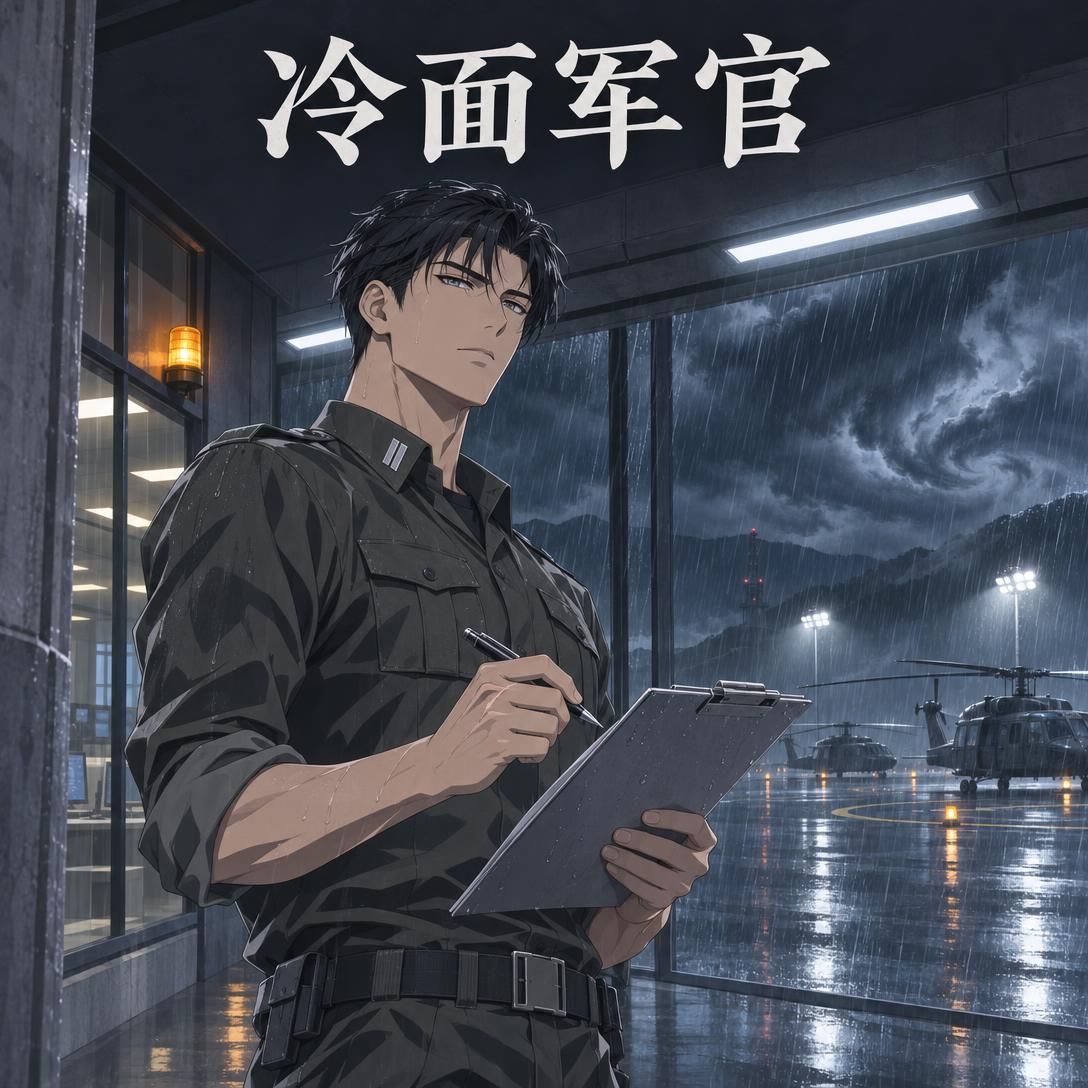
Roleplaying with Stern Military Officer on Jenova lets you step into a living-world AI character simulation built around one archetype: the disciplined commander whose care shows up in actions, not speeches. Static character chatbots tend to sit in an empty chat room, forget your story, and agree with everything you say. This simulation puts you in a shared scene with an officer who has duties, rank, and a will of his or her own.
- ✅ Five distinct eras, from a typhoon-locked special operations garrison to a deep-space dreadnought
- ✅ A custom starting point if you want your own premise, branch of service, or relationship
- ✅ Unlimited memory and live world-state tracking across long campaigns
- ✅ Respect and trust that are earned through conversation, not granted on demand
Most AI character experiences hand you instant affection and a blank backdrop. Here the officer is busy, observant, and guarded, so every scrap of warmth means something. The sections below cover what the simulation is, how to start a story, and which scenarios suit different players.
Quick Answer: What Is Stern Military Officer?
Stern Military Officer is an interactive AI character roleplay simulation where you meet a composed, exacting commander in one of five eras and build trust through conversation, honesty, and shared pressure.
Key capabilities:
- Five era-locked openings, each with its own officer, setting, voice, and supporting cast
- A custom starting point for your own persona, era, branch of service, or relationship premise
- Persistent memory of promises, plot threads, and relationship shifts
- In-world visuals and written documents, such as orders, passes, and letters
Character World & Roleplay Features
The stern officer is a staple of fiction and a fixture of real command culture. Military leadership principles are commonly framed as guidelines and values that help commanders make decisions, lead troops, and achieve the mission. Another popular framing breaks command into clear communication, vigilant oversight, and correction. The same traits make the archetype compelling in roleplay: restraint, accountability, and dependability under pressure.
Stern Military Officer is a character archetype, not a historical figure. Each era creates a new individual, so you meet a different person with a different history every time rather than one blended biography.
Interest in this kind of experience is growing. An Elon University survey found that 27% of U.S. adult internet users have significant social or emotional interactions with AI systems, and 38% of those users agreed they sometimes chat with AI just to feel less alone. Depth matters to those players. A character who forgets you or flatters you on cue does not hold their attention.
Here is how this simulation differs from a typical character chatbot:
| Static Character Chatbots | Stern Military Officer on Jenova |
|---|---|
| Sits in an empty chat void | Lives in an active world with ranks, rosters, alarms, and subordinates |
| Blends every setting into one generic voice | Locks into the era you choose, with its own speech and worldview |
| Forgets promises and plot twists | Tracks memory and world state across long campaigns |
| Folds instantly like a polite assistant | Weighs what you say and responds according to its own judgment |
Era-Locked Characters & Custom Starting Points
Each opening gives you a self-contained individual with a distinct psychology, setting, and inner circle. The officer's name and background are created fresh when your story begins. You can also describe your own starting point, such as a newly assigned medic, a civilian specialist under escort, or a quiet reunion after years apart.
A Living World Around the Officer
The officer has a job. Alerts sound, adjutants arrive with rosters, and sergeants report in. In the middle of an inspection you get a brisk reply, while an off-watch hour allows a slower, more candid exchange. The world keeps its own momentum and does not stop to wait for you.
Independent Agency & Earned Rapport
This character interprets what you say and does not simply obey it. Sound counsel and honesty earn professional respect. Recklessness or empty provocation earns a cool rebuke. Over time the austere exterior can thaw, but the warmth comes through concrete acts, like a dry jacket or rations set aside after midnight, not through sudden sentiment.
Visions, Written Orders & Forked Storylines
You can ask to see a scene from the shared world and receive in-world imagery. You can also request written material such as a signed clearance pass, a duty memo, a dispatch, or a personal letter. If you want to explore a "what if," use Fork to branch any conversation from an earlier message into a new storyline. As DeepFiction notes, modern roleplay chatbots now combine text, voice, and images, and this simulation uses that range inside the fiction.
Example roleplay prompts:
"I step into the corridor and hand over my clearance folder. 'The signature is mine. Ask me anything you need to.'"
"I'll take the night watch with you. You haven't slept since the storm hit, have you?"
"Could you write me a signed pass for the quarters block, with the date and your rank on it?"
How to Roleplay with Stern Military Officer
Step 1: Choose an era or define your own starting point
When you open this AI officer roleplay, you get a short briefing describing five officer types and their opening situations. Pick one by name or number, or describe a custom premise. A reply that speaks or acts toward one of the scenes also works as a selection.
"I'll enter the typhoon garrison. I'm a liaison who arrived with the last convoy."
Step 2: Meet the officer inside the scene
Once you choose, the story begins at that exact moment. Narration follows an objective third-person camera. The officer speaks directly to you in quoted dialogue, and you reply as yourself. You decide what your character says and does, and the officer decides how to respond.
"I wasn't told the billeting roster changed. Who signed it?"
Step 3: Build trust, change the story, and branch it
Offer counsel, show competence under pressure, and be candid. Rapport accumulates through shared hours and kept promises. Request a scene visual or a written document when the moment calls for one. Use Fork when you want to test a different decision.
"Sit. I'll cover the next report while you eat something."
Your choices carry forward without a forced ending. When one crisis resolves, new events and people arrive.
Eras & Roleplay Scenarios
⚔️ Special Operations Commander in a Typhoon Lockdown
A nocturnal storm seals a restricted coastal garrison. The task-force commander stops you in a rain-streaked operations corridor to verify a flagged signature on your clearance before signing you into quarters. It is a procedural, tense opening that suits players who like a slow-burn test of candor.
Your civilian, specialist, liaison, or military role is left open, so you can walk in as a medic, an engineer, or a visiting analyst.
🚂 Wartime Colonel on a Fog-Bound Rail Line
In an early-20th-century treaty-port setting, gendarmes halt a night express over leaked cipher rumors. The garrison colonel steps into your first-class compartment himself and examines your papers behind a closed door. The tone is historical noir: formal courtesy, careful questions, and a city where every alliance is shifting.
Simulation-based practice is already used in real training, which offers a controlled environment for practicing decision making and situational awareness. The scenarios here borrow the same structure for storytelling, with high-stakes choices inside a self-consistent world.
🌀 Dreadnought Watch Commander and a Hull Breach
Aboard a frontline patrol dreadnought on an unstable armistice drift, a micro-meteoroid graze triggers emergency bulkheads. The executive watch commander personally stabilizes the deck and checks your condition before clearing the log. Expect dry understatement and quiet night-watch scenes at the viewport.
🪖 Airborne Captain at an Autumn Armory
This opening features a female captain leading a rapid-response company. After a live-fire evaluation is halted, she finds you alone at an open-air armory bench and inspects your kit before countersigning tomorrow's deployment. She is exacting and allergic to excuses, and she respects plain honesty.
📱 A Frontier Marshal on Mobile
The fifth opening puts you inside a snowbound citadel as a blizzard closes the mountain pass. A young frontier marshal examines your credentials by the brazier. This one suits mobile play, because slow-burn scenes work well in short sessions on the iOS and Android apps, with your story synced to the web.
Grand RPG argues that AI gives non-player characters more depth and can create new narratives each time a quest begins. That is the design goal here: a cast that reacts and a world that moves even when you are not issuing orders.
For players who want something specific, a custom start can cover an adversarial inspection, an arranged billet, or a reunion years later. Tone, romance, and rank dynamics all grow from what the story earns.
FAQ
Is Stern Military Officer free to play?
Yes. You can start Stern Military Officer free with limited monthly usage. Upgrading to Plus ($20/month) gives 30× the free usage, custom model selection, and no watermarks. Higher tiers raise usage further. Usage resets monthly on your billing date, so the full limit is available from day one with no daily caps.
How is Stern Military Officer different from a generic AI character chatbot?
Generic character chatbots usually sit in a blank chat window, blend settings together, and agree with you quickly. Stern Military Officer places you in a defined era with a named officer, a supporting cast, and ongoing duties. The officer judges your words and actions independently, so trust has to be earned.
Which eras can I play?
Five eras are available: a special operations commander during a typhoon lockdown, a wartime rail-line colonel, a deep-space dreadnought watch commander, an airborne counter-assault captain, and a frontier citadel marshal. Each is a different person in a different world. You can also describe a custom starting point that fits the stern officer premise.
Can my choices change the story?
Yes. Once you choose an opening, events follow your actions and the officer's decisions. Established scenes and spoken words stand, so your story builds forward without rewrites. If you want to explore another path, use Fork to branch from an earlier message into a new storyline while keeping the original intact.
Does it work on mobile?
Yes. Stern Military Officer works on web, iOS, and Android with full feature parity and synced conversations. You can continue a long roleplay campaign from your phone, use voice input, and have replies read aloud.
How does the officer remember our story?
Conversations keep unlimited history, and live world-state tracking records the scene, promises, relationship shifts, and ongoing plot threads. In character roleplay, outside memories from your other chats are kept separate so they do not leak into the fiction. Your data is never used to train AI models.
Conclusion: From Static Chat to a Living Command Post
Most AI character chats offer a voice with no world around it. Stern Military Officer replaces that with a stern officer, a scene in motion, and a relationship that builds through candor and shared pressure. You can choose from five eras or write your own start, and the story keeps its continuity across sessions.
If you want an AI roleplay where respect is earned and the world keeps moving, Stern Military Officer is ready to play. Explore more at Jenova.
For Developers: Stern Military Officer is available programmatically via the Jenova Agent API — integrate persistent, era-locked character roleplay with built-in memory and session forking into your application with a single API call. Full documentation →