AI RPG Resting Rules: Design Short Rests, Long Rests & Safe Havens
2026-10-22
Game Designer Assistant helps game masters and RPG designers build, compare, and balance resting rules. It analyzes how short rests, long rests, and recovery variants affect encounter pacing and resource attrition. Rest rules quietly shape every dungeon crawl, yet most groups inherit them without examining them. This AI gives you a systems-level design partner that can explain the official rules, model alternatives, and document a house-rule set your table, or your AI game master, can apply consistently. As of October 2026, groups running D&D 2014, D&D 2024, and AI-narrated campaigns side by side need that clarity more than ever.
✅ Compares 2014 and 2024 rest rules clause by clause, including interruption handling
✅ Designs gritty realism, safe-haven, reward-based, and milestone recovery variants
✅ Analyzes how rest frequency changes encounter difficulty and session pacing
✅ Turns finished rest rules into clean documentation for players or AI narrators
Rest mechanics look simple on the page: one hour here, eight hours there. In play, they decide whether the boss fight is tense or trivial, whether the wizard feels powerful, and whether the party camps after every skirmish. Before designing better rules, it helps to look at why the defaults cause so much friction at real tables.
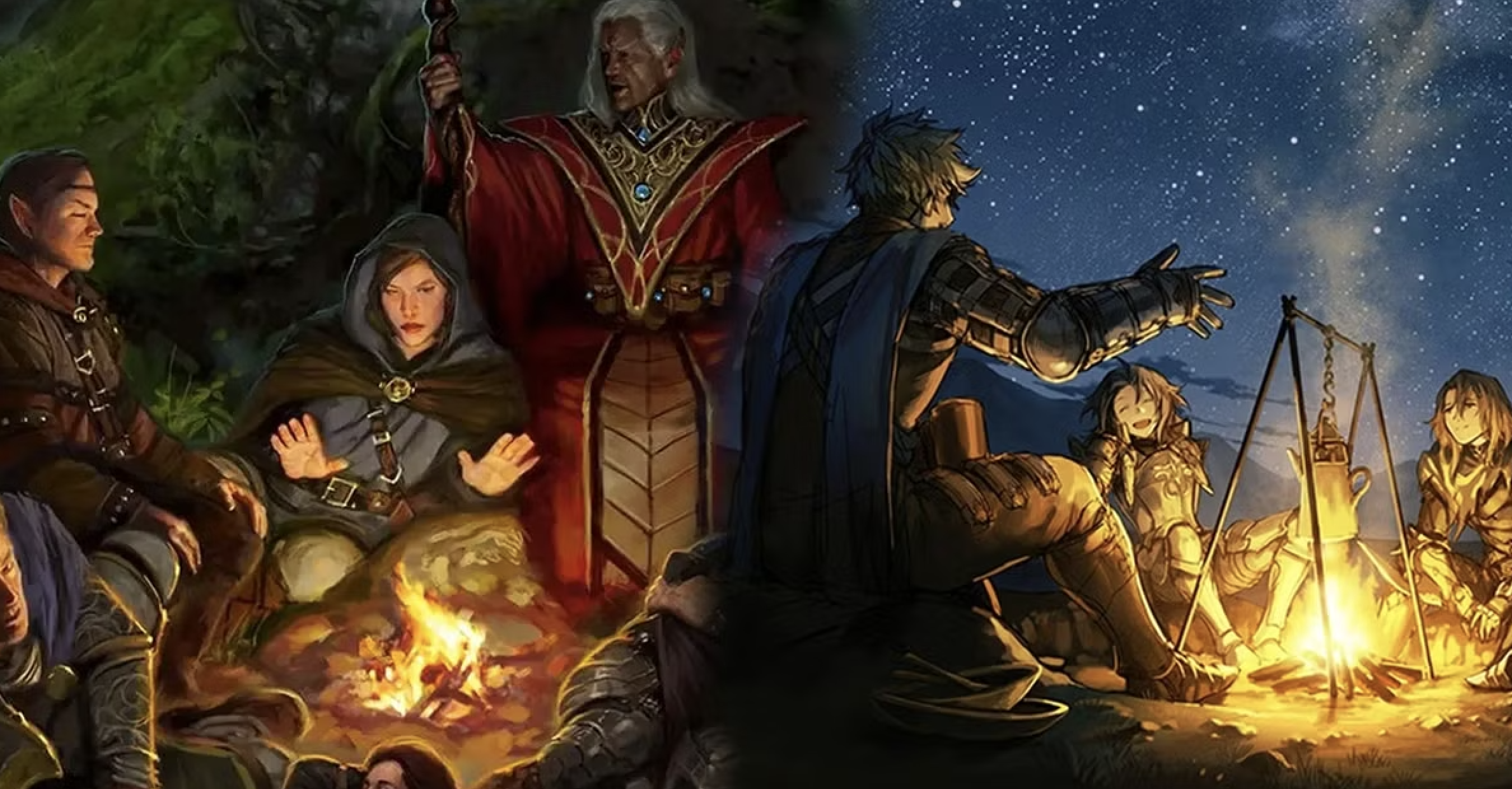
Quick Answer: What Are AI RPG Resting Rules?
AI RPG resting rules are recovery systems for tabletop or AI-narrated RPGs, designed, balanced, or adjudicated with AI help, that define when characters can rest, how long rests take, and which resources return.
Key capabilities:
- Explaining official short and long rest rules across editions
- Generating homebrew variants such as gritty realism, safe havens, and reward rests
- Modeling how rest frequency affects encounter balance and attrition
- Writing rest rules precise enough for an AI game master to apply consistently
Why RPG Resting Rules Break So Many Campaigns
Resting is the hidden throttle of most fantasy RPGs. The 2024 D&D rules define a Long Rest as at least eight hours with at least six hours of sleep, and they add a hard cooldown between rests:
16 hours — Minimum wait after finishing a Long Rest before starting another, per the D&D 2024 Rules Glossary
The design math behind those numbers assumes many fights between rests. As one long-running EN World discussion summarizes:
6 to 8 encounters — The adventuring day the standard 5e rest mechanic assumes before the next 8-hour long rest
Few tables actually run six to eight encounters per in-game day. But matching rest rules to how your group really plays is frustratingly difficult:
- The "rest after every fight" problem — designers on r/RPGdesign note that , which drains tension.
- Awkward short rest pacing — RPGnet posters describe short rests as sitting in a really awkward spot, both mechanically and narratively.
- Edition drift — groups mixing 2014 and 2024 books often disagree on what an interrupted rest actually grants.
- AI narrators losing rules context — AI-run games can forget resource states or apply recovery inconsistently, which breaks immersion.
The Pacing Trap
Sly Flourish's Mike Shea puts it plainly: too many rests and characters enter every conflict at full power; too few and players feel helpless and frustrated. Rest frequency directly controls combat difficulty, especially at higher levels where a well-rested party carries a deep pool of spells and features.
The Edition Mismatch
The 2014 basic rules state that if a long rest is interrupted by at least an hour of strenuous activity, characters must begin the rest again to gain any benefit. The 2024 glossary instead lists specific interruptions (rolling Initiative, casting a non-cantrip spell, taking damage, or an hour of exertion), grants Short Rest benefits if at least an hour was completed, and lets you resume by adding an hour per interruption. Those are meaningfully different outcomes at the table.
The AI Consistency Gap
Research published this year in Entertainment Computing found that when generated content lacks an intrinsic connection to the game's rule system, players encounter experience breakdowns that pull them out of immersion. An AI narrator handing out free long rests in a monster-filled corridor is exactly that kind of breakdown. Developers have also acknowledged that AI RPG games long forgot everything between sessions, including the resource states rest rules depend on.
This is exactly the kind of systems problem a dedicated AI game design partner was built to untangle.
Why Game Designer Assistant for RPG Resting Rules
Game Designer Assistant treats rest rules as what they are: a core economy that governs every other system. Instead of searching forums for scattered house rules, you describe your campaign's tone, encounter density, and party composition, and it helps you brainstorm, analyze, and document a recovery system that fits.
| Traditional Approach | Game Designer Assistant |
|---|---|
| Digging through rulebooks and forum threads to compare editions | Side-by-side breakdown of 2014 vs. 2024 rest rules in seconds |
| Copying a homebrew variant and hoping it balances | Systems analysis of how a variant shifts attrition and encounter difficulty |
| Rules buried in session notes that players forget | Clean, structured rules documentation ready to share |
| Trial and error across several sessions | Stress-testing scenarios before your next game night |
Compare Official Rules Precisely
Examining the two rule sets side by side reveals differences many tables overlook:
| Rule Element | D&D 2014 Basic Rules | D&D 2024 Rules Glossary |
|---|---|---|
| Short Rest length | At least 1 hour | 1 hour |
| Long Rest length | At least 8 hours | At least 8 hours, 6+ asleep |
| Hit Dice recovered on Long Rest | Up to half your total (minimum 1) | All spent Hit Point Dice |
| Long Rest frequency | One per 24-hour period | 16-hour wait after finishing one |
| Interrupted Long Rest | Must restart to benefit | Short Rest benefits if 1+ hour completed; can resume with +1 hour per interruption |
| Exhaustion | Edition-specific | Long Rest removes 1 level |
Sources: Roll20 Compendium and D&D Beyond Rules Glossary.
"Explain exactly what happens under 2024 rules if a goblin ambush interrupts our long rest after 3 hours."
Design Variant Rest Systems
The community has developed several proven paradigms. An EN World analysis describes gritty realism (24-hour short rests, seven-day long rests), safe-haven resting, and reward resting, each producing a very different campaign feel. Sly Flourish highlights 13th Age 2nd Edition, where characters gain a full heal-up only after three or four challenging battles. The Alexandrian's experimental Advanced Resting rules even include cases where a character must take two long rests to gain one rest's normal benefits.
The AI helps you combine these intelligently, for example safe havens for long rests plus reward rests after major story beats.
"Design a hybrid rest system for a survival horror campaign: long rests only in sanctified havens, short rests cost a ration, and defeating a lieutenant grants a reward rest."
Balance Rest Frequency Against Encounters
Rest rules only make sense relative to encounter density. The assistant can analyze which classes benefit most from frequent short rests, how a long-rest-only economy shifts power toward full casters, and where time pressure (rituals, pursuits, collapsing ruins) should limit rests narratively.
Write Rules an AI Game Master Can Follow
If you run campaigns with an AI narrator, vague rules invite drift. The assistant can rewrite your rest system as explicit, unambiguous conditions (triggers, durations, benefits, interruptions) so any narrator, human or AI, applies them the same way every session.
Related Agents You'll Also Find Useful
If you're building or running a campaign around your new rest system, these agents extend the workflow naturally.
Deep Research If you want a thorough survey of how other systems handle recovery before committing to a design, Deep Research searches widely and synthesizes findings with inline citations.
- Comprehensive multi-source reports on any topic
- Rigorous inline citations you can verify
- Actionable summaries for design decisions
Excel Generator Once your rules are set, turn them into a rest and resource tracker your table can use between sessions.
- Professionally structured workbooks built from your content
- Formulas and formatting applied automatically
- Clean sheet architecture for tracking HP, Hit Dice, and rest timers
The Mansion Want to feel tension-driven pacing from the player's side? This AI-narrated mystery drops you into a mansion where every room hides secrets and every shadow could be your last.
- Immersive, choice-driven exploration
- A tense atmosphere where caution matters
- Ideal for seeing how pressure shapes player decisions
The Asylum An investigator's descent into a shuttered psychiatric institution, useful inspiration for designing haven-based recovery in horror campaigns.
- Ward-by-ward exploration with hidden story layers
- Investigation-focused narrative play
- A strong reference for dread-driven campaign design
Try it free — no credit card required.
How to Build AI RPG Resting Rules Step by Step
Step 1: Define Your Campaign's Tone and Encounter Density
Start by telling the AI what kind of game you run and how many fights typically happen between nights of sleep. A heroic high-fantasy game with two encounters per day needs different rest rules than a dungeon crawl with eight.
"I run a gritty wilderness campaign with about two combats per in-game day. Players long rest after nearly every fight. What's wrong with my current rest setup?"
Step 2: Compare Official Baselines
Open the AI game design partner and ask for a breakdown of the rules you're starting from. Clarify Hit Dice recovery, interruption handling, and frequency limits before changing anything.
"Compare 2014 and 2024 long rest rules for Hit Dice recovery and interruptions, and tell me which suits a low-encounter campaign better."
Step 3: Generate and Evaluate Variants
Request two or three candidate systems and ask for a pacing analysis of each. Ask how each variant affects warlocks versus wizards, or martial classes versus full casters.
"Give me three rest variants for my campaign (gritty realism, safe havens, and milestone heal-ups) with pros, cons, and class impacts for each."
Step 4: Stress-Test Edge Cases
Run scenarios that typically cause table arguments: ambushes mid-rest, magical shelters, or a villain's ritual timer. Sly Flourish recommends time-sensitive quests to push characters forward even when safe rest is possible, and these make great test cases.
"The party casts a shelter spell in the dungeon while cultists are 6 hours from completing a ritual. Walk me through how my safe-haven rules resolve this."
Step 5: Document the Final Rule Set
Ask for a one-page player-facing summary plus a precise version for your AI narrator or co-GM. Share it before the next session so everyone plans resources accordingly.
"Write my final rest rules as a one-page handout and a strict rules block an AI game master can follow without ambiguity."
Results & Use Cases
📊 Fixing a Campaign Where Players Rest After Every Fight
Scenario: A GM notices the party long rests after every encounter, making each fight a full-resource nova.
Traditional Approach: Weeks of reading forum threads and trialing house rules mid-campaign, often frustrating players.
The AI design partner: Diagnoses the mismatch between encounter density and rest frequency, then proposes a safe-haven system with narrative justifications.
- Restores tension without making players feel punished
- Gives clear in-fiction reasons why camping in a corridor fails
- Produces a rule summary to present at session zero
🏰 Planning a Heist Around Limited Rests
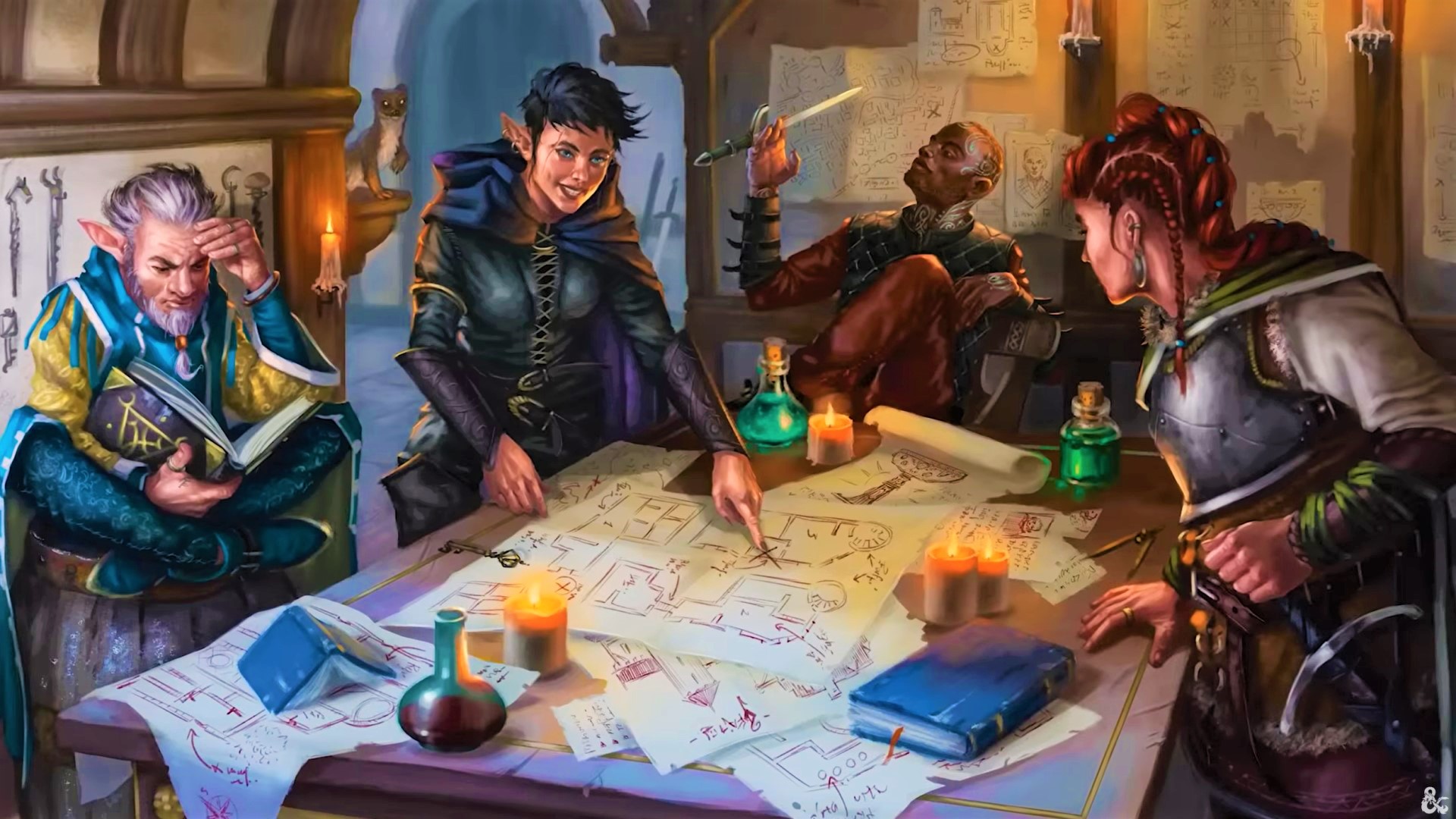
Scenario: A GM designs a multi-stage vault heist where the party can't long rest until they escape.
Traditional Approach: Hand-balancing each stage and guessing how many resources the party will have left for the final guardian.
Game Designer Assistant: Maps rest opportunities to heist stages, such as one guaranteed short rest in a hidden maintenance room, and flags where the party is likely to run dry.
- Final encounter tuned to the party's expected attrition
- Built-in "restful opportunities," like a hidden healing font, as optional pressure valves
- Players can plan around stated rest limits instead of guessing
📱 Resolving a Rules Dispute From Your Phone Mid-Session
Scenario: Mid-game, a monster attacks four hours into a long rest and the table disagrees on what happens.
Traditional Approach: Flipping through books or searching forums while momentum dies.
Game Designer Assistant: Asked from a phone at the table, it explains that under 2024 rules the party gains Short Rest benefits and can resume with an extra hour added.
- Instant clarity without halting play
- Edition-specific answers, not blended guesses
- Works the same on web, iOS, and Android
🎭 Building Rest Rules for an AI-Narrated Campaign
Scenario: A player runs a solo campaign with an AI narrator that keeps handing out full recovery inconsistently.
Traditional Approach: Re-explaining rest rules every few sessions and correcting the narrator manually.
Game Designer Assistant: Converts the house rules into an explicit trigger-duration-benefit format, and the player researches comparable systems with Deep Research before finalizing.
- Rules grounded in the game system, which research links to better presence and enjoyment
- Fewer immersion-breaking inconsistencies
- A reusable rules block for future campaigns
Frequently Asked Questions
How do short and long rests work in D&D 2024?
A Short Rest is a 1-hour period of light activity where you can spend Hit Point Dice to recover HP; interrupting it with Initiative, a non-cantrip spell, or damage cancels all benefits. A Long Rest lasts at least 8 hours, restores all HP and all spent Hit Point Dice, removes one Exhaustion level, and requires a 16-hour wait before the next one.
Can AI help me design homebrew RPG resting rules?
Yes. An AI game design assistant can generate variants like gritty realism, safe havens, or milestone heal-ups, then analyze how each affects class balance and encounter pacing. It works best when you describe your campaign's tone and encounter density. Always playtest the result, since your table's habits matter as much as the math.
What is the best resting variant for a horror or survival campaign?
Safe-haven resting is a popular choice: long rests only happen in rare, defensible locations, which makes finding shelter a goal in itself. Pairing it with longer short rests raises tension further. For hands-on inspiration, the AI-narrated mystery The Mansion shows how scarcity and pressure shape cautious player decisions.
Is Game Designer Assistant free to use?
Yes. Game Designer Assistant is available on a free tier with all core features and limited usage. Paid plans start at $20 per month for 30× the free usage and custom model selection, with higher tiers for heavy users. Usage resets monthly on your billing date, and there are no daily caps.
Does it work on mobile during a live session?
Yes. It runs with full feature parity on web, iOS, and Android, with settings synced across devices. That makes it practical for quick rules clarifications at the table, such as resolving an interrupted long rest without pausing the game for a rulebook search.
Conclusion
Resting rules decide whether your dungeons feel dangerous, whether your boss fights land, and whether your AI narrator stays consistent. The default 5e assumptions rarely match how real groups play, and the 2014 and 2024 rules handle interruptions and recovery differently enough to cause genuine confusion. Designing your own AI RPG resting rules, whether gritty, haven-based, or milestone-driven, turns rest from an afterthought into a deliberate pacing tool.
With a clear comparison of official rules, tested variants, and precise documentation, your table spends less time arguing and more time playing. Try Game Designer Assistant now to build a rest system that fits your campaign. Explore more at Jenova.
For Developers: Game Designer Assistant is available programmatically via the Jenova API — integrate RPG systems design and rules analysis into your game or VTT application with a single API call. Full documentation →