AI RPG Permadeath: Play High-Stakes Campaigns Where Death Is Final
2026-10-22
Roleplay Game Master lets you run AI RPG permadeath campaigns where a fallen character stays dead. You set the rules, and the AI game master remembers them, tracks your party, and continues the story after the loss. As of October 2026, many AI storytelling tools still let a single "regenerate" erase a bad outcome. This AI is built for long campaigns with unlimited memory and consistent characters, so the stakes you agree to at the start still apply in session twenty.
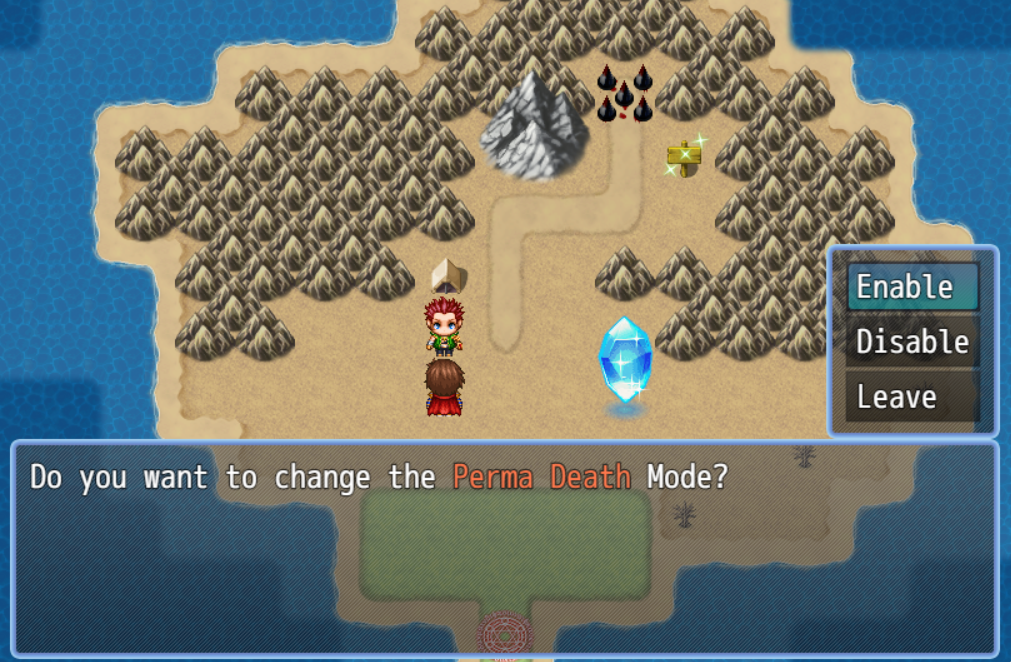
- ✅ One-life rules you define: death conditions, revival limits, and how strict the dice are
- ✅ Unlimited campaign memory: wounds, debts, grudges, and fallen companions carry forward
- ✅ Consistent characters: NPCs keep their personalities and motives across sessions
- ✅ Any genre or scenario: dungeon crawls, survival horror, war campaigns, and political intrigue
Permadeath is easy to switch on in a menu. It is much harder to keep meaningful in an open-ended AI story, where the narrator improvises everything and the player can always ask for a do-over. To see why a dedicated AI game master matters, start with what tends to break permadeath in AI roleplay.
Quick Answer: What Is AI RPG Permadeath?
AI RPG permadeath is a roleplaying setup where an AI game master enforces permanent character death. A fallen hero stays dead, and the story continues around that loss instead of reloading a save.
Key capabilities of an AI game master built for persistent campaigns:
- Enforces the death rules you set at session zero, such as no resurrections or one revival per campaign
- Remembers injuries, resources, and earlier choices so lethal risks build up over time
- Keeps the world moving after a death through successor characters, factions that react, and lasting consequences
- Adapts to any setting, from grimdark fantasy to cosmic horror to hard sci-fi survival
Why Permadeath Breaks in Most AI Roleplay
Permadeath is a long-standing mechanic in tabletop and video games: characters who lose all their health are dead and cannot return. Survival titles such as
. Some text-based games go further. One text cultivation roguelike makes a recorded death end the save entirely:5 written death conditions — define exactly when a character dies in one text-based roguelike RPG
AI roleplay is different. The narrator invents the world as you play, so nothing guarantees a rule will hold unless the system is built to keep it. Researchers have noticed the problem:
63 research papers — catalogued on core AI RPG problems, including long-horizon memory, character fidelity, game state, and player agency
Getting real stakes from AI roleplay is still difficult:
- Memory drift: The AI forgets your wounds, your empty potion pouch, or who already died.
- Softened consequences: General-purpose assistants often lean toward rescuing the player at the last moment.
- The regenerate button: Any lethal outcome can be rerolled, which quietly cancels the stakes.
- Mismatched difficulty: One fixed narrative style rarely suits both newcomers and veteran players.
The regenerate problem echoes an old design argument. Unangband developer Andrew Doull compared quick-saving to being able to guess every exam answer and try again if you get it wrong. He also points out that permadeath is mainly seen as a negative in narrative games, especially RPGs where players build up resources over time. AI RPGs are exactly that kind of game.
Player expertise matters too. A 2026 study in Entertainment Computing found an inverse relationship between RPG experience and satisfaction with AI Game Masters. Directive approaches helped novices but frustrated experienced players. A permadeath campaign needs a GM you can tune, not a fixed script.
This is exactly what Roleplay Game Master was built for.
Why Roleplay Game Master Works for Permadeath Campaigns
Roleplay Game Master is a dedicated AI game master for immersive, long-form roleplay. It has unlimited memory, consistent characters, and full creative freedom over the scenario. For permadeath, the memory is what makes the difference. Death can only be final if the narrator still remembers it, along with every risk that led up to it.
| Traditional Approach | Roleplay Game Master |
|---|---|
| Human GMs need scheduling and a group | Available whenever you want to play, solo |
| Video game permadeath uses fixed content you eventually memorize | Every run is improvised, so each death happens in a new story |
| General chatbots forget earlier turns and soften danger | Persistent memory keeps wounds, losses, and rules in force |
| One difficulty style for everyone | You set the lethality, the transparency of the odds, and the revival rules |
Rules That Stay Agreed
You write a permadeath charter at the start of the campaign. It can say no resurrection magic, death at zero HP or on failed death saves, or one "fate point" per campaign. The AI GM applies it from then on. Because the campaign memory persists, the charter doesn't fade after a few dozen messages.
"Run a grimdark fantasy campaign with strict permadeath. Death happens at 0 HP with no resurrection magic in this world. Tell me the odds before any lethal action, and never undo a death even if I ask."
Consequences That Build Up
Good permadeath isn't about sudden, random deaths. It's about pressure that accumulates. A broken rib from session two should matter in the ambush during session five. A spurned mercenary should still hold a grudge. The game master tracks these threads so that when a death comes, it feels earned rather than arbitrary.
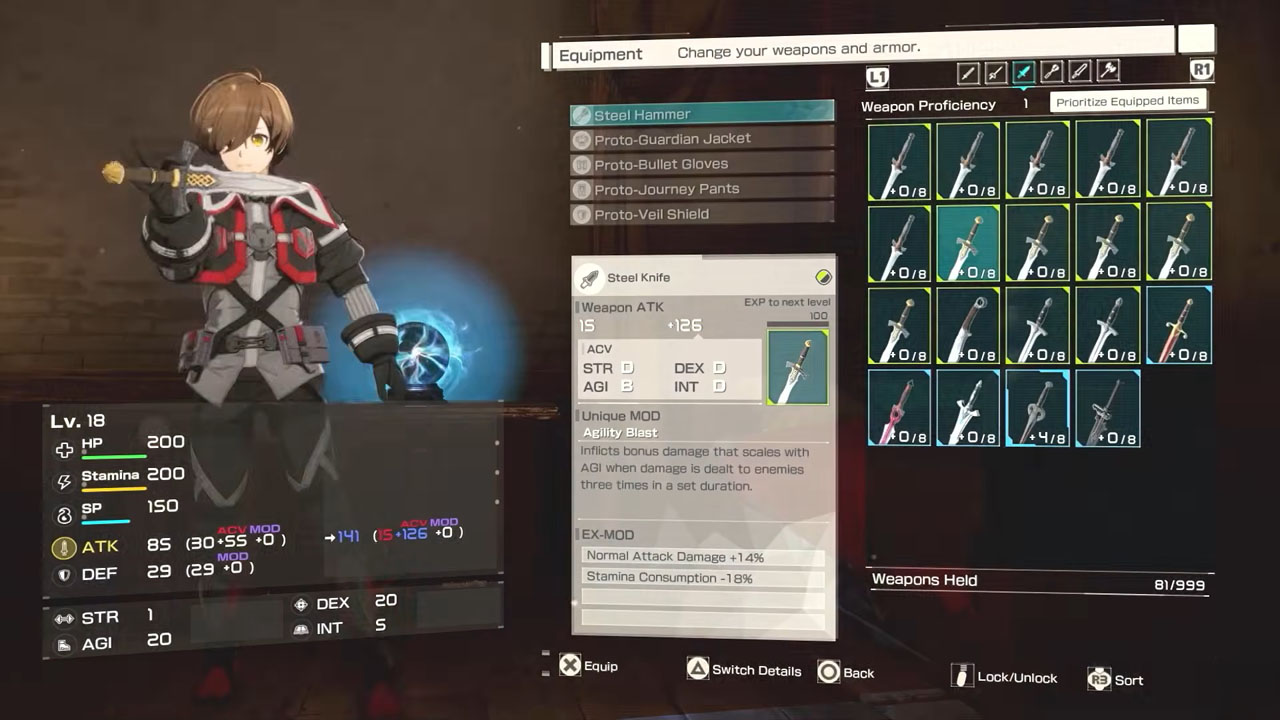
Builds and Gear That Matter
In permadeath, your build is your insurance. You can have the GM keep a running character sheet with stats, equipment, consumables, and conditions. Then a low-defense, agility-focused fighter really does pay for wading into a melee. Your choices about gear and positioning become your survival strategy.
"Keep a character sheet for my level 3 rogue: 18 HP, leather armor, two healing draughts, a poisoned dagger. Update it after every encounter and warn me when I'm one bad hit from death."
Death as a Story Beat
A permadeath campaign continues after the death. The AI can write an epitaph, show how the world reacts, and hand you a successor: a sibling, an apprentice, or a stranger who finds the body. This fits what designers mean by "failing is fun". Losing becomes part of a larger story about the player learning the world.
Related Agents You'll Also Find Useful
If one-life stakes appeal to you, these agents offer different kinds of tension.
The Mansion You wake in a mansion with no memory of how you arrived, and every shadow could be your last. It suits players who want survival horror where carelessness has a cost.
- Room-by-room exploration with hidden secrets
- Constant threat that rewards caution
- A clear goal: uncover the truth and escape
The Asylum You're an investigator sent into a shuttered psychiatric institution, and something has gone wrong. If you like methodical, high-tension investigation, this is a natural next run.
- Ward-by-ward mystery with layered secrets
- Investigation-driven pacing
- A hidden story that reveals itself through your choices
Civilization Choose an era and rule a nation while rivals pursue their own ambitions. It's permadeath at the scale of a state: a dynasty can fall, and the world won't wait for you to recover.
- Rival nations with independent agendas
- Shifting alliances and wars
- A world that moves forward without you
Game Designer Assistant If you're designing your own permadeath RPG, this agent helps you brainstorm death mechanics, analyze systems, and document your ruleset.
- Systems analysis for risk-and-reward balance
- Design documentation and brainstorming
- Expertise across genres and platforms
You can try any of these on Jenova's free tier.
How to Run an AI RPG Permadeath Campaign
Step 1: Pitch Your Campaign to the AI Game Master
Open Roleplay Game Master and describe the setting, tone, and your character concept. Be specific about genre and how dangerous the world should feel.
"Low-magic frontier fantasy. I play a disgraced cartographer mapping cursed wilderness. The world should be dangerous enough that careless travelers die."
Step 2: Write Your Permadeath Charter
State the exact death rules before play begins: when death triggers, whether revival exists, and whether you want the odds shown before lethal actions. Explicit rules work best. Vague instructions like "make it hard" leave too much to interpretation.
"Permadeath rules: death at 0 HP or from any failed check you warned me about. No resurrection. If I ask you to undo a death, refuse and remind me of this charter."
Step 3: Set Up Your Character Sheet
Ask the GM to track stats, gear, consumables, and injuries after every scene. A visible sheet makes risks clear and deaths fair.
"Track my HP, rations, rope, lantern oil, and injuries. Show a one-line status summary at the end of each scene."
Step 4: Play With Real Risk
Make decisions knowing they're final. Scout before you charge, retreat when the numbers turn against you, and spend resources deliberately. This is the trade-off between exploiting opportunities and avoiding threats that permadeath has always rewarded.
Step 5: Carry the Story Past a Death
When your character falls, let it stand. Ask for an epitaph and a successor tied to the same world, so the loss has consequences instead of just ending the game.
"My cartographer is dead. Write a short epitaph, then introduce her apprentice, who inherits her unfinished map and her enemies."
Results & Use Cases
🗡️ The Solo Ironman Dungeon Crawl
Scenario: A tabletop veteran wants a punishing one-life dungeon crawl but can't get a group together each week.
Traditional Approach: Waiting on scheduling, or replaying a fixed video game dungeon until its layouts are memorized.
With the AI game master: An improvised dungeon with strict charter rules, where every room is new and death is permanent.
- No memorization, so every run tests judgment
- Persistent memory keeps resources and injuries honest
- Difficulty and transparency of the odds tuned for experienced players
🏚️ The Survival Horror Run
Scenario: A horror fan wants dread that builds because mistakes are fatal.
Traditional Approach: Linear horror games whose scares lose their effect on replay.
With The Mansion or The Asylum: Exploration-driven horror where caution matters and the secrets reward patience.
- Tension comes from consequence, not jump scares alone
- Each room or ward is a real decision point
- Pairs well with a self-imposed one-life rule
📱 The Commute-Sized One-Life Run on Mobile
Scenario: A player wants short, tense sessions during a daily train ride.
Traditional Approach: Mobile games built around energy timers and microtransactions instead of story.
With Roleplay Game Master on mobile: A few turns per commute, with the campaign picking up exactly where it stopped, on any device.
- Full feature parity across web, iOS, and Android
- Campaign state carries over between sessions
- Speech-to-text for hands-free turns
🎲 The Designer Testing a Death Mechanic
Scenario: An indie developer is prototyping a permadeath RPG and needs to know whether their death rules feel fair.
Traditional Approach: Weeks of building prototypes before getting any playtest feedback.
With Game Designer Assistant plus an AI GM: Draft the ruleset with the design assistant, then playtest it as text-based roleplay right away.
- Find unfair death triggers before writing any code
- Iterate on revival and legacy mechanics through conversation
- Document the final rules for your design bible
Frequently Asked Questions
What is permadeath in an AI RPG?
Permadeath in an AI RPG means that when your character dies, they stay dead. There is no reload, no reroll, and no convenient resurrection. An AI game master narrates the death and continues the story, usually by introducing a new character in the same world. The appeal is real stakes: every risky choice matters because it can't be undone. This mirrors permadeath in roguelikes, applied to open-ended, improvised storytelling.
Can Roleplay Game Master actually enforce permadeath?
Roleplay Game Master enforces the rules you set at the start of a campaign, and its unlimited memory keeps those rules in force over long play. For best results, write explicit death conditions and tell the GM to refuse requests to undo deaths. Since you control the conversation, part of the strictness comes from you honoring the charter, much like a tabletop table's social contract.
Is Roleplay Game Master free to use?
Yes, you can play on Jenova's free tier, which includes all core features with limited usage. Players running long permadeath campaigns may want a paid plan. Plus is $20 per month with 30× the free usage, and higher tiers go up from there. Usage resets monthly with no daily caps, so you can play long sessions whenever it suits you. Details are at Jenova.
How is AI RPG permadeath different from roguelike permadeath?
Roguelikes combine permadeath with procedurally generated levels inside fixed rule systems. AI RPG permadeath applies the same finality to open-ended narrative: you can negotiate, deceive, flee, or improvise solutions no designer anticipated. Roguelikes test mastery of mechanics. AI permadeath campaigns test judgment within a story. Research on roguelikes, such as the culture of permadeath and Terror Management Theory, helps explain why both formats feel so intense.
Does AI RPG permadeath work on mobile?
Yes. Jenova has full feature parity across web, iOS, and Android, and settings sync between devices. You can start a permadeath campaign on your laptop and continue it on your phone, with the character sheet, injuries, and fallen companions all intact. Speech-to-text is also available if you'd rather speak your turns than type them.
Is permadeath fun or just frustrating?
It depends on the player and the design. Critics such as Zeno Rogue argue the emphasis on permadeath can be harmful. Supporters say it gives every decision weight. Doull admits he never won Angband in over ten years of play and still finds it compelling. The flexibility of an AI GM helps here: you can choose strict or softer rules.
Conclusion
Permadeath gives roleplaying games weight: courage costs something, retreat can be the right call, and a well-played survival actually means something. AI roleplay has struggled to deliver that, because memory drifts, narrators soften danger, and the regenerate button removes the stakes. A dedicated AI game master with persistent memory and clear, agreed rules fixes that. It turns AI RPG permadeath from a menu toggle into lasting consequences, and it works for solo campaigns, ironman dungeon runs, and one-life survival horror alike.
Try Roleplay Game Master now and start a campaign where death is final. Explore more at Jenova.
For Developers: Roleplay Game Master is available programmatically via the Jenova API. You can integrate persistent, rules-enforcing AI game mastering into your game or storytelling app with a single API call. Full documentation →