AI Quest Hook Generator: Instant Plot Ideas for Tabletop DMs
2026-09-05
A blank session slot is not a creative problem. It is a production problem. Jenova helps dungeon masters generate quest hooks, NPC motives, and mid-adventure twists by pairing specialized creative agents with persistent campaign memory. In September 2026, more tables are playing than ever — and more DMs are prepping on weeknights, not weekends.
Random tables still spit out fragments. A dedicated AI quest hook generator on this platform builds the missing connective tissue: who wants what, why it cannot wait, and what happens if the party walks away.
✅ Specialized agents for plot, character, intrigue, and session texture ✅ Persistent memory that keeps your homebrew lore consistent across weeks ✅ Multi-model access so you can switch creative voices without new accounts ✅ Full feature parity on web, iOS, and Android for last-minute prep
To understand why this matters, look at how adventure hooks actually fail at the table — and why dice-and-table generators rarely fix the failure.
Quick Answer: What Is a Quest Hook Generator?
A quest hook generator is an AI-powered prep tool that produces session-ready adventure premises — quest givers, motives, obstacles, and twists — so dungeon masters can hook players without staring at a blank page. It replaces disconnected random rolls with a story the table can act on immediately.
Key capabilities:
- Compose a hook with a quest giver, urgent problem, and player-facing stakes
- Attach personality, secrets, and faction pressure so the hook feels personal
- Expand a single premise into encounters, clues, and fail-forward outcomes
- Keep names, lore, and unfinished threads consistent from session to session
Why Dungeon Masters Run Out of Quest Hooks
Tabletop play is not shrinking. Games and Puzzles became the #1 U.S. toy category in 2025 at $4.9 billion, up 39% from the prior year. Family research also finds that nearly two-thirds of people use tabletop games to strengthen family ties. More tables mean more hungry players — and more DMs who need a fresh reason to start tonight's session.
A hook is that reason. Shawn Merwin, writing for D&D Beyond, argues that players sit down asking two questions: Where am I? and Why am I here? The second question is the hook. Without it, even a beautiful map is just scenery.
But producing hooks that actually land is frustratingly difficult:
- Random generators output fragments, not motives
- Players ignore most of what you dangle
- Published advice still assumes hours of writing time
- Visual and narrative polish is expensive for home games
- Continuity collapses when prep is scattered across notes apps
Random Tables Give You Pieces, Not a Premise
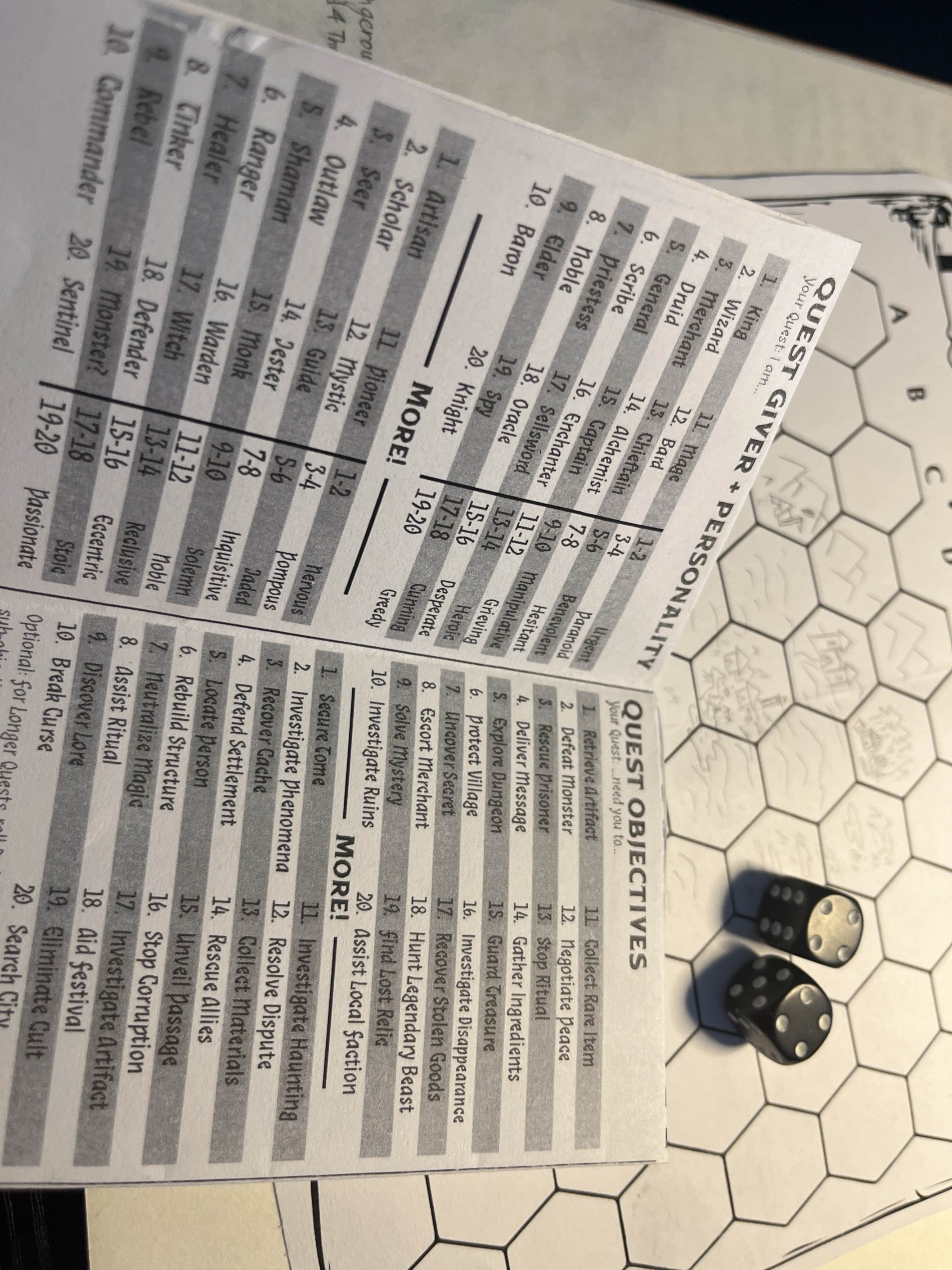
Classic tools such as Kassoon's random plot hooks, Here Be Taverns' plot hook generator, and Donjon's adventure generator are fast. They are also thin. You get "retrieve an artifact" plus "a paranoid merchant." You still have to invent why the artifact matters, what the merchant will not say, and how this collides with last month's unfinished thread.
A roll is a prompt. A hook is a decision the players cannot politely decline.
Most Hooks Never Get Bitten
Veteran DMs treat hooks as a numbers game. In a widely circulated
, the working assumption is blunt:For every 10 hooks you dangle, players ignore all but one —
That is not laziness. It is table physics. Players chase reward, heroism, and discovery — the three enticements The Arcane Library identifies as the real audience for a hook: the people sitting at the table, not the fictional characters. A generator that only names an objective cannot aim at those three desires.
Prep Time Collides With Player Agency
The Arcane Library's adventure-writing method treats the hook as the most important encounter in a 4–5 hour session. Sly Flourish recommends tying hooks into character creation so motivation exists before the tavern door even opens. Both approaches work. Both assume writing time most weeknight DMs do not have.
When the party ignores the carefully seeded rumor and adopts the baker instead, unused prep feels like wasted labor. DMs then under-prep, and the next session starts with another generic job board.
Home Games Cannot Afford Studio Polish
Indie RPG production makes the cost of "just hire an artist" obvious. Custom art for a modest module commonly runs $800–$3,000+ before maps, layout, and revision. Home DMs do not need a published PDF. They still need names that sound like they belong to a culture, villains with real incentives, and a hook that does not collapse into "a guy in a tavern hires you."
This is exactly what Jenova was built for.
The Jenova Solution
Jenova is not a single randomizer. It is a bench of specialist agents you can brief the way you would brief a co-DM: here is the party, here is the town, here is the thread they refused last week — now give me three hooks they will fight over.
| Traditional Approach | Jenova |
|---|---|
| Roll quest giver + objective, then invent motive by hand | Agents compose giver, motive, obstacle, and twist as one premise |
| Static PDF tables that cannot remember your campaign | Persistent memory across sessions, characters, and unfinished plots |
| One generic chatbot for every creative job | Specialist agents for narrative, names, intrigue, and table texture |
| Art and lore research that stalls prep | Multi-model drafting plus tools for reference, maps, and handouts |
Narrative Pressure: The Hook as an Opening Scene
Game Designer Assistant treats the hook as a design problem, not a writing prompt. You can ask for three premises that demand urgent action, then stress-test each against a party of four level-5 characters who hate fetch quests.
Film Screenwriter is the right partner when the hook must play as a scene: who is in the room, what they want, and what visual detail tells the table the tone in one glance. D&D Beyond's adventure-design series is explicit that openings should establish tone fast and get players making choices — not absorbing exposition.
When you need the hook to also function as a cliffhanger between sessions, Microdrama Screenwriter is built for episode endings, payoffs, and "one more scene" pressure. That is useful whether you run weekly D&D or a West Marches-style table that lives on unfinished business.
"Give me three quest hooks for a coastal town that just lost its lighthouse crew. Party: hexblade, grave cleric, thief, and a druid who hates the local temple. Each hook must offer reward, a chance at heroism, and a secret worth discovering. End each with a twist that is visible in the first scene."
People Worth Helping — or Stopping
A hook dies when the quest giver is a vending machine. Name Generator produces names with linguistic and cultural consistency, so your paranoid alchemist does not sound like she was born on a different continent from her own shop sign.
Pair that with Personality Analyzer when you need the giver's tell: the attachment style that makes them lie, the Enneagram pattern that makes them overpay, the Big Five profile that explains why they hired adventurers instead of the town watch.
For political campaigns, Machiavelli Mentor maps incentives. Who benefits if the ritual succeeds. Who cannot afford peace. Which faction is using the party as a disposable probe. That is how a "stop the ritual" objective becomes a hook with enemies on both sides.
Texture the Party Can Touch
Hooks feel cheap when the world around them is generic. Tour Guide turns a location into sensory briefing — send a photo of a real alley, harbor, or ruin and get narration you can read at the table. Antique Expert is the specialist for artifact-centered premises: provenance, likely forgeries, and the kind of historical residue that makes "retrieve the relic" feel like a crime scene.
When the campaign leans on hidden structures rather than open contracts, Conspiracy Theorist is useful for rumor webs, cover stories, and the one document that should not exist. You still decide what is true. The agent helps you plant the paper trail.
Session Texture Beyond the Plot
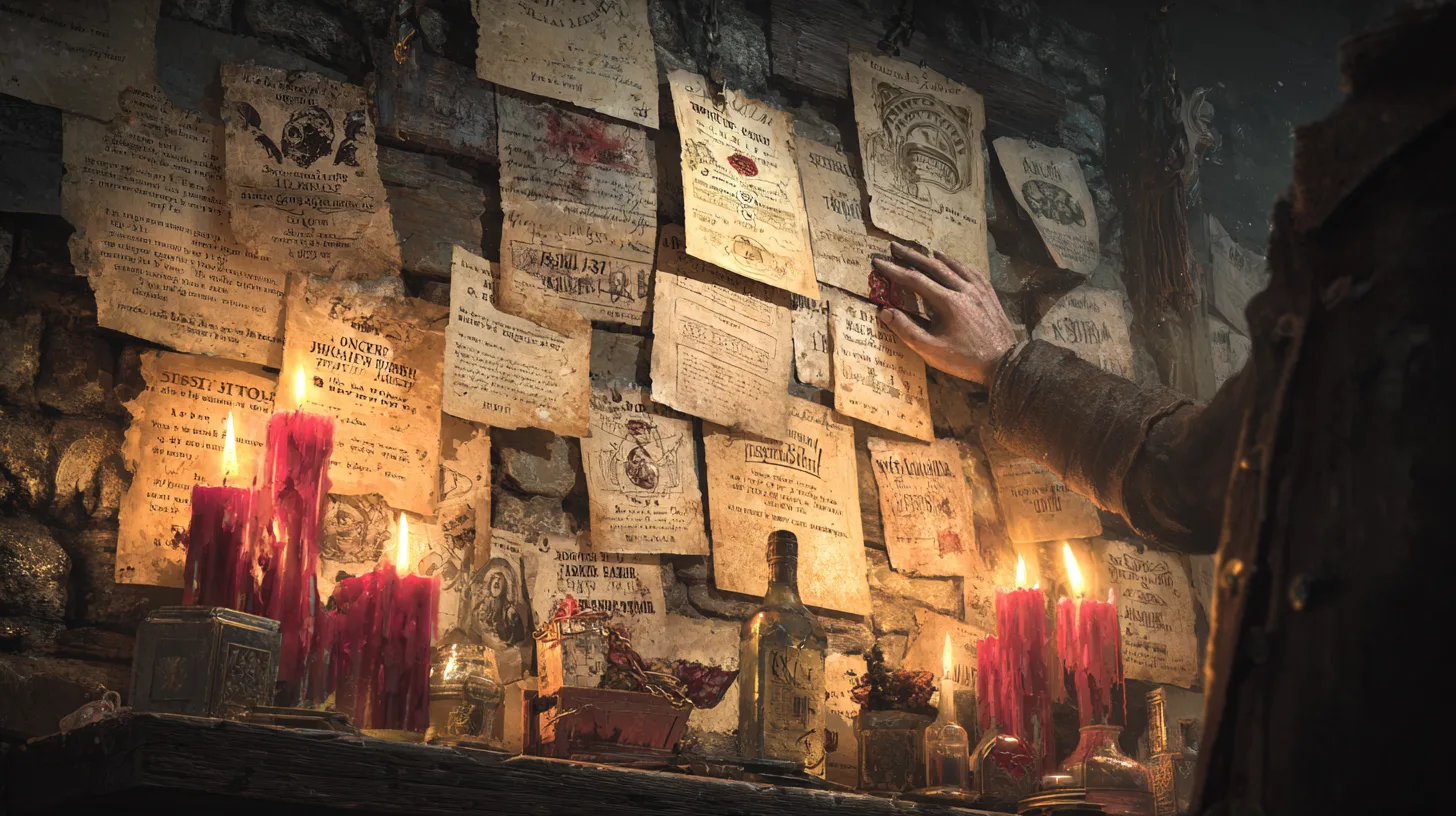
A hook is stronger when the table can hear and see it. Music Composition Assistant can sketch a motif for the quest giver's house or the dungeon that rumor points toward. Comic Creator is the right tool when you want a one-page rumor handout or a wanted poster that looks like sequential art, not a bullet list.
Quiz Maker converts clues into riddles, tavern trivia, and faction initiation tests — the kind of interactive bait that lets players discover the hook instead of being told it.
Specialized AI Agents for Quest Design
Once the core hook exists, these agents deepen the work you will actually run.
Game Designer Assistant
Game Designer Assistant is the closest thing to a systems-literate co-designer. Brief it on genre, platform, and table culture, then ask it to turn a hook into encounter variety — combat, social pressure, and exploration — without two fights in a row.
- Brainstorms premises that demand action rather than rumor collection
- Flags where a hook is actually a fetch quest in costume
- Documents the adventure as DM-facing reference, not a short story
Film Screenwriter
Film Screenwriter keeps the opening playable. You get structure, dialogue, and the one visual beat that sets tone — a bloody nose on the street, a sealed letter with the wrong wax, a lighthouse with no light.
- Builds the hook as a scene the party can interrupt
- Writes NPC dialogue with motive baked into word choice
- Revises until the first three minutes produce a player decision
Name Generator and Personality Analyzer
Names and psychology are the fastest way to make a generated hook feel authored. Use Name Generator for people, ships, relics, and taverns that share a linguistic family. Then run the quest giver through Personality Analyzer so their lie, generosity, or panic is specific.
- Culturally fluent naming instead of syllable soup
- Personality patterns you can roleplay without a three-page backstory
- Consistent voice when the same NPC returns three sessions later
Machiavelli Mentor and Conspiracy Theorist
Not every table wants court intrigue. When yours does, Machiavelli Mentor and Conspiracy Theorist stop the hook from being a single-layer contract. The party should be able to accept the job and still smell the second job underneath it.
- Incentive maps for nobles, guilds, and temples
- Rumor architecture that supports investigation play
- Fail states that change the political board, not just the loot table
Try Jenova free — no credit card required.
How to Generate a Quest Hook in Minutes
Step 1: Brief the Campaign, Not the Tropes Open Game Designer Assistant and state the constraints that actually matter: system, party composition, tone, and the last decision the table made. A hook that ignores the grave cleric's temple feud will feel imported.
"We play D&D 5e, four players at level 6. Last session they spared the smuggler captain and made an enemy of the harbormaster. I need a hook that follows from that choice, not a fresh tavern job."
Step 2: Demand Reward, Heroism, and Discovery Ask for three hooks and require each to hit the three player appetites The Arcane Library describes. Then kill the weakest one. Volume is how you beat the "ten dangled, one taken" problem without writing ten adventures.
"Give me three hooks. Each must offer a tangible reward, a wrong the party can right, and a secret they do not fully understand until scene two. Mark which hook the harbormaster would try to suppress."
Step 3: Cast the Quest Giver Hand the surviving premise to Name Generator and Personality Analyzer. You want a name, a mannerism, and a reason they cannot go to the authorities. If the campaign is political, run the same brief through Machiavelli Mentor and ask who else is already moving.
"Name a grieving dock-warden who is lying about why the lighthouse went dark. Give me a speech pattern, one secret they will protect, and one secret they will blurt if someone is kind to them."
Step 4: Turn the Hook Into a First Scene Move to Film Screenwriter or Microdrama Screenwriter and request a two-minute opening: location, sensory detail, the interruption, and the question "what do you do?" Keep it short enough to read without boxed-text fatigue.
"Write a 120-word opening at the pier before dawn. Show, don't dump lore. End on a choice: chase the fleeing lamp-lighter, open the sealed crate, or walk into the harbormaster's office uninvited."
Step 5: Pocket the Prep and Run Save the thread. Jenova keeps the conversation and the campaign facts. On game night, open the same agents on your phone — web, iOS, and Android share state — and generate the rumor the bard overhears when the party ignores your planned door.
Results & Use Cases
🎲 Weeknight One-Shot When Two Players Cancel
Scenario: You planned a dungeon. Two players drop at 5 p.m. The remaining two still want to play.
Traditional Approach: Cancel, run a published one-shot that ignores ongoing plots, or improvise a tavern brawl that teaches nothing.
Jenova: Brief Game Designer Assistant on who is present and what unfinished thread can be resolved with a smaller party. Film Screenwriter turns it into a single-location hook — a locked counting house, a dying witness, a ritual that completes at midnight.
- Respects continuity instead of hitting reset
- Sized for two players without feeling like leftover content
- Produces a complete arc you can still file into the main campaign
🧭 Sandbox That Needs Ten Hooks, Not One Plot
Scenario: A West Marches-style table. You cannot predict which rumor they will chase.
Traditional Approach: Write ten job-board entries by hand, most of which stay unread.
.Jenova: Generate a rumor board where each hook is a full premise. Name Generator keeps the city's naming language consistent. Conspiracy Theorist weaves three of the rumors into the same hidden structure so the "wrong" choice still pays off later.
- Quantity without sameness
- Cross-linked rumors that reward curiosity
- Less grief when the table picks the weird option
📜 Artifact Quest That Should Feel Like Provenance, Not Fetch
Scenario: You want "retrieve the relic" without it playing as a grocery list.
Traditional Approach: A wizard says "go get it," and the dungeon is the whole adventure.
Jenova: Antique Expert builds the object's chain of ownership, likely forgeries, and the political cost of returning it to the "right" temple. Machiavelli Mentor adds the patron who wants it buried, not recovered. The hook is no longer the fetch. It is the argument about who deserves the thing.
- Investigation texture before the first combat
- Moral pressure that survives a successful retrieval
- Handout-ready history the party can argue about in character
📱 Bus-Ride Prep on a Phone
Scenario: You commute. Session is tonight. Your notes are a graveyard of half-named NPCs.
Traditional Approach: Scroll old documents, reuse the same cult, hope improvisation holds.
Jenova: Open the same campaign thread on iOS or Android. Ask for three hooks that reuse last session's unused NPC. Comic Creator drafts a wanted poster you can flash from the screen. Music Composition Assistant gives you a 20-second motif to play when the quest giver appears.
- Feature parity with desktop, including memory
- Handouts and audio cues without a second toolkit
- Prep that fits a ride, not an afternoon
FAQ
What is a quest hook generator in D&D?
A quest hook generator is a prep tool that creates the opening reason your party cares: who is asking, what will get worse if they refuse, and why this problem is theirs. On Jenova, that work is split across specialist agents rather than a single random table. You can generate the premise with Game Designer Assistant, then cast the quest giver and write the opening scene without leaving the same campaign thread.
How is an AI quest hook generator different from random plot tables?
Random tables such as Kassoon or Donjon are excellent spark tools. They do not know your party, your unfinished plots, or which player is hungry for discovery versus heroism. Jenova agents accept those constraints as input. The output is a premise you can run, not a fragment you still have to write.
Can I generate hooks that match my homebrew world?
Yes. Attach lore documents, prior session notes, and naming conventions, then brief the agents on tone and taboos. Persistent memory keeps a coastal city's speech patterns from drifting into generic fantasy by week four. Name Generator and Tour Guide are particularly useful for making new hooks feel native to a place you already built.
Is Jenova free to use for campaign prep?
Jenova has a free tier with all core features and limited monthly usage. Paid tiers increase usage and unlock custom model selection. You can prep hooks, NPCs, and opening scenes without a credit card. If you run multiple campaigns or generate large encounter documents, a paid plan simply raises the ceiling.
Does a quest hook generator work on mobile at the table?
Yes. Jenova runs with full feature parity on web, iOS, and Android, and settings sync across devices. That matters when a player ignores the temple job and interviews the baker instead. You can generate the baker's secret on your phone without breaking stride, including speech-to-text if your hands are full of dice.
Will AI-written hooks feel generic to experienced players?
They feel generic when the prompt is generic.
report better results when the tool is aimed at a specific table problem. Feed the agents your party's last bad decision, a faction they already hate, and a constraint ("no taverns, no chosen-one prophecies"). Then cut anything you would not say out loud in your own voice. The agents draft. You remain the DM.Conclusion
A quest hook generator is only useful if it produces something the table will chase. Random rolls give you a quest giver and an objective. They do not give you urgency, personality, or a reason the problem belongs to these characters tonight.
Jenova replaces that gap with specialists. Game Designer Assistant frames the hook as playable design. Film Screenwriter turns it into an opening the party can interrupt. Name Generator, Personality Analyzer, and Machiavelli Mentor make the people inside the hook worth arguing with. You still choose the world's truth. You stop spending your only free weeknight manufacturing that truth from scratch.
When the next session is closer than your notes are ready, generate the hook, keep the thread, and walk into the scene with a question instead of a speech. Explore the full agent library at Jenova.
For Developers: Every agent in this article is available programmatically via the Jenova API — integrate quest-hook generation, NPC drafting, and campaign-aware narrative tools into your application with a single API call. Full documentation →