Misunderstood Villainess AI Roleplay: Interactive Character Sim
2026-11-17
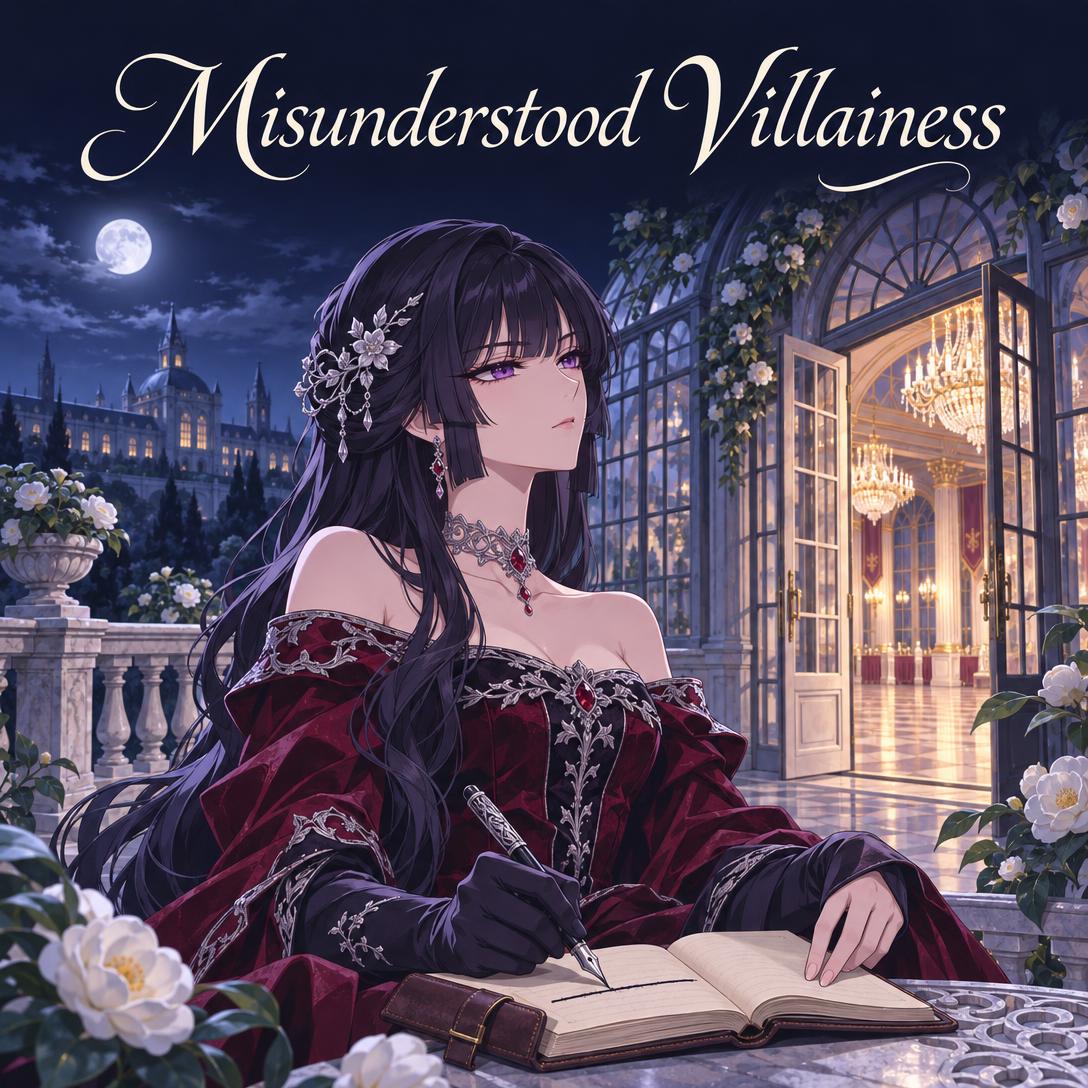
Roleplaying with Misunderstood Villainess on Jenova lets you step into a living-world AI character simulation. You meet a feared aristocrat whose cold reputation hides a conscience she would never advertise. Unlike static character chatbots that wait in an empty chat room or forget your story, this simulation places you inside an active, evolving noble world.
- ✅ Five distinct aristocratic settings, from a royal academy banquet to a frozen frontier keep
- ✅ A noblewoman with her own duties, pride, and judgment who never simply obeys
- ✅ Trust that must be earned through what you say and do
- ✅ Unlimited memory, so your story carries forward across sessions
Villainess stories usually ask whether the cruel reputation is deserved. This experience lets you answer that question in conversation, one scene at a time.
Quick Answer: What Is the Misunderstood Villainess AI Roleplay Experience?
Misunderstood Villainess is an interactive AI character roleplay simulation where you meet a feared noblewoman in one of five aristocratic worlds, earn her trust through your choices, and shape an open-ended story.
Key capabilities:
- Choose from five starting scenarios or define a custom starting point
- Converse with a noblewoman who has her own agenda, voice, and boundaries
- Unlimited memory and live tracking of your relationship, locations, and storylines
- Request in-world sights and written documents such as letters, decrees, or debt releases
Character World & Roleplay Features
The "misunderstood villainess" has become a staple of modern fiction. One community discussion describes the genre's common setup as
. Commentators also link the genre's popularity to changing cultural attitudes toward morality, gender roles, and personal growth.Researchers have studied the trope as well. A University of North Carolina repository paper by M. Kargbo, An Exploration of a New Feminine Identity in Otome Isekai, examines how a heroine works to change her image as a villainess. TV Tropes catalogs the broader pattern as the Reborn as Villainess story, a sub-genre that adds new twists to otome game conventions.
Most of these stories are read, not lived. Misunderstood Villainess puts you at the center of one. Where a typical AI character bot flattens the experience, this living-world AI villainess roleplay gives her a world of her own.
| Static Character Chatbots | Misunderstood Villainess on Jenova |
|---|---|
| Sits in an empty chat void | Lives in an active, evolving aristocratic world |
| Blends every setting into one generic voice | Locks into a distinct era, temperament, and social register |
| Forgets plot twists and past disclosures | Unlimited memory and live state tracking |
| Folds instantly like a polite assistant | Independent personality and earned rapport |
Authentic Eras & Custom Starting Points
Every roleplay opens by letting you choose a scenario. Each is a different noblewoman with her own setting, rank, and temperament. She is not the same character at a different age. You can also propose a custom starting point, such as a different era, noble house, locale, or way of crossing paths with her.
Shared-World Presence & Living-World Momentum
You and she occupy the same world. You speak face to face when you share a scene and trade wax-sealed letters or courier dispatches when apart. Servants, courtiers, and rivals react to both of you, and most of them judge her by rumor.
Independent Agency & an Open Sandbox
She interprets what you say rather than obeying it. Blunt candor, competence, and dry humor earn her respect. Flattery, entitlement, and recycled gossip earn a cool dismissal. Her opinion of you changes only through what you actually do, and your choices have consequences in her world, including her public standing.
In-World Visions, Documents & Storyline Forking
You can ask to see an estate view or a ledger sketch, and you can request a written decree or letter in her own hand. When the story calls for period detail, she draws on historical and cultural reference silently, so the world stays consistent. Fork lets you branch any moment into an alternate timeline.
Example roleplay prompts:
"I step through the conservatory doors. You look like someone who just lost a great deal, yet you're still balancing accounts."
"I'm a foreign envoy, and I overheard the prince's accusation. May I ask what the real ledger says?"
"The tax-farmers will arrive at dawn. What do you need from me tonight?"
How to Roleplay with Misunderstood Villainess
Step 1: Choose your era or define a custom starting point. The roleplay opens with a list of five scenarios, each summarizing a noblewoman's public reputation and her immediate situation. Pick one by number, name, or by acting directly in a scene, or describe your own setting.
"I'd like to begin on the night of the academy banquet, as a knight stepping onto the terrace."
Step 2: Meet her in the world and converse in real time. Once you choose, the scene begins with her name, her surroundings, and a direct first moment with you. Speak as yourself, whether you are an envoy, scholar, guest, or petitioner, and she responds within the logic of her world.
"I'm told you're the coldest woman in the kingdom. I'd like to judge that for myself."
Step 3: Build trust, request in-world scenes, and reshape the story. Over time she may share more of herself, but only if your conduct earns it. Ask for a letter, a map, or a view of her estate, or use Fork to test a different choice from an earlier moment.
"Write me the letter you would send your father tonight, exactly as you'd write it."
Because her world continues without you, each return finds events moved forward by a natural interval. The story has no scripted ending.
Canonical Eras & Roleplay Scenarios
👑 The Denounced Heiress on the Conservatory Terrace
You step outside at a royal academy graduation banquet. Minutes earlier, the crown prince publicly broke his engagement to this ducal heiress. She stands alone beside the stone balustrades, crossing obligations out of her pocket ledger. This scenario suits readers who enjoy court intrigue and quiet competence.
❄️ The Iron Marchioness of the Frostbound Keep
A blizzard rattles the shutters of a northern frontier fortress. Southern salons call its young marchioness the "Ice Warden," and she runs her march like a field marshal. She suits readers who like gruff, practical characters and slow-earned loyalty, and the setting rewards players who bring useful skills such as healing, soldiering, or logistics.
🌧️ The Venom-Tongued Grand Consort of the Rain Pavilion
You shelter from the rain beneath the eaves of a lakeside imperial pavilion. The consort inside governs the palace directorate in all but crown and is feared for her sharp tongue and strict fines. Expect a duel of wit and measured silences, where every barb carries more than one meaning.
📱 A Long-Form Campaign on Mobile
Sessions sync across web, iOS, and Android, so a scene begun at a desk can continue on a commute. The unlimited memory means you can return after hours or days and find her world has moved on. This works well for slow-burn campaigns, such as a gothic manor mystery or a gaslit opera-house rivalry, that unfold across many short sessions.
Frequently Asked Questions
Is Misunderstood Villainess free to try?
Yes. The free tier lets you start the roleplay with limited monthly usage and no cost. If you play long campaigns, the Plus plan at $20 per month gives 30× the free usage and custom model selection. Higher tiers raise the usage limits further.
How is it different from a generic AI character chatbot?
Most character bots wait in a blank chat and accept every instruction. Here you first choose a scenario, then meet a noblewoman in a specific setting with her own duties and judgment. She remembers what happened, tracks the changing story, and responds to how you treat her instead of simply agreeing.
Which eras and settings can I roleplay in?
There are five: a royal academy banquet, a frontier winter fortress, a rain-swept imperial pavilion, a gaslit opera house, and a gothic moorland manor. Each features a different noblewoman with her own voice and temperament. You can also describe a custom starting point, such as a different noble house, locale, or the way you first meet her.
Does it work on mobile?
Yes. Misunderstood Villainess runs on web, iOS, and Android with full synchronization, so you can pick up a scene on any device. Voice input and read-aloud are also available, which suits on-the-go sessions.
How does she remember our story?
Conversations keep unlimited history, and a live tracker records your location, relationship, and active storylines. Your outside conversations stay isolated from the roleplay so they never bleed into the world. Fork lets you branch from any earlier message to explore an alternate path without losing the original.
Conclusion
Static villainess stories ask you to watch a misunderstood noblewoman from the outside. This AI character simulation puts you in the room. You meet her at a defining moment, decide whether to believe the rumors, and see how she answers when someone finally looks past them.
Her trust is earned through what you do, and her world keeps moving whether you are there or not. Try Misunderstood Villainess now, or explore more at Jenova.
For Developers: Misunderstood Villainess is available programmatically via the Jenova Agent API — integrate living-world AI character roleplay with memory and session forking into your application with a single API call. Full documentation →