AI Mecha Roleplay: Pilot Custom Mechs in Persistent Campaigns
2026-10-16
Roleplay Game Master runs AI mecha roleplay campaigns that stay consistent from session to session. You can pilot a custom mech, command a lance, and trade fire with a rival ace. Weeks later, every dent, debt, and grudge is still where you left it.
As of October 2026, it is one of the most direct ways to play a full mecha campaign without a tabletop group or a scripted video game. Many chatbots lose track of loadouts and squadmates after a few exchanges. This AI provides unlimited memory and consistent characters, so your war story keeps building instead of resetting.
- ✅ Unlimited memory: Mech condition, salvage, contracts, and faction standing carry across sessions
- ✅ Consistent characters: Commanders, rivals, and squadmates keep their voices, motives, and history
- ✅ Any mecha subgenre: Real-robot war drama, super-robot spectacle, mercenary management, or kaiju defense
- ✅ Play anywhere: Campaigns continue across web, iOS, and Android
Mecha fiction depends on weight. Machines should feel expensive to repair, pilots should carry scars, and losing a unit should hurt. That kind of continuity has been hard to get outside a dedicated tabletop group. To see why an AI game master fills this gap, it helps to look at where traditional options fall short.
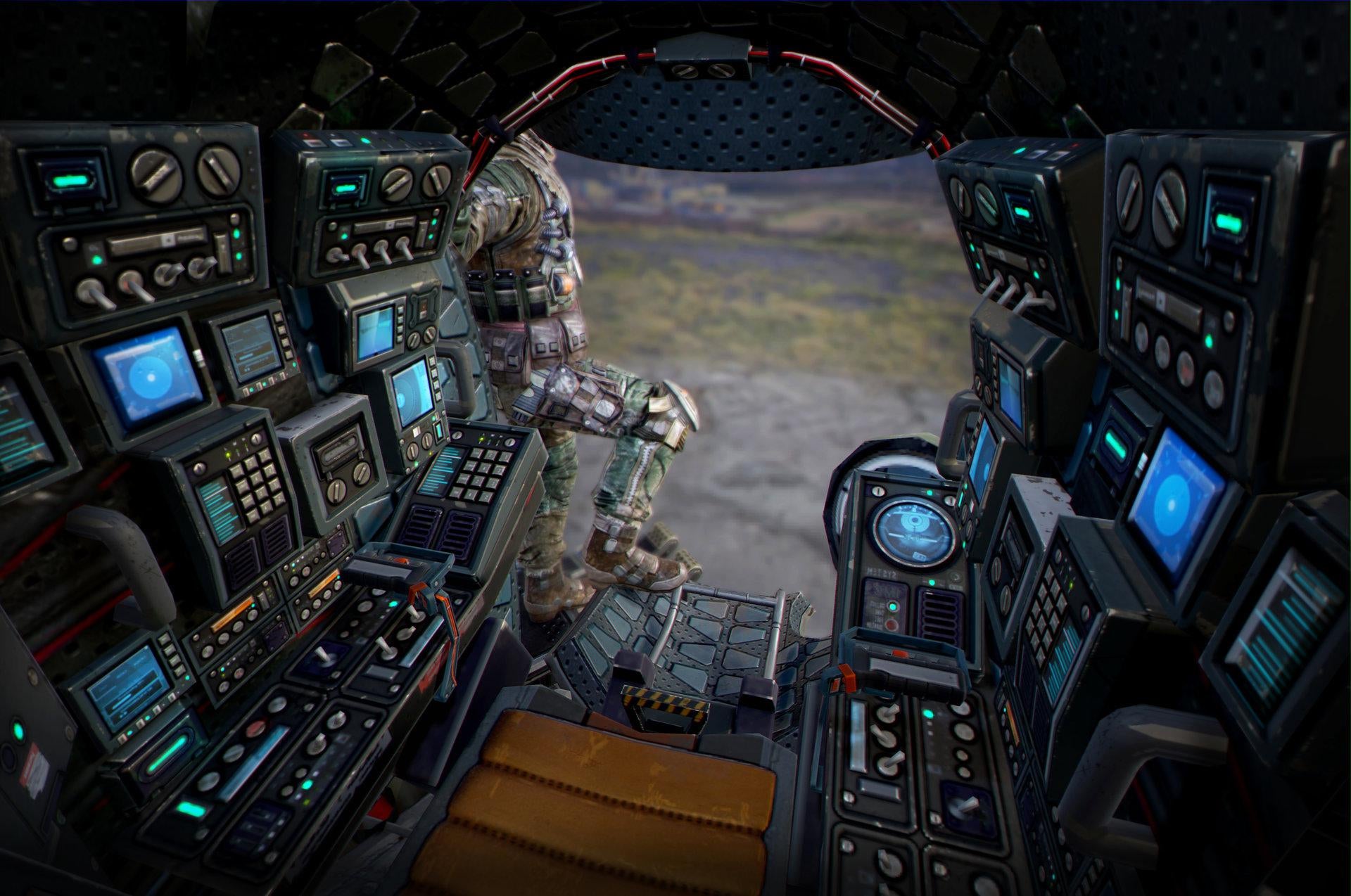
Quick Answer: What Is AI Mecha Roleplay?
AI mecha roleplay is interactive storytelling where an AI game master runs a giant-robot campaign, narrating combat, voicing pilots and factions, and tracking your mech's condition, so you can play solo, at any pace, with full creative control.
Key capabilities:
- Persistent tracking of mech loadouts, damage states, ammunition, and repair costs
- Distinct, consistent NPCs: commanding officers, rival aces, mechanics, and enemy factions
- Freeform tactical combat where positioning, heat, and risk shape the outcome
- Campaigns in any setting, from gritty military sci-fi to operatic super-robot battles
Why Mecha Roleplay Is Hard to Get Right
AI-driven interactive fiction is growing quickly. Players increasingly want stories that react to their choices instead of following a fixed script.
**$12.5 billion**: [Projected size of the AI roleplay chatbot market by 2035, up from $2.24 billion in 2025](https://www.wiseguyreports.com/reports/ai-roleplay-chatbot-market)
**$5.8 billion**: [Projected AI in gaming market size for 2026, growing to $51.3 billion by 2033](https://www.grandviewresearch.com/industry-analysis/ai-gaming-market-report)
$2.21 billion: Generative AI in gaming market size in 2026, with "scenarios and stories" and non-player characters among its core functions
Market research also points to rising demand for rich narratives, dynamic environments, and more sophisticated NPC interactions. Mecha fans feel this gap more than most.
As one reviewer of mech strategy games puts it, giant machines "should feel heavy, expensive, complicated, and slightly terrifying to lose". That feeling depends on details like armor, heat, positioning, pilots, and damaged components.
But getting that depth in a roleplay format is frustratingly difficult:
- Tabletop campaigns need a group and a GM. Systems like Mekton Zeta are praised for running "real robot" games with a robust mecha creation system. Those systems still need a game master, a regular schedule, and players who share your taste in subgenre.
- Rules complexity scares people off. Players regularly ask communities for mecha RPGs with good mechanics that aren't overly complex. Crunchy systems can bury the story under bookkeeping.
- Video games lock the narrative. Mech titles deliver great combat, but you can't negotiate with a defecting enemy pilot or rewrite a faction war.
- Generic AI chat loses the thread. Industry analysis notes that generative models can produce inconsistent, repetitive, or contextually inappropriate dialogue, characters, and storylines. In practice, your mech's missing left arm reappears three scenes later.
This is exactly what a dedicated AI game master was built for.
Why Roleplay Game Master Works for Mecha Campaigns
Roleplay Game Master is an immersive roleplay partner built around two things mecha campaigns need: unlimited memory and consistent characters. It works as your game master, your opposing force, and your supporting cast. It also remembers what happened in the battles you fought last week.
You set the tone, whether that is grim attrition warfare, high-school pilots in experimental frames, or a mercenary outfit scraping by on salvage. The AI adapts. You get complete creative freedom with the continuity of a long-running tabletop campaign.
| Traditional Approach | Roleplay Game Master |
|---|---|
| Find and schedule a tabletop group and GM | Play solo, whenever you want, for as long as you want |
| Learn a rules-heavy system before your first sortie | Describe the mechanics you care about in plain language |
| Scripted video game campaigns with fixed endings | Open-ended story shaped entirely by your choices |
| Generic chatbots forget loadouts and NPCs | Unlimited memory keeps mech status and relationships intact |
| One setting per game or rulebook | Any mecha subgenre, any setting, switch anytime |
It Remembers Your Machine and the Repair Bill
Much of mecha's appeal is logistical. In BattleTech, a mission's end means you still pay salaries, repair machines, replace equipment, and decide whether salvage was worth more than payment.
The AI game master tracks this layer for you, including damaged actuators, depleted missile racks, and the contract that barely covered your losses. It also remembers the favor you owe a black-market parts dealer.
Characters Who Stay in Character
A rival ace who taunts you on open comms in session one should still hold that grudge in session twelve. The same goes for your commanding officer's quiet distrust and your mechanic's habit of naming every frame she rebuilds.
Consistency is what turns NPCs into people. It is also what makes betrayals, defections, and battlefield deaths land.
Any Mecha Subgenre, Your Rules
Some players want Gundam-style war drama, as seen in indie projects
. Others want super-robot spectacle with combining frames and named finishing moves. Still others want hard sci-fi with reactor heat management.You can define house mechanics up front, such as heat thresholds, armor facing, and pilot injuries. The AI applies them throughout the campaign.
Combat With Consequences
Tactical depth comes from tradeoffs. Turning a damaged flank away from enemy fire, overheating to land one more volley, or abandoning a crippled frame to save the pilot are all meaningful choices.
The AI narrates each exchange cinematically while respecting the state of both machines, so victories feel earned and losses stick.
Example prompts:
"Start a mercenary mecha campaign. I command a four-mech lance on a frontier world, we're broke, and our next contract is escorting a convoy through contested territory. Track damage, ammo, and our company funds."
"I'm a teenage test pilot for an experimental frame that syncs with my nervous system. Give me a rival ace from the enemy side who becomes more personal with every encounter."
"Run a kaiju defense campaign. My mech is slow and heavily armored, and the city's civilians are still evacuating when the first creature makes landfall."
Related Agents You'll Also Find Useful
Mecha campaigns often grow beyond the cockpit. These agents cover the work around your roleplay.
Character Creator If you want a fully realized pilot or squad before your first sortie, this expert character designer builds roleplay-ready characters and OCs. You can generate one quickly or work through a guided build.
- Quick-gen or step-by-step character builds
- Media research for genre-authentic designs
- Character portraits across genres
Creative Fiction Writer If your campaign has produced a story worth telling, this storytelling partner helps turn session logs into polished original fiction.
- Deep research for authentic worlds and military detail
- Expert editorial feedback on structure and pacing
- Polished prose from first draft to final manuscript
Manga Creator Mecha and manga share deep roots. This agent helps you adapt your campaign's best battles into visual storytelling.
- Panel flow and visual storytelling expertise
- Consistent art style across chapters
- Scales from one-shots to serialized epics
Try the AI game master free, with no credit card required.
How to Start an AI Mecha Roleplay Campaign
Step 1: Define Your Setting and Tone
Open the AI game master and describe the world in two or three sentences. Cover the era, the conflict, and how grounded or operatic you want it to feel.
"Gritty real-robot setting. A colonial independence war, mechs are scarce and expensive, and pilots rarely survive more than a year."
Step 2: Build Your Pilot and Mech
Give your pilot a background, a flaw, and a reason to fight. Then describe the machine: weight class, primary weapons, quirks, and visible battle damage.
"My pilot is a disgraced former officer. Her mech is a salvaged medium frame with a rotary cannon, a shoulder missile pod, and a left knee that locks up under heavy load."
Step 3: Set the Mechanics You Want Tracked
Tell the AI which systems matter to you. Light play might track only damage. Heavier campaigns can include heat, ammunition, armor facing, funds, and pilot injuries.
"Track armor by location, heat buildup after sustained fire, missile ammo, and company funds. Warn me when I'm close to overheating."
Step 4: Launch Your First Sortie
Ask for a mission briefing and play it out turn by turn. Describe maneuvers, targets, and radio calls. The AI responds with enemy actions, environmental hazards, and consequences.
"Brief me on the convoy escort. Once we deploy, I'm taking the ridge for overwatch and sending my scout mech ahead through the canyon."
Step 5: Continue the Campaign Across Sessions
Come back days or weeks later and pick up where you stopped. Repairs, debts, injuries, and rivalries all carry forward, so the next contract builds on everything before it.
"Recap our lance's status and finances, then show me the contracts available at the next port."
Mecha Roleplay Use Cases and Results
💼 Running a Mercenary Company
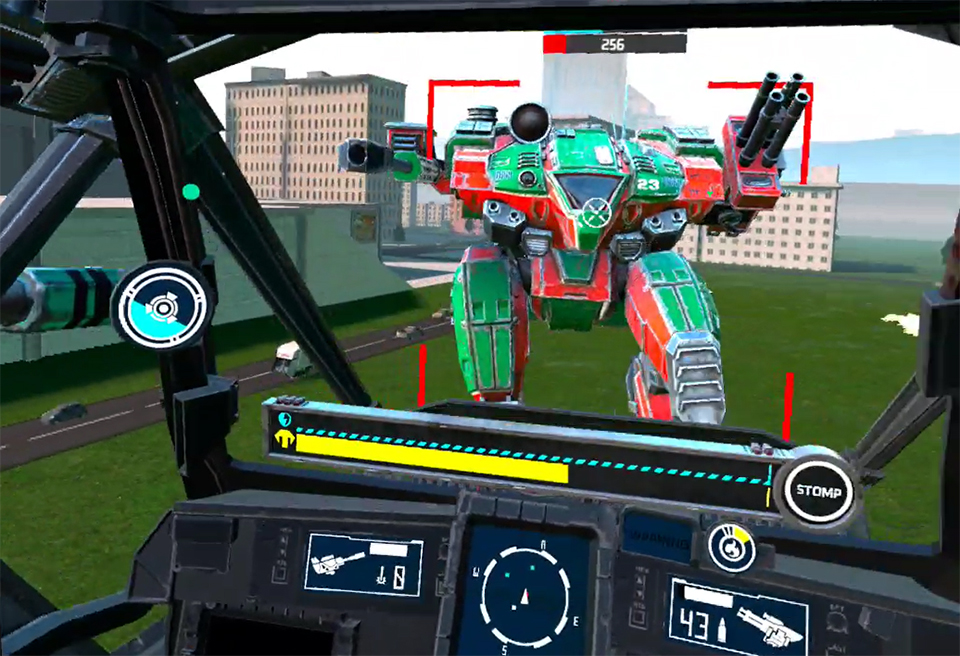
Scenario: A BattleTech fan wants the mercenary-management experience in an original setting, with negotiated contracts, salvage rights, and pilots who level up or die.
Traditional Approach: Recruit a tabletop group, learn a full rules system, and have someone track company finances between sessions. In practice, that usually means hours of prep and paperwork.
With the AI game master: The campaign launches in minutes. Funds, salvage, and lance condition persist automatically, and contract negotiations play out as dialogue with distinct employers.
- Long-term consequences without manual bookkeeping
- Employers and rivals remember past dealings
- Pilot development tracked across the whole campaign
⚔️ Writing a War Drama Through Play
Scenario: A player wants a character-driven war story with a rival enemy ace, morally gray commanders, and a slowly unraveling conspiracy.
Traditional Approach: Video games offer fixed narratives, and solo journaling games require you to invent every twist yourself.
With the AI game master: The rival ace develops across encounters, and the conspiracy reveals itself based on what you investigate.
- Consistent NPC motives make betrayals hit harder
- Narrative branches emerge from your actual decisions
- Story beats build on everything that came before
📱 Quick Sorties on Mobile
Scenario: A commuter wants to play one engagement during a 25-minute train ride, then continue at home on a laptop.
Traditional Approach: Mobile mech games offer short matches but no persistent story, and tabletop sessions can't fit into a commute.
With the AI game master: The campaign runs on iOS or Android with full feature parity. Speech-to-text handles voice commands, and the session picks up seamlessly on desktop.
- One continuous campaign across devices
- Voice input for hands-free radio chatter
- Short sessions that still advance the larger story
🎯 Designing an Original Squad Before Deployment
Scenario: A player wants a full squad of original pilots, each with a distinct look, backstory, and combat role, before starting the campaign.
Traditional Approach: Hours of brainstorming, character sheets, and reference searching.
With a dedicated character design agent plus the AI game master: Squad members are designed with portraits and backstories first, then imported into the roleplay as fully realized characters.
- Visual references for every pilot
- Backstories that create built-in plot hooks
- Smooth handoff from design to live campaign
Frequently Asked Questions
Can AI run a full mecha roleplay campaign solo?
Yes. An AI game master narrates missions, controls enemy forces, voices NPCs, and adjudicates combat outcomes, so you can play a complete mecha campaign without a group. Long-running campaigns work best when the AI has persistent memory, because mecha stories depend on tracking damage, salvage, and relationships over many sessions. Without that memory, repairs and rivalries reset and the stakes fall flat.
Is Roleplay Game Master free to use?
Roleplay Game Master is free to start, with all core features and limited usage. Players running longer or more frequent campaigns can upgrade to paid plans starting at $20 per month for 30× the free usage, with higher tiers available. Usage resets monthly on your billing date, and there are no daily caps, so you can play extended sessions whenever you want.
Can AI track mech damage, heat, and loadouts?
Yes. You can tell the AI which mechanics to track, such as location-based armor, heat buildup, ammunition, pilot injuries, or company funds, and it applies them throughout the campaign. Lighter campaigns can track only general damage. Heavier campaigns can approximate the tactical depth of mech strategy games, where armor facing and component damage shape every engagement.
How is AI mecha roleplay different from mech video games?
Mech video games deliver polished visuals and real-time combat but follow designer-written stories with fixed outcomes. AI mecha roleplay trades graphics for narrative freedom. You can negotiate with enemies, defect to another faction, design original machines, or steer the war in directions no script anticipated. Many players enjoy both, using games for action and roleplay for story.
Does AI mecha roleplay work on mobile?
Yes. Campaigns run on web, iOS, and Android with full feature parity, and your progress syncs across devices. You can play a quick engagement on your phone during a commute and continue the same campaign on desktop later. Speech-to-text also lets you issue commands and radio calls by voice instead of typing.
Can I turn my mecha campaign into a manga or comic?
Yes. Once your campaign produces memorable battles and characters, you can adapt them into visual stories. A dedicated manga creation agent helps with panel flow, visual storytelling, and consistent art style, from single one-shots to longer serialized chapters. It is a natural next step for players whose campaigns grow into stories worth sharing.
Start Your Mecha Campaign
Mecha stories work when machines feel heavy, pilots feel human, and every battle leaves a mark. Tabletop groups are hard to schedule, video games lock the narrative, and generic chatbots forget what happened three scenes ago. AI mecha roleplay with persistent memory solves all three problems, giving you a giant-robot campaign that grows with every sortie.
Whether you want to run a mercenary company, fight a personal war against a rival ace, or hold the line against kaiju, an AI game master gives you the continuity and creative control to play it your way.
Start your first sortie with Roleplay Game Master now. Explore more at Jenova.
For Developers: Roleplay Game Master is available programmatically via the Jenova API, so you can integrate persistent, character-consistent roleplay into your game or interactive fiction app with a single API call. Full documentation →