AI Manga Scene Generator: Create Complete Visual Narratives from Text Descriptions in 2026
2026-02-24
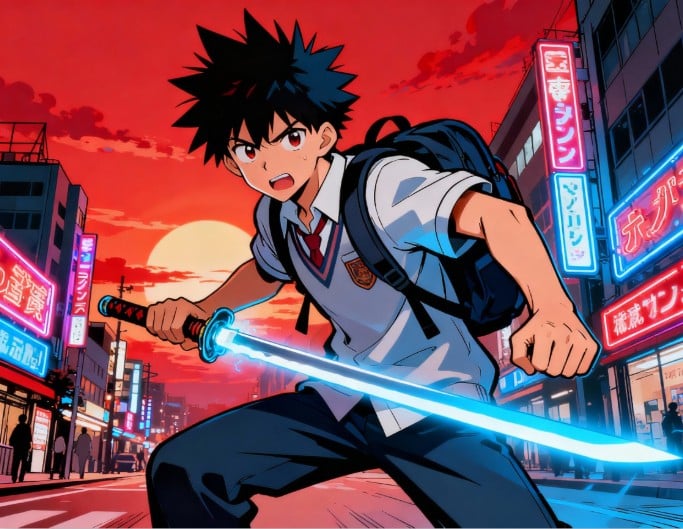
The global manga market is projected to grow from USD 19.35 billion in 2025 to USD 56.38 billion by 2031—a remarkable 19.52% CAGR that reflects manga's transformation from niche Japanese export to global entertainment mainstay. Meanwhile, AI technology has matured to the point where the focus is shifting from simple image generation to complex storytelling, fluid animation, and stylistic consistency.
An AI manga scene generator transforms how creators produce complete visual narratives. Powered by frontier AI models including GPT-5.2, Claude Opus 4.5, Gemini 3 Pro, and Grok 4.1, these tools convert text descriptions into fully realized manga scenes—complete with character positioning, environmental details, emotional atmosphere, and proper panel composition.
What you'll learn:
- How AI manga scene generators work and why they're transforming visual storytelling
- The specific pain points these tools solve for independent creators
- Step-by-step workflows for creating scenes from concept to finished panels
- Which specialized agents handle different scene types and styles
Quick Answer: What Is an AI Manga Scene Generator?
An AI manga scene generator is a specialized tool that creates complete manga scenes—including character placement, backgrounds, lighting, atmosphere, and emotional tone—from text descriptions, transforming narrative concepts into visual storytelling without requiring drawing skills.
Key capabilities that distinguish quality AI manga scene generators:
- Scene composition that places characters naturally within environments
- Atmospheric rendering capturing mood through lighting, weather, and visual effects
- Character consistency maintaining identical appearances across multiple scenes
- Dynamic action sequences with proper motion lines, impact effects, and visual pacing
- Emotional beat visualization translating narrative tension into visual storytelling
The Manga Creator on Jenova functions as a dedicated mangaka partner—handling scene composition, character placement, and atmospheric rendering while you focus on narrative direction.
The Problem: Why Manga Scene Creation Remained So Difficult
Despite the booming market, aspiring creators faced substantial barriers in producing complete manga scenes that combine characters, environments, and emotional atmosphere into cohesive visual narratives.
🎬 The Scene Composition Challenge
Creating a manga scene requires simultaneous mastery of multiple visual elements:
Visual Elements Required:
- Character positioning and body language
- Background and environment integration
- Lighting and atmospheric effects
- Panel composition and visual flow
- Emotional tone through visual cues
According to Technavio's 2025 market analysis, the manga market is estimated to grow by USD 28.15 billion from 2025-2029 at a 22.7% CAGR—yet the multi-skill burden continues to exclude independent voices from this expanding industry.
💰 The Prohibitive Cost of Professional Scene Illustration
Professional manga scene illustration remains financially out of reach for most independent creators:
Professional manga illustration costs $50-$300 per page for black-and-white work, with complex scenes requiring additional background artist fees. — Vox Illustration
For a standard 100-page manga volume, professional illustration costs range from $5,000-$30,000 in illustration costs alone—prohibitive for creators testing story concepts or building audiences.
⏱️ The Time Investment
Even experienced mangaka struggle with scene production timelines:
- Character-only panels: 1-2 hours per panel
- Simple background scenes: 3-4 hours per panel
- Complex action sequences: 6-8+ hours per panel
- Establishing shots with detailed environments: 8-12+ hours per panel
For independent creators working part-time, completing a single chapter with varied scene types can take weeks or months.
🎭 The Character-Environment Integration Problem
Perhaps the most challenging aspect of scene creation is seamlessly integrating characters into environments. Characters must:
- Interact naturally with their surroundings
- Cast appropriate shadows and reflections
- Maintain consistent scale and perspective
- Express emotion through body language that fits the scene context
Without systematic reference management and technical skill, scenes feel disconnected—characters floating in front of backgrounds rather than inhabiting them.
The Jenova Solution: AI-Powered Manga Scene Generation
| Traditional Approach | AI Manga Scene Generator |
|---|---|
| 3-8 hours per complex scene | Minutes per scene |
| $50-$300 per page for professional art | Unlimited generation with subscription |
| Separate skills for characters vs. backgrounds | Integrated scene composition |
| Manual consistency tracking | Automatic reference system |
| Limited style flexibility | Five distinct manga style templates |
| Character-environment disconnect | Seamless integration |
How Jenova Addresses Each Pain Point
The Scene Composition Challenge → Intelligent Composition
The Manga Creator handles scene composition automatically. Describe the narrative moment, and the AI positions characters, renders environments, and establishes atmosphere:
"Kenji stands at the edge of a cliff overlooking a burning village at sunset. His fists are clenched, cape billowing in the wind. The scene conveys determination mixed with grief."
The Cost Barrier → Subscription Access
Instead of per-page artist fees, Jenova offers unlimited access to frontier AI models. Create as many scene iterations, angle variations, and atmospheric experiments as your project requires.
The Time Investment → Rapid Generation
What takes professional artists hours per scene, AI generates in minutes. Iterate on compositions, experiment with lighting, and produce complete scenes in a fraction of traditional timelines.
The Character-Environment Integration Problem → Unified Generation
The Manga Creator generates characters and environments together, ensuring natural integration. Characters cast appropriate shadows, interact with scene elements, and maintain proper scale and perspective.
Specialized AI Agents for Manga Scene Generation
Manga Creator — Your Personal Mangaka
The dedicated manga creation agent supporting complete scene generation workflows:
- 5 Professional Styles: Shonen, Shoujo, Seinen, Slice-of-Life, Chibi
- Scene Composition Mastery: Character placement, background integration, atmospheric effects
- Character Reference Sheets: Lock in designs for visual consistency across scenes
- Plot Memory Engine: Maintains story continuity and scene context across 200+ pages
- Dynamic Action Sequences: Speed lines, impact effects, motion blur
Best for: Complete manga production with integrated scene generation
Comic Creator — Western Comic Scene Aesthetics
For creators working in Western styles with different scene conventions:
- Bold visual style templates: Superhero, Noir, Indie, Franco-Belgian, Cartoon, Realistic
- Dynamic scene composition for action-oriented storytelling
- Cinematic framing inspired by film techniques
- Long-form support: Single issues to graphic novel sagas
Best for: Superhero action scenes, noir atmospherics, Western indie comics
Webtoon Creator — Mobile-First Scene Design
Optimized for platforms like LINE Webtoon, Tapas, and Lezhin:
- Vertical scroll scene composition optimized for mobile viewing
- Full-color scene rendering matching webtoon aesthetic standards
- Episode hooks through strategic scene placement
- Platform-ready exports for major webtoon services
According to Mordor Intelligence, webtoons are projected to expand at a 35.62% CAGR through 2031.
Creative Fiction Writer — Scene Development Partner
Before visual production, develop your scene foundation:
- Deep research integration for authentic world-building
- Scene blocking and pacing guidance
- Emotional beat mapping
- Editorial insight for impactful visual storytelling
How It Works: From Text Description to Finished Scene
Step 1: Define Your Scene Context
Begin by establishing the narrative context for your scene. The more detail you provide, the more accurate your results.
"Chapter 3, Scene 7: The confrontation in the abandoned warehouse. It's midnight, rain is pouring outside. Kenji faces the villain Raven across a debris-strewn floor. Broken skylights let in shafts of moonlight. The tension is at its peak—this is the moment before the fight begins."
The Creative Fiction Writer can help expand this into detailed scene breakdowns with emotional beats and visual cues.
Step 2: Select Your Style Template
Choose from professional art style templates that affect scene rendering:
| Template | Scene Characteristics |
|---|---|
| Shonen Action | Dynamic angles, dramatic lighting, intense atmosphere, speed effects |
| Shoujo Romance | Soft lighting, floral effects, emotional close-ups, dreamy backgrounds |
| Seinen Dramatic | Heavy shadows, cinematic composition, detailed environments, mature atmosphere |
| Slice-of-Life | Warm lighting, cozy interiors, realistic everyday settings |
| Chibi/Comedy | Exaggerated reactions, simplified backgrounds, playful atmosphere |
Step 3: Character Reference Loading
Before generating story scenes, ensure your character references are established:
- Character Reference Sheets — All significant characters in neutral poses with labels
- Expression Sheets — Key emotional states for each character
- Costume References — Detailed views of signature outfits
These references anchor every subsequent scene generation, preventing the character inconsistency that typically plagues AI art projects.
Step 4: Scene Generation
For each scene, the Manga Creator:
- Analyzes your scene description for key elements
- Positions characters based on narrative context
- Renders environment with appropriate atmosphere
- Applies lighting and visual effects matching emotional tone
- Integrates all elements into cohesive composition
- Reviews output against quality criteria before presenting
Step 5: Iteration and Refinement
Request adjustments to any scene element:
"Move Kenji slightly to the left to create more negative space. Increase the rain intensity. Add more debris in the foreground to create depth. Make Raven's silhouette more menacing."
The Manga Creator maintains awareness of your project state, ensuring changes propagate correctly through subsequent scenes.
Scene Types and Generation Approaches
Action Sequences
Key elements:
- Dynamic character poses with motion blur
- Speed lines and impact effects
- Environmental destruction and debris
- Dramatic camera angles (low angle, Dutch tilt)
- Sequential flow showing movement progression
"Generate a three-panel action sequence: Panel 1 - Kenji launches from the ground, dust exploding beneath his feet. Panel 2 - Mid-air, his fist pulled back, speed lines radiating from his trajectory. Panel 3 - Impact moment, Raven blocking with crossed arms, shockwave rippling outward."
Emotional Moments
Key elements:
- Close-up framing on faces and expressions
- Atmospheric lighting matching emotional tone
- Symbolic visual elements (falling petals, rain, sunlight)
- Negative space for emotional weight
- Subtle body language cues
"Generate a quiet emotional scene: Maya sits alone on a park bench at dusk. Cherry blossoms fall around her. She's holding a letter, her expression a mix of hope and sadness. Warm golden light from the setting sun creates a bittersweet atmosphere."
Establishing Shots
Key elements:
- Wide-angle environmental views
- Architectural and landscape detail
- Time-of-day and weather indication
- Scale reference for world-building
- Atmospheric perspective for depth
"Generate an establishing shot: The floating city of Aetheria at dawn. Massive stone platforms connected by suspension bridges, waterfalls cascading into clouds below. Airships dock at distant towers. The scene conveys wonder and scale."
Conversation Scenes
Key elements:
- Character positioning reflecting relationship dynamics
- Background that contextualizes the conversation
- Varied shot composition (over-shoulder, two-shot, reaction shots)
- Body language conveying subtext
- Consistent lighting across the scene
"Generate a conversation scene: Kenji and his mentor sit across from each other in a traditional tea room. The mentor is calm, pouring tea. Kenji is tense, leaning forward. The scene conveys a difficult truth being shared."
Results & Use Cases
📚 The Aspiring Mangaka
Scenario: Writer with a 200-chapter shonen epic planned but no artistic collaborator
Traditional Approach: Search for artist partners (months), negotiate revenue splits, risk project abandonment when collaborators leave
With the Manga Creator:
- Generate complete scenes with consistent characters and environments
- Maintain visual continuity across your entire series
- The plot memory engine tracks scene context and character states
- No dependency on external collaborators
🎬 The Visual Novel Developer
Scenario: Creating background scenes and character poses for a visual novel
Traditional Approach: Commission separate background artists and character artists, coordinate style consistency
With AI manga scene generation:
- Generate scene backgrounds with appropriate atmosphere
- Create character poses that integrate naturally with environments
- Maintain consistent style across all visual assets
- Iterate based on playtester feedback without additional costs
📱 The Webtoon Entrepreneur
Scenario: Producing weekly episodes for digital platforms
According to Data Insights Market, the manga market is experiencing a surge in digital adoption, with the shift towards digital formats driven by convenience and accessibility offered by online platforms.
With the Webtoon Creator:
- Generate full-color scenes optimized for vertical scroll
- Maintain scene consistency across weekly episode updates
- Create seasonal and time-of-day variations efficiently
- Meet upload schedules without production bottlenecks
🎯 The Storyboard Artist
Scenario: Creating visual storyboards for animation or film pitches
With AI manga scene generation:
- Rapidly visualize scene concepts for client review
- Generate multiple angle and composition options
- Iterate based on director feedback in real-time
- Produce polished presentation materials
2026 Market Context: Why AI Manga Scene Generators Have Arrived
📈 A Booming Industry Hungry for New Voices
The global manga market has reached unprecedented scale:
The market is expected to grow from USD 19.35 billion in 2025 to USD 23.12 billion in 2026 and is forecast to reach USD 56.38 billion by 2031 at a 19.52% CAGR. — Mordor Intelligence
According to Technavio:
"AI image generators bring characters to life, while digital books and e-books offer accessibility and convenience. Anime adaptations and cross-media collaborations broaden reach, and manga's diversity and inclusivity resonate on social media platforms."
Key market dynamics:
- Digital formats account for 72.12% of consumption with continued growth
- Asia-Pacific contributes 79% of revenue, but global expansion accelerates
- AI is redefining the market landscape according to industry analysts
🤖 The Shift from Image Generation to Storytelling
According to Charleston Gazette-Mail's 2026 AI anime trends analysis:
"As technology matures, the focus is shifting from simple image generation to complex storytelling, fluid animation, and stylistic consistency."
This shift directly benefits scene generation—the technology now understands narrative context, emotional beats, and visual storytelling conventions rather than simply producing isolated images.
🎨 Character Consistency Across Scenes Is Solved
According to Data Insights Market's manga industry analysis:
"The rise of AI-assisted art and content generation tools presents both opportunities and ethical considerations for creators and publishers."
Key technological developments enabling scene generation:
- Identity Embedding: Mathematical "fingerprints" from reference images capturing character essence
- Scene Context Understanding: AI models that comprehend narrative relationships between elements
- Style Consistency: Maintaining visual coherence across varied scene types
- Multi-Subject Handling: Managing multiple consistent characters within complex scenes
📊 Industry Adoption Accelerating
According to Technavio's market analysis:
"The Manga Market is thriving with trends in digital content, including AI image generators, enhancing the creation process of comic books and graphic novels. Artificial intelligence also aids in translation and cross-media collaborations."
The integration of AI into manga production workflows has moved from experimental to mainstream, with scene generation among the most impactful applications.
Frequently Asked Questions
Can AI really generate complete manga scenes with characters and backgrounds integrated?
Yes—this is a core capability of modern AI manga scene generators. The Manga Creator generates characters and environments together, ensuring natural integration. Characters cast appropriate shadows, interact with scene elements, and maintain proper scale and perspective within their environments.
How does the AI maintain character consistency across different scenes?
The system uses a reference image architecture. Before generating story scenes, you create character reference sheets showing each character in neutral poses and key expressions. These references are loaded with every subsequent scene generation, ensuring visual consistency across your entire project—even across varied scene types and environments.
What scene types can I create?
The Manga Creator supports all major scene types: action sequences (with speed lines and impact effects), emotional moments (with atmospheric lighting and symbolic elements), establishing shots (with detailed environments and scale), conversation scenes (with natural character positioning), and transitional scenes (with time-of-day and weather variations).
Can I control the atmosphere and mood of generated scenes?
Yes. Scene atmosphere is controlled through your text descriptions. Specify lighting conditions, weather, time of day, emotional tone, and visual style. The AI interprets these cues to generate scenes with appropriate atmosphere—from tense midnight confrontations to warm sunset reunions.
What AI models power scene generation?
Jenova provides unified access to frontier AI models including GPT-5.2, Claude Opus 4.5, Gemini 3 Pro, and Grok 4.1—all available through a single platform with no vendor lock-in. The platform automatically routes to optimal models based on your task, or you can manually select your preferred model.
How does pricing work?
Jenova offers tiered subscriptions from Free (limited usage) through Ultra ($500/month for 750× usage). Most independent creators find Plus ($20/month) or Premium ($50/month) sufficient for regular production schedules. No per-scene fees, no hidden costs—your full usage limit is available from day one each billing cycle.
Conclusion
The manga industry's explosive growth—projected to reach USD 56.38 billion by 2031—combined with the maturation of AI from simple image generation to complex storytelling and stylistic consistency has eliminated the barriers that historically locked independent creators out of visual storytelling.
What once required separate skills for character illustration, background art, and scene composition—costing $50-$300 per page and taking hours per complex scene—is now accessible to anyone with a story to tell.
With Jenova's specialized agents—Manga Creator for complete visual storytelling, Comic Creator for Western aesthetics, and Webtoon Creator for mobile-first vertical formats—your text descriptions become complete visual narratives.
Your action sequences will have proper motion and impact. Your emotional moments will carry atmospheric weight. Your establishing shots will build immersive worlds.
The story you've been imagining? The scenes are ready to bring it to life.