AI Manga Panel: Master Sequential Art with Consistent Characters and Dynamic Layouts
2026-02-25
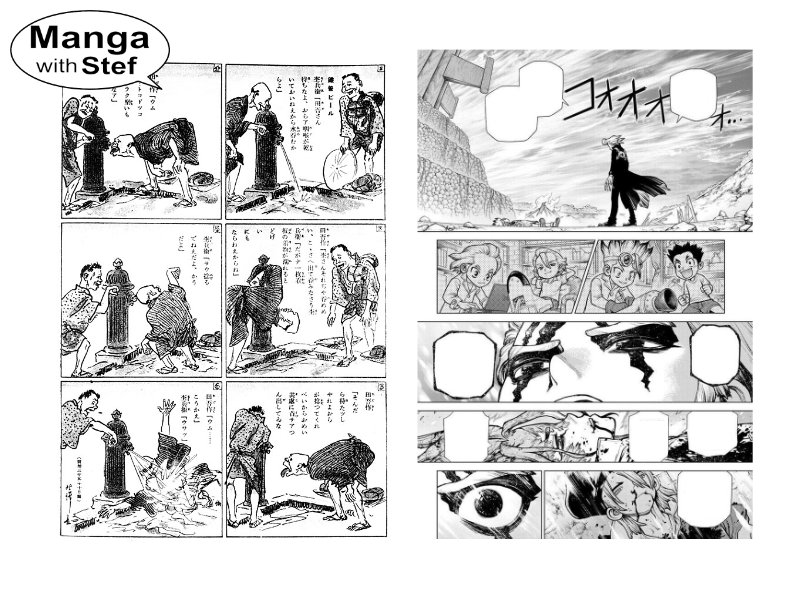
The global manga market is expanding from USD 19.35 billion in 2025 to USD 23.12 billion in 2026—a remarkable 19.52% CAGR projected to reach USD 56.38 billion by 2031, according to Mordor Intelligence. Simultaneously, AI manga panel technology has evolved from experimental curiosity to production-ready creative tool, enabling storytellers worldwide to produce professional sequential art with authentic panel flow and consistent characters—without years of artistic training.
Jenova's Manga Creator addresses the fundamental challenge that has historically locked independent creators out of visual storytelling: generating professional manga panels with consistent characters, dynamic layouts, and narrative-driven pacing across entire projects. Powered by frontier AI models including GPT-5.2, Claude Opus 4.5, Gemini 3 Pro, and Grok 4.1, these specialized agents understand the unique grammar of Japanese sequential visual narrative.
Why AI manga panel tools have arrived:
- ✅ Character consistency solved through reference sheet systems and identity embedding
- ✅ Five professional art style templates (Shonen, Shoujo, Seinen, Slice-of-Life, Chibi)
- ✅ Panel flow optimization for authentic manga reading rhythm
- ✅ No drawing skills required—story-first workflow
Quick Answer: What Is an AI Manga Panel Generator?
An AI manga panel generator is a specialized tool that creates professional manga panels with consistent art styles, character designs, and dynamic compositions through guided sequential art creation—understanding the visual grammar of Japanese comics.
Key capabilities that distinguish AI manga panel tools from generic image generators:
- Panel flow and visual pacing optimized for sequential storytelling
- Character reference systems that lock appearances across entire projects
- Style templates matching major manga traditions (Shonen, Shoujo, Seinen)
- Dynamic action choreography with speed lines, impact frames, and emotional beats
- Screentone usage and visual grammar of professional sequential art
The Manga Creator specializes in maintaining these elements across one-shots to 200+ page serialized epics—solving the biggest pain point in AI-assisted visual storytelling.
The Problem: Why Manga Panel Creation Remains So Difficult
Despite the booming market, aspiring creators face significant barriers that have historically locked independent voices out of visual storytelling.
💰 The Prohibitive Cost Barrier
Professional manga panel creation remains financially out of reach for most independent creators:
$50-$300 per page — Average cost for black-and-white manga illustration from professional artists (Vox Illustration)
$120-$450 per page — Industry standard prices for freelancers per lined page (Tapas Forum)
For a standard 100-page manga volume, professional illustration costs range from $5,000-$30,000 in illustration costs alone—before printing, marketing, or distribution.
⏱️ The Multi-Skill Burden
Creating manga panels requires simultaneous mastery across multiple disciplines:
Visual Skills Required:
- Character design with consistent proportions
- Dynamic action choreography and foreshortening
- Background and environment illustration
- Screentone and shading techniques
Panel-Specific Skills Required:
- Panel composition and layout theory
- Visual pacing and page-turn reveals
- Dialogue placement and balloon flow
- Emotional beat visualization
- Understanding of manga "gutter" timing
According to Story Boards AI's manga layout guide:
"Planning your panel layouts is where you transition from being an illustrator to being a director. You are deciding camera angles, pacing, and the emotional beat of every scene."
🎭 The Character Consistency Nightmare
Perhaps the most challenging aspect of long-form manga creation is maintaining visual consistency. Characters must look identical across hundreds of panels, costumes need to remain accurate, and art styles must stay cohesive throughout entire projects.
According to Anifusion's 2026 AI manga generator comparison:
"Character consistency is the single most important factor for manga creation—and where the differences between these tools become starkest."
Professional studios solve consistency challenges through detailed character model sheets and style guides—resources that solo creators rarely have time to develop and maintain.
The Jenova Solution: AI-Powered Manga Panel Generation
| Traditional Approach | AI Manga Panel Generator |
|---|---|
| $50-$300 per page for professional art | Unlimited panel generation |
| Years of artistic training required | Story-first workflow—no drawing skills needed |
| Weeks per chapter | Pages generated in minutes |
| Manual consistency tracking | Automatic reference system |
| Limited style flexibility | Five distinct art style templates |
| Solo creator burnout | AI handles visual execution while you direct |
🎴 Professional Methodology, AI Execution
The Manga Creator doesn't just generate images—it implements the same structured approach used by professional manga studios:
Reference Image System: Every project begins with establishing visual anchors. The AI generates style exemplars and character reference sheets before any story panels, ensuring consistency from the first frame to the last.
Narrative Tracking: A persistent Story State system tracks your position in the narrative, active plot threads, character states, and continuity notes. This prevents the drift and inconsistency that plagues long-form AI-assisted projects.
Quality Gates: Each generated panel undergoes automatic review against criteria including character consistency, narrative coherence, panel clarity, and style adherence.
🎨 Five Professional Art Style Templates
Choose from templates matched to major manga traditions:
| Template | Best For | Visual Signature |
|---|---|---|
| Shonen Action | Battle manga, sports, adventure | Bold linework, speed lines, dynamic poses |
| Shoujo Romance | Romance, drama, coming-of-age | Soft lines, floral effects, emotional close-ups |
| Seinen Dramatic | Thriller, psychological, horror | Detailed anatomy, heavy shading, cinematic composition |
| Slice-of-Life | Comedy, daily life, food manga | Clean lines, warm expressions, cozy atmosphere |
| Chibi/Comedy | Pure comedy, parody | Super-deformed proportions, exaggerated reactions |
Understanding Manga Panel Layout: The Science of Visual Flow
Before diving into AI tools, understanding the fundamentals of manga panelling ensures you can direct AI generation effectively.
📐 Panel Count by Genre
According to Story Boards AI's manga storyboarding guide, panel counts vary significantly by demographic:
| Genre | Average Panels | Why |
|---|---|---|
| Shonen (Action/Adventure) | 3-5 per page | Action requires large movements and impact |
| Shoujo (Romance/Drama) | 4-7 per page | Emotional nuance, internal monologues, reaction shots |
| Seinen/Josei (Adult) | 5-9 per page | Text-heavy, complex, grid-like structures for information density |
General guideline: Aim for an average of 5 panels. Above 8 panels, ensure they're simple close-ups. If you use 1-2 panels, it should be for a massive reveal or climax.
🎬 The Kishōtenketsu Structure
Professional manga artists apply the Japanese narrative structure Kishōtenketsu not just to stories, but to individual pages:
- Ki (Introduction): The top panel introduces the situation
- Shō (Development): Middle panels develop the action
- Ten (Twist): The largest panel on the page creates impact
- Ketsu (Conclusion): Final panel resolves the page and leads to the next
By structuring manga panel layouts with this rhythm, every page feels satisfying to read—giving your story a "heartbeat."
📖 Controlling the "Gutter"
The space between panels—called the gutter—communicates time passage:
- Vertical gutters (between side-by-side panels) should be narrow — implies short time or simultaneous action
- Horizontal gutters (between top and bottom rows) should be wider — implies passage of time or scene change
The Manga Creator understands these conventions and applies appropriate panel spacing based on your narrative direction.
Specialized AI Agents for Manga Panel Creation
Manga Creator
Your personal mangaka for creating complete stories with visual storytelling, panel flow, and consistent art style—from one-shots to 200+ page serialized epics.
Key Features:
- Dedicated reference sheets that lock character appearances across your entire project
- Panel flow optimization for proper manga reading rhythm
- Five distinct manga styles (Shonen, Shoujo, Seinen, Slice-of-Life, Chibi)
- Plot memory engine that tracks story continuity
- Quality gates that catch consistency issues automatically
Webtoon Creator
Personal webtoon artist for mobile-first storytelling with vertical scroll rhythm, episode hooks, and full-color consistency. According to Mordor Intelligence, webtoons are projected to expand at a 35.62% CAGR through 2031.
Key Features:
- Vertical scroll rhythm optimization
- Episode hooks and cliffhanger pacing
- Full-color consistency throughout series
- Platform-ready exports for WEBTOON, Tapas, and similar platforms
Comic Creator
Personal comic book artist for crafting Western-style stories. Master sequential art, dynamic layouts, and bold visual styles—from single issues to epic graphic novel sagas.
Creative Fiction Writer
Storytelling partner for deep research, editorial insight, and polished prose—perfect for developing your manga's plot, character arcs, and dialogue before visual generation.
How It Works: From Concept to Finished Manga Panels
Step 1: Define Your Story and Characters
Begin by outlining your narrative concept, character profiles, and visual style preferences. The more detail you provide, the more consistent your results.
"I'm creating a shonen manga called 'Spirit Blade' about a young swordsman who can see spirits. The main character Kenji is 16, has spiky black hair with a single white streak, wears a traditional hakama with modern sneakers, and carries an ancient katana that glows blue when spirits are near. His personality is determined but reckless. He has a small scar above his left eyebrow from his first spirit encounter."
Key elements to include:
- Physical attributes (body shape, facial features, hairstyle)
- Clothing or costume details with specific colors
- Personality traits and default mood
- 2-3 "always" accessories (sword, bandana, earring)
- 2 "never" rules (example: "never change hair color; never remove the scar")
Step 2: Style Selection
Choose from professional art style templates. The AI manga panel generator explains how each affects tone and recommends options based on your genre. You can also request style mixing—for example, Shonen Action with occasional Chibi panels for comedic relief.
Step 3: Reference Generation
Before creating story panels, the AI generates essential reference materials:
- Style Exemplar — One page establishing your visual language
- Character Reference Sheets — All significant characters in neutral poses with labels
- Expression Sheets — Key emotional states for each character
- Location References — Recurring important locations (as needed)
These references anchor every subsequent generation, preventing the character inconsistency that typically plagues AI art projects.
Step 4: Panel-by-Panel Creation
For each page, the AI:
- Scripts the page based on your story direction
- Breaks content into panel-by-panel beats (typically 4-7 panels for manga)
- Writes dialogue matching each character's established voice
- Selects appropriate panel layout based on narrative rhythm
- Generates the page with all relevant references loaded
- Reviews output against quality criteria before presenting
Step 5: Iteration and Refinement
Request adjustments to any panel. The Manga Creator maintains awareness of your project state, ensuring changes propagate correctly through subsequent pages. Character evolutions (new scars, costume changes, aging) are tracked with versioned reference sheets.
Results & Use Cases
📚 One-Shot Manga Projects
Scenario: Creating a 30-page standalone manga story
Traditional Approach: 3-6 months of work or $1,500-$9,000 in illustration costs
With AI manga panel generation:
- Complete setup and reference generation in one session
- Panel generation with consistent style throughout
- Professional layouts and dialogue integration
- Ability to iterate and refine without additional costs
💼 Serialized Long-Form Projects
Scenario: Developing a 200+ page ongoing series
Traditional Approach: Requires dedicated assistants, extensive style guides, and months of production per volume
With the Manga Creator:
- Persistent Story State tracking across sessions
- Character reference versioning for visual evolution
- Landmark page tagging for narrative callbacks
- Automatic continuity maintenance across chapters
📱 Webtoon and Digital-First Content
Scenario: Creating vertical-scroll manga for digital platforms
According to Mordor Intelligence, digital formats now account for 72.12% of manga consumption, with online platforms commanding 67.90% of revenue share.
With the Webtoon Creator:
- Flexible panel layouts for vertical scroll formats
- Style templates adaptable to webtoon aesthetics
- Rapid iteration for platform-specific optimization
- Episode-based narrative structures with built-in hooks
🎯 Amazon KDP Self-Publishing
Scenario: Publishing a complete manga volume on Amazon KDP
With AI manga panel tools:
- Generate print-ready pages at proper resolution
- Maintain consistency across the entire volume
- Export in formats compatible with KDP specifications
- Iterate based on print preview feedback
2026 Market Context: Why AI Manga Panel Tools Have Arrived
📈 A Booming Industry Hungry for New Voices
The global manga market has reached unprecedented scale:
The market is expected to grow from USD 19.35 billion in 2025 to USD 23.12 billion in 2026 and is forecast to reach USD 56.38 billion by 2031 at a 19.52% CAGR. — Mordor Intelligence
According to Grand View Research, the market was estimated at USD 10,193.3 million in 2025 and is projected to reach USD 43,856.1 million by 2033, growing at a CAGR of 20.5%.
Key market dynamics:
- Digital formats account for 72.12% of consumption with continued growth
- Asia-Pacific contributes 62.20% of revenue, but South America is growing at 20.85% CAGR
- Shonen titles lead with 39.10% market share, while webtoons expand at 35.62% CAGR
- North America is expected to grow at over 23% CAGR from 2026 to 2033
🤖 The AI Manga Panel Revolution
In January 2026, a watershed moment occurred: according to CBR, a fully AI-generated manga claimed the number one spot on Japan's largest digital comic platform, Comic C'moA. My Dear Wife, Will You Be My Lover?, a four-volume series featuring 100% AI-generated artwork, significantly outperformed established titles like Kingdom.
Mob Psycho 100 manga editor Kazuaki Ishibashi observed:
"Readers don't seem to care whether the artist is AI or not. Perhaps it's only the creators themselves who are concerned. Has this era finally arrived? I expect it will explode in popularity this year."
🎨 Character Consistency Is Finally Solved
According to Business Research Insights, the global AI Comic Generator Market is set to rise from USD 3.01 Billion in 2026 to hit USD 16.88 Billion by 2035, growing at a CAGR of 20.6%.
Several innovations have converged to solve the character consistency challenge:
Identity Embedding: Modern AI models create mathematical "fingerprints" of characters from reference images, capturing facial structure, body proportions, distinctive features, and clothing details.
LoRA Fine-Tuning: Low-Rank Adaptation allows quick, lightweight training on specific characters.
Reference Systems: Dedicated character sheets lock appearances across projects.
Multi-Subject Consistency: Latest models handle multiple consistent characters simultaneously—an entire cast maintaining their unique appearances across all scenes.
🏭 Industry Transformation
According to The Government of Japan's coverage of AI in manga, industry leaders recognize AI's potential:
"AI itself holds only potential. That's why it's important to know how to fine-tune it in a way that creates diverse, appealing kinds of entertainment, which is Japan's forte."
The same source notes that AI can help "break down language barriers"—if AI handles translation, creators can distribute more works overseas while fans worldwide enjoy new releases without delay.
Frequently Asked Questions
Is AI manga panel generation free to use?
The Manga Creator is available through Jenova's platform with free access to core features and limited usage. For extended creation sessions and higher usage limits, paid plans start at $20/month. Visit www.jenova.ai for specific pricing details.
How does the AI maintain character consistency across panels?
The system uses a reference image architecture. Before generating story panels, you create character reference sheets showing each character in neutral poses and key expressions. These references are loaded with every subsequent panel generation, ensuring visual consistency across your entire project—even across 200+ pages.
What AI models power manga panel creation?
Jenova provides unified access to frontier AI models including GPT-5.2, Claude Opus 4.5, Gemini 3 Pro, and Grok 4.1—all available through a single platform with no vendor lock-in.
Can I create manga panels in different visual styles?
Yes. The Manga Creator supports five professional art style templates: Shonen Action, Shoujo Romance, Seinen Dramatic, Slice-of-Life, and Chibi/Comedy. You can also mix styles within a project for different sequences or tonal shifts.
How many panels should I use per page?
It depends on your genre. Shonen typically uses 3-5 panels for dynamic action. Shoujo uses 4-7 panels for emotional nuance. Seinen/Josei uses 5-9 panels for information density. The AI manga panel generator recommends appropriate counts based on your narrative direction and selected style.
Do I need any drawing skills to use AI manga panel tools?
No drawing skills are required. These tools are designed for writers, storytellers, and creators who have compelling narratives but lack traditional artistic training. You direct the visual output through detailed text descriptions, reference images, and iterative refinement.
Can I sell manga created with AI?
Jenova allows commercial use of generated content. However, publishing platforms and marketplaces may have their own policies regarding AI-generated content. Always verify the terms of service for your target distribution platform. For self-publishing on platforms like Amazon KDP, AI-generated content is generally permitted with proper disclosure.
Transform Your Stories Into Professional Manga Panels Today
The manga industry is experiencing unprecedented growth, with the global market projected to reach USD 56.38 billion by 2031 at a 19.52% CAGR. Digital platforms have democratized distribution—with 72.12% of consumption now digital—and AI tools are democratizing creation itself.
The Manga Creator brings professional manga production methodology to anyone with a story to tell. No years of artistic training required. No thousands of dollars in illustration costs. Just your creativity, guided by an AI that understands the craft of visual storytelling.
Whether you're creating standalone character illustrations or developing a serialized epic, discover how AI manga panel generation transforms your stories into professional manga pages—one panel at a time.
Your characters will stay consistent. Your panels will drive the action. Your project state will persist across sessions.
Get started at www.jenova.ai and bring your visual stories to life.