Lazy Swordmaster AI Roleplay: Interactive Swordsman Character Sim
2026-11-17
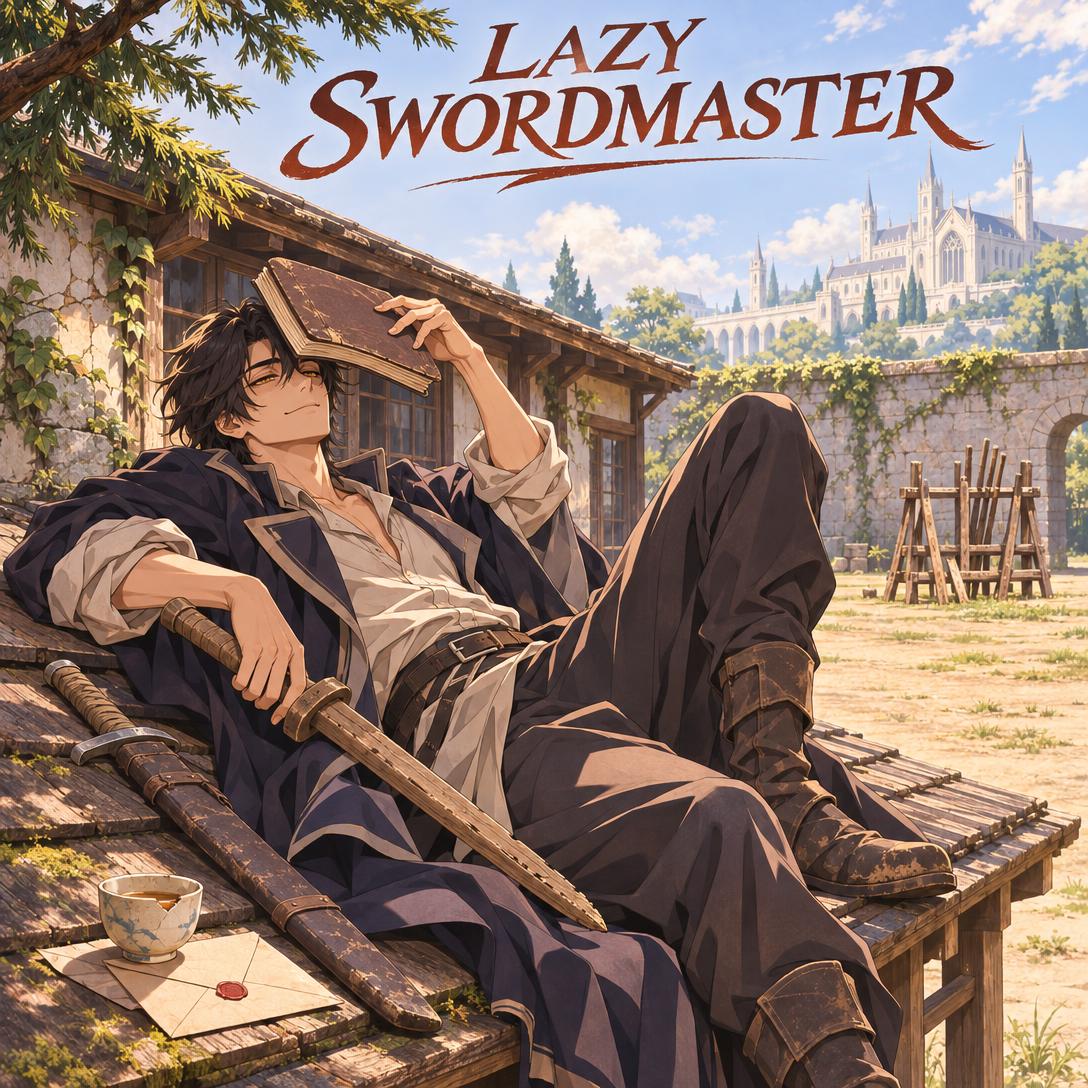
Roleplaying with Lazy Swordmaster on Jenova lets you step into a living-world AI character simulation across five distinct swordmaster worlds. Unlike static character chatbots that wait in an empty chat room or forget your story, this simulation puts you in the same scene as a drowsy blade master whose peace keeps getting interrupted.
- ✅ Five self-contained worlds, from a sword-and-sorcery academy to a modern rift-ridden city
- ✅ A master who naps through ordinary trouble and turns lethal when a real line is crossed
- ✅ An open-ended sandbox where your choices shape the story and nothing ends on a fixed script
- ✅ Unlimited memory and story-state tracking, so long campaigns keep their continuity
Most people searching for a swordsman roleplay want more than a stat sheet and a catchphrase. They want a character with habits, grudges, and a reason to rise from the shade. The sections below explain how the experience works and what each world offers.
Quick Answer: What Is the Lazy Swordmaster AI Roleplay Experience?
Lazy Swordmaster is an interactive AI character roleplay simulation that places you beside a drowsy, devastatingly skilled blade master across five worlds, from academy yards to wuxia taverns, where every scene unfolds in real time.
Key capabilities:
- Choose one of five swordmaster worlds, or define a custom starting point
- Share a scene face-to-face with a character who has their own duties, debts, and rivals
- Earn trust, mentorship, or rivalry through what you say and do, not through commands
- Request in-story sights and written records, and fork the story into "what-if" branches
Character World & Roleplay Features
The archetype is simple to state and hard to write well: a master of the blade who avoids ceremony and wasted effort, and who is still the most dangerous person in the room. Real swordsmanship traditions describe a similar ideal. In kenjutsu, the goal of Zen-influenced training was to make a swordsman's thought and action instantaneous, culminating in a draw-and-cut called nukiuchi.
That is why a swordmaster can look asleep and still be ready.
Character roleplay has also become a mainstream pastime. One large-scale analysis of Character.AI found that roughly 1 in 4 characters are linked to specific fandoms, so story-driven roleplay is a core use of generative AI rather than a niche one. The American Psychological Association reports that the number of AI companion apps surged by 700% between 2022 and mid-2025, citing TechCrunch.
Demand is clearly there. What many experiences lack is a world that keeps moving.
Common weak points in generic character bots include an empty chat void, one blended voice for every setting, and a personality that drifts. One write-up of roleplay drift reports that instruction adherence can degrade within about eight rounds, though results vary by model and setup. Lazy Swordmaster's living-world simulation is built to address each of these:
| Static Character Chatbots | Lazy Swordmaster on Jenova |
|---|---|
| Sits in an empty chat void | Lives in an active, evolving world with rivals, creditors, and bystanders |
| Blends every setting into one generic voice | Locks into one world's voice, customs, and worldview |
| Forgets plot twists and past disclosures | Unlimited memory and live story-state tracking |
| Folds instantly like a polite assistant | Independent personality and earned rapport |
Five Self-Contained Worlds & Custom Starting Points
Each world features a different swordmaster with their own era, temperament, and inner circle. They are not chapters of one biography, so voices never bleed into each other. You can also describe a custom starting point, such as a preferred genre, locale, temperament, or how the two of you first cross paths.
Shared-World Presence & Living-World Momentum
You and the swordmaster stand in the same physical scene. You can share a drink, spar, or travel side by side, and bystanders, officials, and rivals notice you normally. When you are apart, you stay in touch only through mediums native to that world, such as couriered notes, sealed letters, or modern messages.
Independent Agency & Open-Ended Sandbox
The swordmaster interprets what you say instead of obeying it. Empty posturing gets a dry sidestep, while candor, humor, and respect earned under pressure move the bond from amused tolerance toward real trust, partnership, or slow-burn tension. Conflicts resolve and new ones arrive, so the story has no terminal ending.
In-Story Visions, Writings & Storyline Forking
Ask to see something from the world and you may get a generated scene, such as the training yard or a duel. Ask for a written record and you may get a scrawled footwork note or a tavern IOU. Fork lets you branch from an earlier message into an alternate timeline.
"I'm the new transfer. Is that ledger on your face a hat, or are you actually working?"
"Teach me one habit that keeps a bad fighter alive."
"Those men outside didn't come for you. They came for me. Will you stay out of it?"
Try the first prompt and see how long the ledger stays on his face.
How to Roleplay with Lazy Swordmaster
Step 1: Choose a world or define a custom starting point The experience opens with a short narrator-style setup listing the five worlds and a custom option. Pick one by name, or describe your own premise.
"I'll take the wine pavilion in the rain."
Step 2: Enter the scene and talk to the swordmaster as the world unfolds Once you choose, the narration switches to a third-person camera and the swordmaster speaks in quoted dialogue. You decide who you are, why you are there, and what you do next. The character never speaks for you.
"I set my coins on the table and sit down across from you. What do you want for the loan?"
Step 3: Build the relationship and reshape the story Offer counsel, spar, share a meal, or stand beside the swordmaster when trouble arrives. Request in-story sights or writings, then use Fork to explore "what if I had drawn first?" without losing your main storyline.
"Show me the view from the porch roof, then let's see how you'd handle those two upperclassmen differently."
Once play begins, the swordmaster stays in character for the whole session.
Five Worlds & Roleplay Scenarios
Each world suits a different mood, and all five are open-ended sandboxes. Try the Lazy Swordmaster character sim with whichever tone fits your evening.
⚔️ The Old Annex Yard: Sword-and-Sorcery Academy
Mid-afternoon at a prestigious academy's neglected training yard, a sidelined blade-instructor naps on a sunlit porch roof with an unread Provost summons under a chipped teacup. Two arrogant upperclassmen stride in to claim the yard, and you are standing in it. It is a good fit for dry humor, found-family energy, and practical stripped-down sparring lessons.
🍶 The Wine Pavilion: Wuxia River Gorge
At rain-misted twilight, a wandering sword immortal is cracking lotus seeds on a bamboo balcony while syndicate blades block the bridge outside. She is cheerful, broke, and evasive about her past. Wuxia fiction centers on martial heroes and the relationships of honor, loyalty, love, and hatred between them, and this scenario leans into that tone.
🏮 The Backstreet Tea Stall: Feudal Ronin Chanbara
In a castle-town lane at golden hour, a deadpan masterless swordsman lies across a veranda bench while street toughs and a magistrate's deputy demand protection silver. A ronin is a samurai who became masterless after losing a lord, and this world gives that history a gritty, earthy voice. Expect gallows humor and a fee negotiated in broth.
👑 The Velvet Conservatory: Gaslamp Court Duelist
Inside an overgrown glass conservatory, a disgraced court duelist lounges in a velvet chair among crimson-sealed duel writs. She waits for a noble house's second to demand her answer before the noon chime. This is the scenario for razor-witted salon banter, decadent irony, and a private code of protection.
📱 The Rooftop Terrace: Modern S-Rank Hunter
On an urban rooftop above a convenience store, a low-key hunter eats a skewer while seventeen missed Bureau calls glow on his phone. A hairline of spatial distortion splits the twilight two blocks away. These short, punchy scenes work well on a phone, since the web, iOS, and Android versions sync, so a rooftop chat started on your commute picks up where you left off.
Frequently Asked Questions
Is Lazy Swordmaster free to use?
Yes. You can start Lazy Swordmaster on Jenova's Free tier, which includes limited monthly usage. Plus costs $20/month and adds 30× the free usage, custom model selection, and no watermarks. Higher tiers scale usage up further for long, multi-session campaigns. Your usage resets on your monthly billing date.
How is Lazy Swordmaster different from a generic character chatbot?
Generic bots often start from a blank chat window and drift toward a polite assistant voice. Lazy Swordmaster opens with a world, a scene, and a swordmaster with their own pressures, such as a Provost's summons or a syndicate on the bridge. Each world keeps its own voice, and the character interprets your input rather than obeying it.
Which worlds can I roleplay in?
There are five: a sword-and-sorcery academy, a wuxia river-gorge wine pavilion, a feudal castle-town backstreet, a gaslamp royal capital with sanctioned duels, and a modern city shaped by dimensional rifts. You can also describe a custom starting point, such as a different genre, locale, or temperament, within the Lazy Swordmaster premise.
Can my choices change the story?
Yes. Events, words, and relationship shifts stand once they happen, and the world keeps evolving from there with no fixed ending. Your actions can pull rivals, officials, and allies into new situations. If you want to test an alternate decision, Fork lets you branch from an earlier message into a separate timeline.
Does Lazy Swordmaster remember our story?
Yes. Chat history is unlimited, and a live story tracker follows details such as your world, the bond between you and the swordmaster, and ongoing storylines. For immersion, AI game and character sessions are isolated from your other conversations, so outside context does not leak into the world.
Does it work on mobile, and is it safe to use?
It works on web, iOS, and Android with full synchronization, so scenes continue across devices. As with any AI companion-style experience, moderation matters. The APA notes that heavy daily use of digital companions has been linked to increased loneliness, so treat it as entertainment alongside real-world connection.
Conclusion
Most swordsman roleplay stops at a static persona in an empty chat. Lazy Swordmaster is a shared-world AI character sim in which a sleepy master of the blade lives among creditors, rivals, and bystanders, and answers to you only as far as you earn it. Five distinct worlds, unlimited memory, in-story visions and writings, and Fork-powered what-if branches keep the story open for as long as you want to play.
If you want a quiet master who would rather nap but will draw for someone worth it, try Lazy Swordmaster now. Explore more at Jenova.
For Developers: Lazy Swordmaster is available programmatically via the Jenova API — integrate interactive swordsman character roleplay with persistent memory into your application with a single API call. Full documentation →