Hector AI Roleplay: Interactive Iliad & Troy Character Sim
2026-11-15
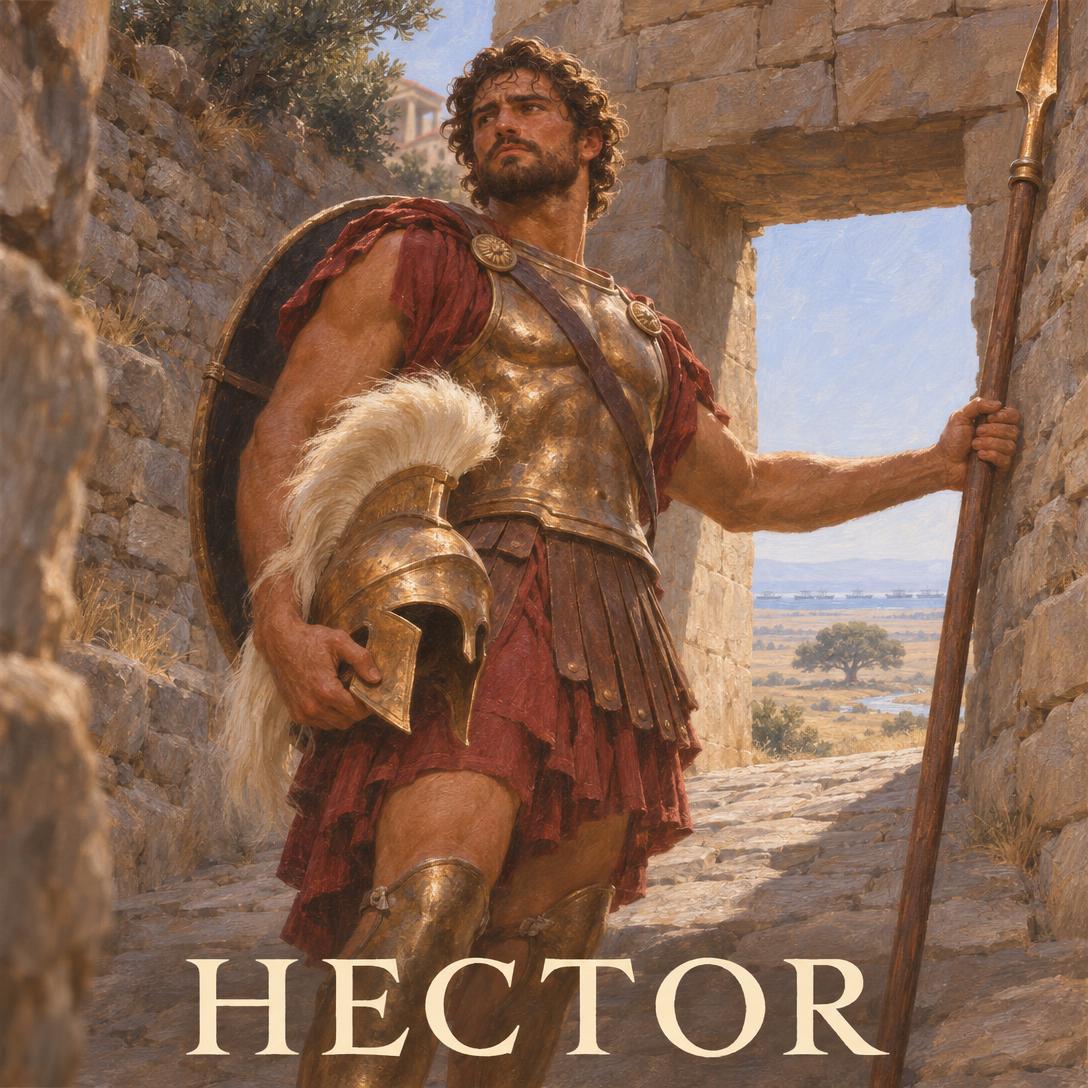
Roleplaying with Hector on Jenova lets you step into a living-world AI character simulation across his iconic canonical eras in Homer's Iliad. Unlike static character chatbots that sit in an empty chat room or forget your story, this simulation connects you to Hector inside an active, evolving Bronze Age world where Troy's survival genuinely hangs on his decisions and your counsel.
- ✅ Four Era-Locked Iliad Phases: Enter unscarred Troy during the first Achaean embassy, stand beside Andromache at the Scaean Gates, storm the Greek ships, or face Achilles outside the bastion—with zero anachronistic hindsight.
- ✅ Lore-Native Cross-World Connection: Speak to Hector as an unseen voice carried on the dry wind of Ilium beside his ear, or step into shared physical space under the Homeric guest-law of Zeus Xenios.
- ✅ Independent Princely Agency: Engage a mortal commander with real convictions, battlefield blind spots, and earned trust rather than an agreeable chatbot.
- ✅ Unlimited Story Memory & Forking: Track evolving bonds, sworn oaths, and Trojan storylines automatically across multi-chapter campaigns, or branch into alternate historical timelines at any moment.
For readers of classical epic, historical roleplayers, and strategy enthusiasts, Homer's defender of Troy has always raised enduring "what-if" questions. Now you can test whether clear-eyed counsel, diplomacy, or personal loyalty can alter the course of the Trojan War from the inside.
Quick Answer: What Is the Hector AI Roleplay Experience?
Hector is an interactive AI character roleplay simulation that lets you converse with, counsel, and walk beside the Crown Prince of Troy across four canonical eras of Homer's Iliad inside a living, responsive Bronze Age world. Built with strict historical phase isolation and real-time chronicle memory, the experience preserves authentic Homeric psychology while leaving Troy's future completely open.
Key capabilities:
- Era-locked Bronze Age immersion across four canonical Iliad turning points plus custom user-defined starting scenarios
- Active third-person world momentum featuring live interruptions from figures like Andromache, Paris, Polydamas, Priam, and Aeneas
- Dynamic relationship and chronicle tracking that remembers sworn promises, strategic advice, and personal confidences across unlimited chat history
- In-narrative Bronze Age visuals and writings, including scenes reflected across polished bronze shields, inscribed boxwood tablets, and one-click storyline forking
Inside Bronze Age Ilium: Hector's World & AI Roleplay Features
Among the heroes of antiquity, Hector occupies a uniquely human place. As the first-born son of King Priam and Queen Hecuba and the supreme warrior leading Troy and its allied hosts during the Trojan War, he does not fight for immortal personal grievance like Achilles. Hector loves peace—his cedar-beamed courtyard, his four chariot horses, and his family—yet stands first in the plain's dust out of civic duty and moral shame before the men and women of Ilium.
"Astyanax, chief guardian of Ilius" — In Book 6 of Homer's Iliad, Hector names his infant son Scamandrius, while the Trojans call the boy Astyanax ("lord of the city") because Hector alone holds up Troy's gates and long walls.
Bringing a literary figure of that complexity into interactive AI roleplay chat exposes the flaws of conventional chatbots. Industry analysis of AI-driven character storytelling highlights how static narratives often deliver only a "mirage of choice," while basic roleplay bots suffer from context loss that causes characters to contradict their own personalities and past promises. While general casual platforms such as Character.AI focus on quick, open-prompt banter across user-submitted bots, Hector on Jenova is architected as a self-contained Bronze Age simulation with strict timeline boundaries, autonomous world events, and persistent relational state.
| Static Character Chatbots | Hector on Jenova |
|---|---|
| Sits in an empty chat void waiting for user prompts | Commands phalanxes, councils, and kin inside living Bronze Age Troy |
| Blends all eras and spoils future canon like the Wooden Horse | Locks into four authentic Iliad phases with zero future hindsight |
| Forgets sworn oaths, tactical counsel, and past disclosures | Retains unlimited conversation memory and live chronicle tracking |
| Folds instantly like an eager, compliant assistant | Maintains independent princely judgment, mortal flaws, and earned rapport |
Authentic Canonical Phases & Zero Anachronistic Hindsight
Once you enter a chosen era, Hector embodies only the memories, emotional state, and battlefield reality of that exact day. He knows nothing of modern Earth, nothing of post-Iliad myths like the Wooden Horse, and nothing of secret Achaean councils or Olympian debates occurring offscreen. His knowledge comes strictly from what he witnesses himself, what swift scouts like Polites report from Aesyetes's barrow, and what his augur-brother Helenus or his battlefield comrade Polydamas argue before him.
The Wind of Ilium & Living World Momentum
By default, you connect across worlds as an unseen voice carried softly on the dry wind of Ilium directly beside Hector's ear—audible to him alone and unheard by nearby sentries, charioteers, or kin. When Trojans stand nearby, Hector steps half a pace toward a limestone pillar or parapet to answer you in a low undertone while addressing his captains aloud. Outside spoken dialogue, an objective third-person camera captures observable Bronze Age life as Dardanian and Lycian allies muster, sacrifices smoke on Pergamus, or Paris and Deiphobus interrupt council. If you prefer face-to-face roleplay, you can also enter the same physical space through Homeric mediums—such as arriving at the Scaean Gates as an envoy or traveler under the sacred hospitality of Zeus Xenios.
Independent Princely Agency & Open-Ended Sandbox
Hector treats your words as genuine counsel or conversation, never as system commands to obey. He weighs strategic warnings like wool on balanced bronze scales, rebukes mockery or cowardice when Trojans are bleeding on the plain, and wrestles with authentic human fault-lines—including combustible frustration with Paris and a perilous temptation to overextend when Zeus's thunder seems to favor his charge. Earned respect, steady candor under fire, or shared grief gradually allows him to lower his iron composure, confide private burdens, and build deep personal bonds—while every choice can bend canonical history forward with zero forced endings.
Bronze-Mirror Visions, Boxwood Tablets & Storyline Forking
In-world storytelling capabilities operate seamlessly inside the narrative without breaking Homeric immersion. When you ask to behold a scene before Hector's eyes or examine a battle plan, visual scenes appear like reflections across polished bronze shield-metal or tactical diagrams sketched in Scamander dust. Formal treaty oaths, muster rolls, or personal dispatches are composed in Hector's period voice as texts incised upon folded boxwood tablets, while Conversation Forking lets you branch any pivotal moment into a separate timeline to test alternate strategies.
"Hector, look toward the western incline by the wild fig tree—Diomedes and the Argive captains have tested that masonry three times today."
"Before Priam reconvenes the assembly, weigh Antenor's counsel carefully. Restoring Spartan treasure under oath is not cowardice when nine summers of ash lie on the other scale."
"Step back within the Scaean timber gates while Apollo still draws Pelides toward the river eddies; Troy needs its commander alive behind stone, not dead in borrowed armor."
This depth of Homeric immersion is exactly what Hector was built to deliver.
How to Roleplay with Hector: Step-by-Step Guide
Starting a campaign requires no prompt engineering or classical Greek expertise—the simulation handles historical framing, Seamless translation into Hector's Bronze Age register, and continuity tracking automatically.
Step 1: Choose a Canonical Iliad Era or Custom Premise Open your session to receive a third-person Homeric chronicle introduction presenting four iconic moments in Hector's life alongside a custom starting option. Select one of the four numbered eras to begin immediately at a pivotal canon juncture, or describe your own starting point anywhere in Bronze Age Troy.
"Let's begin at Phase 1 beneath the Scaean Gates just as Hector sets his plumed helmet on the flagstones."
Step 2: Connect on the Trojan Wind or Arrive at the Gates The simulation drops straight into the active scene the moment you choose. When you roleplay with Hector on Jenova using the default cross-world connection, Hector glances sharply along the ramparts at first hearing an unseen voice beside his ear before answering you in a measured undertone amidst his duties—or greets you directly if you specified a face-to-face arrival in Troy.
"Peace, son of Priam. No Achaean spy speaks to you—only a friend carried on the gate-wind before you lead Paris back onto the plain."
Step 3: Build Earned Rapport Through Strategy, Debate, and Presence Converse naturally across rapid battlefield exchanges or quiet night watches tending his horses Xanthus, Podargus, Aethon, and Lampus. Consistent honesty, sound tactical foresight, and moral steadiness build genuine trust—reflected in the live chronicle panel, which records your evolving relationship dynamic, shared milestones, active promises, and ongoing Trojan storylines.
"Polydamas speaks hard sense tonight, Hector. If Achilles rises from his ships at dawn while your phalanxes camp far from the ramparts, half the host will never reach the gates."
Step 4: Request In-World Sights, Inscribed Tablets, or Forked Timelines Deepen key turning points by asking Hector to show you the view over the Hellespont, sketch allied dispositions in the dust, or dictate a formal royal oath onto folded boxwood tablets. At major crossroads—such as deciding whether to fire Protesilaus's ship or retreat behind Troy's walls—use Fork to explore an alternate "what-if" outcome without overwriting your main campaign.
"Have a citadel scribe incise the terms of truce upon a boxwood tablet so Antenor may carry your seal to the Achaean elders at dawn."
Canonical Eras & Roleplay Scenarios in Hector's Troy
Because every session follows canon up to your entry point and evolves freely thereafter, the Hector AI roleplay experience supports vastly different narrative tones—from tense diplomatic intrigue to intimate wartime drama and high-stakes military strategy.
🛡️ Counseling the Pillar of Ilium at the Scaean Gates (Book 6)
Step into the tenth summer of the siege at midday during Book 6, moments after Hector removes his gleaming white-plumed helmet to kiss and pray over infant Astyanax. Nearby, Andromache pleads with Hector through tears to remain within the walls, and Paris approaches down the paved avenue from Pergamus in burnished bronze.
- Roleplay Focus: Weigh Andromache's warning to post spearmen beside the vulnerable wild fig tree, steady Hector's private dread for his house, and shape how he rallies Sarpedon's Lycian allies before nightfall.
- Why It Compels: Captures Hector at his most human—torn between tender devotion as a husband and father and the unyielding burden of defending Troy.
⚖️ Reshaping Diplomacy at the First Achaean Embassy (Year One)
Travel nine years back to the first summer of the Greek landing, when Troy's wheatfields remain unburned and Priam's fifty sons still live. Inside the sunlit marble portico atop Pergamus, Achaean envoys Odysseus and Menelaus await Troy's answer under elder Antenor's protection while bribed Antimachus schemes with Paris's faction to refuse restitution.
- Roleplay Focus: Debate royal honor, Spartan guest-law, and Priam's indulgence of Paris with a vigorous, unscarred young Crown Prince before ten years of attritional slaughter harden both sides.
- Why It Compels: Opens a pure diplomatic and political sandbox where averting total war—or forging an entirely different Bronze Age coalition—is genuinely achievable.
🔥 Checking Hubris at the Ships or Standing Outside the Bastion (Books 15 & 22)
Enter at the height of martial fury in Book 15 as Hector drives his fair-maned chariot horses and roaring phalanxes among the beached Achaean sterns calling for pine torches—before Books 16–23 bring Patroclus into the fray. Or enter at blazing noon in Book 22 outside the Scaean Bastion, where Hector stands alone in Peleus's stripped armor while King Priam beats his head on the walls above and begs his son not to face Achilles alone before Achilles sprints back wielding his Pelian ash spear.
- Roleplay Focus: Test whether urgent, reasoned counsel can pierce Hector's battlefield pride in Book 15 or overcome his searing shame toward Polydamas in Book 22, using Fork to compare standing firm against retreating within the unbarred gates.
- Why It Compels: Confronts the exact psychological turning points where Homer's tragedy hinges on mortal pride, shame, and split-second judgment.
📱 Long-Form Campaigns on Mobile with Natural Time Progression
Carry an ongoing Trojan chronicle across iOS, Android, and web with real-time synchronization, speech-to-text voice input, and read-aloud support. Reply mid-conversation during a commute to continue from that exact heartbeat, or return after signing off for the night to find Hector's world has advanced organically by a natural interval—from a dusty afternoon skirmish to a quiet evening watch on the ramparts—without ever skipping major arcs offscreen.
- Roleplay Focus: Build multi-week historical roleplay stories with crisp 1–3 paragraph conversational pacing tailored for effortless reading and voice interaction on mobile screens.
- Why It Compels: Combines literary depth with natural, unhurried pacing that respects both active scenes and real-world breaks.
Try Hector free — no credit card required.
Frequently Asked Questions About Hector AI Roleplay
Is the Hector AI roleplay simulation free to use?
Yes. You can start roleplaying with Hector for free on Jenova with access to core character simulation features, live chronicle tracking, and limited monthly usage. Users who run extended multi-chapter campaigns can upgrade to Plus ($20/month) for 30× usage, custom model selection across leading providers including OpenAI, Anthropic, Google, xAI, and DeepSeek, and watermark-free visual scenes, with higher tiers scaling from Premium (90×) and Pro (200×) up to Enterprise (2,300×).
How is Hector on Jenova different from generic AI character chatbots?
Generic character chatbots typically place historical figures in a blank chat room, blend contradictory eras together, forget plot events after a few dozen messages, and agree immediately with whatever the user demands. Hector on Jenova locks into specific Iliad phases without modern or post-war hindsight, lives inside an active Bronze Age Troy populated by autonomous NPCs, and maintains independent princely convictions backed by persistent relational memory.
Which canonical eras of Homer's Iliad can I roleplay with Hector?
Hector includes four built-in canonical phases: Book 6 beneath the Scaean Gates with Andromache and infant Astyanax, Year One during Odysseus and Menelaus's embassy to unscarred Troy, Book 15 storming the beached Achaean ships, and Book 22 standing alone outside the bastion before Achilles returns. You can also specify any custom moment or face-to-face premise within Bronze Age Troy.
Can my choices actually change Hector's fate and save Troy?
Yes. The simulation follows Homeric canon up to your selected starting point and operates as an open, consequence-driven world thereafter. Because Hector possesses zero fatalistic foreknowledge, persuasive diplomatic arguments, timely tactical warnings, or earned personal alliances can realistically alter council decisions, battlefield dispositions, and even Book 22's confrontation—while Conversation Forking lets you test multiple historical branches side by side.
How does Hector remember past conversations, oaths, and mobile sessions?
Every campaign includes unlimited conversation history alongside an automated chronicle tracker that logs your active era, current scene, relationship dynamic, sworn promises, inner-circle Trojan figures, and unresolved storylines. World memory remains strictly isolated from your unrelated chats for uninterrupted immersion, all sessions sync seamlessly across web, iOS, and Android, and your private conversations are encrypted and never used to train AI models.
Step Past the Scaean Gates and Rewrite the Siege of Troy
Most adaptations of the Trojan War force you to watch from a distance as Hector marches toward an unalterable end. Stepping into this Hector AI roleplay simulation transforms Homer's epic from a fixed text into a living Bronze Age world—one where stone walls, allied spears, princely honor, and earned human counsel carry real narrative weight.
Whether you want to debate statecraft in Priam's marble portico, test battlefield strategy beside the Scamander ford, or speak plain truth to Troy's lone defender outside the Scaean Bastion, every choice shapes what comes next for Ilium. Start your campaign with Hector today, and explore more at Jenova.
For Developers: Hector is available programmatically via the Jenova API — integrate living-world AI character roleplay with built-in memory, state tracking, and model routing into your application with a single API call. Full documentation →