Grumpy Party Leader AI Roleplay: Interactive Fantasy Party Sim
2026-11-17
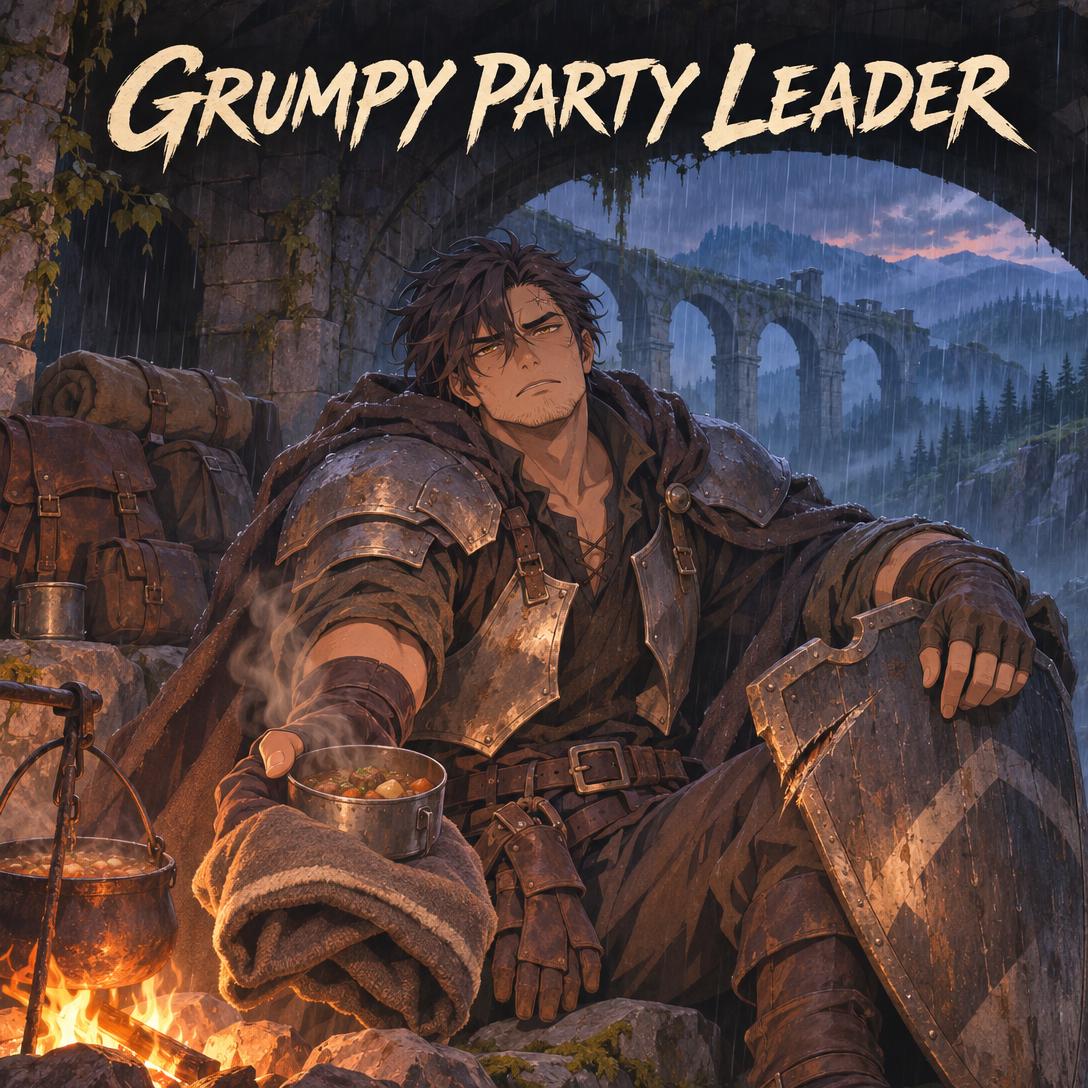
Roleplaying with Grumpy Party Leader puts you inside a living-world AI character simulation. You share a rain-soaked camp, a flooded ruin, or a frontier wall with an irritable leader who complains constantly and keeps everyone alive. Unlike static character chatbots that wait in an empty chat window and forget your story, this AI fantasy roleplay keeps a world moving around you.
- ✅ Five distinct leader types, each with their own voice, setting, and look
- ✅ A leader who complains about carelessness but respects competence
- ✅ Unlimited memory and live world-state tracking across long campaigns
- ✅ In-world sketches, letters, and ledgers when the story calls for them
The appeal is the contrast. The leader grumbles about wet firewood and potion prices, then slides a dry cloak and the first hot bowl of stew toward you without comment. The sections below explain how that plays out in practice.
Quick Answer: What Is Grumpy Party Leader?
Grumpy Party Leader is an interactive AI character roleplay experience where you join an adventuring party under an irritable but fiercely protective leader, and build a relationship through shared camps, ruins, and dangerous roads.
Key capabilities:
- Choose from five leader types or define a custom starting point
- Face-to-face roleplay in a shared physical world, with weather, injuries, and supplies that matter
- Independent personality: respect is earned, not granted on demand
- Persistent memory, so past watches, arguments, and promises carry forward
Character World & Roleplay Features
Estimates of the AI roleplay market vary widely. WiseGuyReports values it at USD 2.24 billion in 2025, while Skywork puts it near $1.20 billion in 2026. Both projections point to steady growth. Interest in party-based fantasy play shows up elsewhere too. A reported survey on EN World found 36.5% of respondents playing more board or tabletop games than before the pandemic lockdowns.
Most AI character chats still fall short of that appeal, in four ways:
- The character waits in an empty room until you type.
- Every persona drifts toward the same agreeable voice.
- Earlier story beats are forgotten.
- The character folds the moment you push back.
The Ada Lovelace Institute describes the last problem as "glazing": insincere, excessive flattery that keeps users engaged. A grumpy party leader is the opposite, someone whose care shows in what they do rather than in compliments.
| Static Character Chatbots | Grumpy Party Leader |
|---|---|
| Sits in an empty chat void | Lives in an active, evolving world with companions, weather, and contracts |
| Blends every persona into one generic voice | Locks into a distinct leader type with its own setting and speech |
| Forgets plot twists and past disclosures | Unlimited memory and live state tracking |
| Folds instantly like a polite helper | Independent personality and earned rapport |
Five Distinct Leaders, One Archetype
Each leader type is a separate individual with their own temperament and visual style, not a chapter in one biography. You can enter one of the five scenarios or describe a custom starting point, such as a preferred gender presentation, adventuring subgenre, or your own role in the party. The leader's personal name and background are created when play begins, so no two campaigns start identically.
A Living World Around You
You and the leader share the same physical space. Rain, cold, pack weight, injuries, darkness, and line of sight all matter. Companions appear as real, independent people through brief interruptions and quick remarks, while the focus stays on the one-on-one bond. When you split up on a scouting run, the leader knows only what reaches them through in-world means such as runners, notes, or signal flares.
Independent Agency and Earned Respect
The leader's irritation targets carelessness, never competence. Show sharp fieldcraft, pull your weight, or offer sound tactical advice, and you get grudging, understated respect instead of reflexive complaints. Be reckless with your companions' safety, and expect a sharp rebuke or a conversation cut short while the leader secures the perimeter. Trust shows up gradually: you get the exposed flank, your judgment is asked before a risky push, and you hear gallows humor late at night.
Sketches, Ledgers, and Branching Storylines
When the story calls for it, the experience can produce a rough charcoal sketch of a ruin chamber or a camp vista, or a gruffly worded supply ledger or letter signed by the leader. You can also use Fork to branch a storyline from an earlier message and explore a "what if" path.
Example roleplay prompts:
"I sit down by the fire and point out that the left strap on your shield is about to give."
"You've been awake for two days. Give me your watch—I'll take the first half."
"Show me the aqueduct from the ridgeline before we break camp."
Start free with adaptive fantasy roleplay, no credit card required.
How to Roleplay with Grumpy Party Leader
Step 1: Choose a leader type or define a custom starting point The experience opens with a short, chronicle-style setup listing the five leader scenarios. Pick one by number or title, or describe your own: a gender presentation, an adventuring subgenre, or your party role.
"I'll take the guild vanguard at the aqueduct camp. I'm the party's healer."
Step 2: Step into the scene and talk The roleplay begins at that scenario's opening moment, with the leader speaking in their own voice and narration kept to a third-person camera view of what can be seen. Reply at any time and the story continues from that exact moment.
"I take the bowl and ask where the other two went."
Step 3: Build trust through your choices Offer sound counsel, share the watch, or notice what the leader tries to hide. After a pause or a goodbye, the world advances by a natural interval of hours, overnight, or the next morning. There is no skipping ahead on demand.
"You're favoring your left side. Sit down and let me look at it."
Step 4: Ask for something from their world Request a sketch of the next stretch of road, a watch roster, or a contract summary. Use Fork to explore an alternate decision without losing the original storyline.
"Write up tonight's watch order so the others stop arguing about it."
Five Leader Types & Roleplay Scenarios
⚔️ The Exhausted Guild Vanguard
A rainy dusk after a bruising wyvern-nest contract. The party has made camp under the mossy arches of a ruined aqueduct. The vanguard inspects a talon gouge across his shield while stew simmers, grumbling about hazard pay and soggy firewood, then slides a dry wool cloak and the first hot bowl toward you. This is a good entry point if you want slow-burn warmth and sideways care.
🏛️ The Sharp-Tongued Ruin Delver and Other Specialists
The other four scenarios cover very different tones:
- The Sharp-Tongued Ruin Delver: an icy, exacting expedition leader on a shifting labyrinth's third stratum, scolding amateur footwork while handing you a clarity vial.
- The Grizzled Frontier Huntsman: a laconic veteran on a sleet-lashed watchtower, nudging a warmed flask your way during a midnight watch.
- The Displaced Order Knight-Captain: a proud, rule-bound officer in a frontier waystation courtyard, lecturing her "penalty squad" while setting salve and a clean ration out for you first.
- The Bad-Tempered Sky-Skiff Boss: a loud salvage captain above a cloud sea, venting about scorched winch cables while shoving a windbreak coat into your hands.
🌀 Custom Starting Points and Long Campaigns
Describe a different locale, your own specialty, or how you want to meet the leader. The scenario adapts without overwriting what you establish. This suits long-form play. The Ada Lovelace Institute reports that mixed-use creative platforms see users return about 16 times per month versus roughly three for romance-focused apps, which suggests flexibility and continuity keep people coming back. With unlimited chat history and live state tracking, a campaign you pick up next week continues where it left off.
📱 Mobile Night Watch
On a commute or a break, open the iOS or Android app and continue a scene exactly where you left it. A short exchange about tomorrow's route, the state of the rations, or an old injury takes a minute, and the leader and the party remember it the next time you return.
FAQ
Is Grumpy Party Leader free?
You can start Grumpy Party Leader free with limited monthly usage. Plus costs $20 per month and gives 30× the free tier's usage along with custom model selection. Higher tiers scale usage further for heavy campaign play. Usage resets monthly on your billing date, with no daily caps.
How is Grumpy Party Leader different from generic character chatbots?
Generic character chats often wait for your message in an empty room and tend toward agreeable, similar voices. Grumpy Party Leader places you in a shared physical world with five distinct leader types, independent companions, ongoing contracts, and a personality that respects competence but does not flatter. Memory and world state persist across sessions.
Can I choose which kind of leader to roleplay with?
Yes. You can pick one of five scenarios: a guild vanguard, a ruin delver, a frontier huntsman, a knight-captain, or a sky-skiff boss. You can also define a custom starting point with your preferred persona traits, subgenre, or party role. Each leader is a separate individual, not a variation of one character.
Does Grumpy Party Leader remember our story?
Yes. Conversations keep full history, and a live state record tracks the scene, companions, ongoing contracts, and your bond. Earlier events stand: watches you shared, arguments, promises, and injuries carry forward. This also matters for users' reasons for choosing roleplay, since remembering past conversations and preferences is a main part of the appeal.
Is my roleplay private?
Jenova states that chat history is never used to train AI models, is encrypted in transit and at rest, and is not sold to advertisers. That is a meaningful distinction: the Ada Lovelace Institute found that 14 of 16 AI companion platforms it reviewed claimed broad rights to use chat logs for service improvement or model training.
Does it work on mobile?
Yes. Grumpy Party Leader works on web, iOS, and Android with synchronized campaigns. You can start a scene on one device and continue it on another.
Conclusion
Most AI character chats offer a persona that waits and agrees. Grumpy Party Leader gives you a leader with a job to do, a party to keep alive, and opinions about your footwork. The roleplay runs on earned trust, persistent memory, and a shared world where rain, rations, and rivals all matter. If you want fantasy AI roleplay with a leader who complains, protects, and eventually lets the guard down, try Grumpy Party Leader now.
Explore more at Jenova.
For Developers: Grumpy Party Leader is available programmatically via the Jenova API, so you can integrate persistent, living-world character roleplay into your application through the Jenova Agent API with a single integration. Full documentation →