AI Gladiator RPG: Design Arena Fighters, Stats, Lore & Battle Arcs
2026-10-16
Character Creator helps you build an AI gladiator RPG from the ground up. It designs arena fighters with stat blocks, weapon kits, fighting styles, backstories, and portraits in minutes. As of October 2026, gladiator fans still have few dedicated games to choose from, and generic AI chatbots rarely keep a fighter's identity consistent. This AI designer gives you complete champions to take into a tabletop campaign, a solo story, or your own arena system.
- ✅ Quick-gen or guided builds: Get a ready-to-play gladiator in one prompt, or shape every detail step by step
- ✅ Genre-fluent design: Roman-inspired murmillos, savannah guardians, sci-fi pit fighters, and dark fantasy champions
- ✅ Media research built in: It draws on historical, mythological, and pop-culture references for authentic flavor
- ✅ Portraits included: Visualize your fighter alongside the character sheet
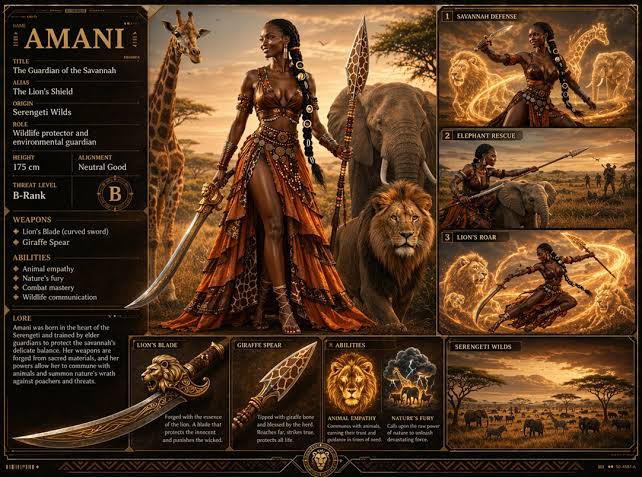
A strong arena campaign depends on fighters who feel distinct. Their weapons, origin, rivalries, and reasons for bleeding in the sand all matter. To understand why AI-assisted character design fills a real gap, let's look at what gladiator RPG players run into today.
Quick Answer: What Is an AI Gladiator RPG?
An AI gladiator RPG is an arena-combat role-playing experience in which AI designs your fighters, generates their lore and stats, and adapts rivalries and matches to your choices instead of following a fixed script.
Key capabilities:
- Generate complete gladiator profiles with stats, weapons, abilities, and alignment
- Build origin stories, motivations, and arena rivalries that give fights stakes
- Create portraits and character-sheet layouts for each champion
- Adapt fighters to any setting, from historical Rome to sci-fi combat pits
Why Gladiator RPG Fans Struggle to Find the Right Experience
The appeal of the arena is clear. You get a fighter with nothing but a weapon and a reason to survive, rising through the ranks before a roaring crowd. Players have wanted this fantasy for years. One RPGnet community thread asks outright whether any heavily gladiator-based RPGs exist. Meanwhile, International Business Times noted that "there are very few good gladiator games in the market."
Demand for AI-driven stories is growing quickly:
$3.8 billion → $19.6 billion — AI-generated personalized storytelling game market, 2025 valuation to 2034 projection
Up to 30% — Player retention increase that research associates with AI-enabled personalization
82% mechanical accuracy and 4.4/5 satisfaction — Novice players using an adaptive AI framework for personalized tabletop RPG avatars
But getting a satisfying gladiator RPG experience is still frustratingly difficult:
- Scarce dedicated titles. The genre is small, and many entries focus on a single mechanic, such as physics combat, stable management, or survival crafting.
- Monetization friction on mobile. Gladiators: Survival in Rome has more than 1M downloads, yet reviewers cite energy timers that allow about 10 minutes of free play and inventories that "fill up way too fast."
- Fixed, pre-authored fighters. Even well-reviewed games draw from a set pool of backstories and gear. You can't commission the exact champion you have in mind.
- Shapeless AI roleplay. As Iron Realms observes, an AI roleplay bot is "one character you talk to rather than a world you move through." Without structured character data, arena stakes fade quickly.
This is exactly the gap Character Creator was built to fill.
Why Character Creator for Your AI Gladiator RPG
Character Creator is an expert character designer for roleplay, fiction, and original characters. It turns vague ideas like "a disgraced legionary who fights with a broken shield" into structured, playable profiles. You get a defined identity, combat kit, and narrative hooks that stay consistent across sessions.
The approach is simple: design first, then fight. A gladiator with clear stats, a signature weapon, a fighting style, and a personal motive makes every bout matter. That holds whether you run the arena with friends, in a tabletop system, or in solo fiction.
| Traditional Approach | Character Creator |
|---|---|
| Choose from a game's fixed roster of fighters | Commission any gladiator concept, in any setting |
| Hours spent writing backstories and balancing stat blocks | Quick-gen a complete profile, or refine it through a guided build |
| Generic chatbot characters that drift between sessions | Structured profiles with defined traits, gear, and motives |
| Commission artists or settle for no visuals | Portraits generated alongside the character |
| Thin lore that gives fights no stakes | Origin stories, rivalries, and goals built into every fighter |
🛡️ Gladiator Archetypes From History and Fantasy
Ask for a classical arena type, such as a net-and-trident fighter or a heavily armored shield-bearer, and the agent researches the archetype for authentic gear and fighting style. You can also blend genres freely. A savannah guardian like Amani, a cybernetic pit brawler, or a cursed champion bound to a blood god are all fair game.
⚔️ Stat Blocks, Weapons, and Abilities
Every fighter can include combat stats, armor, signature weapons, special abilities, and a threat rank. Tell the agent which system you use, such as a d20 game, a custom arena ruleset, or narrative-only play, and it shapes the profile to fit.
📜 Lore That Gives Every Bout Stakes
A gladiator who fights for freedom, revenge, or a debt plays very differently from one who fights for glory. The agent builds motivations, allies, enemies, and arena rivalries, which give you ready-made story beats for your campaign.
🎨 Portraits and Character Sheets
Visual identity matters in an arena RPG. The agent generates portraits that match the profile, so your champion's crest, scars, and weapons look the way you imagined.
Example prompts:
"Quick-gen a Roman-inspired gladiator: a former Thracian soldier, curved blade and small shield, fighting to buy his daughter's freedom. Include stats and a portrait."
"Guide me through building a fantasy arena champion who protects wildlife and summons animal spirits in combat. I want a B-rank threat level and two signature weapons."
"Create a rival for my gladiator: someone who trained in the same ludus, betrayed him, and now fights for the emperor's favor."
One limitation is worth noting. Character Creator designs fighters; it isn't a combat engine. For running bouts and narrating campaigns, pair it with a storytelling partner or your preferred ruleset, as covered below.
Related Agents You'll Also Find Useful
Once your gladiator roster is ready, these agents can help you take it into the arena.
Creative Fiction Writer
If you'd rather experience your gladiator's rise as a story, Creative Fiction Writer turns profiles into full arena narratives. It researches deeply for authentic worlds and gives editorial feedback on your own drafts.
- Writes original fiction in any genre, including historical and dark fantasy
- Builds authentic settings, from Roman amphitheaters to invented empires
- Takes you from first draft to polished prose
Comic Creator
If your campaign deserves a visual retelling, Comic Creator adapts arena battles into sequential art with dynamic layouts.
- Composes action-heavy panels for combat sequences
- Keeps a bold visual style consistent across pages
- Scales from single issues to graphic-novel sagas
One Among Us
If you enjoy high-stakes interactive storytelling, One Among Us casts you as a detective hunting a killer hidden among the guests. Its tension and survival stakes will appeal to arena fans.
- Interactive mystery where your choices drive the outcome
- Life-or-death stakes that escalate as the story unfolds
- A good change of pace between arena campaigns
Character Creator is available on Jenova's free tier, so you can build your first champion today.
How to Build an AI Gladiator RPG Character, Step by Step
Step 1: Define Your Arena Setting
Start by telling the agent where your gladiator fights: historical Rome, a fantasy empire, a frontier colony, or a sci-fi combat circuit. The setting shapes the weapons, armor, social status, and threats that make sense.
"My campaign is set in a fantasy empire inspired by Rome, where conquered tribes fight in the arena for citizenship."
Step 2: Choose Quick-Gen or a Guided Build
Start a session with Character Creator and choose your pace. Quick-gen gives you a complete fighter in one reply. A guided build walks you through origin, fighting style, and personality one decision at a time.
"Walk me through building a gladiator step by step. Start with origin and motivation."
Step 3: Lock In Stats, Gear, and Abilities
Request a stat block that matches your system: HP, armor, attack range, hit chance, or your own custom attributes. Then add signature weapons, inventory, and special abilities.
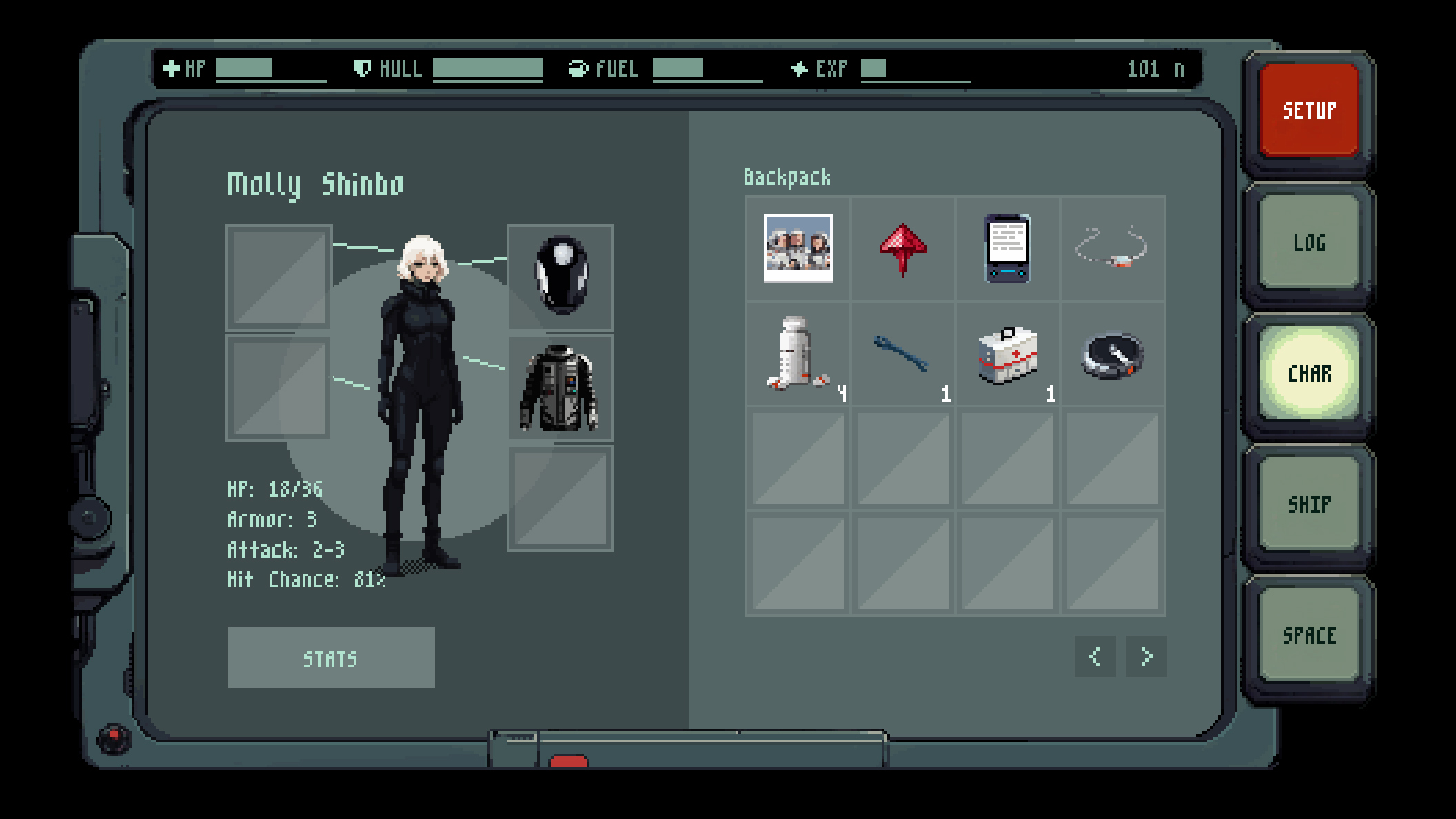
Stat screens like the one above show why structure matters. Clearly defined HP, armor, hit chance, and inventory make it much easier to track a fighter across many bouts.
"Give my gladiator a d20-compatible stat block, two signature weapons with damage dice, and three arena abilities that scale with crowd favor."
Step 4: Generate a Portrait and Character Sheet
Ask for a portrait that reflects the profile, including crest, scars, armor, and weapons. Then request a formatted sheet with title, alias, origin, alignment, and lore.
"Generate a portrait of my gladiator mid-battle in the arena, then format her full character sheet."
Step 5: Take Your Fighter Into the Arena
Bring your finished gladiator into your tabletop session, solo campaign, or story project. Build rivals and opponents the same way so every match has history behind it.
"Create three opponents for my gladiator's first tournament, each with a style that counters hers in a different way."
AI Gladiator RPG Use Cases
🎲 Game Master Preparing a Gladiator Campaign
Scenario: A GM is launching a six-session arena campaign and needs a dozen distinct opponents, each with stats, gear, and a reason to fight.
Traditional Approach: Several evenings of writing backstories, balancing stats, and searching for reference art.
With an AI character designer: This AI-powered character tool quick-generates the full roster, including champions, underdogs, and a final boss, with portraits and linked rivalries.
- Opponents with contrasting fighting styles keep every match fresh
- Built-in rivalries create natural plot hooks between sessions
- Prep time shifts from paperwork to storytelling
📱 Designing Fighters on Mobile Between Sessions
Scenario: A player gets an idea for a new gladiator during a commute and wants it fully built before game night.
Traditional Approach: Scribble notes on a phone, then rebuild everything at a desk later.
With an AI character designer: A guided build from a phone produces a complete profile, stats, and portrait in a single session, ready to share with the group.
- No desktop or character-sheet software required
- The full profile is ready to drop into the group chat
- Ideas get captured while they're fresh
✍️ Writer Building an Arena-Saga Cast
Scenario: A novelist is drafting a gladiator epic and needs a believable ensemble of fighters, trainers, and patrons.
Traditional Approach: Weeks of research into arena culture, plus repeated rewrites to keep characters distinct.
With an AI character designer: The cast is designed with researched details. Then Creative Fiction Writer helps turn those profiles into chapters.
- Historically grounded flavor without weeks of research
- Distinct voices and motives for every cast member
- A smooth handoff from character design to manuscript
🏟️ Solo Player Running a Ludus Fantasy
Scenario: A solo player wants the management fantasy of running a gladiator school, recruiting, training, and losing fighters, without a dedicated game for it.
Traditional Approach: Search for niche stable-management titles or improvise with spreadsheets.
With an AI character designer: Each recruit gets a full profile with strengths, flaws, and a backstory, so permadeath actually hurts.
- Every recruit has a personality worth caring about
- Use any dice system or narrative ruleset you like
- The roster grows on your terms, without energy timers or paywalls
Frequently Asked Questions
What is the best AI gladiator RPG experience right now?
It depends on what you want. Dedicated gladiator games offer polished combat but fixed rosters. AI-driven setups let you design any fighter and campaign you can imagine. Many players combine both: they build custom champions with an AI character designer, then play them in a tabletop system, a solo campaign, or AI-assisted storytelling. That approach gives you unlimited fighters and stakes that a fixed game can't match.
Is Character Creator free to use for gladiator RPGs?
Yes. The agent runs on Jenova's free tier, which includes all core features with limited usage. Players who build large rosters or generate many portraits can upgrade to Plus at $20/month for 30× the free usage, or choose higher tiers for heavier workloads. Usage resets monthly, with no daily caps, so you can batch-build an entire tournament's worth of fighters in one sitting.
Can AI track gladiator stats and inventory across a campaign?
An AI character designer creates structured stat blocks covering HP, armor, attack, abilities, and inventory, which makes tracking straightforward. For long campaigns, keep the generated character sheet as your reference and share updates with the AI after each bout. Pairing a structured sheet with consistent prompts keeps fighters stable across sessions, avoiding the drift common in unstructured chatbot roleplay.
How is an AI gladiator RPG different from an AI roleplay chatbot?
A roleplay chatbot usually plays a single character in open-ended conversation. An AI gladiator RPG is built around structure: defined fighters, stats, rivalries, and arena stakes that carry from match to match. Designing champions with full profiles first gives your sessions the shape of a real game. For story-driven interactive play with real stakes, agents like One Among Us show how structured scenarios beat aimless chat.
Can I use AI-designed gladiators in D&D or other tabletop systems?
Yes. Tell the agent which system you're using, such as a d20 game, Savage Worlds, or a homebrew arena ruleset, and it will shape stat blocks, abilities, and gear to fit. You can also ask for system-neutral profiles focused on narrative traits, which work well for rules-light play. Always review the final numbers against your table's balance expectations before game night.
Conclusion: Build the Gladiators Your Arena Deserves
Gladiator RPG fans have long dealt with a thin genre, fixed rosters, and mobile games gated by energy timers. AI-assisted design changes that. Instead of waiting for the right game, you build the exact champions, rivals, and arena stories you want, in any setting and for any ruleset.
A strong AI gladiator RPG starts with fighters worth caring about: clear stats, signature weapons, real motives, and faces you recognize. That foundation makes every arena campaign, solo ludus run, or gladiator novel hit harder.
Try Character Creator now and design your first champion in minutes. Explore more at Jenova.
For Developers: Character Creator is available programmatically via the Jenova API. You can integrate on-demand fighter and RPG character generation into your game or community app with a single API call. Full documentation →