AI Game World Generator: Design Maps, Lore & Regions Fast
2026-09-11
Game Designer Assistant helps you generate a complete game world by turning a premise into geography, factions, history, and region briefs a designer or GM can actually build. While most campaigns stall on blank maps and contradictory lore, this AI provides a structured world you can run, greybox, or hand to a team.
In September 2026, the bottleneck is still the same: continents get named long before a single village is walkable.
✅ Builds continent-to-region geography with biomes, landmarks, and travel routes ✅ Ties factions, resources, and history to the map so conflicts produce quests ✅ Writes starting-area briefs with NPCs, tone, and a first objective ✅ Adapts to CRPGs, tabletop campaigns, sandbox survival, and narrative adventures
To understand why a dedicated game world generator matters, look at how worlds usually get made — and where they fall apart.
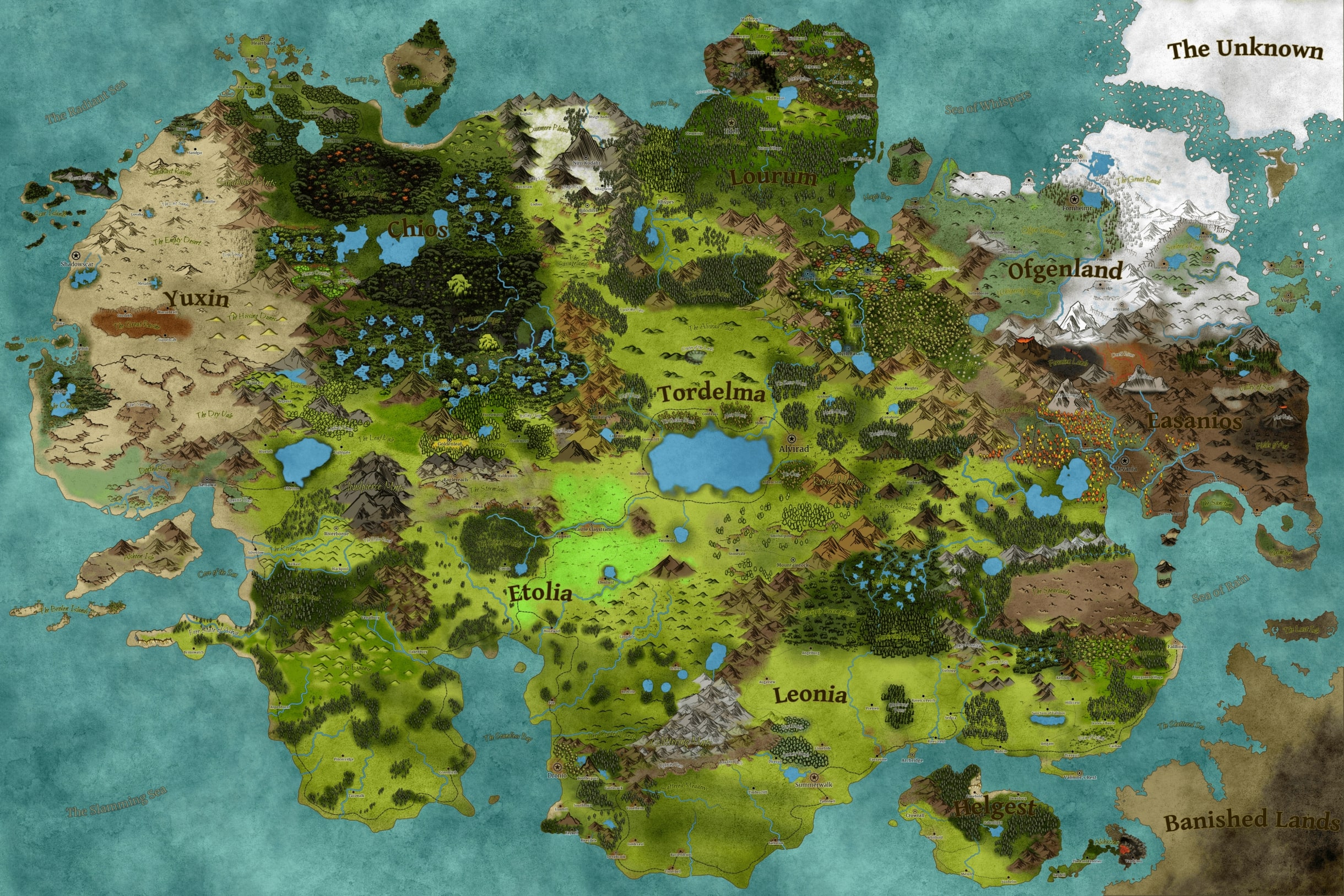
Quick Answer: What Is an AI Game World Generator?
An AI game world generator is a design tool that turns a premise into maps, biomes, factions, and playable region briefs so you can build a coherent campaign world without starting from a blank page. It sits between a random map and a finished level: you leave with geography, lore, and a slice you can run.
Key capabilities:
- Continent and region layouts with biomes, coasts, mountains, and travel constraints
- Factions, cultures, and history that explain why the map looks the way it does
- Starting-region briefs with landmarks, NPCs, and a first quest
- Systems notes — economy, magic, military access — grounded in terrain rather than generic tropes
The Problem With Building Game Worlds by Hand
Players remember worlds that feel inhabited: a desert trade road that actually feeds a capital, a snowbound duchy cut off by passes, a peninsula of rival ports. Getting there by hand is slow. Procedural content generation exists because teams cannot author every landscape, item, and quest manually — and academic surveys of PCG treat maps and levels as the content type studios reach for first.
Demand is not the issue. Production is.
The video game industry surpassed combined music and movie revenue in 2022, which keeps pressure on teams to ship new worlds while production stays slow.
Several years — Typical span cited for creating a complete commercial game
But accessing a world that is both coherent and buildable is frustratingly difficult:
- Continent-scale lore that never becomes a place a player can stand
- Maps drawn first, factions invented later, with no resource logic connecting them
- Wiki pages that describe a 4,000-year timeline and skip the starting village
- Tools that randomize terrain without explaining culture, conflict, or quests
- General-purpose chatbots that invent six kingdoms and zero landmarks
Lore That Never Becomes a Level
Research on AI worldbuilding for games draws a hard line: a worldbuilding tool produces reference material — maps, articles, timelines — while level design answers where the player walks, what blocks the path, and where the first encounter sits. A polished wiki does not place a wall. Designers who stop at “five kingdoms in a cold war” have fiction, not a scene.
Worlds That Are Too Large to Build
Ask an unconstrained model for a setting and you often get a planet: many continents, dozens of factions, a millennia-long appendix. That reads well and is unbuildable as a first step. The same analysis argues a buildable world starts as one physical region — terrain, a few landmarks, three NPCs, one quest — then expands outward from a vertical slice.
Maps Without Systems
Textbook treatments of procedural content generation cover landscapes, levels, items, rules, and quests as related problems, not a single heightmap. A pretty coastline that ignores harbors, passable ranges, and who taxes the river will fight every quest you write later.
Random Generators Versus Design Intent
Classic PCG is the algorithmic creation of content with limited or indirect user input. Noise functions and dungeon algorithms are excellent at volume. They are weak at authorial intent: “a fog-bound fishing village, a broken lighthouse, dread in the first sixty seconds.” Designers need a generator that accepts constraints, not only seeds.
This is exactly what Game Designer Assistant was built for.
Why Game Designer Assistant
Game Designer Assistant is a game-design partner that brainstorms settings, stress-tests systems, and writes documentation you can hand to a GM, narrative designer, or level artist. It does not replace an engine. It replaces the weeks of disconnected notes that usually come before greybox.
While wiki tools store articles you write, this generator specializes in producing the design pass: geography, faction logic, and a region you can block out. While a general chatbot will happily name a pantheon, the difference is documentation discipline — genre-aware briefs, systems that match the map, and a starting slice instead of an unbuildable atlas.
| Traditional Approach | Game Designer Assistant |
|---|---|
| Draw a continent, name it later | Geography, biomes, and names generated as one coherent pass |
| A wiki that never becomes a level | Starting-region briefs with landmarks, NPCs, and a first quest |
| Factions copied from unrelated notes | Conflicts tied to terrain, trade, and scarcity |
| Random map packs with no culture | Genre-aware tone, architecture cues, and encounter logic |
| Weeks before anyone can run a session | A playable slice from a single working prompt |
Continent Maps That Match Your Genre
Give it a climate logic and a conflict, and it will place deserts, highlands, inland seas, and snowlines so they constrain travel. A western arid plateau should not feed a rainforest capital without a river or a trade explanation. You can specify CRPG, sandbox survival, 4X, or tabletop hexcrawl and get layout language that matches how those genres actually play.
Factions and History That Produce Quests
History is only useful when it creates something to do. The assistant ties grudges to passes, ports, mines, and religious sites so a “cold war over a sunstone” becomes a checkpoint, a smuggler, or a ruined shrine on the starting path. That is systems analysis applied to worldbuilding: incentives on the map, not lore in a drawer.
Playable Region Briefs, Not Unused Lore
The output that matters is a place a player can stand. Ask for terrain, three to five landmarks, who you meet, and the first quest. Push past planetary appendices until the fog, the lighthouse, and the cliff path are specified. That brief is what a GM runs tonight or a level designer greyboxes tomorrow.
Concept Direction and Documentation
Worlds fail in production when art, narrative, and design disagree on materials, silhouettes, and tone. Use the assistant for documentation and concept direction: vernacular architecture per biome, color palettes, naming conventions, and a short world bible that stays internally consistent as you add regions.
Example prompts:
"Generate a temperate continent with a western desert, a central freshwater sea, snowbound northern duchies, and a southeastern peninsula of rival city-states. Name the regions, define three factions, and write a one-page brief for the starting coastal village."
"The starting region is a fog-bound fishing village on a rocky coast. A broken lighthouse marks the north edge. Give me terrain, three landmarks, three NPCs, one quest, and the feeling of the first sixty seconds."
"Audit this map logic: desert in the west, inland sea in the center, alpine east. Who controls the passes, what gets traded, and where does the first dungeon sit relative to the capital?"
Related Agents You'll Also Find Useful
If you are generating a world, you will almost immediately need story, visuals, and a way to feel political pressure. These agents extend the same workflow.
Film Screenwriter turns the world bible into scenes. Once regions and factions exist, you still need dialogue, set pieces, and a visual through-line for trailers, cutscenes, or session openers. Use it when a harbor war has to play as a sequence, not a bullet list.
- Structure and character arcs grounded in your factions
- Dialogue that sounds like a culture, not a bestiary entry
- Scene-level visual storytelling for cinematics and session cold opens
Comic Creator is the fastest way to see the world before art-production lock. Sequential pages force you to decide what a city actually looks like at street level — gates, crowds, weather, silhouettes — which catches map-lore mismatches early.
- Region tour as a short issue or graphic-novel prologue
- Layouts that test whether landmarks read at a glance
- Style exploration for pitch decks and crowdfunding pages
Civilization lets you pressure-test the history you just invented. If rival nations, shifting alliances, and resource wars are load-bearing, play them. Emergent wars and betrayals will tell you whether your map’s chokepoints and breadbaskets are believable.
- Era-specific political and military dynamics
- Rivals with their own ambitions, not scripted villains only
- A living check on whether your faction web can sustain a campaign
Try Game Designer Assistant free — no credit card required.
How to Generate a Game World Step by Step
Step 1: State Genre, Scale, and the Starting Feeling
Do not ask for a planet. Specify the genre (tabletop hexcrawl, action-RPG, sandbox survival), the scale you will actually build first (one coast, one duchy, one island chain), and the signature feeling. “Dread under fog” is more useful than “dark fantasy.”
"CRPG, not a planet. One rocky coast, dread under fog, fishing village plus lighthouse. I need a region I can greybox this week, plus names that fit a Northern-European-inspired culture."
Step 2: Generate Geography, Then Force Resource Logic
Ask your game design partner for biomes, ranges, rivers, and coasts — then immediately ask who eats, who taxes the river, and which pass closes in winter. Geography that cannot explain an army’s route will collapse in play.
"Place mountains so the northern duchies are isolated six months a year. Who starves, who smuggles, and where does the first overland quest go?"
Step 3: Collapse the Atlas Into One Walkable Region
Take the continent you like and zoom in. Demand terrain, three to five landmarks, three NPCs, and one quest that uses a local conflict. If you cannot picture a player walking it, you still have lore.
"From this continent, write only the starting hex: village, lighthouse, cliff path, smuggler, harbormaster, child who saw something in the water. No kings yet."
Step 4: Lock Documentation and Hand Off
Turn the chat into a world bible section: naming rules, faction one-pagers, encounter table seeds, architecture notes per biome. Hand that packet to a GM, a level designer, or — if you need cinematic history next — Film Screenwriter. Keep expanding only after the first region is runnable.
Results & Use Cases
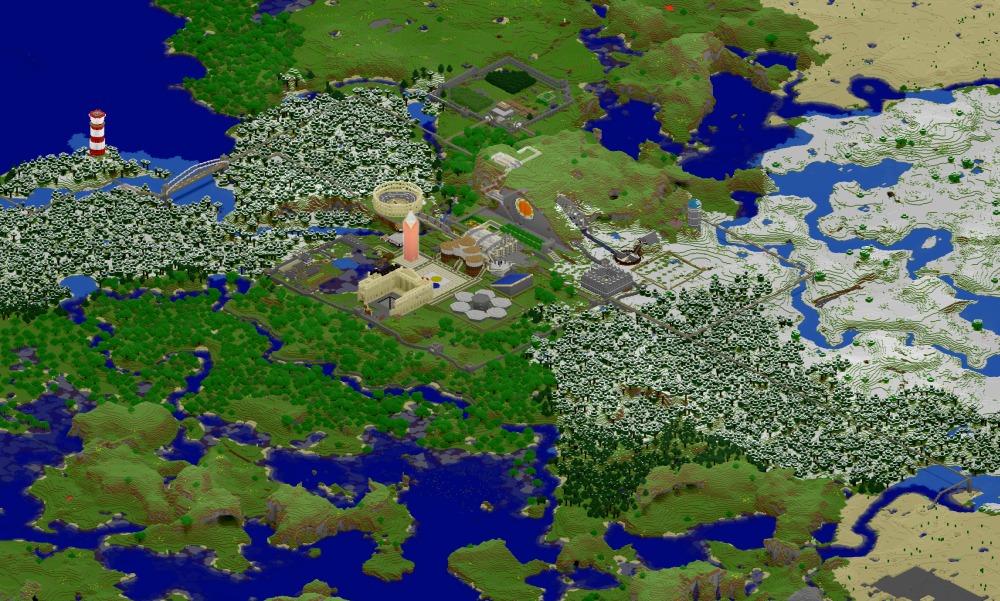
🗺️ Tabletop Campaign Continent
- Scenario: A GM has four weeks before session zero and wants a labeled continent with distinct biomes, not another generic “kingdoms of men.”
- Traditional Approach: Evenings spent on map tools, then a separate wiki for names, then hastily invented reasons the desert and the snowline coexist.
- Game Designer Assistant: One pass for the landmass, region names, three factions, and a coastal starting town the table can enter in session one.
- Distinct biomes with travel costs the party will feel
- Faction goals that survive contact with player chaos
- A map legend you can print or share on VTT
🎮 Indie CRPG Vertical Slice
- Scenario: A small studio needs a vertical slice: one hold, one wilderness route, one dungeon, lore that will not contradict act two.
- Traditional Approach: Narrative writes a 40-page bible; design blocks a forest that ignores every political claim in the bible.
- This AI world generator: Produces a region brief with landmarks, encounter intent, and faction presence that design and narrative share.
- Systems notes (travel time, scarcity, military access) attached to terrain
- Quest hooks that originate in local conflict, not a distant emperor
- Concept direction so art is not guessing materials and climate
📱 Mobile Sandbox and Survival Layout
- Scenario: A designer commuting with a phone needs a biome layout for a survival/sandbox loop — coast, forest, snow, desert — plus a landmark set (lighthouse, arena, roads) before the next engine session.
- Traditional Approach: Sketching in notes apps, then reconstructing intent at the desktop hours later.
- The generator, on mobile: A structured brief you can paste into production notes: biome adjacencies, player-facing landmarks, and why the snowline sits where it does.
- Landmark list that doubles as waypoint design
- Biome difficulty curve instead of a random scatter
- Short documentation you can voice-prompt between stops
🎬 Narrative Pitch With Visual Proof
- Scenario: A writer-director needs investors or a publisher to see the world, not only read a treatment.
- Traditional Approach: A lore doc plus stock landscapes that do not match the politics.
- Paired workflow: Generate the setting, then send faction scenes to a screenwriting partner and a region tour to Comic Creator for a short sequential prologue.
- Pitch materials that share one map logic
- Street-level pages that expose weak landmarks early
- Dialogue and history that agree with the geography
FAQ
What is a game world generator?
A game world generator is a tool that produces the fiction and design of a setting — geography, biomes, factions, history, and region briefs — from prompts and constraints. Algorithmic procedural generation often focuses on terrain and dungeons at runtime. An AI design generator focuses on a coherent world you can build, run, or document before production.
Is Game Designer Assistant free?
You can start without a credit card and use it for real world bibles, region briefs, and systems notes. Usage is limited on the free tier; paid plans increase volume if you are iterating many regions in a sitting. For most first continents and a single vertical slice, you can evaluate the workflow before paying.
How is this different from World Anvil, map randomizers, or a general chatbot?
Wiki tools are strong at storing and cross-linking articles you maintain over years. Noise-based map randomizers are strong at heightmaps and dungeon graphs. General chatbots are strong at fluent lore. Game Designer Assistant is built as a game-design partner: brainstorming, systems analysis, documentation, and concept direction aimed at playable structure. LLM-oriented PCG research is moving in this direction — models as designers of narrative and layout, not only as randomizers.
Can it generate worlds for both tabletop and video games?
Yes. Specify the delivery format. A VTT hexcrawl needs travel times, random-encounter seeds, and a session-one town. A CRPG slice needs greybox landmarks, gating, and lore that will survive implementation. A sandbox survival layout needs biome adjacencies and resource logic. Genre and platform expertise is part of the design brief, not an afterthought.
Does an AI game world generator work on mobile?
Yes. The same workflow runs on phones and tablets: dictate a coastal village, snap a photo of a sketch, and get a region brief you can paste into your campaign notes. Full feature parity across web, iOS, and Android means the world bible is not trapped on a desktop.
Will the lore stay consistent as the world grows?
Consistency is a process, not a one-shot. Feed prior region briefs back in, lock naming rules, and expand from the playable slice instead of regenerating a new planet each session. For political plausibility, run the same faction web in Civilization and keep what survives contact with rival ambitions. Treat the assistant as a design lead who needs the current bible in context.
Build Your Next Game World With AI
Hand-built settings stall because the atlas, the wiki, and the first village are three different projects. A focused game world generator collapses that into one design pass: biomes that constrain travel, factions that create quests, and a starting region a player can stand in.
Procedural methods already proved that landscapes and quests can be authored with help from algorithms. What has changed is the interface — you can now specify tone, genre, and a walkable slice in natural language and leave with documentation a team can use.
Try Game Designer Assistant now. Explore more at Jenova.
For Developers: Game Designer Assistant is available programmatically via the Jenova API — integrate map, faction, and region-brief generation into your application with a single API call. Full documentation →