AI First Date Simulator: Practice Conversations Before You Meet
2026-09-01
Dating App Advisor helps you walk into a first date already practiced — not guessing — by simulating the conversation, the pauses, and the follow-through before you sit down. While most people still treat that first meeting as a one-take performance, this AI first date simulator lets you rehearse openers, recover from awkward turns, and get honest feedback in September 2026, when more than 350 million people use dating apps and the jump from chat to table still catches almost everyone off guard.
✅ Rehearse first-date conversations with specific, realistic pushback — not generic pep talks ✅ Get direct feedback on pacing, questions, and how you come across ✅ Practice the hard parts: silences, mixed signals, the check split, the goodbye ✅ Walk in calmer because you have already run the scene once
To understand why that rehearsal matters, it helps to look at what actually goes wrong between the match and the first drink.
Quick Answer: What Is an AI First Date Simulator?
Dating App Advisor is an AI first date simulator that lets you rehearse conversations, first-date scenarios, and follow-up messages before you meet in person. You set the context; it plays the other person and coaches you in real time.
Key capabilities:
- Role-play a first date from small talk through the goodbye
- Conversation mastery for apps, voice notes, and in-person meetings
- First-date guidance tailored to the venue, vibe, and what you already know about the person
- Honest notes on what landed, what dragged, and what to try next
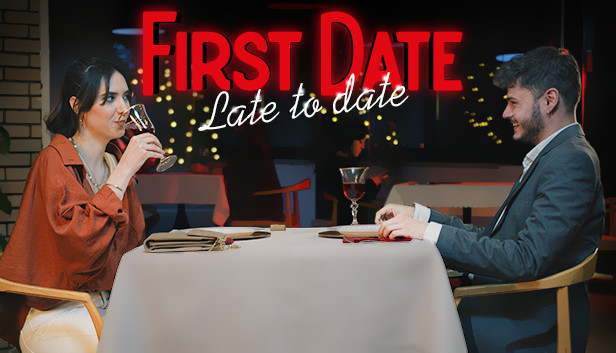
Why First Dates Still Feel Like a One-Take Test
Online dating moved the introduction online. It did not make the first in-person meeting easier. Three-in-ten U.S. adults have used a dating site or app — including about half of adults under 30 — and among recent users, 44% say a major reason was to meet a long-term partner, while 40% say they want to date casually. The funnel is crowded. The first date is still the bottleneck.
But turning a match into a good first meeting is frustratingly difficult:
- The chat that felt easy on the app goes stiff across a table
- Anxiety hijacks attention, so you perform instead of noticing the other person
- You over-prepare topics and under-prepare recovery when a topic dies
- You get one live attempt, then spend the next 48 hours replaying it
The conversation is the fear, not the outfit
Search behavior backs this up. Americans’ biggest first-date fear is awkward conversation — ahead of what to wear, where to go, or whether to kiss. That is a skills problem, not a wardrobe problem. You can pick a restaurant. You cannot improvise rapport if you have never practiced holding a conversation when it stalls.
Anxiety pulls you out of the room
The Anxiety and Depression Association of America describes a familiar loop: rumination starts before the date with “Will they like me?”, then crowds out the person sitting across from you. You monitor your own attractiveness, humor, and teeth instead of listening. Dating anxiety is also tied to fear of rejection and of rejecting someone else. Unfamiliar social interactions reliably mix anxiety with curiosity — which is useful energy if you can stay present, and a liability if you cannot.
Apps train the wrong muscle
App chat rewards short, delayed, editable lines. A first date rewards follow-up questions, stories, and comfort with silence. Women who recently used dating platforms are more likely to feel overwhelmed by message volume; men are more likely to feel insecure about a lack of messages (54% vs. 64%). Neither condition is practice for a 45-minute coffee. Clinicians even recommend “practice dates” with zero outcome pressure. An AI first date simulator is that practice without burning a real person’s evening.
This is exactly what Dating App Advisor was built for.
Why Dating App Advisor Works as a First Date Simulator
Dating App Advisor is a dedicated dating coach you can talk to before, during prep, and after the date — not a generic chatbot with a romance filter. You describe who you are meeting, what you already know, and where you are going. It then runs the scene, interrupts when you ramble, and tells you what actually improved.
| Traditional Approach | Dating App Advisor |
|---|---|
| Rehearse in the shower, then freeze when they answer unexpectedly | Live role-play that talks back, changes tone, and forces follow-ups |
| Advice articles that list “10 questions to ask” | Feedback on your questions, pacing, and recovery in a specific scenario |
| One live first date as the only rehearsal | Unlimited low-stakes runs until the opener and the exit feel natural |
| Friends who are too nice (or too harsh) | Direct notes on what sounded curious vs. what sounded like an interview |
Conversation mastery, not scripts
Scripts collapse the moment the other person does not follow the outline. A simulator is useful because it stays in character. You can run the same coffee date three times: once with an easy talker, once with someone reserved, once with someone who answers in three words. Each pass trains a different recovery — a follow-up question, a lighter story, a clean subject change — instead of memorizing lines you will not get to use.
First-date guidance tied to the real setup
Context changes what “good” looks like. A weekday coffee, a Saturday museum walk, and a dinner both of you already over-invested in do not call for the same energy. You can brief the simulator with the venue, how you matched, and any red flags you already noticed. The practice then matches the night you are actually walking into, including logistics people skip: who texts on the day, how you handle being late, and how you close without a vague “we should do this again.”
Honest feedback you can act on the same afternoon
After a run, you should leave with a short list: one habit to drop (over-explaining your job), one habit to add (one sincere compliment that is not about looks), and one exit line that does not sound like a brush-off. That is closer to how people actually improve at interviews and negotiations than reading another listicle the morning of.
Example prompts you can start with:
"Role-play a 40-minute first coffee date. You're someone I matched with on Hinge who loves hiking and hates small talk. Call me out if I interview you or fill every silence."
"I tend to overshare about my last relationship. Simulate a first dinner and interrupt me when I do it, then show me a better version of the same story."
"Practice the last five minutes of a first date that went well. Help me suggest a second date without sounding clingy or vague."
Related Agents You'll Also Find Useful
If the simulator gets you ready to talk, the rest of the date still has moving parts. These pair naturally with first-date practice — the kind of help you would actually use in the same month.
Date Planner
If you already know the conversation is the hard part, Date Planner handles the night around it: intent-driven plans, venue psychology, and a backup if the first spot is packed or loud.
- Builds a date around a goal (low-pressure coffee vs. a longer shared activity)
- Researches local options and contingencies so you are not improvising logistics
- Keeps the plan matched to budget, neighborhood, and how well you already know each other
Relationship Advisor
Once the first date is over, you need a clear read — not a spiral. Relationship Advisor is a practical coach for what the night actually meant and what to do next.
- Helps you separate chemistry from anxiety leftovers
- Gives language for a second-date text or a kind no
- Useful when you are dating while also navigating friends, family, or an almost-ex
Etiquette Coach
Manners are not the whole date, but they are the part other people notice when they go wrong. Etiquette Coach covers the unwritten rules: arrivals, phones, checks, introductions, and how to leave.
- Cultural briefings when the date is not in your usual social lane
- Phrasing for awkward moments (they brought a friend, the bill arrives, you need to go)
- Repair language if you already fumbled something
Fashion Consultant
Awkward conversation is the bigger fear, but clothes still change how you sit in the chair. Fashion Consultant helps you dress for the venue and the version of yourself you can actually relax in.
- Outfit checks against the plan (hike, wine bar, daytime coffee)
- Wardrobe notes that prioritize comfort and fit over costume
- Useful when you have two hours, a closet, and no honest friend nearby
Try Dating App Advisor free — no credit card required.
How It Works
Step 1: Brief the simulator like you would brief a friend Give the facts that change the scene: how you matched, three things you know about them, the venue, and what you personally freeze on. Specific briefs produce specific practice. “Be my first date” is too vague; “You are a 32-year-old architect who just moved cities and gets bored by job talk” is usable.
"We're meeting Saturday at 4pm for coffee after a week of Hinge messages. She likes climbing and terrible reality TV. I interrupt people when I'm nervous. Run the date and stop me when I do that."
Step 2: Run the date out loud, including the boring minutes Stay in the scene through the first lull, the bill, and the sidewalk goodbye. Those are the minutes people skip in their heads and then fumble live. If you only practice highlight-reel stories, you have not practiced a first date.
"Don't skip ahead. Make me sit in a 10-second silence and recover without asking another stacked question."
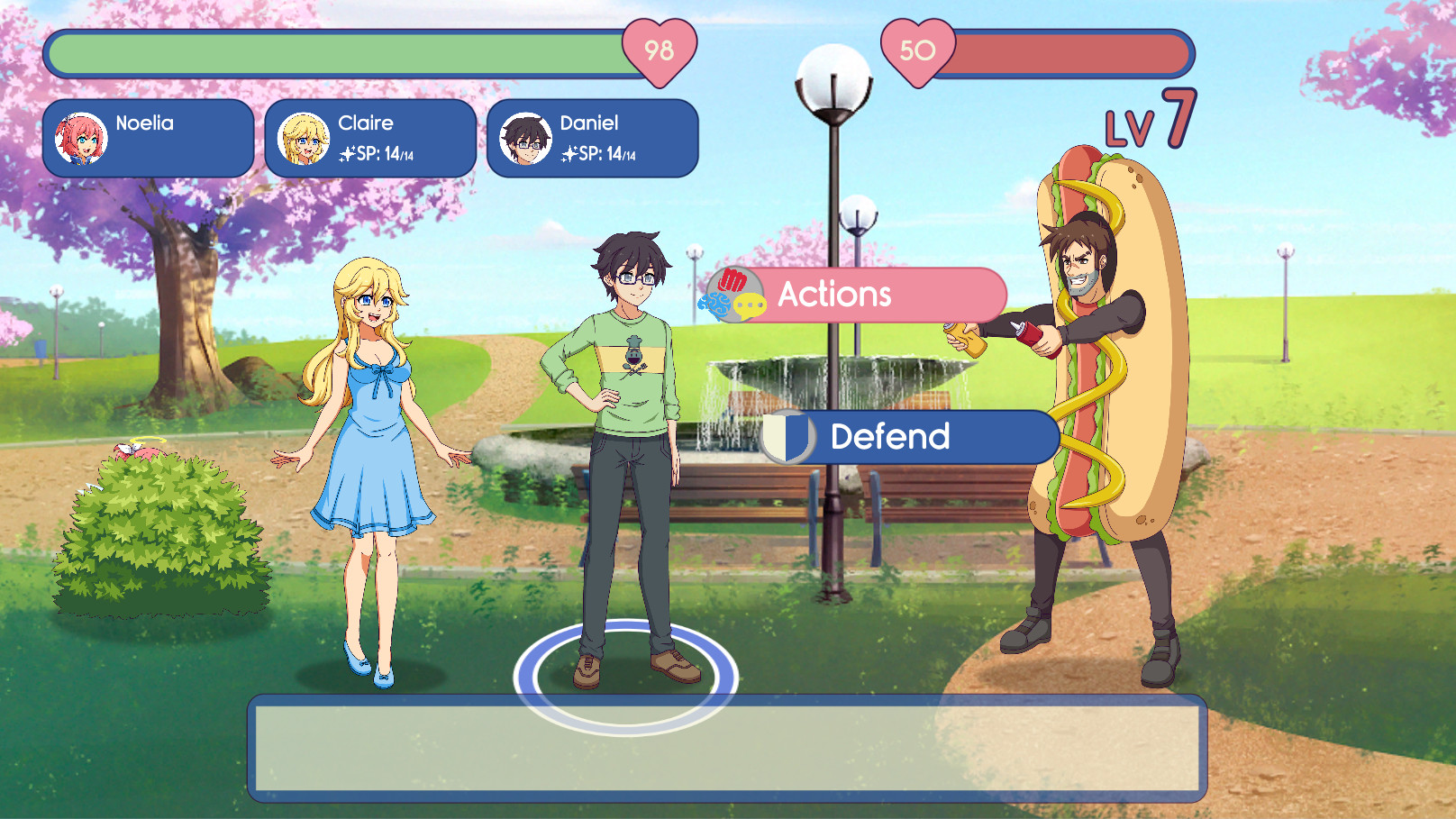
High-stakes encounters feel less brutal when you have already run them in a simulator. A first date is not a boss fight — but it is a live scene with a timer, and this AI first date simulator is how you get reps before the real clock starts.
Step 3: Ask for a short, ruthless recap After the role-play, request three things only: what made you easy to talk to, what made you hard to talk to, and one replacement line for the weakest moment. Long recaps feel productive and change nothing. A three-item list you can remember on the walk over does.
"Grade the date. Then rewrite my answer to 'What do you do?' so it invites a conversation instead of a resume."
Step 4: Rehearse the before and after, not just the table Practice the day-of confirmation text, the “I’m running 8 minutes late” message, and the next-morning follow-up. A strong coffee can still die in the 12 hours around it. Run those messages in the same thread so your tone stays consistent.
"Draft two follow-up texts: one if I want a second date, one if I don't. Keep both warm and specific. No 'had a nice time' filler."
Step 5: Do one more pass with a harder version of the other person If the first run was friendly, ask for a cooler, more distracted, or more intense date. Confidence from an easy simulation does not transfer. Confidence from recovering a dead conversation does.
Results & Use Cases
📊 Rehearse a first coffee after a week of good texts
- Scenario: You have been messaging for six days. The chat is easy. You are afraid the in-person version will feel like strangers.
- Traditional Approach: Reread the thread, overthink outfits, and hope the chemistry survives the first lull. Many people still walk: 11% of Americans have left a first date early.
- Dating App Advisor: You run the coffee twice — once matching their texting energy, once with them quieter than expected — and walk in with two recovery moves instead of a memorized bio.
- You keep stories short enough to leave room for them
- You practice ending on time so the date does not sprawl into a job interview
- You already know how you will suggest a walk if the cafe is loud
💼 Convert a match into a plan without killing the vibe
- Scenario: The match is real. Nobody has proposed a time or place, and the chat is starting to loop.
- Traditional Approach: Either wait (and watch interest fade) or dump three venue ideas in one paragraph.
- Dating App Advisor: You practice the ask until it is one clear plan plus one alternative. Then Date Planner can turn that intent into a specific spot that fits the time of day and how well you actually know each other.
- The invitation sounds like a decision, not a committee
- You stop using “sometime soon” as a substitute for a day
- Logistics stop eating the conversation you still need for the date itself
📱 Last-minute reps in a rideshare
- Scenario: You are 12 minutes from the bar, heart rate up, and you can feel yourself about to over-talk your job.
- Traditional Approach: Scroll the person’s profile again and arrive more in your head than in the room.
- Dating App Advisor: On your phone, you run a five-minute drill: one opener tied to something they already said, one question that is not “How was your week?”, and one way to admit you are a bit nervous without making it their problem.
- Works on mobile the same way it works at a desk
- Short enough to finish before you tip the driver
- Leaves you with a single intention (be curious) instead of ten talking points
🎯 Debrief so you do not sabotage the second date
- Scenario: The date was fine-to-good. You now want to replay every joke and delay the follow-up until it is weird.
- Traditional Approach: Group chat forensics for 36 hours.
- Dating App Advisor: You describe what happened. You get a plain read on interest vs. politeness, plus a follow-up text that references one specific moment. If the question is bigger than “what do I send,” Relationship Advisor is the better next conversation.
- You send the text while the night is still a shared memory
- You do not turn chemistry into a performance review
- You have language ready if they are slower to reply than you are
FAQ
What is a first date simulator?
A first date simulator is a practice environment where you rehearse a real first meeting — conversation, pacing, logistics, and exit — before you do it with someone who counts. Dating App Advisor plays the other person, stays in the scenario you set, and then tells you what worked. It is closer to a practice interview than to reading tips. You get reps on the exact skills first dates actually use: follow-up questions, silence, and a clean goodbye.
Is Dating App Advisor free?
Yes. You can use Dating App Advisor on a free plan with no credit card required. Paid plans increase usage if you want longer or more frequent sessions. For most people, a few focused role-plays before a real date are enough; you do not need to live in the simulator. If you are only rehearsing one upcoming coffee, start free and see whether the feedback is specific enough to change what you do on the night.
How is an AI first date simulator different from just using a dating app?
Dating apps help you meet people. They do not train the in-person hour. App chat is delayed, editable, and low-risk; a first date is none of those things. An AI first date simulator sits in the gap between match and meeting: you practice talking, listening, and closing. It will not swipe for you, and it will not manufacture chemistry. It will make you less likely to waste a good match on a rusty first conversation.
Can an AI first date simulator help with dating anxiety?
It can reduce the part of anxiety that comes from uncertainty and lack of reps. Clinicians already recommend low-stakes practice dates for that reason. Simulation is a private version of the same idea: you feel the awkwardness, recover, and notice that the pause was survivable. It will not treat clinical social anxiety on its own. If rumination is running your week, pair practice with the present-focused approach described by ADAA’s dating-anxiety guidance — curiosity about them, not a running score of you.
Does a first date simulator work on mobile?
Yes. You can run a full role-play at a desk or a five-minute drill on your phone on the way there. Mobile is often the more useful mode: that is when nerves spike and you need one opener, not a manifesto. Voice input works well for this because first dates are spoken. If you only type, you may still sound polished on screen and rushed out loud.
How accurate is practicing first dates with AI?
It is accurate as rehearsal, not as a prediction of whether this specific person will like you. The value is motor memory and language: you have already said your job in 20 seconds, already recovered from a dead topic, already asked for a second date without a speech. No simulator can tell you if there will be chemistry. It can make sure chemistry is not blocked by rust, rambling, or a freeze you could have practiced through.
Walk In Practiced, Not Perfect
First dates go wrong less often from a bad venue than from an unrehearsed conversation. Apps created more introductions; they did not create more practice. An AI first date simulator closes that gap. You run the scene, take the notes, and show up able to notice the person in front of you instead of the script in your head.
Try Dating App Advisor before your next coffee — one honest role-play is worth more than another hour of profile lurking. Explore more at Jenova.
For Developers: Dating App Advisor is available programmatically via the Jenova API — integrate first-date conversation practice into your application with a single API call. Full documentation →