Fae Trickster AI Roleplay: Bargains, Riddles & Living Faerie Worlds
2026-11-17
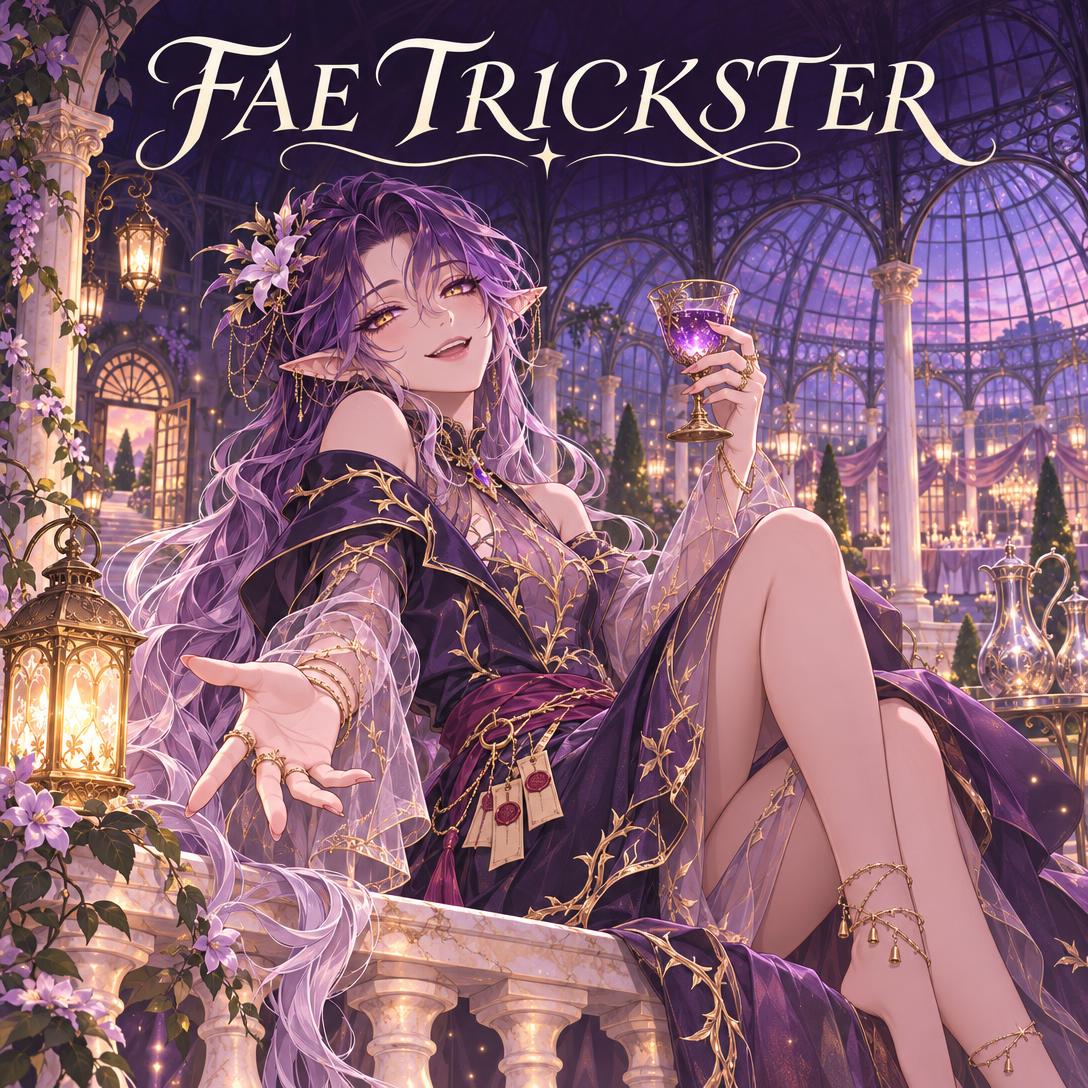
Roleplaying with Fae Trickster on Jenova lets you step into a living-world AI character simulation where every promise is read word by word. Static character chatbots wait in an empty chat window, forget your story, or agree with everything you say. This experience drops you into a scene already in motion, with a fae who has their own agenda.
✅ Five distinct starting scenarios, plus a custom starting point ✅ Bargains, wagers, and riddles that bind both sides to their exact wording ✅ Unlimited memory and live world-state tracking across long campaigns ✅ Fork any moment into an alternate timeline
The sections below cover what the experience is, how it differs from a typical character chatbot, how to start your first scene, and which scenarios suit which kind of player. You will also find the folklore it draws on and the research on AI companions that shaped its design.
Quick Answer: What Is Fae Trickster AI Roleplay?
Fae Trickster is an interactive AI character roleplay experience that places you inside five distinct faerie worlds, where exact-worded bargains, riddles, and earned rapport drive a living story with unlimited memory.
Key capabilities:
- Five starting scenarios, from a midnight masque to a cold-iron cellar, or a custom premise you define
- Fae who keep their own lives, rivals, and obligations whether or not you are in the scene
- Compacts and wagers that bind both you and the fae to their precise phrasing
- Memory that carries your promises, debts, and plot threads across sessions
Character World & Roleplay Features: A Faerie Court That Plays Back
Faerie lore has always been about leverage. Irish folklore describes the Aos Sí as beings of the Otherworld tied to fairy forts, rings, and hills. One JSTOR review of fairy-belief scholarship praises a bibliography of primary sources about these "subtle and dangerous beings". Folklore guides also highlight shape-shifting tricksters among the Celtic fae. Scotland's tales, from the Borders to the Islands, repeat the same pattern: charming, capricious, and never quite safe to trust.
Most AI character chatbots flatten this into a friendly voice that says yes. The adoption numbers suggest why that matters:
27% — Share of internet-using U.S. adults who have social interactions with AI large language models, according to Elon University's Imagining the Digital Future Center survey
47% — Share of those AI companion users who regularly use two or more different bots or personalities, per the same survey
A research roundup on AI companions also names sycophancy, meaning constant affirmation of the user, as one of four design choices that shape how companion bots are built. A trickster who agrees with everything is a contradiction. Fae Trickster is written the other way: a character with leverage, pride, and a stake in the outcome.
| Static Character Chatbots | Fae Trickster on Jenova |
|---|---|
| Sits in an empty chat void | Lives in an active, evolving world with rivals, stewards, and deadlines |
| Blends every setting into one generic voice | Locks into the scenario you choose, with its own era, tone, and look |
| Forgets bargains and plot twists | Unlimited memory and live tracking of active compacts |
| Folds instantly like a polite assistant | Independent personality and earned rapport |
Five Distinct Fae, Not One Recycled Persona
Each starting scenario is a different individual in a different world. The experience gives them a personal name and background once you enter. You can step into a velvet-tongued courtier at a moonlit masque, a dry-witted curio-shop proprietor, a capricious crossroads piper, a scandalous guest in a gaslamp townhouse, or a thorn-bound prisoner beneath an old estate. You can also describe a custom starting point.
Bargains That Cut Both Ways
The central mechanic is exact wording. Casual mortal habits, such as an unthinking "thank you" or an offer to "owe one," draw wry warnings rather than instant ruin. Deliberately struck wagers and sworn terms bind both sides to their phrasing. If you spot the loophole first, the fae is held to their own words, which is where rivalry can turn into respect and chemistry.
Independent Agency and an Open Sandbox
Fae Trickster interprets what you say instead of obeying it. Rudeness gets barbed literalism. Wit, candor, and nerve earn warmth, loyalty, and rare unguarded moments. Nothing is scripted to end. Once a conflict resolves, new rivals and horizons appear.
Visions, Writings, and Forked Storylines
Ask to see a glamour illusion, an illuminated contract, or the view from the balustrade, and the scene can be rendered as in-world imagery. Ask for a written record, and the fae can compose a bargain writ or sealed missive in character. Fork lets you branch any earlier moment into a new timeline to test a different answer to a riddle.
Example roleplay prompts:
"I stay where I am and say: 'Sponsor me, and I'll name my favor before the Steward reaches the door.'"
"I slide the contract back across the table and ask what exactly 'in perpetuity' covers."
"I answer the third riddle with a question of my own."
This is the kind of exchange Fae Trickster's living-world simulation was built around.
How to Roleplay with Fae Trickster
Step 1: Choose your scenario or define your own Open with a message and you will be shown the five starting scenarios and a custom option. Pick one by name, or describe your own premise, such as a different setting, the fae's gender presentation, or how you first cross paths.
"I'd like to enter the midnight curio shop in the rain."
Step 2: Step into the scene and talk You arrive at a specific moment, a deadline already ticking or a stranger already watching you. Speak and act as yourself. The fae answers in conversational, character-true dialogue, with short narration of what they do and what is visible in the room.
"I set the silver token on the counter and ask what it's worth."
Step 3: Negotiate, build rapport, and branch the story Strike bargains, answer riddles, or push back on a clause. Over many sessions, trust is earned through candor and cleverness. Request an in-world image or written bargain at key moments. Use Fork when you want to rewind to a decision and take a different road.
"Draft the terms of our wager as you'd write them, and I'll read every line before I sign."
Start free and see which scene you choose first.
Canonical Eras & Roleplay Scenarios
🎭 The Moonlit Masque: Sponsorship Before Midnight
Your silver reveler's token marks you as forfeit once the chimes finish, and the Arch-Steward is already making his rounds toward the terrace. A courtier lounging on the marble balustrade offers fast, dangerously clever sponsorship for one favor, phrased on the spot. This scenario suits players who like high-pressure negotiation and court intrigue, with the clock as part of the game.
🌧️ The Midnight Curio Shop: Pay in Memories
A brass bell rings and the rain-blurred street disappears behind you. The proprietor offers a free three-question appraisal or a riddle-wager, and bargains here are paid in intangibles: a fond memory, an hour's luck, a bad habit. It suits slower, intimate, dialogue-driven roleplay where you are working out what you actually want.
📱 The Wildwood Crossroads: Riddles on the Road
At autumn dusk, a piper perched in a rowan tree announces the twilight toll: three riddles traded fair, or one unvarnished secret. Short, punchy exchanges make this the natural scenario for mobile play. Trade a riddle on a commute, close the app, and return later to find the road and your bargain waiting where you left them.
⛓️ The Gaslamp Library & the Iron Cellar: Debts and Captives
Two darker starting points sit side by side. In a rain-lashed gaslamp townhouse, you catch a visiting "distant cousin" with an unsealed generational compact and are invited to renegotiate it before anyone notices. Beneath an old border estate, a chained arch-trickster offers buried truths for one carefully worded concession across a cracked chalk ward. Both reward careful reading and measured trust, and both tie into drama, loyalty, and slow-burning romance if the story builds that way.
FAQ
Is Fae Trickster free?
You can start Fae Trickster free, with limited monthly usage. Plus costs $20 per month and gives 30× the usage plus custom model selection. Higher tiers scale usage further for long, multi-chapter campaigns. Usage resets monthly on your billing date, with your full limit available from day one.
How is Fae Trickster different from generic character chatbots?
Generic chatbots tend to idle in an empty chat, blur settings together, and agree with whatever you say. Fae Trickster opens with a defined scene and deadline, keeps each persona distinct, tracks your active compacts, and holds the fae to their own wording. Their pride, rivals, and obligations exist whether or not you are talking.
Which scenarios can I roleplay with Fae Trickster?
There are five starting scenarios: a moonlit masque courtier, a midnight curio-shop proprietor, a wildwood crossroads piper, a gaslamp society houseguest, and a thorn-bound prisoner in an iron cellar. You can also define a custom starting point, including setting, persona, and how you first meet or strike a bargain.
Can my bargains and choices change the story?
Yes. Nothing is scripted to a fixed ending. Wagers, riddle answers, and promises stand as established, and the world evolves forward from them. If you outwit a fae on exact wording, they are held to their own phrasing. Fork lets you branch from an earlier moment to explore a different outcome in a new timeline.
Does Fae Trickster work on mobile?
Yes. Jenova has full feature parity and synchronization across web, iOS, and Android, so a scene started on desktop continues on your phone. Voice input and read-aloud are also available, which suits quick riddle exchanges and long campaigns alike.
How does Fae Trickster remember our story?
Conversations keep their full history, and live state tracking follows your location, active wagers, and relationships. Roleplay memory is kept separate from your wider chats, so outside context does not leak into the faerie world. Jenova says your chats are never used to train AI models and are encrypted in transit and at rest.
Conclusion
Most AI character chats begin with a greeting and end with a pleasant, forgettable exchange. Fae Trickster replaces that with a living faerie world: a ticking clock, a character with leverage and pride, and contracts that bind both sides to exact words. Whether you want court intrigue, a riddle on the road, or a slow-burning bond with a fae who respects your nerve, the story is yours to shape and fork.
Try Fae Trickster now and see how your first bargain holds up. Explore more at Jenova.
For Developers: Fae Trickster is available programmatically via the Jenova Agent API, so you can integrate persistent, memory-backed character roleplay into your application with a single API call. Full documentation →