AI Dragon Rider Roleplay: Dragon Bonds, Aerial Combat & Lasting Lore
2026-10-16
Roleplay Game Master helps you live out AI dragon rider roleplay by running a fantasy world that remembers your dragon's name, temperament, and scars, your rivals' grudges, and every oath you've sworn. As of October 2026, most general chatbots still lose track of long campaigns after a few sessions. This AI game master is built for unlimited memory and consistent characters, so your saga holds together from the first hatching to the last war in the skies.
- ✅ Unlimited memory: your dragon bond, flight training, and kingdom politics carry across every session
- ✅ Consistent characters: wingleaders, rival riders, and your dragon keep their voices and motives
- ✅ Complete creative freedom: Pern-style bonding, Fourth Wing-style war colleges, or lore you invent from scratch
- ✅ Play anywhere: on web, iOS, or Android, starting free
Dragon rider fiction is one of fantasy's most loved traditions. It runs from Anne McCaffrey's Dragonriders of Pern to Christopher Paolini's Eragon and Rebecca Yarros's Fourth Wing. Yet playing that fantasy yourself, with a partner who can sustain it, has always been harder than reading it. To understand why, let's look at what roleplayers run into today.
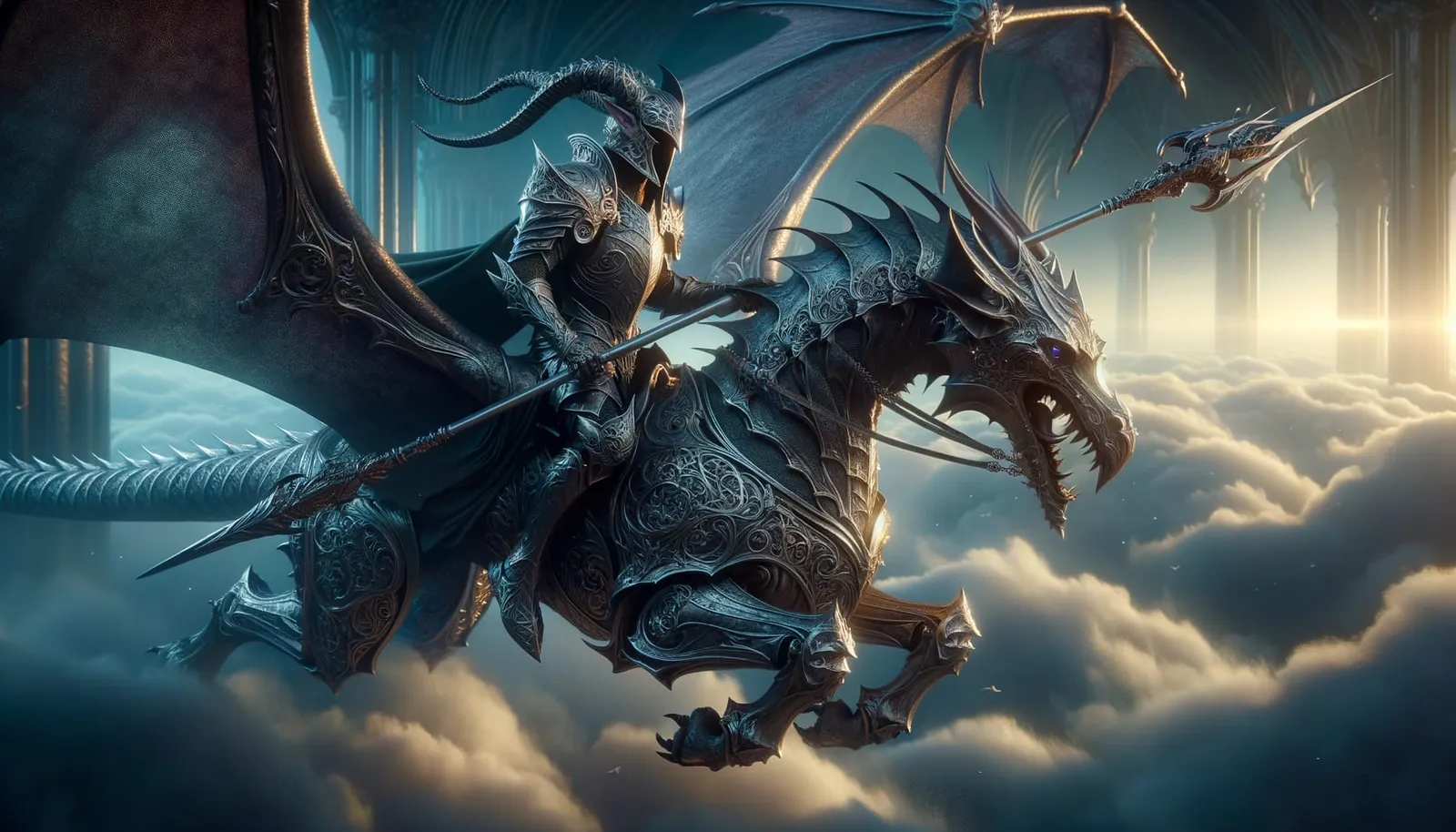
Quick Answer: What Is AI Dragon Rider Roleplay?
AI dragon rider roleplay is interactive fantasy storytelling where an AI game master narrates your world, voices your dragon and every NPC, and responds to your choices in real time, creating a continuous campaign you shape through conversation.
Key capabilities:
- Bonding arcs where your dragon develops personality, trust, and history with you
- Aerial combat, siege warfare, and rider-academy trials narrated turn by turn
- Persistent world state: kingdoms, factions, and rivalries that change as a result of your actions
- Custom lore, including dragon breeds, bonding magic, and rider hierarchies you define
The Problem: Why Dragon Rider Campaigns Fall Apart
Interest in AI-driven characters is growing fast. Fictional characters lead the category because roleplay and immersive storytelling are its biggest draws.
USD 0.55 billion → USD 5.45 billion — Projected growth of the character-based AI agents market from 2026 to 2032, a 46.7% CAGR
USD 1.2 billion — Estimated value of the AI roleplay chatbot market in 2026
$2.1 billion — Global tabletop role-playing games market value in 2025
The appetite is clear. Dungeons & Dragons alone cleared around $460 million in revenue in 2025. But sustaining a dragon rider campaign is frustratingly difficult:
- Memory collapse: Your dragon forgets the wound it took defending you, or the rival rider you humiliated reappears as a friend.
- Character drift: The same industry report flags issues in maintaining long-term personality consistency and memory accuracy as a core restraint for character AI.
- Default-tool limits: 91% of AI users reach for their favorite general AI tool for nearly every job. Those tools aren't designed to run a world that lasts for months.
- Human GM scarcity: Finding a game master who loves dragon fantasy and fits your schedule every week is rare.
The dragon-rider bond is the core of the genre. It depends on accumulated history, such as the first flight, the shared trauma, and the oath that costs something. When that history disappears, the fantasy disappears with it.
This is exactly what Roleplay Game Master was built for.
Why Roleplay Game Master Works for Dragon Rider Roleplay
Roleplay Game Master is a dedicated AI storyteller designed for immersive roleplay, unlimited memory, and character consistency. It doesn't treat each message as a fresh prompt. It treats your campaign as a living world, so the dragon you hatched in session one still carries that history in session fifty.
| Traditional Approach | Roleplay Game Master |
|---|---|
| General chatbots lose plot threads after long conversations | Unlimited memory keeps every bond, betrayal, and battle on record |
| NPCs change personality between sessions | Consistent voices and motives for your dragon, rivals, and commanders |
| Human GMs need scheduling, prep time, and shared availability | Available whenever you are, for a 10-minute scene or a 3-hour war |
| Published settings box you into someone else's lore | Complete creative freedom to build your own breeds, magic, and politics |
🐉 A Dragon Bond That Remembers
Your dragon should feel like a character, not a mount. Tell the game master your dragon is proud, distrustful of humans, and still grieving a lost rider. That temperament will shape how it reacts when you make a reckless call mid-flight. Trust can be earned, strained, and repaired over many sessions.
⚔️ Aerial Combat With Real Stakes
Dogfights between dragon wings, sieges against fortified citadels, and storm-diving pursuits through mountain passes all play out turn by turn. Ask for injuries, fatigue, and tactical consequences, and the narration keeps track of them. A torn wing membrane in one battle becomes a weakness the enemy exploits in the next.
🏰 Politics, Academies, and Rivalries
Dragon rider stories are rarely just about flying. Throne disputes, rider councils, war colleges with deadly trials, and rival houses competing for hatchlings give the world depth. Because the game master keeps characters consistent, a rival's resentment builds over time instead of resetting.
🌍 Any Lore You Can Imagine
You can run telepathic bonds in the vein of Eragon, Napoleonic dragon aerial corps in the style of Naomi Novik's Temeraire, or a grimdark setting where dragons are bred as weapons. You set the rules, tone, and intensity.
Example prompts:
"Start a campaign where I'm a stable hand who accidentally bonds with a dragon egg meant for the crown prince. The prince must not find out."
"My dragon Vharys is a storm-wing who resents being ridden. Run our first flight lesson, and make her test me."
"Continue from last session: we're three days from the Ashen Citadel and my wingmate still suspects me of treason."
Related Agents You'll Also Find Useful
Dragon rider campaigns often grow beyond the game itself. These agents help with the next steps.
Creative Fiction Writer If your campaign has produced a story worth telling, this agent can help you turn it into polished prose. It works across genres, from first draft to final manuscript.
- Deep research for building authentic worlds
- Editorial insight on structure, pacing, and character arcs
- Polished prose for short fiction or full novels
Game Designer Assistant If you're designing your own dragon rider tabletop system or video game concept, this agent helps you formalize bonding mechanics, combat systems, and progression.
- Brainstorming and systems analysis
- Game design documentation
- Concept art support for creatures and settings
Comic Creator If you want to see your saga illustrated, this agent turns campaign moments into sequential art, from a single issue to a full graphic novel.
- Dynamic page layouts and sequential storytelling
- Bold, consistent visual styles
- Support for single issues through long-form sagas
Ready to saddle up? Your first dragon rider campaign is free, with no credit card required.
How AI Dragon Rider Roleplay Works
Step 1: Define Your Rider Describe who you are in the world: an orphaned apprentice, a disgraced knight, or a cadet at a rider academy. Include one secret or flaw so the story has something to build on. Open the AI game master and set the scene.
"I'm Kael, a 19-year-old blacksmith's son with no noble blood, entering the Dragonguard trials against my father's wishes."
Step 2: Create Your Dragon Give your dragon a breed, size, color, temperament, and a reason it might bond with you, or refuse to. The more specific you are, the more distinct its personality will be.
"My dragon is an obsidian-scaled ridgeback, fiercely loyal but terrified of open water after nearly drowning as a hatchling."
Step 3: Set the World's Rules Establish how bonding works, who holds power, and what threatens the realm. You can also ask the game master to propose lore and then refine it together.
"Bonded riders share pain with their dragons. The empire controls all hatcheries, and a rebellion is stealing eggs."
Step 4: Play the Scene Act, speak, and decide. The game master narrates outcomes, voices NPCs and your dragon, and raises the stakes based on your choices.
"I take Vharys into the cloud bank to lose the pursuing wing, even though I know she hates flying blind."
Step 5: Return and Continue Come back tomorrow or next month. Your bond, injuries, alliances, and enemies are still there, so you can pick up mid-battle without recapping.
"Where did we leave off? Remind me what the Wingmarshal promised in exchange for my silence."
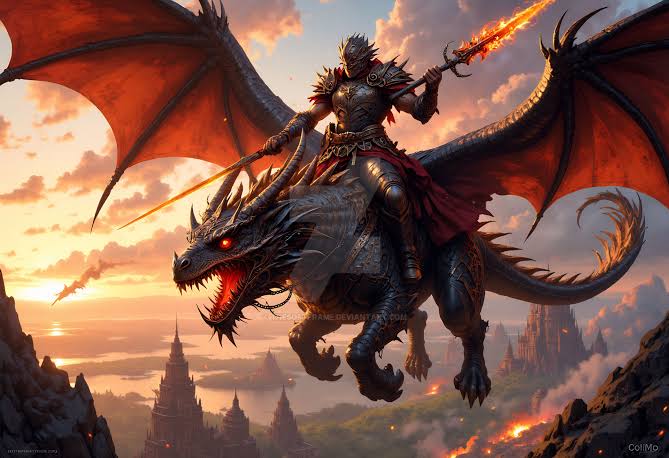
Results & Use Cases
🐉 The Months-Long Bonding Campaign
Scenario: A player wants a slow-burn arc where a wild dragon gradually learns to trust a rider over dozens of sessions.
Traditional Approach: Keep detailed notes, re-explain context to a chatbot every session, and watch the dragon's personality reset anyway.
Dedicated AI roleplay: The bond builds naturally. Early refusals, a shared injury, and a reluctant rescue all accumulate into a relationship that feels earned.
- No manual recaps needed
- The dragon's reactions reflect your shared history
- Emotional payoffs land because the setup is remembered
⚔️ The Rider Academy Rivalry
Scenario: A Fourth Wing fan wants a brutal war-college campaign with deadly trials, a rival cadet, and shifting alliances.
Traditional Approach: Find a human GM willing to run high-stakes academy drama weekly, then hope the schedule holds.
Roleplay Game Master: Runs trials, challenge matches, and late-night conspiracies on demand. The rival cadet's grudge grows sharper each time you outshine them.
- Consistent NPC motives across dozens of characters
- Escalating stakes based on your performance
- Play at any intensity you choose
📱 The Commute-Sized Campaign
Scenario: A player with a 30-minute train ride wants to advance a dragon war storyline on their phone each day.
Traditional Approach: Tabletop sessions require hours of shared time. Mobile games offer scripted stories with limited choices.
Roleplay Game Master: Short daily scenes on iOS or Android, using text or speech-to-text, that pick up exactly where the last one ended.
- Same campaign across phone and desktop
- Ten-minute scenes still move the story forward
- Hands-free input when typing isn't practical
✍️ From Campaign to Manuscript
Scenario: After six months of play, a roleplayer realizes their dragon war saga could become a novel.
Traditional Approach: Reconstruct the plot from scattered memory and start drafting from nothing.
With the game master and Creative Fiction Writer: Ask the game master to summarize key arcs and characters, then bring that outline to the writing partner for structure and prose.
- Campaign history becomes a ready-made story bible
- Editorial guidance on turning play into narrative
- A smooth handoff from playing to writing
One overview notes that immersive storytelling can strengthen empathy, problem-solving, and emotional regulation, which is one reason long-form roleplay offers more than escapism for many players.
Frequently Asked Questions
Is AI dragon rider roleplay free?
Yes, you can start for free. Jenova's free tier includes all core features with limited monthly usage. Paid plans start at $20/month for 30× the free usage and custom model selection, with higher tiers for heavier play. Usage resets monthly and has no daily caps, so you can run a long session whenever inspiration strikes.
Can Roleplay Game Master remember my dragon across sessions?
Yes. The AI storyteller is built around unlimited memory and character consistency. Your dragon's name, temperament, injuries, and bond history persist between sessions, as do your rivals, allies, and political standing. You can return after a week away and continue mid-scene without recapping.
How is AI roleplay different from a general chatbot?
General assistants are designed for many quick tasks, so long narratives tend to drift as conversations grow. A dedicated roleplay game master is designed to run a continuous world. It voices NPCs consistently, tracks plot threads, and narrates consequences that build over time, which dragon rider stories need.
Can I create my own dragon breeds and lore?
Absolutely. You can define breeds, bonding rules, magic systems, rider ranks, and kingdoms, or ask the AI to propose lore and refine it together. If you want to turn that lore into a formal tabletop system, Game Designer Assistant can help you design mechanics and documentation.
Does AI dragon rider roleplay work on mobile?
Yes. You can play on web, iOS, and Android with full feature parity, and your campaign syncs across devices. Speech-to-text lets you narrate your actions out loud, which is useful for quick scenes on the go.
Conclusion: Your Dragon Saga, Remembered
Dragon rider fantasy works because the bond between rider and dragon is built over time, through first flights, shared wounds, and choices that cost something. Most AI roleplay tools struggle to hold that history together. A dedicated game master with unlimited memory and consistent characters makes it possible to play a saga as rich as the books that inspired it.
Whether you want a slow-burn bonding arc, a ruthless rider academy, or a war for the skies above a burning capital, AI dragon rider roleplay finally gives that story room to grow. Try Roleplay Game Master now and hatch your first dragon.
Explore more at Jenova.
For Developers: Roleplay Game Master is available programmatically via the Jenova API. You can integrate persistent, memory-rich interactive storytelling into your game or app with a single API call. Full documentation →