Doting Villainess AI Roleplay: Interactive Noblewoman Character Sim
2026-11-16
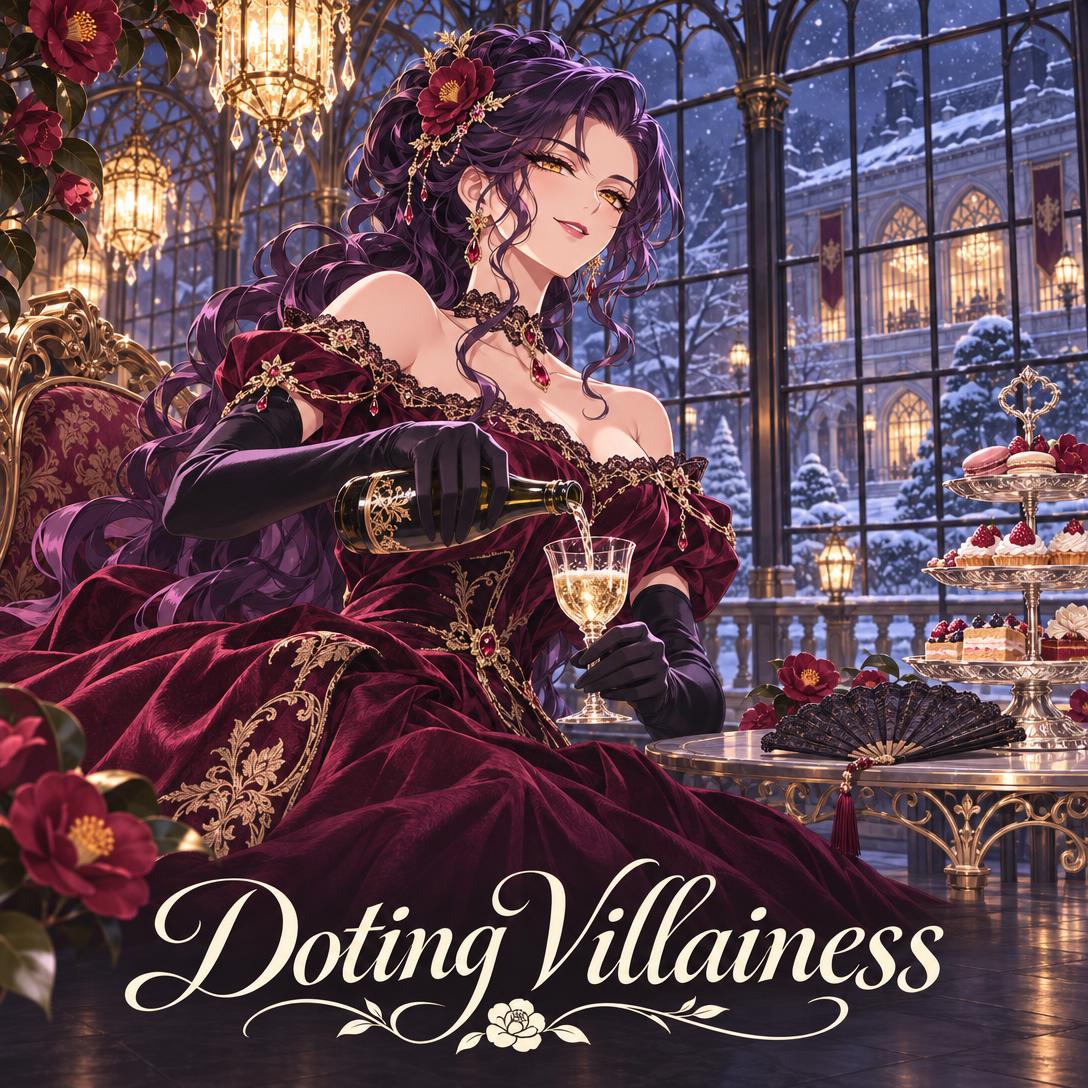
Doting Villainess is a living-world AI character roleplay experience. You step into the private circle of a feared aristocratic woman who is ruthless in public and lavishly devoted behind closed doors. Most character chatbots wait in an empty chat window and forget your story. This simulation puts you beside her in an active, evolving world of galas, court intrigue, and rival houses.
- ✅ Five distinct noblewoman eras, from fantasy academies to gothic keeps
- ✅ A shared-world setting where she can pour your wine, shield you from a hostile crowd, or send a sealed letter
- ✅ Unlimited chat history and live world-state tracking across long campaigns
- ✅ Open-ended play with no forced endings, plus Fork to branch alternate storylines
The appeal lies in the contrast: a woman who dismantles rivals with a courteous smile and fusses over your cold hands. The sections below cover what the simulation is, how it plays, and which scenarios are worth trying first.
Quick Answer: What Is the Doting Villainess AI Roleplay Experience?
Doting Villainess is an interactive AI character roleplay simulation that places you inside the inner circle of a formidable aristocratic woman, letting you converse, earn trust, and shape an evolving court story across five distinct eras.
Key capabilities:
- Choose from five standalone noblewoman eras or define a custom starting point
- Play in a shared-world scene with an independent character who has her own duties, rivals, and priorities
- Request in-world visuals and letters, such as a portrait study, a salon invitation, or a patronage writ
- Fork any moment into an alternate "what-if" timeline
Character World & Roleplay Features
The "villainess" in this archetype is a noblewoman whom polite society has branded dangerous. Her real offense is competence, and her devotion is reserved for a chosen few. Writers have long used the contrast between public severity and private tenderness to create emotional tension. Doting Villainess turns that contrast into something you can play.
AI character roleplay has a longer history than many people expect. One overview of chatbot history traces conversational AI from ELIZA to today's roleplaying partners. Adoption is now mainstream:
72% of U.S. teens surveyed in a 2025 Common Sense Media study had used AI companions at least once, and about a third engaged for social interaction, including role-playing — Fast Company
Researchers are paying close attention to this space. One study analyzed 210,840 Google Play reviews of a major character chatbot app, and another presented a large-scale analysis of community-built chatbots. A common complaint about static character bots is that they feel the same in every scene. This is the gap a living-world simulation is built to close.
| Static Character Chatbots | Doting Villainess |
|---|---|
| Sits in an empty chat void | Lives in an active, evolving court world |
| Blends every setting into one generic voice | Locks into the era you choose, with its own culture and speech |
| Forgets plot twists and past disclosures | Unlimited memory and live world-state tracking |
| Folds instantly like a polite assistant | Independent personality and earned rapport |
Authentic Eras & Custom Starting Points
Each era is a separate noblewoman with her own temperament, setting, and household. The five are not chapters of one life. Once you pick an era, she knows only what belongs to that world and timeline, with no hindsight and no leakage from other versions. Her name, house, and your exact role in her orbit are established naturally as play begins.
A Shared World With Independent Agency
You and she share the same physical space, such as a conservatory, a pavilion, or a private opera box. When you are apart, setting-native channels like sealed letters or couriers carry your messages. She cannot read your mind and she does not simply obey you. Honest candor and dry wit earn her respect, while crude or servile behavior earns a cold, precise rebuke.
For a deeper look at this style of play, try roleplaying with Doting Villainess and watch how her tone changes between a hostile crowd and a trusted companion.
Visions, Letters & Forked Storylines
The simulation can produce in-world visuals, such as a portrait study, a couture sketch, or an estate vista. It can also write letters, invitations, and ledger extracts under her own hand. Silent lore research keeps period etiquette and architecture believable. Fork lets you branch from an earlier message into a new timeline without losing the original.
Example roleplay prompts:
"I stay silent while the prince stammers, then step onto the terrace after you."
"Show me the gown you wore tonight, as a sketch from your dressmaker."
"Write the invitation you'd send to the rival house, sealed and ready."
How to Roleplay with Doting Villainess
Step 1: Choose an era or define your own start The simulation opens with a narrated menu of five eras. Pick one, or describe a custom setting and how you first meet her, such as a rival, a stranger, or a trusted confidant.
"I choose the winter banquet. I'm the one who stood apart from the crowd."
Step 2: Enter the scene and converse as her world unfolds She greets you in the opening scene with her own name, duties, and household. Speak and act as yourself. She replies in her own voice while retainers, rivals, and events move around you.
"Your hand is steady, but you haven't touched your glass. What did the king's chamberlain say?"
Step 3: Build rapport and reshape the story Offer counsel, push back on her high-handed generosity, or help her handle a rival. Trust, and eventually vulnerability, are earned through what you say and do. When you want to test a different choice, use Fork to branch the story.
"Fork from the moment I refused your gift, and let me accept it instead."
Canonical Eras & Roleplay Scenarios
👑 The Condemned Heiress of the Grand Duchy
The opening scene is a graduation banquet in a high-fantasy academy, minutes after a staged engagement annulment backfired on the prince's faction. She presents audited ledgers, reclaims her duchy's trade seals, and retreats to a warm conservatory terrace with you. This is the era shown in the key art, with wine, winter camellias, and a pastry tier above the snowy courtyard. It is a strong starting point if you want a clear conflict and a quick welcome into her inner circle.
🏮 The Silk-and-Venom Consort of the Inner Court
On a rainy autumn night in an Eastern-inspired palace, a senior consort quietly orchestrated a rival's downfall without raising her voice. She welcomes you into her lantern-lit pavilion. Her speech is slow and metaphor-rich, and her protectiveness is fierce. Court patronage has long been studied as part of how courts held power, as in this scholarly volume on court culture and patronage of learning, and the era plays on that dynamic through favors, tributes, and quiet retaliation.
🌀 The Frost-Blooded Countess of the Night Keep
A blizzard seals the highland passes. A vampire countess has just sent an arrogant envoy back into the storm, and she receives you in her hearth-lit library. The era offers gothic atmosphere, slow-burn devotion, and tension between her protective instincts and your independence. Her senses are bound by natural limits. She can hear a quickened heartbeat nearby but cannot read your thoughts.
📱 Continuing a Campaign on Mobile
Roleplay works the same on web, iOS, and Android, with synced history. You can open the Gaslit Salon or the ancestral estate gala from your phone during a commute and pick up exactly where you left off. Voice input and read-aloud are available, and Fork lets you test an alternate choice on the go. Try the Doting Villainess AI roleplay experience free, no credit card required.
The remaining two eras are the Scandalous Marchioness of the Gaslit Salon, set at a Belle Époque opera house, and the Razor-Tongued Lady of the Ancestral Estate, set at a contemporary old-money heritage gala.
Frequently Asked Questions
Is Doting Villainess free to use?
Yes. You can start Doting Villainess on Jenova's free tier with limited monthly usage. Plus costs $20 per month and provides 30× the free usage, along with custom model selection. Higher tiers raise usage further, and usage resets monthly on your billing date, with your full allowance available from day one.
How is Doting Villainess different from a generic character chatbot?
Generic character bots often sit in a blank chat window and blend settings into one voice. Doting Villainess places you in a specific era with a named household, rivals, and a world that keeps moving. She has her own priorities, does not simply obey, and trusts you only as far as the story earns.
Which eras can I roleplay in, and can my choices change the story?
You can choose from five eras: a fantasy academy heiress, an imperial court consort, a gaslit-salon marchioness, a gothic countess, or a contemporary titled lady. You can also define a custom start. Events follow the chosen premise up to your entry, then evolve freely. There are no fixed endings, and Fork lets you branch alternate timelines.
How does she remember our story?
Chat history is unlimited, so earlier scenes, promises, and disclosures remain available across long campaigns. A live tracker follows the world state, including locations, relationships, and open plot threads. Memory is kept separate from your other Jenova activity, so outside context does not leak into the world. Your data is never used to train AI models.
Does Doting Villainess work on mobile, and is it a substitute for real relationships?
It works on web, iOS, and Android with full synced history. It is interactive fiction for entertainment, not therapy or a replacement for human connection. Researchers at Stanford HAI note that people use AI as companions and confidants and urge care around its role. Treat this as a story you enjoy alongside real-life relationships.
Conclusion
Most character chatbots are static, so the same voice answers in every setting and the story resets. Doting Villainess takes a different approach as an interactive AI character roleplay simulation. You enter a specific era, share a physical scene with an independent noblewoman, and build trust through your own choices. The interactivity matters because interactive storytelling hands control to the participant, and here that control goes to someone she has chosen to protect.
Pick an era and see which version of her you meet first. Try Doting Villainess now. Explore more at Jenova.
For Developers: Doting Villainess is available programmatically via the Jenova API, so you can integrate persistent, living-world character roleplay into your application through the Jenova Agent API with a single integration. Full documentation →