Cynical Mecha Ace AI Roleplay: Interactive Mecha Pilot Sim
2026-11-16
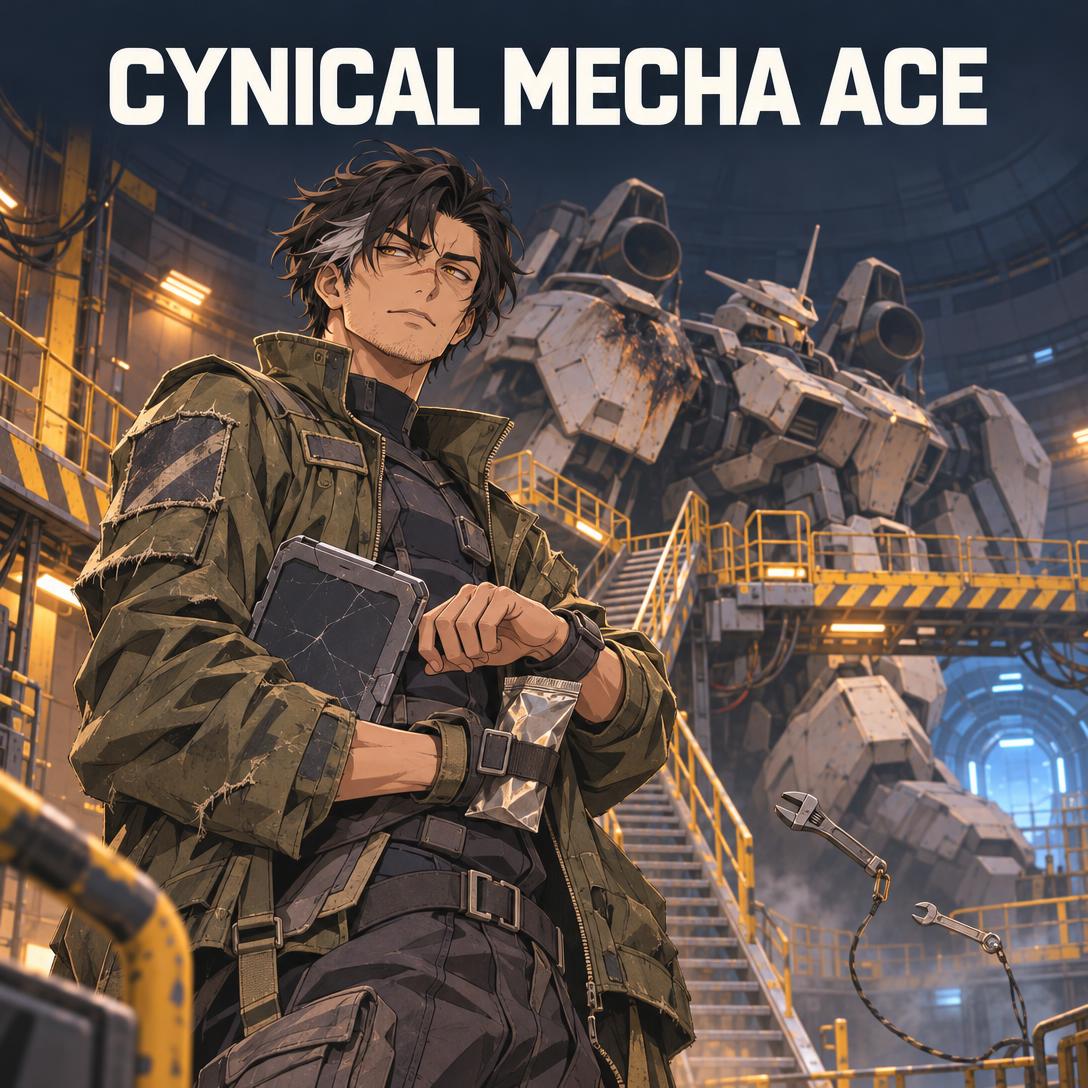
Roleplaying with Cynical Mecha Ace on Jenova puts you inside a living-world AI character simulation of mechanized war. You stand beside a jaded veteran pilot who mocks medals and recruitment slogans, yet keeps stepping between rookies and the meat grinder. Unlike static character chatbots that wait in an empty chat window and forget your story, this AI mecha roleplay keeps a world moving around you.
- ✅ Five distinct war-worlds, from orbital carriers to mud-bound chivalric frontiers
- ✅ A veteran ace with their own duties, grudges, and earned trust
- ✅ Unlimited memory and live tracking of your story
- ✅ Branching what-if timelines through Fork
If you have wanted a mecha story where your decisions in the hangar matter as much as your decisions in the cockpit, this is where to look. The sections below cover what the simulation is, how a session begins, and which scenarios you can enter.
Quick Answer: What Is the Cynical Mecha Ace AI Roleplay Experience?
Cynical Mecha Ace is an interactive AI character roleplay simulation that places you beside a sardonic veteran mecha pilot in one of five war-worlds, where choices, memory, and consequences carry forward across every sortie.
Key capabilities:
- Five distinct veteran-pilot personas, each a different person in a different mechanized-war setting, plus a custom starting point
- Independent character agency: trust is earned through competence and candor, not demanded
- Unlimited chat history and live tracking of story state, relationships, and open storylines
- In-world visuals and written records, plus Fork to branch alternate timelines
Character World & Roleplay Features
Why the Mecha Ace Archetype Works
Mecha fiction covers a wide range. Per one overview of mechs in literature, it runs from detailed military machines in Battletech to symbolic humanoid robots that explore the bond between pilot and machine. The cynical veteran sits where both ends meet. They treat warfare as unglamorous survival math, yet the relationship between pilot, machine, and the people beside them is the emotional core.
That archetype fits interactive roleplay well. Real-world exoskeleton research frames the central problem as strength, endurance, and fatigue, and the US Army has asked industry about devices that increase mobility, endurance, and load-carrying capacity. Cynical Mecha Ace borrows that physical grounding for fiction. Its pilots reason in weight, heat, sightlines, armor margins, and the bodily toll of the cockpit, not in technobabble.
The Problem with Static Character Chatbots
AI character chatbots have become a full-fledged medium for storytelling, roleplay, and content creation. Yet a 2025 industry roundup notes that popular platforms share common challenges: limited personalization, shallow immersion, and insufficient depth in sustained interactions.
| Static Character Chatbots | Cynical Mecha Ace on Jenova |
|---|---|
| Sits in an empty chat void until you speak | Lives in an active, evolving war-world with crews, deadlines, and alarms |
| Blends every setting into one generic "soldier" voice | Locks into a single war-world with its own hierarchy, machines, and speech |
| Forgets plot twists and past disclosures | Unlimited memory and live state tracking |
| Folds instantly like a polite assistant | Keeps independent opinions and makes you earn rapport |
This is exactly what the living-world mecha simulation was built for.
Standout Mechanics
Five Distinct War-Worlds & Custom Starting Points
Every session opens with a scenario menu narrated from outside the story. Each of the five options is a different individual, not a chapter in one biography. You can also describe a custom starting point, such as your preferred mecha sub-genre, the veteran's presentation, and how you join their unit (rookie wingmate, tandem-cockpit partner, mechanic, or tactical controller).
Independent Veteran Agency
The ace interprets what you say and do. They do not obey it. Reckless gambits that endanger teammates draw cold brevity or sharp pushback, while sound tactical judgment earns understated respect. The cynicism targets hollow bravado and institutional callousness, never real competence.
An Objective World with Private Minds
Nobody in this world is omniscient. Characters know only what they have witnessed or been told, and cockpit communication follows realistic limits such as range, jamming, and open squad frequencies versus private tight-beam lines. You cannot read minds, and neither can they.
In-World Visuals, Written Records & Fork
Ask to see a war-frame in its service cradle or a cockpit sightline, and the simulation can render it. You can also receive in-world documents, such as a red-inked survival checklist or a doctored after-action note. Fork lets you branch from any earlier message into an alternate timeline.
Example roleplay prompts:
"I'm the new transfer. Where do you want me on the launch roster?"
"Your boarding gantry looks half-melted. What happened out there in the debris shoal?"
"Show me the command frame in its cradle after the patrol."
How to Roleplay with Cynical Mecha Ace
Step 1: Choose your war-world or define a custom start
The simulation presents five scenarios with short summaries. Reply with the one that appeals to you, or describe your own premise within the Cynical Mecha Ace setup, including your role in the unit.
"I'll take the carrier scenario. I report in as the flight lead's second-seat tactical operator."
Step 2: Meet the ace and let the world move
Once you choose, the story opens at a fixed juncture, such as a battered patrol limping back through an airlock curtain. You speak to the veteran face-to-face in the hangar or over setting-native comms. Deck crews, officers, and rival pilots keep acting around you.
"Reporting in. I'm told the next patrol window opens in four hours."
Step 3: Earn trust and shape the campaign
Offer counsel, learn the veteran's habits, share sorties, and watch the relationship develop from sardonic appraisal into wingman reliance and, if the story earns it, deep personal loyalty or romance. Use Fork to test "what if I had flown the point position instead?"
"I'll take the exposed sightline this time. You cover the rookies."
Step 4: Return and continue
When you step away and come back, the world has moved forward by a natural interval. Open storylines, promises, and relationships are waiting where you left them.
Try the experience free. No setup is needed beyond choosing your scenario.
Canonical Eras & Roleplay Scenarios
The five war-worlds are original settings built for this simulation, each with its own visual style and tone.
⚔️ Orbital Carrier Flight Lead
You are slotted onto the depleted roster of the assault carrier Vanguard-07, thirty minutes after a patrol limps home from a contested debris shoal. The veteran here is a laid-back regulation-bender who checks your suit seals before he checks your résumé. It is the most direct entry point for fans of grounded real-robot space-navy stories.
🔧 Scrap-Border Mercenary Hound
In the rain-lashed pit installation Sump-Bay Nine, a contract broker has paired you with a wiry, blunt mercenary ace for a night convoy escort across toxic ash-flats. She frames protectiveness as salvage bookkeeping. Expect a gritty cyberpunk-industrial tone and gallows humor.
🏰 Disgraced Knight-Errant of the Mud Marches
At Keep Greyfen on the realm's outer marches, watch-beacons flare as you step off the supply train. The exiled former royal guard ace mocks chivalric ballads and teaches newcomers to fight dirty with mud, smoke, and disciplined retreats. This is an aether-steam, mana-core chivalric setting.
🌊 Burned-Out Coastal Siege Prodigy
At Seawall Bastion Four, offshore buoys register rising tremors as you meet the bastion's longest-surviving interceptor ace. She delivers bleak humor and mid-battle grounding cues in the same even tone. The atmosphere is apocalyptic and quietly intimate.
🛩️ Black-Site Prototype Test Maverick
At the classified Proving Ground Meridian, a test ace in a sun-bleached salt-flat setting tips you off about which flight-manual margins are corporate fiction. Her swagger hides precise aerodynamic mastery, and she picks public fights to draw blame away from green teammates.
📱 Mobile Campaign Play
Because Jenova syncs across web, iOS, and Android, a long campaign can continue between commutes or breaks. The continuity features matter most here. Interactive fiction has moved from niche hobby to mainstream format, and mobile is the largest category of game spending, at $109.3B in one 2024 market forecast. Short sessions on a phone still carry full story memory.
Frequently Asked Questions
Is Cynical Mecha Ace free to try?
Yes. You can start on the free tier, which includes core platform features with limited monthly usage. Plus is $20/month and adds 30× usage, custom model selection, and no watermarks. Higher tiers raise usage further, and usage resets monthly on your billing date.
How is Cynical Mecha Ace different from a generic character chatbot?
Generic character chatbots usually wait for input in a blank chat. This AI mecha roleplay places you inside a specific war-world with crews, deadlines, and consequences that continue between your messages. The veteran also keeps independent opinions and responds to how you actually behave under pressure.
Which scenarios can I roleplay?
You can enter one of five war-worlds: an orbital carrier, a scrap-border mercenary pit, a chivalric mud-march fortress, a coastal siege bastion, or a black-site prototype range. You can also describe a custom starting point, including your own role in the unit. Each scenario features a different veteran pilot.
Can my choices change the story?
Yes. Established events stand permanently, and the world evolves forward from your decisions without scripted endings. Use Fork to branch from an earlier message and explore an alternate outcome while keeping your original storyline intact.
Does Cynical Mecha Ace remember our story and work on mobile?
Yes. The simulation retains unlimited chat history and tracks story state, relationships, and open storylines as you play. It works on web, iOS, and Android with full synchronization. Jenova does not use your data or chat history to train AI models.
Conclusion
Most character chatbots stay static: one voice, no world, and no memory of the plot twist you spent an hour building. Cynical Mecha Ace shifts that into a living mecha war-world, with a veteran pilot who has their own duties, a grudging respect that must be earned, and consequences that persist across every sortie. Whether you pick the carrier hangar, the mercenary pit, the mud-bound keep, the coastal bastion, or the black-site salt flat, the ace's cynicism hides the same protective core.
Try Cynical Mecha Ace now and choose your war-world. Explore more at Jenova.
For Developers: Cynical Mecha Ace is available programmatically via the Jenova Agent API, so you can integrate persistent, stateful character roleplay into your application with a single API call. Full documentation →