AI Comic Strip Generator: Create Professional Sequential Art with Consistent Characters and Dynamic Panels
2026-02-19
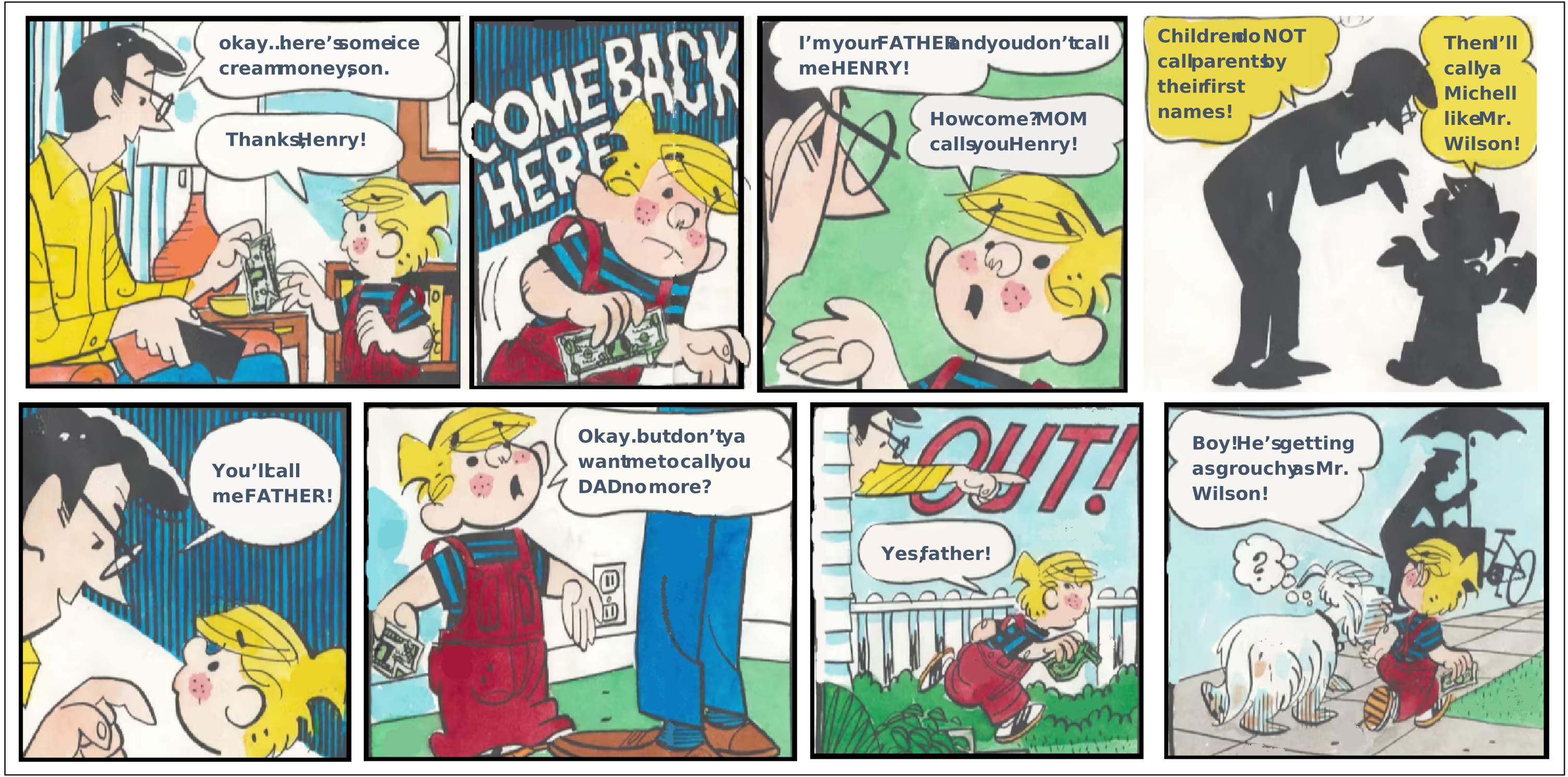
The global AI comic generator market is projected to grow from USD 33.00 billion in 2025 to USD 271.06 billion by 2035—a remarkable 23.44% CAGR—while the broader webcomics market continues expanding toward USD 14.73 billion by 2034. Jenova's Comic Creator solves the most persistent challenge in sequential art: maintaining character consistency across dozens of panels while ensuring every frame advances your narrative with authentic comic strip aesthetics.
Why AI comic strip generators have arrived:
- ✅ Character consistency finally solved through reference sheet systems
- ✅ Multiple professional art style templates (superhero, indie, noir, horror, sci-fi)
- ✅ Panel-by-panel generation with narrative continuity tracking
- ✅ Access to frontier AI models including GPT-5.2, Claude Opus 4.5, Gemini 3 Pro, and Grok 4.1
Whether you're developing a daily webcomic strip or a serialized graphic narrative, an AI comic strip generator maintains perfect visual continuity while you focus on what matters most: your story.
Quick Answer: What Is an AI Comic Strip Generator?
An AI comic strip generator is a specialized tool that creates professional comic strip panels with consistent art styles, character designs, and dynamic compositions through guided sequential art creation.
Unlike generic image generators that produce disconnected illustrations, specialized AI comic strip tools understand sequential storytelling elements:
- Panel flow and visual pacing optimized for strip-format storytelling
- Character reference systems that lock appearances across entire projects
- Style templates matching major comic traditions (newspaper strips, webcomics, graphic narratives)
- Speech bubble integration with appropriate styling and placement
- Visual rhythm for punchlines, cliffhangers, and emotional beats
The Problem: Why Traditional Comic Strip Creation Remains So Difficult
Despite the booming market for digital comics and webcomics, aspiring creators face significant barriers to entry that have historically locked out independent voices.
💰 The Prohibitive Cost Barrier
Professional comic strip creation remains prohibitively expensive for independent creators. According to industry analysis:
Funding and financial instability is a primary challenge for comic creators, stemming from the unpredictable nature of comic sales, reliance on crowdfunding, or limited access to traditional publishing advances.
Source: Comic Creators for Freedom
For creators producing daily or weekly strips, the costs compound rapidly. Professional illustration for a single strip can range from $50-$200, meaning a year of daily strips could cost $18,000-$73,000 in illustration alone—before any marketing or distribution.
⏱️ The Crushing Time Investment
Creating comic strips requires mastery across multiple disciplines simultaneously:
Visual Skills Required:
- Character design with consistent proportions
- Expressive facial acting and body language
- Background and environment illustration
- Panel composition and visual flow
Storytelling Skills Required:
- Comedic or dramatic timing within limited panels
- Visual punchline construction
- Character voice and dialogue craft
- Serial narrative development
According to Publishers Weekly's coverage of ComicsPRO 2025, the comics industry faces significant challenges including distribution disruptions and the need for sustainable business models—pressures that independent strip creators feel acutely.
🎭 The Character Consistency Nightmare
Perhaps the most challenging aspect of comic strip creation is maintaining visual consistency. Characters must look identical across hundreds of panels, expressions need to remain on-model, and art styles must stay cohesive throughout the entire run.
According to Precedence Research:
The AI comic generator market is evolving from basic text-to-image tools toward integrated storytelling suites capable of managing script-to-panel layout, maintaining character consistency, and automating speech bubble placement.
Professional syndicated strips solve this through detailed character model sheets and style guides—resources that solo creators rarely have time to develop and maintain.
The Jenova Solution: AI-Powered Comic Strip Generation
| Traditional Approach | AI Comic Strip Generator |
|---|---|
| $50-$200 per strip for professional art | Unlimited strip generation |
| Years of artistic training required | Guided creation with style templates |
| Hours per strip | Strips generated in minutes |
| Manual consistency tracking | Automatic reference system |
| Limited style flexibility | Multiple distinct art style templates |
🎨 Professional Methodology, AI Execution
The Comic Creator doesn't just generate images—it implements the same structured approach used by professional comic studios:
Reference Image System: Every project begins with establishing visual anchors. The AI generates style exemplars and character reference sheets before any story panels, ensuring consistency from the first frame to the last.
Narrative Tracking: A persistent Story State system tracks your position in the narrative, active plot threads, character states, and continuity notes. This prevents the drift and inconsistency that plagues long-form AI-assisted projects.
Quality Gates: Each generated strip undergoes automatic review against criteria including character consistency, narrative coherence, panel clarity, and style adherence.
🖼️ Professional Art Style Templates
Choose from templates matched to major comic strip traditions:
| Template | Best For | Visual Signature |
|---|---|---|
| Classic Newspaper | Daily strips, gag comics | Clean lines, expressive characters, efficient backgrounds |
| Modern Webcomic | Digital-first strips, social media | Bold colors, contemporary styling, mobile-optimized |
| Indie/Alternative | Literary strips, experimental | Expressive lines, emotional depth, varied compositions |
| Superhero Action | Adventure strips, action sequences | Dynamic poses, dramatic lighting, bold linework |
| Noir/Crime | Detective stories, drama | High contrast, moody atmosphere, cinematic framing |
Specialized AI Agents for Comic Strip Generation
Comic Creator
Your personal comic book artist for crafting complete stories. Master sequential art, dynamic layouts, and bold visual styles—from single strips to epic graphic novel sagas.
Key Features:
- Dedicated reference sheets that lock character appearances across your entire project
- Dynamic panel layout generation optimized for Western comic conventions
- Persistent project state tracking across sessions
- Quality gates that catch consistency issues automatically
Manga Creator
Personal mangaka for creating complete stories with visual storytelling, panel flow, and consistent art style—from one-shots to 200+ page serialized epics. Ideal for manga-style strip aesthetics and storytelling conventions.
Webtoon Creator
Personal webtoon artist for mobile-first storytelling with vertical scroll rhythm, episode hooks, and full-color consistency. According to Fortune Business Insights, the global webcomics market is projected to reach $14.73 billion by 2034, growing at 6.72% CAGR.
Creative Fiction Writer
Storytelling partner for deep research, editorial insight, and polished prose—perfect for developing your comic strip's plot, character arcs, and dialogue before visual generation.
How It Works: From Concept to Finished Strips
Step 1: Project Setup
Begin by establishing your comic strip's foundation. Define your title, genre, tone, and format (daily strip, weekly series, or graphic narrative). The AI guides you through character creation, helping you develop detailed descriptions for each cast member including physical appearance, personality traits, and speech patterns.
"I'm creating a daily comic strip called 'Office Odyssey' about a cynical IT worker named Dave who deals with absurd tech support requests. Dave is 35, has perpetually tired eyes, wears rumpled business casual, and has a deadpan sense of humor. His personality is sardonic but secretly caring."
Step 2: Style Selection
Choose from professional art style templates. The AI comic strip generator explains how each affects tone and recommends options based on your genre. You can also request style mixing—for example, Modern Webcomic with occasional Noir elements for dramatic moments.
Step 3: Reference Generation
Before creating story strips, the AI generates essential reference materials:
- Style Exemplar — One strip establishing your visual language
- Character Reference Sheets — All significant characters in neutral poses and key expressions
- Location References — Recurring important settings (as needed)
These references anchor every subsequent generation, preventing the character inconsistency that typically plagues AI art projects.
Step 4: Strip-by-Strip Creation
For each strip, the AI:
- Scripts the strip based on your story direction or joke concept
- Breaks content into panel-by-panel beats (typically 3-4 panels for daily strips)
- Writes dialogue matching each character's established voice
- Selects appropriate panel layout based on comedic or dramatic rhythm
- Generates the strip with all relevant references loaded
- Reviews output against quality criteria before presenting
Step 5: Iteration and Refinement
Request adjustments to any strip. The Comic Creator maintains awareness of your project state, ensuring changes propagate correctly through subsequent strips. Character evolutions (new hairstyles, costume changes, aging) are tracked with versioned reference sheets.
Results & Use Cases
📊 Daily Webcomic Production
Scenario: Creating a daily comic strip for social media and webcomic platforms
Traditional Approach: 2-4 hours per strip or $50-$200 in illustration costs daily
With AI comic strip generator:
- Complete setup and reference generation in one session
- Strip generation with consistent style throughout
- Professional panel layouts and dialogue integration
- Ability to iterate and refine without additional costs
💼 Serialized Story Strips
Scenario: Developing a long-running narrative comic strip
Traditional Approach: Requires dedicated artistic consistency, extensive style guides, and months of production
With the comic strip generator:
- Persistent Story State tracking across sessions
- Character reference versioning for visual evolution
- Landmark strip tagging for narrative callbacks
- Automatic continuity maintenance across story arcs
📱 Social Media and Marketing Content
Scenario: Creating comic strips for brand storytelling and social engagement
According to Precedence Research, the advertising & marketing segment is a significant growth area, as comics and graphic narratives help simplify complex topics and improve audience engagement.
With AI comic strip creation:
- Rapid production for campaign timelines
- Consistent brand character representation
- Style templates adaptable to brand guidelines
- Quick iteration based on performance feedback
🎯 Educational and Explainer Content
Scenario: Creating instructional comic strips for learning materials
According to Precedence Research, AI-based comic creation is increasingly being used in education, leveraging storytelling and engaging visuals to enhance learning.
With AI comic strip generation:
- Complex concepts visualized through sequential art
- Consistent character guides for educational mascots
- Rapid production for curriculum development
- Engaging format that improves retention
2026 Market Context: Why AI Comic Strip Generators Have Arrived
📈 A Booming Industry Hungry for New Voices
The global comic and webcomic markets have reached unprecedented scale:
The global webcomics market size was valued at USD 8.17 billion in 2025 and is projected to reach USD 14.73 billion by 2034, exhibiting a CAGR of 6.72% during the forecast period.
Source: Fortune Business Insights
Key market dynamics:
- Asia Pacific dominates with 48.69% market share
- Action genre leads, while romance is growing rapidly
- Subscription-based models account for 65.41% of revenue
- Mobile apps dominate as the primary reading platform with 71% share
🤖 The AI-Assisted Creation Revolution
According to Precedence Research, the AI comic generator market is experiencing explosive growth:
The global AI comic generator market size is estimated to hit around USD 271.06 billion by 2035, increasing from USD 33.00 billion in 2025, with a CAGR of 23.44% from 2026 to 2035.
Key trends driving AI comic strip generation:
- Text-to-comic segment dominates with 52.3% market share
- Cloud-based deployment leads with 74.5% adoption
- Personal/hobbyist segment represents 42.5% of users
- Free/freemium models hold 62.0% share, democratizing access
🎨 Character Consistency Is Finally Solved
According to Precedence Research:
Approximately 61% of digital artists now use AI tools, and 57% of comic publishers employ AI for time-intensive tasks such as background rendering and coloring. This adoption has enabled independent creators to compete with major studios, reducing production costs and timelines by over 70%.
Several innovations have converged:
- Identity Embedding: Modern AI models create mathematical "fingerprints" of characters from reference images
- Reference Systems: Dedicated character sheets lock appearances across projects
- Integrated Storytelling Suites: Managing script-to-panel layout automatically
- Multi-Subject Consistency: Latest models handle multiple consistent characters simultaneously
🏭 Industry Transformation
According to The Toledo Blade's coverage of AI in comics:
"Embrace the fact that you can do three book projects at once now where before you couldn't do one. Embrace the fact that you can take your thing and extrapolate it, you can basically create a world of assistants."
The same source notes that digital publishing platform WEBTOON has launched AI tools for creators to speed up production, including painting and 3D and 2D modeling tools.
Frequently Asked Questions
Is this AI comic strip generator free to use?
The Comic Creator is available through Jenova's platform with free access to core features and limited daily usage. For extended creation sessions and higher usage limits, paid plans start at $20/month. Visit www.jenova.ai for specific pricing details.
How does the AI maintain character consistency across strips?
The system uses a reference image architecture. Before generating story strips, you create character reference sheets showing each character in neutral poses and key expressions. These references are loaded with every subsequent strip generation, ensuring visual consistency across your entire project.
What AI models power the comic strip creation?
Jenova provides unified access to frontier AI models including GPT-5.2, Claude Opus 4.5, Gemini 3 Pro, and Grok 4.1—all available through a single platform with no vendor lock-in.
Can I create comic strips in different visual styles?
Yes. The comic strip generator supports multiple professional art style templates: Classic Newspaper, Modern Webcomic, Indie/Alternative, Superhero Action, and Noir/Crime. You can also mix styles within a project for different sequences or tonal shifts.
Can I use my own reference images?
Yes. You can upload your own character designs, style references, or world-building documents. The AI incorporates these into its generation process alongside system-generated references, giving you full control over your visual direction.
What formats work best with this tool?
All major comic strip formats are supported: daily 3-4 panel strips, Sunday-style expanded strips, vertical scroll webcomics, and traditional page layouts. The system adapts panel density and visual approach based on your chosen format.
Transform Your Stories Into Professional Comic Strips Today
The webcomics market is experiencing unprecedented growth, projected to reach USD 14.73 billion by 2034 at a 6.72% CAGR, while AI comic generation is exploding at 23.44% CAGR toward USD 271.06 billion by 2035. Digital platforms have democratized distribution—with mobile apps commanding 71% of consumption—and AI tools are democratizing creation itself.
The Comic Creator brings professional comic production methodology to anyone with a story to tell. No years of artistic training required. No thousands of dollars in illustration costs. Just your creativity, guided by an AI that understands the craft of visual storytelling.
Whether you're creating daily webcomic strips or developing a serialized narrative epic, discover how AI comic strip generation transforms your stories into professional sequential art—one panel at a time.
Your characters will stay consistent. Your panels will land the punchline. Your project state will persist across sessions.
Get started with Comic Creator and bring your visual stories to life at www.jenova.ai.